
New construction in Florida: prices, trends, guides & homes as of December 2025

About Florida
Florida is located between the Atlantic Ocean and the Gulf of Mexico and boasts some of the world's most beautiful beaches and attractions. Also known as the Sunshine State, Florida enjoys 237 days of sunshine on average each year. Its warm weather and affordable cost of living make it a great place for retirees and families alike. Florida has experienced strong population growth over recent years and even led the country in net migration a few years ago. Its population is currently 21.8 million, making it the third most populous state in the nation. Florida comprises several major cities, including Jacksonville, Miami, Orlando, and Tampa. Its economy is the fourth-largest in the United States, with tourism being a major driver. Other major industries include aerospace and aviation, agriculture, life sciences, manufacturing, technology, and finance.
How are new home prices changing in Florida?
Home price data reflects current listings in Florida, sourced from Jome and updated regularly
*Based on Jome markets

Chat with Florida Expert
Get a free, no-pressure consultation with our top Florida new-construction expert. They know every major builder, the best deals and incentives, and exactly what's happening in the local new-construction market.
Florida market overview
- Overall inventory34,381
- Single-family inventory28,777
- Townhouse inventory2,958
- Condo inventory2,045
- Multi-family inventory233
- Penthouse inventory59
- 1 bed inventory385
- 2 beds inventory2,499
- 3 beds inventory13,775
- 4+ beds inventory17,623
- Median home price$422,000
- Median sqft price$218.92
- Median 1 bed price$767,200
- Median 2 beds price$441,460
- Median 3 beds price$369,990
- Median 4+ beds price$470,140
- Min listing price$100,000
- Max listing price$84,000,000
- Min community price$149,999
- Max community price$59,000,000
Florida median price change
| Month | Median price | Change |
|---|---|---|
| December 2025 | $423,000 | - |
Florida real estate markets
 Jacksonville Metropolitan Area314 communities13.7% of all FL communities3,923 homes11.4% of all FL homes$396,490 home median price
 Greater Orlando Area571 communities25.0% of all FL communities7,659 homes22.3% of all FL homes$409,999 home median price
 Tampa Bay Area435 communities19.0% of all FL communities6,645 homes19.3% of all FL homes$475,578 home median price
 Miami Metropolitan Area261 communities11.4% of all FL communities4,049 homes11.8% of all FL homes$1,895,000 home median price
 Gainesville–Ocala Area148 communities6.5% of all FL communities3,464 homes10.1% of all FL homes$302,900 home median price
 Space Coast75 communities3.3% of all FL communities842 homes2.4% of all FL homes$369,990 home median price
 Treasure Coast112 communities4.9% of all FL communities1,768 homes5.1% of all FL homes$479,633 home median price
What it's like to live in Florida?
Florida operates as a collection of distinct regional economies unified by zero state income tax, coastal geography, and year-round warm climate. Miami functions as a global financial hub with deep Latin American connections. Orlando centers on tourism and entertainment infrastructure supporting the world's most visited theme parks. Tampa has diversified beyond tourism into finance, healthcare, and defense. Jacksonville serves as a logistics gateway and military center. The Space Coast anchors aerospace manufacturing and government research. Southwest Florida attracts retirees and seasonal residents seeking beach access and lower costs. The common thread connecting these disparate regions is Florida's tax structure and climate, though the reality of living here involves trade-offs around hurricane risk, insurance costs, and seasonal population swings that vary dramatically by location.
Why Florida continues attracting sustained migration
The financial advantage starts with taxes. Florida collects no state income tax on wages, investment income, or retirement distributions, putting more money in your pocket compared to most states. For a household earning $125,000 annually, that translates to $5,000 to $9,500 in annual savings versus states like New York, New Jersey, or Illinois. Over a decade of residency, that's $50,000 to $95,000 in retained income. For retirees living on Social Security, pensions, and investment withdrawals, the tax savings become even more significant, as every dollar of retirement income avoids state taxation.
The job market diversity provides economic resilience despite common perceptions of Florida as purely tourism-dependent. Aerospace dominates the Space Coast, where Kennedy Space Center, SpaceX's launch operations at Cape Canaveral, and defense contractors create high-paying engineering and technical positions. Miami's financial sector has exploded, with Citadel's massive 1.7-million square foot headquarters at Brickell Bay Drive anchoring a growing ecosystem of hedge funds, private equity firms, and financial services companies relocating from New York and Connecticut. Jacksonville's logistics infrastructure, centered around CSX Corporation's Fortune 500 headquarters and major port operations, generates constant demand for supply chain professionals. Orlando's tourism economy, built around Walt Disney World Resort and Universal Studios, employs hundreds of thousands directly and supports an even larger ecosystem of hospitality, entertainment, and service businesses. Tampa has emerged as a healthcare and insurance hub, with USAA's Southeast headquarters employing 3,500 people and multiple hospital systems creating dense medical employment.
Military installations provide employment stability across multiple regions. MacDill Air Force Base in Tampa, Naval Air Station Jacksonville, Patrick Space Force Base on the Space Coast, and Homestead Air Reserve Base south of Miami employ thousands of active-duty personnel, civilian contractors, and support staff. These installations create housing demand in specific submarkets and contribute to local economic stability regardless of broader market conditions.
The climate delivers year-round warmth that northern transplants seek, though the reality is more nuanced than vacation marketing suggests. South Florida rarely sees temperatures below 60 degrees, while North Florida experiences genuine winter with occasional freezes. Summers run hot and humid statewide, with temperatures regularly reaching the low 90s combined with afternoon thunderstorms from June through September. Hurricane season from June through November creates genuine risk requiring preparation and acceptance of occasional evacuation. For many relocators, particularly retirees from cold-weather states, the trade-off of hurricane risk for eliminating snow shoveling and winter heating costs feels worthwhile.
Understanding Florida's markets by buyer profile
Florida's geographic and economic diversity serves distinct buyer types, with new construction concentrating in areas matching specific employment patterns and lifestyle priorities. The state's varied regions support everything from luxury waterfront estates to affordable inland communities, with builders responding to sustained population growth.
For Aerospace and Defense Professionals: The Space Coast from Titusville through Cape Canaveral to Melbourne captures this demographic almost exclusively. Engineers, physicists, technicians, and program managers working for NASA, SpaceX, Boeing, and defense contractors prioritize proximity to Kennedy Space Center and Cape Canaveral launch facilities. These buyers typically relocate from other aerospace hubs like Southern California or Houston, often taking pay cuts for the lifestyle advantages Florida offers. New construction in Brevard County communities near Patrick Space Force Base serves this market, with price points ranging from $380,000 to $650,000 for quality properties. These professionals seek modern floor plans with home offices for technical work, strong internet infrastructure for remote collaboration with other facilities, and proximity to the coast for recreation. The work often involves irregular schedules around launch windows, making short commutes valuable. Jacksonville's Northrop Grumman facility at the former Cecil Field also attracts defense professionals, though the concentration remains smaller than the Space Coast.
For Tourism and Entertainment Industry Workers: Orlando dominates this segment, with thousands of jobs at Walt Disney World Resort, Universal Studios, SeaWorld, and supporting entertainment infrastructure. This category spans enormous income ranges, from entry-level hospitality workers earning $35,000 annually to theme park executives and Imagineers earning $200,000-plus. New construction serving this market splits dramatically by income level. Entry-level workers seek townhomes and condos in the $220,000 to $310,000 range in areas like Kissimmee and Pine Hills with reasonable commutes to the parks. Mid-level managers and professionals target single-family homes in the $360,000 to $480,000 range in suburbs like Winter Garden, Clermont, and Lake Nona. Senior executives purchase in the $600,000-plus range in communities like Windermere and Dr. Phillips. Proximity to Orlando International Airport matters for these buyers, as many maintain professional networks requiring frequent travel. Tampa's tourism sector creates similar patterns on a smaller scale, with buyers seeking access to downtown hotels and convention facilities.
For Finance and Corporate Professionals: Miami captures the majority of high-income finance professionals, particularly those with Latin American business connections or relocating from New York to escape state income taxes. Citadel's headquarters move has catalyzed additional financial firm relocations, creating demand for luxury condos and single-family homes in the $800,000 to $2,000,000-plus range in Coral Gables, Pinecrest, and Brickell. These buyers often maintain second homes in the Northeast and view Florida as their primary residence for tax purposes while spending significant time elsewhere. Jacksonville's CSX headquarters and growing financial services sector attract corporate professionals at more accessible price points, with new construction from $380,000 to $580,000 serving this demographic in suburbs like Ponte Vedra and St. Johns County. Tampa's USAA campus employs insurance professionals seeking homes in the $420,000 to $620,000 range near the facility in northern Hillsborough County.
For Military Families and Defense Contractors: Multiple Florida metros serve military demographics with distinct housing patterns. Jacksonville's Naval Air Station creates demand in surrounding areas, with military families using VA loans to purchase new construction from $310,000 to $450,000 in communities offering easy base access. MacDill Air Force Base in Tampa drives similar patterns in South Tampa and surrounding areas. Patrick Space Force Base on the Space Coast serves both active military and the dense concentration of defense contractors working in aerospace. Homestead Air Reserve Base south of Miami creates a small but steady market. Military buyers often prioritize short commutes for shift work and on-call requirements, strong school districts for families, and resale potential given the likelihood of future PCS moves. VA loan usage with zero down payment makes new construction particularly attractive when builders offer incentives offsetting closing costs.
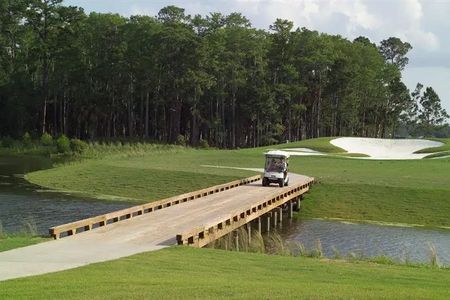
For Retirees Across Income Levels: Florida has built its reputation on retirement living, attracting retirees from across the country and internationally. This segment splits by income and lifestyle priorities. Southwest Florida's Fort Myers and Naples areas attract affluent retirees seeking golf course communities and beach access, with new construction ranging from $450,000 to $1,500,000-plus. The Treasure Coast from Fort Pierce through Vero Beach serves middle-income retirees seeking lower costs than Southwest Florida while maintaining coastal access, with new construction from $320,000 to $520,000. The Villages, a massive master-planned community northwest of Orlando, specializes in active adult living with golf carts as primary transportation and extensive amenities, with homes from $280,000 to $550,000. Jacksonville and the Panhandle attract retirees seeking the lowest costs with less dramatic temperature extremes than South Florida, offering new construction from $260,000 to $420,000. These buyers universally seek single-story layouts, master-on-main configurations, and communities with lawn maintenance services eliminating physical demands. Access to quality healthcare becomes increasingly important as buyers age, making proximity to major hospital systems a decision factor.
For Remote Workers and Digital Nomads: Florida's zero income tax makes it attractive to remote workers with high incomes, particularly those leaving states like California, New York, and Massachusetts. These buyers need reliable internet infrastructure, dedicated home office spaces, and proximity to airports for occasional travel. Miami attracts tech workers and creative professionals seeking urban energy, though housing costs have risen to match major coastal cities. Tampa and Jacksonville offer better value while maintaining airport access and improving cultural amenities. Orlando serves remote workers seeking family-friendly suburbs near theme parks and University of Central Florida's tech corridor. The Space Coast has seen unexpected remote worker influx from people attracted to the aerospace culture and beach access at lower costs than South Florida. These buyers show enormous price range variation from $340,000 to $700,000-plus depending on their compensation levels and previous markets, with many maintaining the budget expectations of their departure cities while benefiting from Florida's lower costs.
For Growing Families Prioritizing Education and Safety: School district quality and crime rates drive decisions for families with children throughout Florida. The state's public school system varies dramatically by county and specific attendance zones. St. Johns County near Jacksonville consistently ranks among Florida's top districts. Seminole County north of Orlando maintains strong schools. Specific districts within Broward and Miami-Dade Counties perform well despite broader system challenges. New construction communities have positioned strategically within high-performing attendance zones, though this creates price premiums and intense competition. Families research specific schools rather than relying on district-wide reputations, as quality varies substantially even within well-regarded systems. Currently, the region features developments near schools with strong ratings, creating concentrated demand. These families typically prioritize location over square footage, accepting smaller floor plans to secure addresses within specific boundaries that protect long-term resale value. Price points range from $380,000 in Jacksonville suburbs to $650,000-plus in top school zones near Miami.
For Second-Home Buyers and Investors: Florida's tourism economy and seasonal appeal create substantial second-home and investment property demand. These buyers concentrate in coastal areas and near theme parks. Buyers purchase condos and townhomes specifically for short-term rental income through platforms like Airbnb and VRBO, accepting HOA restrictions and management company fees in exchange for rental potential. Coastal properties attract snowbirds seeking winter escapes, with many purchasing in communities allowing flexible seasonal rentals. New construction serving this market includes properties from $280,000 for modest inland condos to $900,000-plus for beachfront townhomes. Cash purchases remain common in this segment, as rental income projections don't always support conventional financing, and many buyers use proceeds from selling properties in higher-cost states to purchase Florida investments outright.
Cost realities beyond your base mortgage payment
Your actual monthly housing cost in Florida extends well beyond principal and interest, with the state's insurance environment and property tax structure creating expenses that require careful evaluation before committing.
Property taxes run lower than Texas but higher than some southeastern states. The statewide average effective rate sits around 0.80% to 1.00% of assessed value, though this varies by county. High-tax counties like Miami-Dade and Broward can reach 1.10% to 1.20% when all taxing entities combine. Lower-tax counties in North Florida and rural areas run closer to 0.70% to 0.85%. On a $450,000 home, annual tax bills range from roughly $3,150 in low-tax areas to $5,400 in high-tax zones. Florida's Save Our Homes amendment caps annual assessment increases at 3% for homesteaded properties, providing protection against rapid tax increases as home values appreciate. This creates significant advantage for long-term owners but means new buyers pay higher taxes than established residents on comparable properties. Non-homesteaded properties including second homes and investment properties face annual reassessment at full market value, creating substantially higher tax bills.
Homeowner's insurance represents Florida's most significant cost challenge. Hurricane risk, claims history from recent major storms, and insurance company exits from the Florida market have created a crisis situation affecting every buyer. Coastal properties face the highest premiums, often requiring separate windstorm and flood policies beyond standard homeowner's coverage. Total annual insurance costs for coastal properties easily reach $6,000 to $12,000 or more for homes valued at $500,000, and high-value properties can exceed $20,000 annually. Inland properties face lower but still substantial costs, typically ranging from $2,500 to $4,500 annually for standard single-family homes. New construction earns somewhat better rates because modern building codes require stronger roof attachments, impact-resistant windows, and elevated foundations in flood-prone areas, reducing claim probability compared to older homes. However, even new construction costs substantially more to insure than comparable properties in non-hurricane states. Budget for these costs carefully, as they can add $500 to $1,000 monthly to your housing payment beyond mortgage principal and interest.
Flood insurance adds another layer for properties in FEMA-designated flood zones. Coastal areas and properties near water bodies often require separate flood policies ranging from $800 to $3,500 annually depending on elevation and specific flood risk. Some new construction positions properties above base flood elevation specifically to reduce insurance requirements, a strategy worth investigating when comparing similar communities.
Sales tax across Florida ranges from 6% to 8.5%, with the state collecting 6% and counties adding up to 2.5%. This affects major purchases including vehicles, where a $45,000 SUV carries $2,700 to $3,825 in sales tax. Building materials, furniture, and appliances all include this premium. The cumulative effect shows up when furnishing a new home, where $28,000 in purchases becomes $29,680 to $30,380 after tax.
Utility costs favor new construction substantially, though overall expenses run higher than northern states due to year-round air conditioning demands. South Florida homes require cooling 11 to 12 months annually. Central and North Florida need cooling from April through October. Older homes with outdated HVAC systems and poor insulation can see summer electric bills exceeding $320 monthly for 2,800 square foot homes. New construction with modern insulation, efficient HVAC systems, and better window technology typically runs 30% to 40% lower for comparable square footage. Many new Florida homes include features like radiant barriers in attics and solar-reflective roofing materials that reduce cooling loads. Some builders now offer solar panel installation as standard or optional upgrades, providing additional energy cost reduction.
HOA fees vary dramatically by community type and location. Coastal condo communities often charge $400 to $800 monthly covering building insurance, exterior maintenance, amenity access, and reserves for major repairs. Single-family home communities typically range from $80 to $200 monthly for basic services. Master-planned communities with extensive amenities including multiple pools, fitness centers, and staffed activities can reach $250 to $400 monthly even for single-family homes. Age-restricted communities often carry higher fees funding the enhanced amenities and services that active adult buyers expect. These represent permanent fixed costs that typically increase 4% to 7% annually as maintenance expenses and insurance costs rise.
Home prices vary enormously by market and proximity to coast. Miami's median reaches elevated levels reflecting the international buyer presence and limited land availability. Orlando and Tampa offer middle-ground pricing. Jacksonville and secondary markets provide the best value. Within the state, builders have developed numerous communities at various price points, though coastal proximity always commands premiums.
What new construction delivers in Florida's challenging climate
Choosing new construction in Florida provides advantages particularly relevant to the state's hurricane risk, humidity, and insurance environment, with recent building code updates creating meaningful differences from older housing stock.
- Hurricane-Resilient Building Standards: Florida building codes have strengthened progressively following major storm events including Hurricane Andrew in 1992, the 2004-2005 hurricane seasons, and Hurricane Michael in 2018. Homes built since 2002 must meet wind load requirements significantly exceeding previous standards. New construction includes hurricane straps securing roof trusses to walls, impact-resistant windows and doors meeting Miami-Dade County protocols even in non-coastal areas, and reinforced garage doors preventing structural failure when wind pressures build. These features provide genuine protection during hurricanes while earning better insurance rates than older homes lacking modern storm protection. Coastal construction now requires elevated foundations meeting updated flood maps, with many builders positioning homes two to three feet above minimum requirements to further reduce flood risk and insurance costs.
- Advanced Moisture Management Systems: Florida's humidity and rainfall patterns deteriorate older construction rapidly. New homes incorporate modern moisture barriers, proper drainage systems directing water away from foundations, and HVAC systems with dehumidification capacity that older systems lack. This prevents the mold growth that plagues older Florida homes, a problem creating both health concerns and expensive remediation costs. Modern construction also uses materials more resistant to moisture damage, including synthetic stucco systems, rot-resistant trim materials, and improved flashing around windows and doors where water intrusion typically occurs.
- Energy Efficiency in Extreme Cooling Climates: Year-round or near-year-round air conditioning makes energy efficiency more valuable in Florida than in moderate climates. New construction with modern insulation, properly sized HVAC systems, Low-E windows blocking solar heat gain, and sealed ductwork delivers utility savings that compound over ownership periods. A new home using $195 monthly in electricity versus an older home requiring $305 saves $1,320 annually, totaling $39,600 over 30 years. Many builders now include programmable thermostats, ceiling fans as standard rather than upgrades, and white or light-colored roofing materials reflecting heat. Some offer solar panel installation, either included or as reasonably priced upgrades, providing additional energy cost reduction and partial grid independence during power outages.
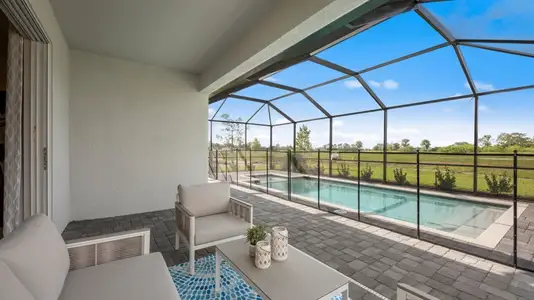
- Modern Floor Plans Matching Lifestyle Expectations: Florida's sustained growth has driven builders to offer floor plans reflecting current priorities. Open-concept designs with kitchen islands serving as central gathering spaces have become standard. Primary suites now include spa-style bathrooms with separate tubs and showers, dual vanities, and large walk-in closets. Covered outdoor living spaces with ceiling fans and electrical outlets for entertainment systems appear routinely in floor plans above 2,000 square feet, recognizing that Florida's climate makes these spaces genuinely usable for much of the year despite heat and humidity. Mudrooms with built-in storage for beach equipment and hurricane supplies have become common features. Three-car garages appear more frequently, providing vehicle storage plus space for kayaks, paddleboards, and other recreational equipment. Home offices with doors have become standard in most floor plans as remote work has normalized.
- Comprehensive Warranty Coverage: Builder warranties provide protection particularly valuable in Florida's harsh climate. Structural warranties typically extending 10 years cover foundation issues, framing problems, and major defects. Major systems including HVAC, plumbing, and electrical receive 2 to 5-year coverage. Workmanship issues get addressed during the first year. Given Florida's potential for foundation settlement, roof leaks, and moisture intrusion, this warranty coverage eliminates repair risks that frequently hit buyers of older homes within the first few years. Roof warranties deserve particular attention in hurricane-prone areas, as wind damage claims can exceed $15,000 to $25,000 for full replacements.
The reality of building schedules in hurricane country
Construction timelines in Florida follow patterns distinct from landlocked states, with weather, permitting complexity, and insurance inspections affecting schedules in ways that buyers from other regions often underestimate.
For inventory homes where construction has progressed to finishing stages, closings typically happen within 55 to 95 days depending on remaining work and loan processing. Florida's permitting and inspection processes involve multiple entities including county building departments, water management districts, and sometimes homeowner associations with architectural review boards. Coastal construction faces additional inspections verifying compliance with flood elevation requirements and wind load specifications. These layered approval processes can extend timelines compared to states with simpler permitting.
For to-be-built homes where you're selecting a lot before any site work begins, realistic expectations run 9 to 13 months in most Florida markets, longer than landlocked states due to weather disruptions and regulatory complexity. The construction sequence includes distinct phases that Florida's climate affects. Site preparation including lot clearing, foundation excavation, and utility connections takes 3 to 6 weeks. Foundation work requires particular attention in coastal areas where flood elevation requirements add complexity, extending this phase to 4 to 6 weeks. Framing and roof installation consume 7 to 12 weeks. Hurricane season from June through November creates potential disruptions when tropical systems approach, with builders securing job sites and halting work even when storms ultimately track elsewhere. Major hurricanes can delay construction for weeks or months across entire regions as contractors prioritize emergency repairs over new construction. Rough-in work for plumbing, electrical, and HVAC takes 4 to 5 weeks. Insulation, drywall, and interior finishing require 9 to 14 weeks. Final landscaping and punch list items add another 3 to 4 weeks.
Summer afternoon thunderstorms create daily weather disruptions from June through September. While builders account for this in planning, the cumulative effect of rain delays adds weeks to construction schedules compared to drier climates. Exterior work including roofing, siding, and painting can only progress during dry periods, and Florida's humidity extends drying times for paint and stucco compared to arid regions.
Supply chain issues specific to Florida occasionally emerge due to hurricane damage affecting manufacturing facilities or transportation infrastructure. Following major storms, building materials like roof trusses, windows, and drywall can face extended lead times as demand surges for reconstruction while supply tightens. Impact-resistant windows required for new construction in high-wind zones sometimes carry longer lead times than standard windows, particularly during busy construction seasons.
Insurance inspection requirements add a step that some other states don't mandate. Before closing, insurance companies often require roof inspections, four-point inspections covering HVAC, electrical, plumbing, and roof systems, and wind mitigation inspections documenting storm protection features. Scheduling these inspections and addressing any issues they identify can extend your closing timeline by one to three weeks if not planned proactively.
Contracts in Florida should include specific language addressing weather delays while protecting you from indefinite extensions. Reasonable contracts might allow 45-day extensions for named storms that require site evacuation or cause regional material shortages, while limiting general weather delays to 30 days and capping total extensions at 90 days beyond estimated completion. Negotiate daily penalties or cancellation rights if delays exceed these caps, though builders resist these clauses. In slower markets or on inventory that has sat unsold for extended periods, you may have leverage to negotiate buyer-favorable terms.
The pre-closing walkthrough deserves particular attention in Florida due to moisture-related issues that often don't appear immediately. Schedule this inspection 4 to 6 days before closing, allowing time to address problems. Run water in all fixtures checking for proper drainage and hot water delivery. Test the HVAC system's cooling capacity in all rooms. Examine caulking around windows, doors, and tub surrounds where water intrusion commonly occurs. Check that exterior grading slopes away from the foundation. Verify garage door operation and weather sealing. Look for any signs of moisture intrusion including water stains, mold, or musty odors. Test all appliances. Document any issues with photos and written descriptions. Problems identified during walkthrough become the builder's responsibility to address before closing or through a detailed punch list with specific completion dates you approve before signing closing documents.
Navigating Florida's unique financing environment
New construction financing in Florida requires understanding how the state's elevated insurance costs affect qualification calculations and how to protect against interest rate changes across extended construction periods.
Most production builders maintain preferred lender relationships with mortgage companies understanding their construction processes and timelines. Using a builder's preferred lender typically unlocks incentives including closing cost credits ranging from $6,000 to $15,000, appraisal fee waivers, and occasionally rate concessions of 0.125% to 0.25%. These combined benefits can total $11,000 to $19,000 in real savings. However, you're legally entitled to use any lender. Compare at least three lenders including one or two outside the builder's network to ensure competitive terms. Request detailed loan estimates showing all fees and effective APR rather than just headline interest rates.
Florida's elevated insurance costs affect your qualification more than borrowers expect. Lenders include estimated property taxes, homeowner's insurance, and required flood insurance in debt-to-income calculations. On a $450,000 coastal home with $650 monthly combined insurance costs plus $375 monthly property tax, your total housing payment might reach $3,450 monthly including principal and interest. This higher payment reduces the loan amount you qualify for compared to states with lower insurance costs. Some lenders underestimate Florida insurance costs during pre-qualification using outdated figures, leading to payment shock when actual quotes arrive during the loan process. Get real insurance quotes for the specific property address and coverage levels before making offers, not after contract signing when you've committed.
Rate locks require careful attention when construction timelines extend 9 to 13 months. Some builders offer extended lock programs holding your rate through construction, typically adding 0.25% to 0.375% to your rate. Other lenders provide float-down options allowing you to capture lower rates if markets improve, usually for upfront fees of $900 to $1,400. The protection math matters significantly. A 1% rate increase on a $400,000 loan adds approximately $240 monthly, or $2,880 annually. Over 30 years, that's $86,400 in additional interest. Paying 0.25% extra upfront for lock protection costs roughly $60 monthly on the same loan, totaling $720 annually. If rates increase even 0.5% during construction, the insurance pays for itself multiple times over.
Most Florida lenders use single-close construction loans where financing converts automatically when the home completes. Verify which structure your lender uses and understand exactly when rate locks expire and how extensions work if hurricane delays push your closing date back. Some builders offer rate lock extension guarantees if delays result from named storms rather than construction management issues, protecting you from paying additional lock costs due to weather beyond anyone's control.
Down payment requirements typically range from 3% to 20% depending on loan type. VA loans require zero down payment, making them attractive for military buyers near Florida's multiple bases. Some builders offer down payment assistance programs in slower markets, sometimes reducing requirements to 1% to 3% or providing credits that effectively lower cash needed at closing. These programs trade off against higher rates or less price negotiability, so evaluate the complete package.
Flood insurance requirements deserve specific attention. If your property falls in a FEMA-designated flood zone and you're using a conventional or government-backed mortgage, flood insurance is mandatory. These policies are typically purchased separately from homeowner's coverage through the National Flood Insurance Program or private insurers. Annual costs range from $800 to $3,500 or more depending on elevation and flood risk. This becomes part of your housing payment held in escrow, affecting qualification. Some builders advertise properties as "not requiring flood insurance" because they've engineered them above base flood elevation, a selling point worth understanding during your search.
Why representation matters in Florida's complex market
Florida's insurance environment, diverse regional markets, and hurricane considerations make specialized buyer representation valuable for navigating new construction effectively, particularly for buyers relocating from out of state.
Sales representatives at model homes work for builders with compensation tied to selling their inventory at maximum price with minimal concessions. They know their communities thoroughly but provide no assistance comparing against competing builders or protecting your interests during negotiations. In hot markets like South Florida or premium Orlando suburbs, these representatives often employ pressure tactics including artificial deadlines because demand supports aggressive sales approaches. In slower markets like some Jacksonville suburbs or inland communities, they may negotiate more flexibly but still represent the builder exclusively.
Independent buyer's agents represent your interests throughout the process. These professionals help identify which communities offer best value relative to your priorities, evaluate flood risk and insurance costs, compare builder reputations for quality and warranty responsiveness, and ensure contract terms protect you during construction and closing. Across the state, agents specializing in new construction maintain expertise in specific regions rather than attempting to cover Florida's entire 65,000 square miles uniformly.
Agent compensation comes from builders through co-op commission, typically 2.5% to 3% of purchase price, meaning representation doesn't increase your cost beyond what you'd pay buying directly. The value appears in better negotiated terms, avoided expensive mistakes, and informed decisions affecting your investment for years. In Florida particularly, agents familiar with insurance issues can help you understand the true cost of ownership before you commit, steering you away from properties with problematic flood risk or wind exposure that will create ongoing expense headaches. They recognize builders with strong reputations for honoring warranties versus those with histories of fighting legitimate claims.
Regional expertise matters significantly in a state as geographically diverse as Florida. A Miami specialist understands condo association regulations and high-rise construction quality issues but may have limited knowledge of Space Coast aerospace commute patterns or Jacksonville's military housing dynamics. A Tampa agent familiar with hurricane preparation requirements and insurance carrier preferences might not recognize Orlando's theme park employment realities or understand how different hotel and entertainment companies structure employee benefits affecting housing affordability. Ensure your representation has genuine expertise in the specific region where you're searching.
The new construction contract review process represents where agent expertise delivers particular value. Florida purchase agreements for new homes often run 30 to 50 pages with builder-favorable terms. Experienced agents identify problematic clauses including vague completion dates allowing indefinite hurricane delays, limited remedies for builder default, restrictive change order processes that inflate costs, and warranty limitations that exclude common Florida issues like mold or foundation settlement. They negotiate modifications protecting you or at minimum ensure you understand exactly what risks you're accepting in a state where weather events regularly disrupt construction schedules and older builders occasionally face financial problems during market downturns.
Where can I find new homes?
Browse currently available new construction homes, communities, and floor plans across the Florida. All listings are updated daily with the latest inventory from builders. Browse all communities & new homes in Florida
Explore other states in the Southeast
 Georgia951 communities58% less than in Florida10,147 homes70% less than in Florida$469,990 home median price
 North Carolina1,250 communities45% less than in Florida16,827 homes51% less than in Florida$400,000 home median price
 South Carolina914 communities60% less than in Florida9,619 homes72% less than in Florida$345,203 home median price
Top-rated new construction communities in Florida
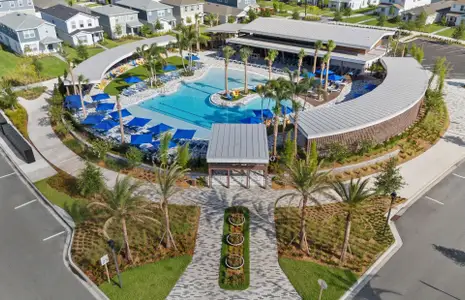
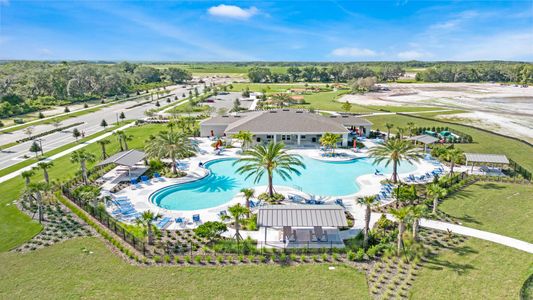
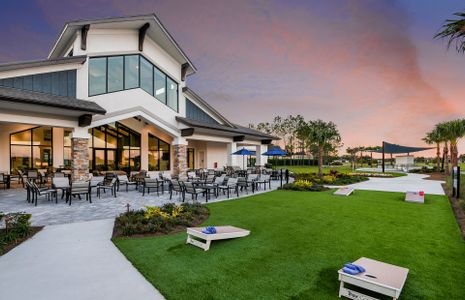

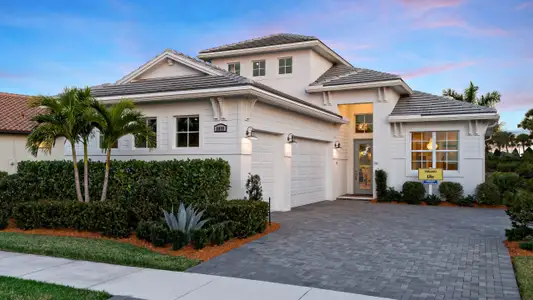

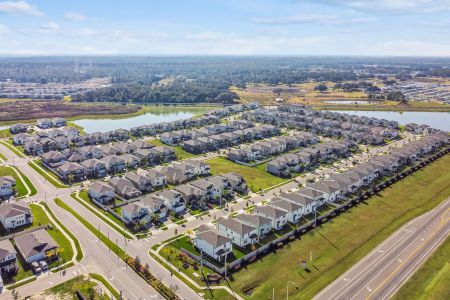

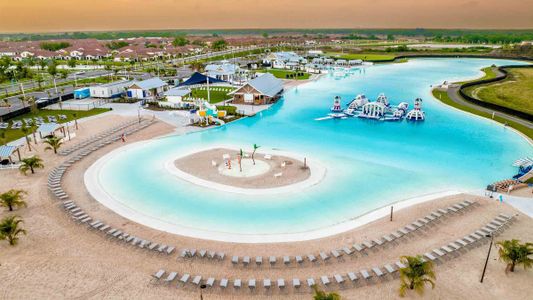
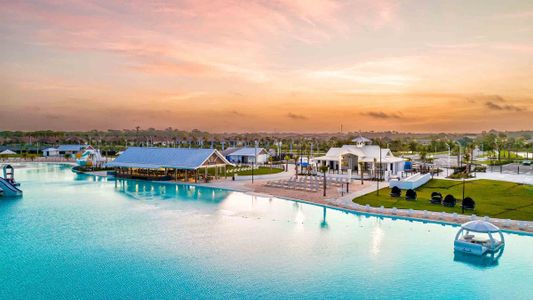
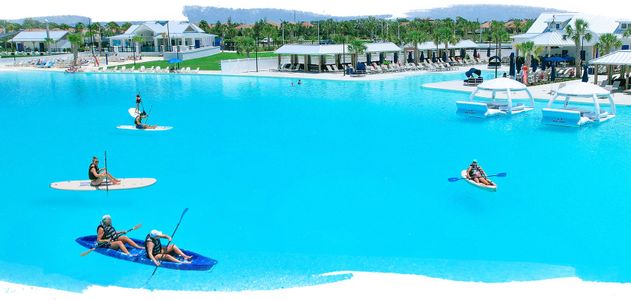
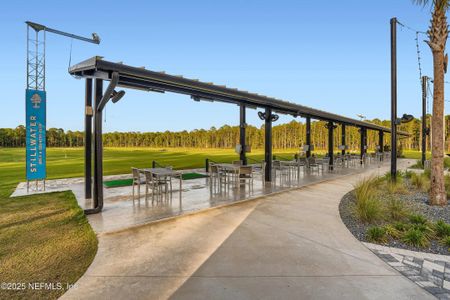
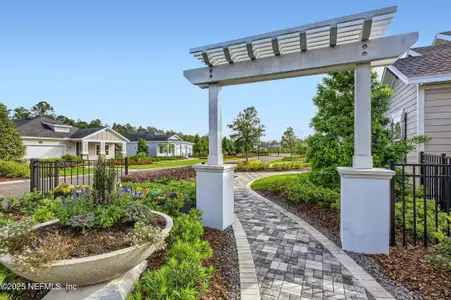
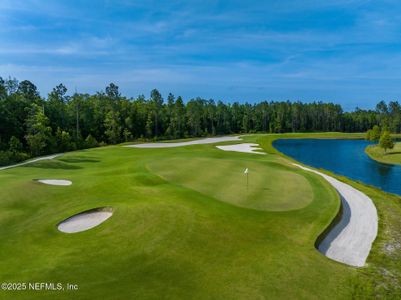
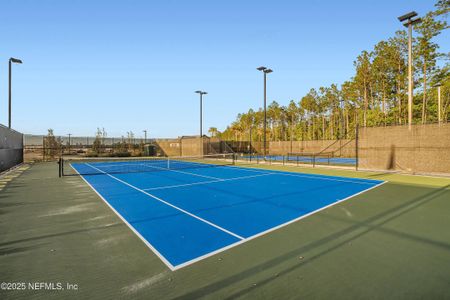
Master planned communities in Florida

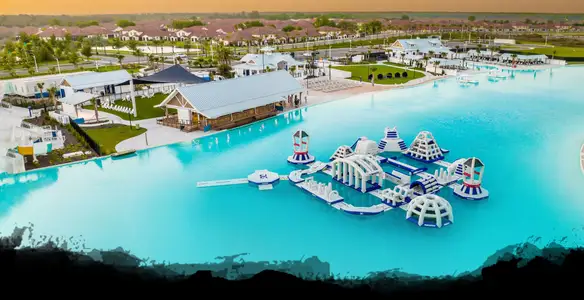
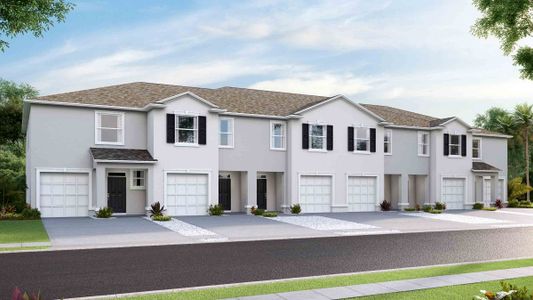
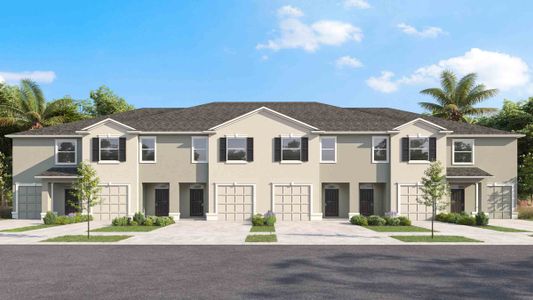
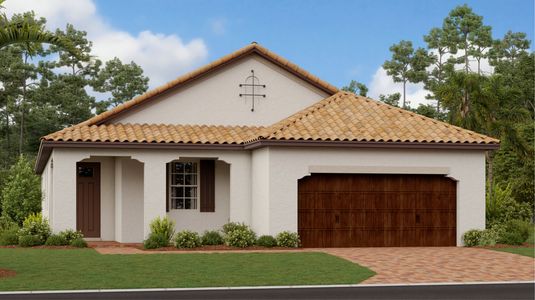
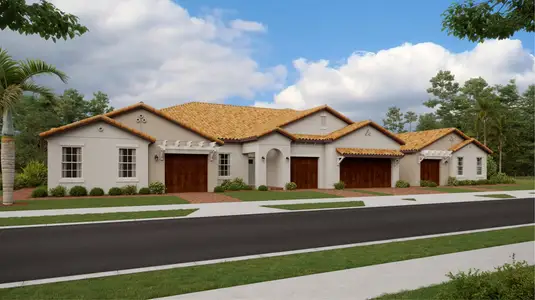





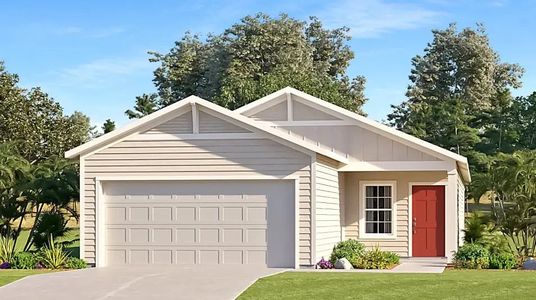
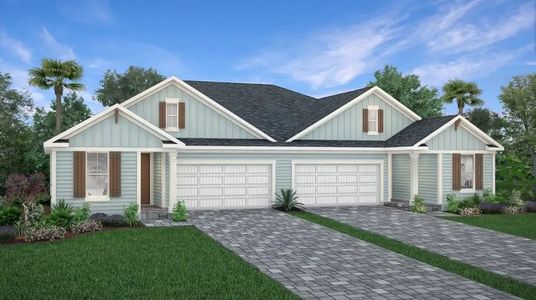
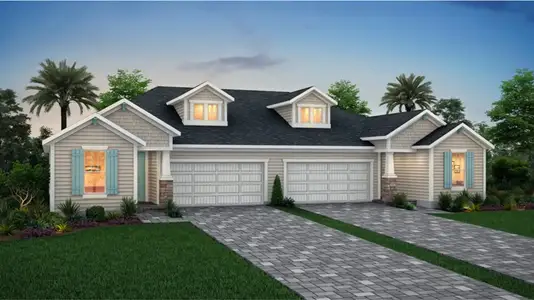


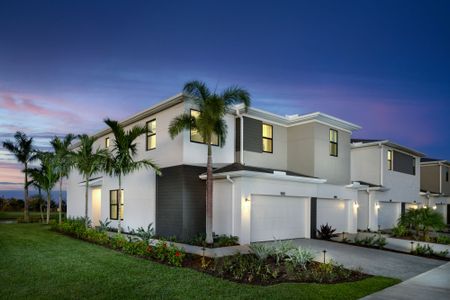
















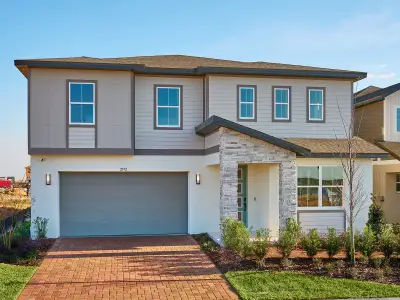
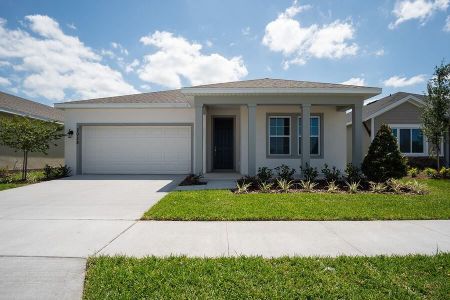
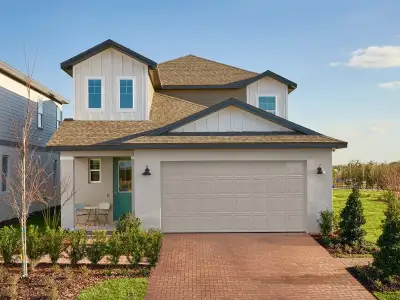
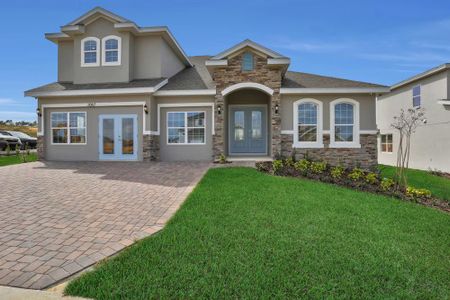

Real estate in Florida
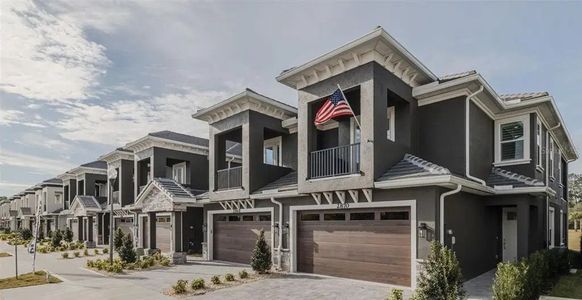
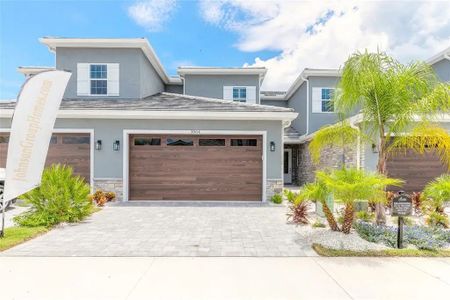
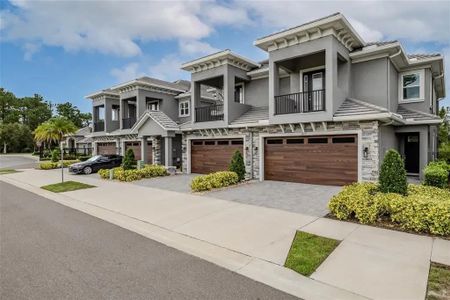
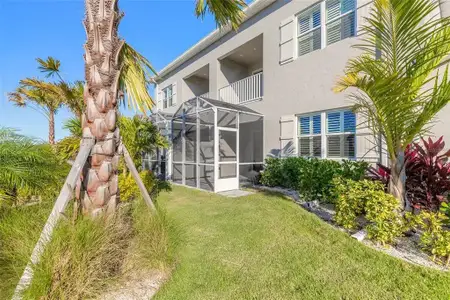
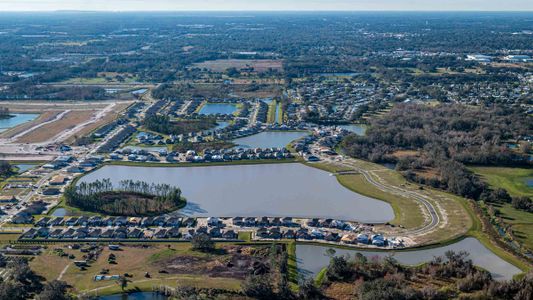
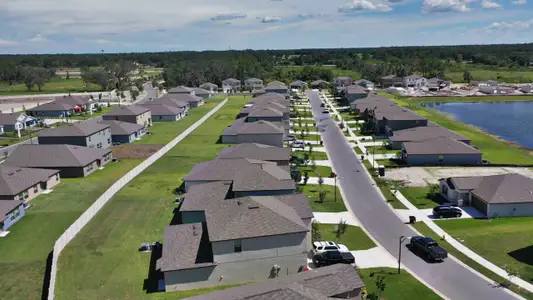
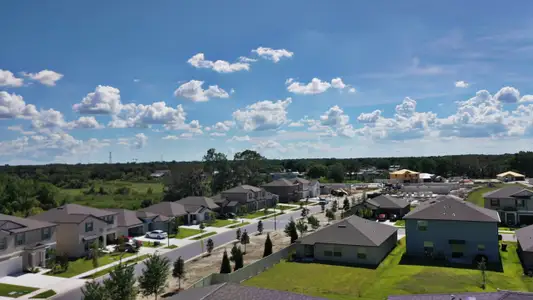
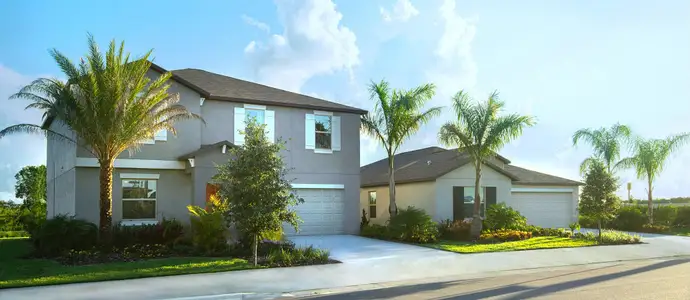
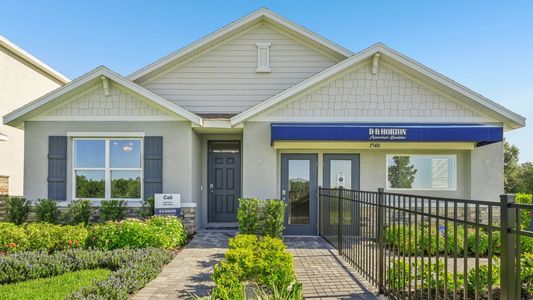
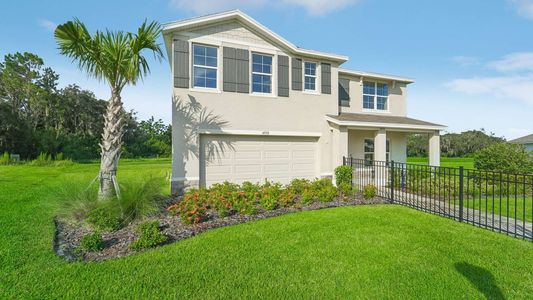
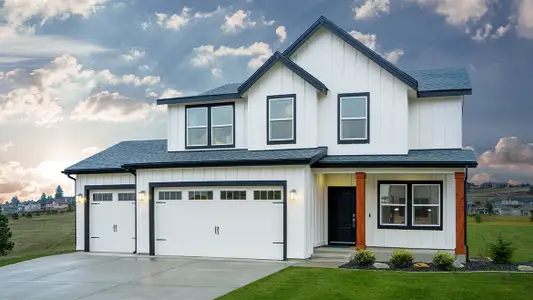
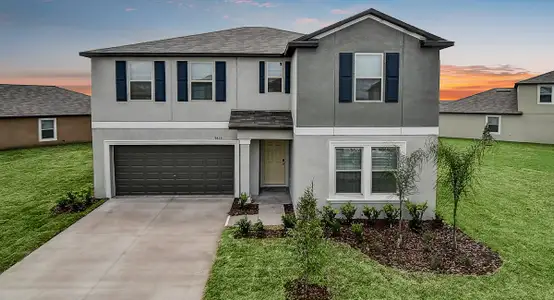
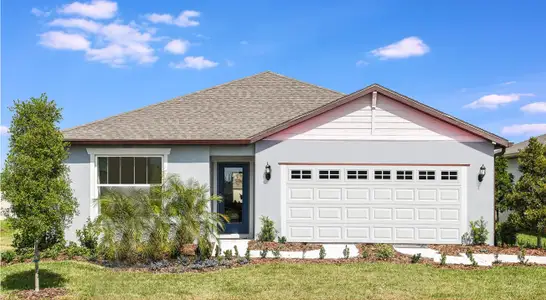
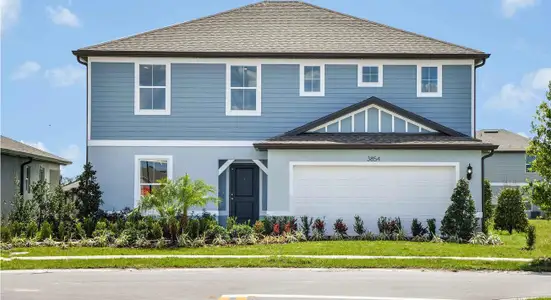
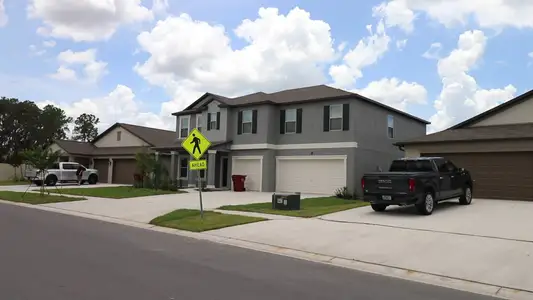
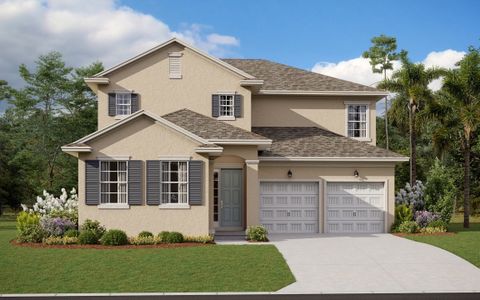
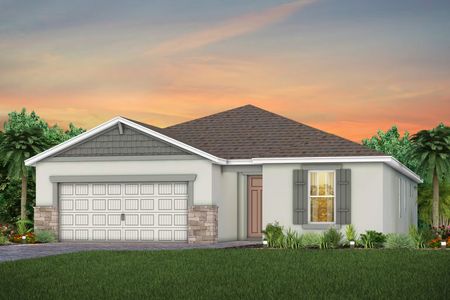
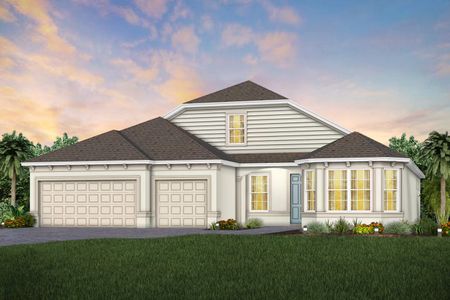
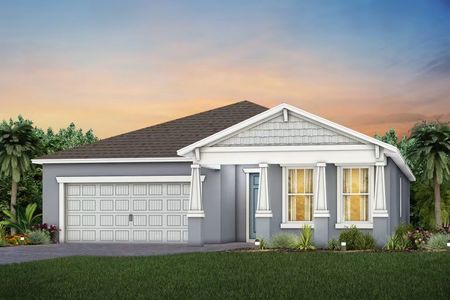
The Florida real estate market is booming. Florida home values increased by 81% in the last five years, and due to rapid population growth and the recent buying frenzy, there is a shortage of available inventory. Rising interest rates have slowed the market down slightly in recent months, but it is still a sellers' market. Analysts are closely watching the Florida market to see how significant the effect of the increased mortgage rates will be in 2023. Experts are not predicting a crash for the Florida real estate market but, instead, a significant slowdown with a soft landing.
Newly released communities
 Images coming soon
Southern Charm
by CJL Homes, Crestview, FL


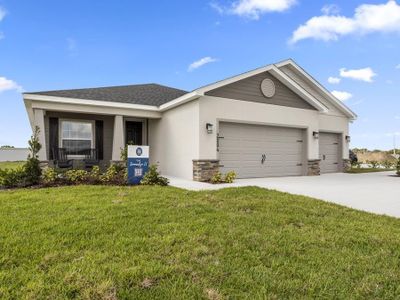

Recently listed homes
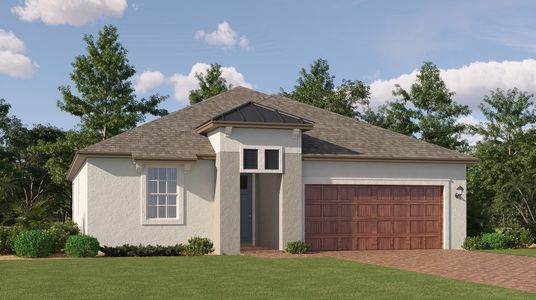
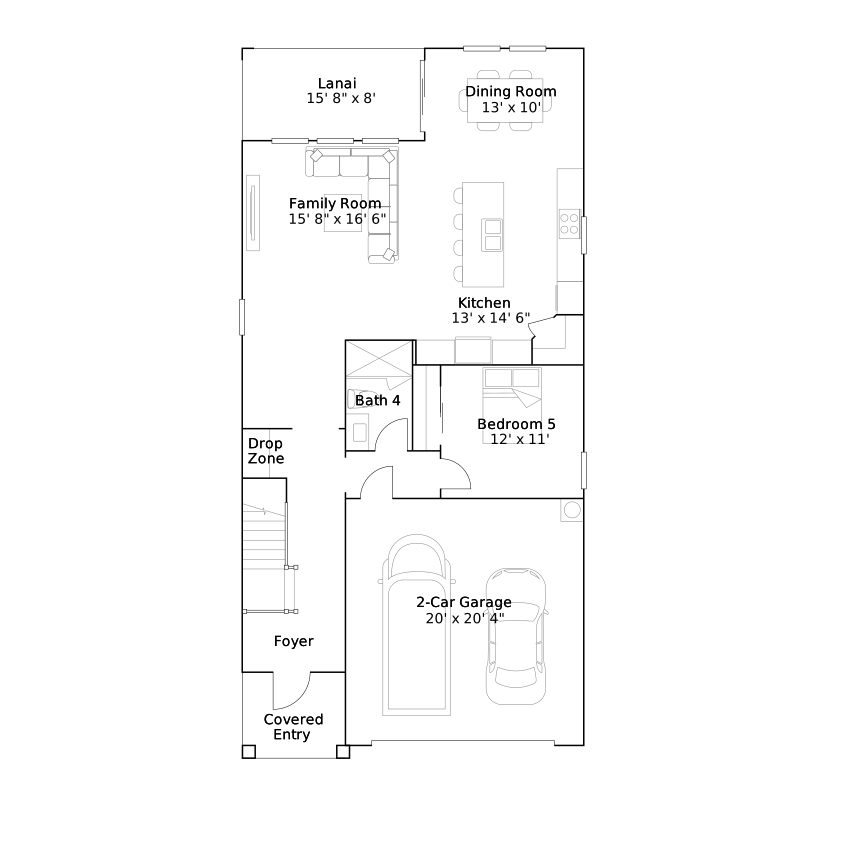
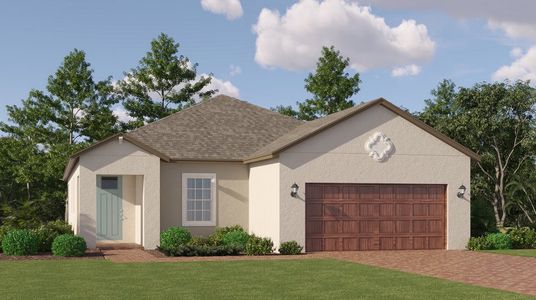
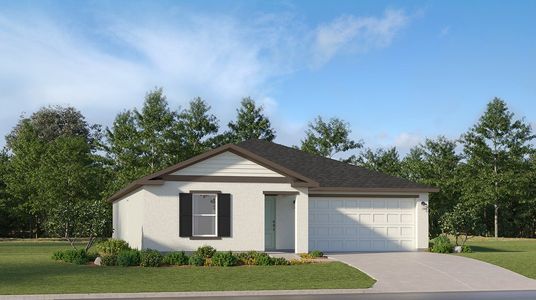
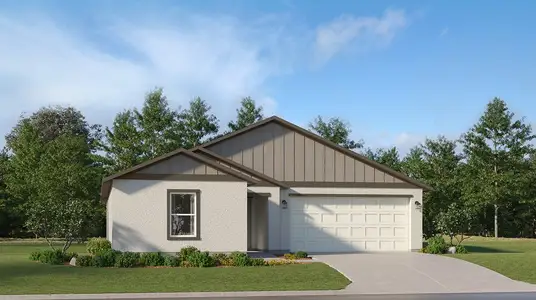
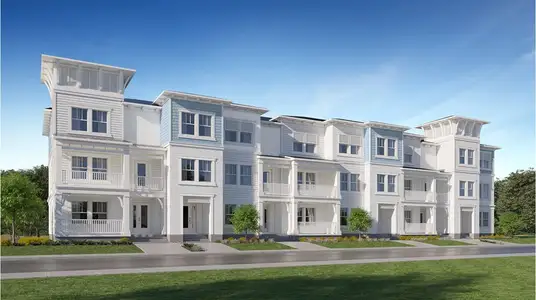
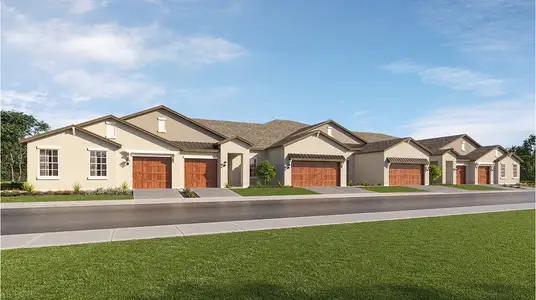
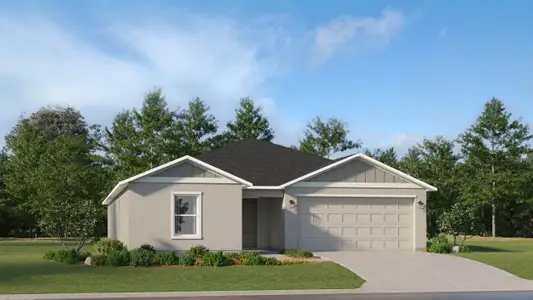
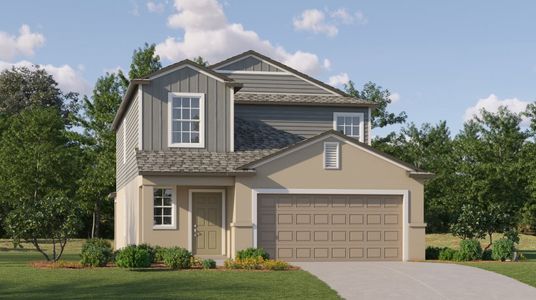
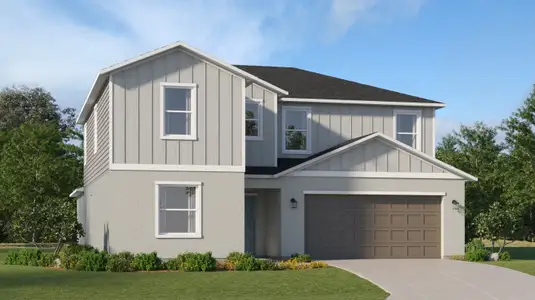
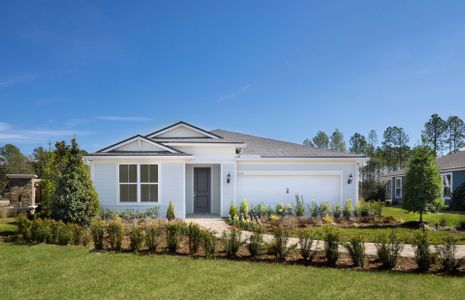
Recently published floor plans
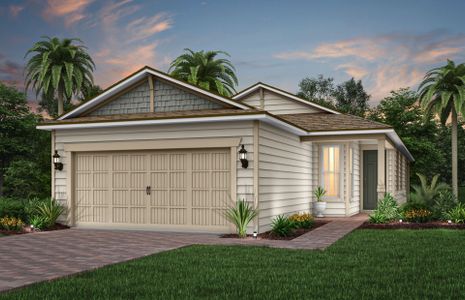
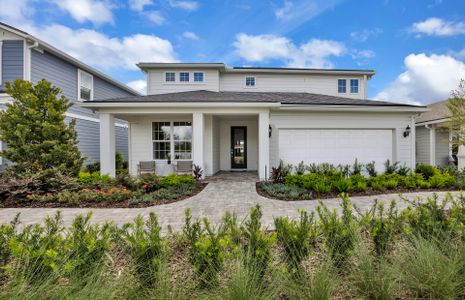
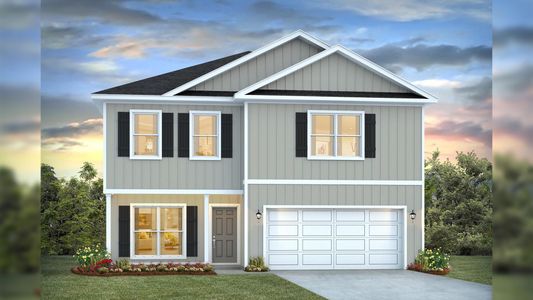
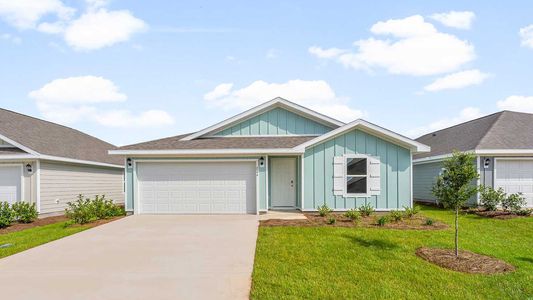
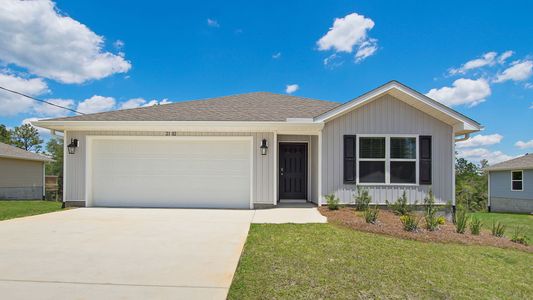
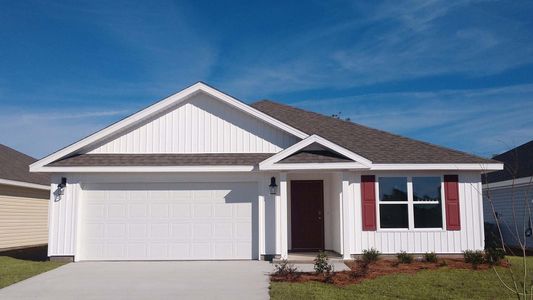
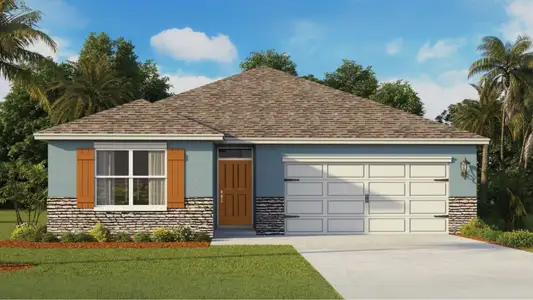
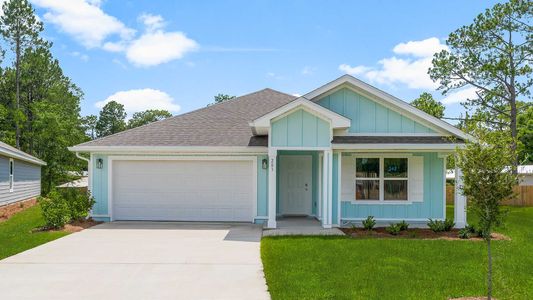
The most popular new construction builders in Florida










Want to learn more about new construction?
Frequently asked questions
What is the current median sale price for a property in Florida?
The Florida boasts a median sale price of $462,000 for properties, according to data from December 2025. This price point reflects the current market of 34222 new construction homes, brought to you by 323 reputable developers.
Who are the major developers of new construction homes in Florida?
The landscape of new homes in Florida is shaped by the work of D.R. Horton, Lennar, Adams Homes, Pulte Homes and Maronda Homes. These developers offer a range of new construction options across the area.