
Jacksonville Metropolitan Area new construction market: prices, trends, guides & homes as of December 2025
About Jacksonville Metropolitan Area
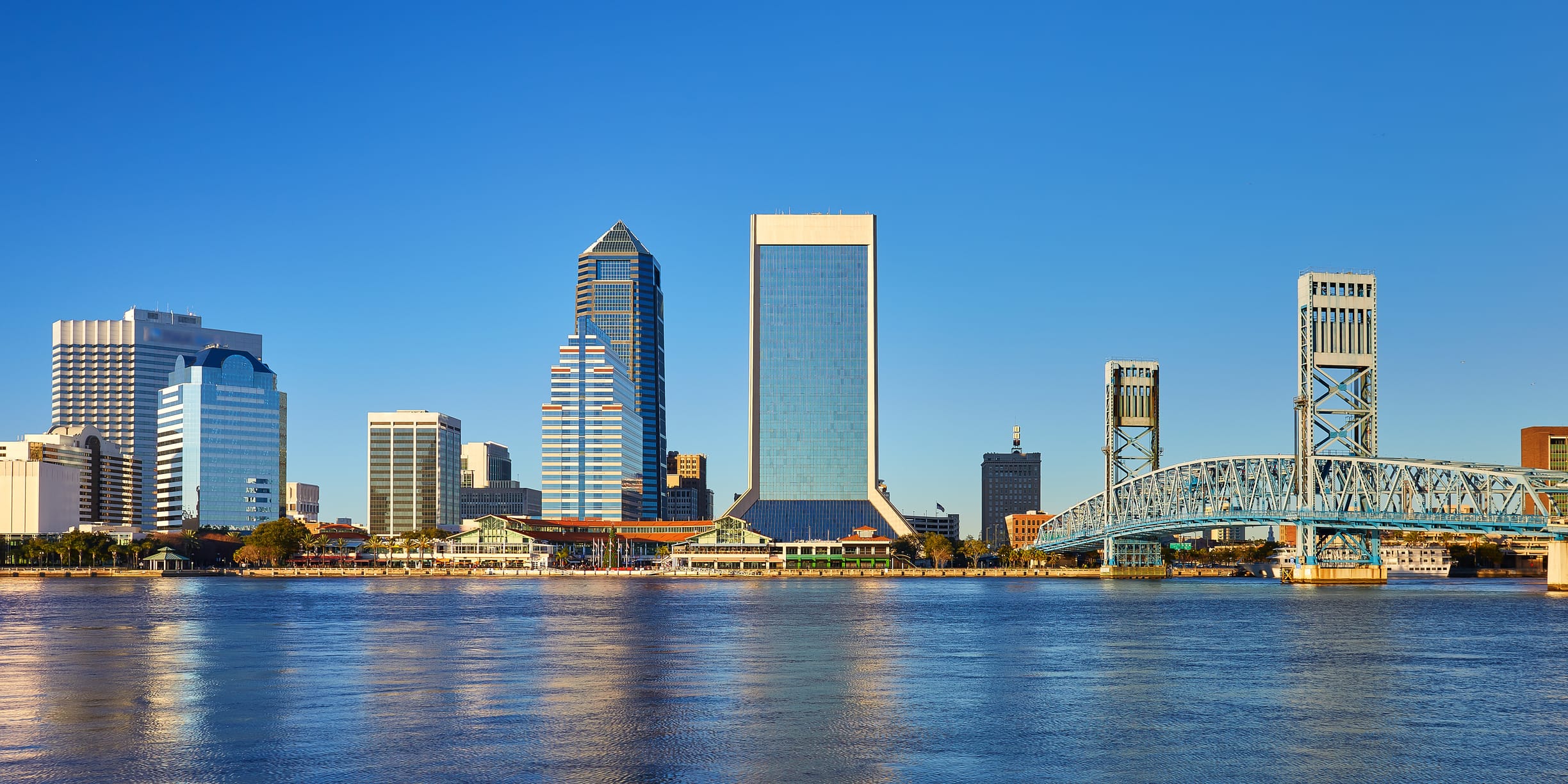
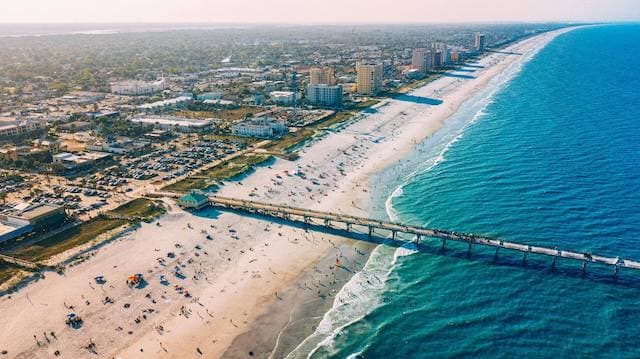
Known as the "River City," Jacksonville is perfectly positioned on the Atlantic coastline, with the St. Johns River running through the area. Offering a unique blend of natural beauty and urban lifestyle, it's no surprise that Jacksonville's population is growing rapidly. With an expanding job market, great weather, and an affordable cost of living, Jacksonville is ranked among the best places to live in the country. The Jacksonville metropolitan area is located in northeast Florida, spanning five counties. It has a population of 1.6 million people. The average age of the population of Jacksonville is the youngest in Florida, with over 60% of households having children. The city of Jacksonville is a large commercial and financial center where modern skyscrapers line a well-defined downtown and waterfront area from which the city spreads in all directions. One of the key reasons people are moving to Jacksonville is to take advantage of its growing job market, which offers a diverse array of opportunities in various industries. The Jacksonville job market has grown by 12.9 percent over the last ten years, a rate higher than most other cities in the U.S. From banking and finance to healthcare, education, and hospitality, there is a job for just about any career path here in Jacksonville.
How are new home prices changing in Jacksonville, FL?
Home price data reflects current listings in Jacksonville Metropolitan Area, Florida, sourced from Jome and updated regularly
*Based on Jome markets

Get free consultation with Jacksonville Metropolitan Area expert
Get a free, no-pressure consultation with our top Jacksonville Metropolitan Area new-construction expert. They know every major builder, the best deals and incentives, and exactly what's happening in the local new-construction market.
Jacksonville Metropolitan Area market overview
- Overall inventory3,923
- Single-family inventory3,395
- Townhouse inventory441
- Condo inventory23
- Multi-family inventory20
- Penthouse inventory0
- 1 bed inventory0
- 2 beds inventory238
- 3 beds inventory1,623
- 4+ beds inventory2,061
- Median home price$396,490
- Median sqft price$208.11
- Median 1 bed price$0
- Median 2 beds price$369,000
- Median 3 beds price$349,990
- Median 4+ beds price$439,990
- Min listing price$155,000
- Max listing price$12,000,000
- Min community price$179,990
- Max community price$2,649,000
Jacksonville Metropolitan Area median price change
| Month | Median price | Change |
|---|---|---|
| March 2025 | $388,990 | - |
| April 2025 | $388,995 | +0.00% |
| May 2025 | $384,500 | -1.16% |
| June 2025 | $380,990 | -0.91% |
| July 2025 | $389,990 | +2.36% |
| August 2025 | $392,990 | +0.77% |
What are the most popular buyers' searches?
What it's like to live in Jacksonville Metropolitan Area?
The Jacksonville Metropolitan Area operates as Florida's most affordable major metro, a distinction that attracts military families, corporate relocators, and retirees seeking coastal access without Miami prices or Orlando's theme park congestion. The metro's identity centers on military installations including Naval Station Mayport serving as a strategic East Coast homeport, Naval Air Station Jacksonville supporting maritime patrol operations, and Camp Blanding providing National Guard training facilities. These installations employ over 40,000 active-duty personnel and civilians, creating an economy where military service defines community character in ways that Orlando's tourism or Tampa's corporate operations never replicate. Beyond the bases, Jacksonville has diversified into logistics operations around JAXPORT handling millions of tons of cargo annually, healthcare anchored by Mayo Clinic's Florida campus, financial services including Fidelity National Financial and Deutsche Bank operations, and corporate headquarters that have discovered Jacksonville's combination of East Coast access and lower costs. The common thread is Jacksonville's position as the alternative Florida destination, where beach access comes without South Florida's traffic and housing costs, where the culture remains decidedly Southern rather than Latin-influenced, and where the trade-offs involve accepting a metro that lacks the glamour of Miami or the established reputation of Tampa while delivering genuine affordability that other Florida markets lost years ago.
Why Jacksonville attracts steady migration despite lower profile
The military infrastructure provides economic foundation that tourism or corporate markets can't match for stability. Naval Station Mayport functions as one of the Navy's most important East Coast surface ship homeports, with guided-missile destroyers, cruisers, and other vessels calling Mayport home. The base employs approximately 15,000 military and civilian personnel, with the homeported ships requiring constant maintenance, supply, and support operations that create permanent mission stability. Naval Air Station Jacksonville hosts maritime patrol squadrons, helicopter squadrons, and various support operations employing another 23,000-plus military and civilian workers. Camp Blanding northwest of Jacksonville serves Florida National Guard training, with seasonal population swells when units rotate through for exercises. The combined military presence approaches 40,000 direct employees, with defense contractors, veterans' services, and military-dependent businesses creating additional employment throughout the metro. This concentration doesn't fluctuate with economic cycles, providing bedrock stability for Jacksonville's housing market through recessions that devastate tourism-dependent markets.
JAXPORT's strategic position as a major East Coast port drives substantial logistics and distribution employment. The port handles automobiles, containers, bulk cargo, and increasingly serves as a cruise departure point. The deepwater access and intermodal connections create advantages over competing Southeast ports. Port operations employ thousands directly, while warehousing, trucking, logistics coordination, and customs brokerage create additional positions. Amazon operates multiple fulfillment centers throughout the metro, leveraging the logistics infrastructure and central Florida location for distribution throughout the Southeast. Major retailers and manufacturers maintain regional distribution operations, creating constant demand for warehouse managers, transportation coordinators, and supply chain specialists.
The healthcare sector has expanded substantially around Mayo Clinic's Jacksonville campus, which attracts patients regionally for complex cases while employing thousands of physicians, researchers, nurses, and administrators. Baptist Health System operates multiple facilities throughout the metro. UF Health Jacksonville provides academic medical center capabilities. The concentration of healthcare institutions creates employment for medical professionals at all levels while establishing Jacksonville's reputation for quality care that attracts both healthcare workers seeking career opportunities and retirees considering where they'll access medical services as they age.
The financial services sector concentrates operations including Fidelity National Financial's headquarters, Deutsche Bank's Jacksonville campus employing thousands in technology and operations, and Bank of America's significant presence. These corporate operations bring white-collar employment and higher salaries than military or logistics positions typically provide, contributing to the metro's economic diversity. Technology companies have discovered Jacksonville's combination of reasonable costs, East Coast location, and educated workforce, with firms including Black Knight and Web.com maintaining substantial operations.
The tax structure delivers immediate advantage. Florida collects zero state income tax, meaning a household earning $110,000 annually saves $4,500 to $8,500 compared to northeastern states or California. However, property insurance costs represent Florida's unique burden, with hurricane risk creating premiums that can equal or exceed monthly property tax payments in some coastal areas. The trade-off works differently than Texas where property taxes replace income tax transparently, as Florida's insurance crisis creates costs that vary dramatically by location and that can spike suddenly following hurricane seasons.
The cost of living represents Jacksonville's most compelling advantage within Florida, with housing costs running 35% to 50% below Miami and 20% to 35% below Tampa and Orlando for comparable properties. Quality new construction in solid Jacksonville suburbs ranges from $320,000 to $460,000, with beach communities commanding premiums from $480,000 to $750,000-plus. The metro offers affordability that other Florida markets lost during the pandemic-era appreciation, making Jacksonville the last major Florida metro where middle-class military families, teachers, and service workers can purchase new construction near beaches without extreme financial strain.
The climate delivers year-round warmth that attracts retirees and beach enthusiasts, though summer humidity rivals any coastal location. Temperatures remain above 60 degrees most winter days, with freezes extremely rare. Summers run hot and humid from May through September, with afternoon thunderstorms developing regularly. Hurricane season from June through November creates genuine risk, though Jacksonville's position on Florida's northeast coast means direct hits occur less frequently than South Florida or Gulf Coast locations. The city has experienced significant hurricane damage historically, most recently with Hurricane Irma's 2017 storm surge flooding downtown and Mathews' impact in 2016, demonstrating that the risk remains real despite lower frequency than more southern locations. The beaches, including Jacksonville Beach, Atlantic Beach, Neptune Beach, and Ponte Vedra Beach, create lifestyle appeal year-round, with water warm enough for swimming from April through October.
Understanding Jacksonville by buyer profile
Jacksonville's combination of military concentration, port operations, healthcare employment, and beach access creates buyer profiles distinct from other Florida metros, with new construction serving demographics that increasingly find Miami, Tampa, and Orlando financially inaccessible.
For Active-Duty Military Families Across Services: Naval Station Mayport and NAS Jacksonville create Jacksonville's most distinctive buyer segment, with Navy personnel from junior enlisted through senior officers purchasing homes using VA loans' zero down payment advantage. Junior enlisted families earning $48,000 to $70,000 including base pay and allowances can purchase townhomes and starter single-family homes from $260,000 to $320,000 in areas including Westside Jacksonville, Orange Park, and Middleburg offering 25 to 35-minute commutes to bases. Senior enlisted personnel and junior officers earning $75,000 to $120,000 target single-family homes from $330,000 to $480,000 in communities including Fleming Island, St. Augustine's southern reaches, and areas near the beaches offering quality schools and military-friendly neighborhoods. Field-grade officers and senior enlisted approaching retirement often purchase in the $450,000 to $650,000 range in Ponte Vedra Beach, St. Johns County, or established beach communities, anticipating transition to civilian employment while remaining in the area. Military buyers prioritize locations offering reasonable commutes to both Mayport and NAS Jacksonville, as orders can shift between installations while remaining stationed in Jacksonville. They seek communities with other military families who understand deployment schedules, sea duty rotations, and the unique rhythms of Navy life including six-month deployments and underway periods. New construction appeals particularly to military buyers because VA loans don't require down payments, builder incentives can cover closing costs entirely, and new homes eliminate the maintenance emergencies that older properties create for spouses managing households alone during deployments.
For Military Retirees Establishing Florida Roots: Jacksonville attracts substantial military retiree settlement, with Navy veterans completing 20-plus year careers choosing to remain in the area for base access, military community connections, and Florida's combination of no income tax and year-round warmth. These buyers bring military retirement income averaging $25,000 to $65,000 annually depending on rank and years of service, often supplement with civilian employment, VA disability payments, or part-time work, and value Jacksonville's combination of commissary and exchange privileges at bases, affordable housing compared to other Florida metros, and beach access at prices below South Florida alternatives. Military retirees concentrate in areas including Fleming Island, Orange Park, St. Augustine, and communities near the beaches offering single-story layouts and military community presence. They seek ranch-style homes accommodating aging without stairs, communities with lawn maintenance services, and proximity to base medical facilities they retain access to through retirement. Price points range from $300,000 to $520,000, with many purchasing using proceeds from selling homes in expensive duty station locations including Virginia Beach, San Diego, or Hawaii, allowing cash purchases or substantial down payments. The zero income tax becomes particularly valuable for retirees with military pensions and investment income, creating savings of $3,000 to $7,000 annually versus states taxing retirement income.
For Port Operations and Logistics Workers: JAXPORT and the surrounding distribution infrastructure employ workers ranging from longshoremen and crane operators to logistics coordinators and supply chain managers. These buyers prioritize proximity to port facilities and distribution centers concentrated in Northside Jacksonville, areas along I-95, and communities near the airport where Amazon and other major logistics operations cluster. New construction serves this demographic from $290,000 to $420,000, emphasizing practical layouts with garages for work vehicles and tools, reasonable commutes to facilities often requiring shift work, and areas with other working-class families. Port and logistics work often involves irregular schedules including overnight shifts and weekend rotations, making neighborhoods tolerant of 24/7 coming-and-going patterns important. Overtime opportunities create income variability, with buyers seeking affordable base payments that don't require maximum earnings to sustain. These workers provide essential infrastructure support that makes Jacksonville's economy function, maintaining steady employment even during economic downturns that affect corporate or tourism sectors more severely.
For Healthcare Professionals at Major Medical Centers: Mayo Clinic's Jacksonville campus creates concentrated demand from physicians, surgeons, researchers, nurses, and medical administrators working at what has become one of the metro's signature institutions. Established physicians and specialists at Mayo earn $220,000 to $500,000-plus depending on specialty, while nurses and medical technicians earn $65,000 to $100,000. Other healthcare systems including Baptist Health and UF Health Jacksonville employ additional thousands. Healthcare professionals often relocate from Mayo's other campuses in Minnesota or Arizona, from academic medical centers nationwide, or from smaller Florida markets seeking career advancement. They prioritize reasonable commutes to specific hospital campuses, with Mayo's location near the beaches creating demand in Ponte Vedra, Jacksonville Beach, and St. Johns County. Baptist facilities throughout the metro generate local demand in various submarkets. New construction serves this wide income range from $340,000 for nurses and technicians to $700,000-plus for established physicians. Healthcare workers value Jacksonville's combination of major medical center career opportunities and costs substantially below what comparable positions in Miami, San Francisco, or Boston would require for similar lifestyles, making Jacksonville increasingly attractive for medical recruitment despite lacking the prestige of those markets.
For Financial Services and Corporate Professionals: Deutsche Bank's Jacksonville operations, Fidelity National Financial headquarters, Bank of America campus, and various financial technology companies employ white-collar professionals earning $75,000 to $180,000 depending on seniority and specialization. These workers seek different neighborhoods than military families, often preferring areas including San Marco, Riverside/Avondale, Ponte Vedra, and St. Johns County suburbs offering corporate professional environments and strong schools. New construction serves this demographic from $380,000 to $650,000, with buyers typically relocating from other financial centers including Charlotte, New York, or other bank operations and finding Jacksonville's costs reasonable despite insurance premiums that shock newcomers. They research flood risk and hurricane exposure more carefully than military buyers whose peer networks often provide informal intelligence about which areas flood and which don't, making agent expertise particularly valuable for corporate relocators without local connections.
For Growing Families Prioritizing Schools and Beach Access: School district quality drives decisions for families throughout Jacksonville's sprawling geography. St. Johns County schools consistently rank among Florida's top performers, creating intense demand in communities including Ponte Vedra, Nocatee, St. Augustine, and areas south toward Ponte Vedra Beach despite longer commutes to Jacksonville employment centers. Duval County Schools (serving Jacksonville proper) face challenges typical of large urban districts, though magnet schools and specific attendance zones offer quality options requiring careful research. Clay County including Fleming Island and Orange Park maintains solid reputations at lower costs than St. Johns. Nassau County north toward Fernandina Beach serves families seeking small-town character. Families prioritize specific school attendance zones over square footage, accepting 2,300 square foot homes in top St. Johns County schools over 3,000 square foot alternatives in weaker districts. The beach proximity creates additional appeal, with families willing to pay premiums for addresses allowing weekend beach access and the Florida lifestyle that originally attracted them. Price points range from $380,000 in solid Clay County areas to $650,000-plus in premium St. Johns County zones where top elementary schools and beach proximity command maximum premiums.
For Beach Lifestyle Seekers and Second-Home Buyers: Jacksonville's beaches attract buyers seeking year-round coastal living without South Florida's density, traffic, or price tags. Jacksonville Beach, Atlantic Beach, Neptune Beach, and Ponte Vedra Beach each offer distinct characters, from the younger bar-and-restaurant scene at Jacksonville Beach to Ponte Vedra's golf-oriented affluence. Primary residence buyers earning $110,000-plus purchase from $480,000 to $850,000 for properties offering beach access, often accepting smaller floor plans for location advantages. Second-home buyers from Georgia, the Carolinas, and southern states purchase properties generating rental income through platforms including Airbnb and VRBO while providing vacation use during select weeks, though regulations and HOA restrictions vary by community. Some retirees from cold-weather states purchase beach properties as future primary residences while renting them during working years. Beach property values typically withstand economic downturns better than inland areas, though hurricane risk and elevated insurance costs create ongoing expense considerations that beach premium pricing must justify.
For First-Time Buyers Finding Florida Affordability: Jacksonville represents the last major Florida metro offering genuine first-time buyer accessibility, with new construction townhomes from $240,000 and starter single-family homes from $280,000 available in workable locations. Young military couples, healthcare workers, teachers, and service industry workers earning $60,000 to $90,000 combined income can achieve homeownership in Jacksonville while comparable incomes get priced out of Miami, Tampa, and increasingly Orlando. These buyers maximize square footage over location, often purchasing 1,700 to 2,200 square foot homes offering space impossible at similar price points in other Florida metros. FHA loans with 3.5% down payments and VA loans with zero down requirements make new construction accessible when builders offer incentives covering closing costs. Many first-time buyers are young military families using VA benefits or healthcare workers at early career stages, starting families and seeking space rather than specific school districts that will matter more as children reach school age.
For Retirees Seeking Affordable Florida Living: Jacksonville attracts retirees from across the country seeking year-round warmth and beach access without the costs that Miami, Naples, or even Tampa command. The zero income tax benefits retirees living on Social Security, pensions, and investment distributions, creating thousands in annual savings versus higher-tax states. Military retirees represent a substantial subset, but civilian retirees from the Northeast, Midwest, and Georgia also choose Jacksonville for affordability combined with Florida's lifestyle appeal. They concentrate in age-restricted communities throughout the metro and beach areas offering single-story layouts, master-on-main configurations, and low-maintenance living. Price points range from $270,000 for modest active adult communities inland to $550,000 for premium beach-adjacent locations. Access to quality healthcare matters increasingly with age, with Mayo Clinic's presence and major hospital systems providing comprehensive care. The metro's large retiree and military veteran population creates community and services catering to older adults, easing the transition for retirees relocating from other states.
The real costs beyond your mortgage payment
Your actual monthly housing expense in Jacksonville extends beyond principal and interest, with Florida's insurance crisis and hurricane exposure creating costs that fundamentally differ from non-coastal markets and that can exceed property taxes in some locations.
- Property taxes in Florida run lower than most states despite funding local services without state income tax support. Duval County serving much of Jacksonville carries effective rates around 0.95% to 1.10% of assessed value when city, county, school district, and various districts combine. St. Johns County runs approximately 0.85% to 1.00%. Clay County sits around 0.95% to 1.10%. Nassau County carries rates near 0.90% to 1.05%. On a $400,000 home, annual property tax bills range from roughly $3,400 to $4,400. Florida's Save Our Homes amendment caps assessment increases at 3% annually for homesteaded properties, providing protection against rapid tax growth that benefits long-term owners but means recent buyers pay higher taxes than neighbors in identical homes purchased years earlier. The homestead exemption reduces assessed value by $50,000 for primary residences, providing meaningful relief. Additional exemptions exist for seniors, veterans, and disabled individuals.
- Sales tax across the metro ranges from 6.5% to 7.5%, with Florida collecting 6% and counties adding 0.5% to 1.5%. Jacksonville and surrounding areas typically carry 7% to 7.5% combined rates. This affects major purchases including vehicles, where a $46,000 SUV carries $3,220 to $3,450 in sales tax. Florida exempts groceries but taxes most other purchases, with the revenue helping offset the lack of state income tax.
- Homeowner's insurance represents Jacksonville's most dramatic and unpredictable housing cost, with Florida's insurance crisis creating premiums that shock buyers from other states and that can increase 30% to 60% annually following hurricane seasons. Annual premiums typically range from $2,800 to $6,500 for standard single-family homes depending on coverage levels, home value, distance from coast, construction type, roof age, and whether the property sits in high-risk wind zones. Beach properties and areas near St. Johns River face even higher premiums, sometimes reaching $7,000 to $11,000 annually for standard homes. Hurricane deductibles typically apply as percentage of dwelling value rather than flat amounts, meaning a $450,000 home might carry a $9,000 to $22,500 hurricane deductible (2% to 5% of value) that applies when named storms strike. Many national carriers including State Farm and Farmers have reduced Florida exposure or stopped writing new policies entirely, forcing buyers toward Citizens Property Insurance (Florida's insurer of last resort) or surplus lines carriers charging 40% to 100% higher premiums than standard market rates. New construction with concrete block construction, impact-resistant windows, and modern roof systems earns better rates, though "better" still means $3,200 to $5,000 annually in many cases. Roof age particularly affects rates, with insurers refusing coverage or charging extreme premiums for roofs over 15 years old, creating the reality that a $18,000 roof replacement becomes mandatory for insurance coverage regardless of actual roof condition.
- Flood insurance requirements affect a substantial percentage of Jacksonville properties given the metro's coastal location, river systems, and hurricane storm surge potential. Properties in FEMA-designated Special Flood Hazard Areas require separate flood policies when using mortgages, with costs ranging from $1,400 to $5,500 annually depending on elevation relative to base flood elevation, coverage limits, and specific zone designation. Hurricane storm surge can push water miles inland, creating flooding in areas that don't experience regular riverine flooding, as demonstrated during Hurricane Irma when downtown Jacksonville experienced significant inundation. The National Flood Insurance Program caps structure coverage at $250,000, forcing buyers of higher-value homes into private flood insurance market for additional coverage at premium costs. Prudent buyers purchase flood coverage even outside designated zones, adding another $900 to $2,200 annually for properties in moderate-risk areas. Flood and wind/hail insurance together often exceed property taxes in coastal locations.
- Utility costs favor new construction given Jacksonville's climate requiring air conditioning from April through October. JEA (Jacksonville Electric Authority) serves much of the metro with rates that have remained relatively stable. Summer electric bills represent significant expenses, with air conditioning running continuously from May through September fighting both temperature and humidity. Older homes with inadequate HVAC systems and poor moisture barriers can see summer bills exceeding $300 monthly for 2,500 square foot homes. New construction with modern insulation, properly sized HVAC systems with adequate dehumidification, and moisture management typically runs 30% to 40% lower for comparable square footage, though bills still reach $180 to $240 during peak summer. Natural gas availability varies by location, with many areas relying on electric water heating. Water and sewer costs have risen but remain moderate.
- HOA fees vary dramatically by community type and location. Standard inland single-family communities charge $50 to $140 monthly for basic services. Beach communities and master-planned developments including Nocatee with extensive amenities can reach $200 to $450 monthly, with some beach properties carrying $300 to $600 monthly for communities including pool maintenance, beach access, and extensive common areas. These fees represent permanent fixed costs that increase 4% to 7% annually. Buyers should verify whether HOA fees include hurricane-related special assessments that some communities levy following major storms to repair common area damage that insurance doesn't fully cover. The combined insurance burden—property insurance plus flood coverage plus high hurricane deductibles—creates ongoing costs that buyers from other states struggle to comprehend initially. A $400,000 home in a decent location might carry $4,500 annual property insurance, $2,200 flood insurance, and $3,600 annual property tax, totaling $10,300 annually or $858 monthly beyond just principal and interest. In comparison, a $400,000 home in Texas might carry $3,000 insurance plus $8,800 property tax totaling $11,800 (slightly higher), while an Arizona home at that price might carry $1,600 insurance plus $2,400 property tax totaling only $4,000. The Florida insurance crisis creates unique cost structures that require careful evaluation before purchasing.
What new construction delivers in hurricane territory
Choosing new construction in Jacksonville provides advantages specifically relevant to hurricane exposure, flood risk, extreme humidity, and the practical needs of military families and retirees who represent substantial buyer segments in the metro.
- Hurricane-Resistant Construction Meeting Current Standards: Post-Andrew building codes have strengthened substantially, with new Florida construction including features that older homes lack. Concrete block construction provides superior wind resistance compared to wood-frame homes common in other states, though either construction type must meet current wind load requirements. Hurricane straps secure roof trusses to walls using metal connectors that prevent roof separation during high winds. Impact-resistant windows and doors eliminate the need for storm shutters while protecting against flying debris that becomes projectile during hurricanes. Modern roof systems include enhanced attachment methods using additional fasteners and adhesives that reduce blow-off probability. Garage doors require wind-load ratings preventing failure when pressure builds inside structures. These features provide genuine protection during tropical systems while earning insurance discounts of 15% to 30% that compound over ownership. New construction built to current code significantly outperforms older homes during hurricanes, reducing both physical damage and insurance costs.
- Flood Elevation and Drainage Engineering: Current Florida development faces strict requirements regarding finished floor elevation relative to base flood elevation. Many builders now elevate homes one to two feet above minimum requirements, substantially reducing flood insurance costs while providing additional storm surge protection. Modern communities include sophisticated stormwater management systems with retention ponds and drainage infrastructure managing water during the heavy rain events that accompany hurricanes and summer thunderstorms. French drain systems around foundations, proper lot grading directing water away from structures, and flood-resistant materials in lower levels all appear standard in new construction. These features don't eliminate flooding risk in Jacksonville's coastal and riverine environment, but they meaningfully reduce probability and severity compared to older homes built before current understanding of the metro's flood dynamics developed through painful experience during multiple hurricanes.
- Extreme Humidity and Moisture Management: Jacksonville's year-round humidity creates construction challenges that arid climates never face. New homes incorporate modern moisture barriers preventing the mold growth that plagues older Florida construction, creating both health concerns and expensive remediation. HVAC systems are sized with dehumidification capacity as important as cooling tonnage, recognizing that removing moisture matters as much as temperature control in Florida's climate. Vapor barriers, proper ventilation in attics, and materials resistant to moisture damage all appear in modern construction. The difference shows up in both utility costs and long-term maintenance, as homes that don't manage moisture properly deteriorate faster and create ongoing problems. Mold remediation in older Florida homes can cost $5,000 to $15,000 when moisture issues go unaddressed for years, making new construction's superior moisture management particularly valuable.
- Floor Plans Accommodating Military and Retiree Needs: Jacksonville's substantial military and retiree buyer populations create demand for specific layouts that builders incorporate. Single-story ranch layouts accommodate both aging retirees avoiding stairs and military families seeking practical spaces for children. Master suites positioned on main levels with flexibility for guest rooms or in-law suites address multi-generational living common in military families when parents stay during deployments. Home offices appear routinely for military personnel working from home and retirees managing finances and hobbies. Garage space accommodates vehicles plus storage for beach equipment, fishing gear, and the recreational items that Florida lifestyle attracts. Covered lanais with ceiling fans create outdoor living spaces usable year-round except during peak summer heat and rain.
- Modern Technology Infrastructure: Military personnel increasingly work remotely for portions of their assignments, requiring reliable home technology infrastructure for secure connections to base systems. Corporate relocators to Jacksonville's financial services and technology companies need strong internet throughout homes for hybrid work schedules. New construction includes structured wiring, electrical capacity for multiple computers and monitors, and spaces accommodating technology demands. Smart home systems integrate seamlessly when infrastructure is planned during construction. Security systems, which many buyers expect as standard, can be pre-wired rather than retrofitted.
- Comprehensive Warranty Protection in Challenging Climate: Florida's humidity, hurricane exposure, and extreme weather stress homes in ways that moderate climates don't, making warranty coverage particularly valuable. Foundation settling, HVAC failures during brutal humid summers when systems run continuously, moisture intrusion, and hurricane damage all appear more frequently than drier or temperate regions. Builder warranties covering structural issues for 10 years, major systems for 2 to 5 years, and workmanship for the first year eliminate risks that affect buyers of older homes without coverage. Given that many Jacksonville buyers are military personnel potentially facing deployments or retirees on fixed incomes unable to absorb unexpected major expenses, warranty protection provides both financial security and practical peace of mind.
How construction timelines work in hurricane-prone market
The timeline from contract signing to receiving keys in Jacksonville involves unique considerations created by hurricane season, extreme summer humidity, and the reality that tropical systems can halt construction for weeks when they threaten the area.
For inventory homes where construction has progressed substantially, closings typically happen within 50 to 95 days depending on remaining work and loan processing. Jacksonville-area permitting spans multiple jurisdictions with varying efficiency. Duval County and City of Jacksonville permitting have improved following growth-driven backlogs. St. Johns County generally maintains reasonable timelines though volume has increased with that county's rapid growth. Clay and Nassau Counties move efficiently given lower volumes. However, flood zone determinations, coastal construction requirements, and environmental reviews can extend permitting beyond typical approval processes. Final inspections must occur before closing, with scheduling sometimes delayed when hurricane preparations or recovery operations redirect inspection department resources.
For to-be-built homes where you're selecting lots before site work begins, realistic expectations run 9 to 13 months in most Jacksonville markets, longer than many inland metros due to weather disruptions and Florida's complex regulatory environment. Site preparation requires particular attention to drainage and flood considerations, taking 3 to 6 weeks depending on lot conditions and whether wetlands or environmental concerns affect development. Foundation work typically uses concrete slab construction appropriate for Florida's water table and soil conditions, taking 2 to 4 weeks. Framing and roof installation consume 7 to 12 weeks. Rough-in work for plumbing, electrical, and HVAC takes 4 to 5 weeks. Insulation, drywall, and interior finishing require 9 to 15 weeks. Final landscaping and punch list items add 2 to 4 weeks.
Hurricane season from June through November creates the most significant construction uncertainty. When tropical systems develop in the Atlantic or Gulf, builders secure job sites and halt work even when storms ultimately track away from Jacksonville. Direct hits or near-misses halt construction for weeks, not just during the storm but afterward when contractors prioritize emergency repairs and insurance restoration work over continuing new construction. Hurricane Irma's 2017 impact and Hurricane Matthew's 2016 strike demonstrated that even storms not making direct hits can create substantial damage and disruption throughout the metro. Buyers signing contracts during spring should understand that hurricane season may extend timelines regardless of builder performance, with the greatest risk from August through October when storms peak.
Summer heat and humidity affect construction productivity from May through September, though work continues with modified schedules. Afternoon thunderstorms develop almost daily during summer months, briefly halting exterior work and creating chronically damp conditions that slow progress. The combination of heat, humidity, and frequent rain makes Florida summer construction challenging compared to drier climates.
Winter provides the best construction weather, with mild temperatures, lower humidity, and less precipitation allowing steady progress. The optimal construction window runs November through April, meaning builders try concentrating weather-sensitive work during these months when possible.
Supply chain issues specific to Florida occasionally emerge. Hurricane-rated materials, impact-resistant products, and concrete supplies can face shortages following major storms when repair and rebuilding demand surges across the state. Insurance restoration work takes priority over new construction, creating delays when major hurricanes affect Florida even if Jacksonville avoids direct impact.
Jacksonville contracts must address hurricane delays while protecting buyers from indefinite extensions. Reasonable contracts might allow 45 to 60-day extensions for documented weather events including named tropical storms requiring site evacuation, flooding that inundates job sites, or hurricane damage to work in progress, while capping total weather-related delays at 90 to 120 days depending on contract start timing relative to hurricane season. Given Florida's weather realities, these allowances exceed what inland markets require but protect against builders using weather as indefinite excuse while recognizing genuine disruptions occur more frequently than most other metros. Negotiate builder notification requirements when delays occur and consider requesting remedies including daily penalties or cancellation rights if delays exceed caps, though builders resist these provisions given weather unpredictability.
The pre-closing walkthrough scheduled 4 to 6 days before closing represents your final opportunity to document issues before taking ownership. Pay particular attention to drainage and lot grading, verifying that water flows away from the foundation rather than pooling near the home. Check all windows and doors for proper sealing and operation, particularly impact-resistant windows that must seal properly to maintain wind ratings. Verify HVAC system performance thoroughly, testing both cooling and dehumidification by dropping thermostat settings substantially and ensuring system removes humidity effectively, not just cools air. Examine all plumbing connections carefully. Look for any signs of moisture intrusion, mold, or water damage that might indicate construction-phase issues. Verify that French drains and foundation drainage systems are complete and functional. Test garage door operation and wind rating if applicable. Document any issues with photos and detailed written descriptions. Problems identified during walkthrough become the builder's responsibility to address before closing or through detailed punch list with specific completion dates you approve before signing closing documents.
Financing in Jacksonville's insurance-affected market
New construction financing in Jacksonville requires understanding how hurricane insurance costs affect qualification, how VA loans dominate military-heavy markets, and how Florida's insurance crisis creates ongoing financial uncertainty that other markets don't experience.
Most production builders maintain preferred lender relationships with regional banks, credit unions, and national mortgage companies experienced with Florida's insurance requirements and VA loans. Jacksonville's military buyer concentration means lenders here process VA loans at high volumes, creating expertise that benefits military buyers. Using preferred lenders typically unlocks incentives including closing cost credits ranging from $5,500 to $14,000, appraisal fee waivers, and occasionally rate concessions. For VA buyers, these credits often cover closing costs entirely when combined with seller contributions, enabling true zero-out-of-pocket purchases. Compare at least three lenders to ensure competitive terms.
Florida's zero income tax creates qualification advantages for take-home pay calculations. However, Jacksonville's elevated insurance costs partially offset this benefit in ways that catch relocators unprepared. On a $380,000 home with approximately $320 monthly property tax, $350 monthly property insurance, and $185 monthly flood insurance, your total housing payment including principal, interest, taxes, and all required insurance might reach $3,150 monthly. This dramatically higher payment due to Florida-specific insurance costs reduces the loan amount you qualify for compared to states where insurance runs $150 monthly. Many lenders underestimate insurance costs during pre-qualification, using outdated Florida estimates or failing to include flood insurance, leading to qualification challenges when actual numbers appear during underwriting. Get accurate insurance quotes including both property and flood coverage for the specific property address before making offers, not after signing contracts when you've committed.
Flood zone determination affects financing fundamentally. Properties in Special Flood Hazard Areas require flood insurance when using federally-backed mortgages, with lenders including this cost in debt-to-income calculations. Elevation certificates showing finished floor height relative to base flood elevation determine exact premiums. Some buyers discover during closing that combined insurance costs exceed estimates by $150 to $300 monthly, creating qualification issues or payment shock. This happens frequently enough that Jacksonville-experienced agents emphasize early insurance quotes before contract signing.
Rate locks matter when construction timelines extend 9 to 13 months with hurricane season creating particular uncertainty. Some builders offer extended lock programs holding rates through construction, typically adding 0.25% to 0.375% to your rate. Other lenders provide float-down options for upfront fees of $950 to $1,650. Given Jacksonville's longer construction timelines and weather disruption probability, rate lock protection becomes valuable. If hurricane delays extend construction by three months and rates rise during that period, the financial impact can be substantial.
VA loans require zero down payment, with funding fees ranging from 1.4% to 3.6% of loan amount that can be financed rather than paid at closing. Disabled veterans are exempt from funding fees, creating substantial savings. VA loans use residual income requirements rather than traditional debt-to-income ratios, often allowing military buyers to qualify despite Florida's elevated insurance costs that would prevent approval under conventional standards.
Most Jacksonville lenders use single-close construction loans where financing converts automatically when construction completes. Verify your lender's structure and understand exactly when rate locks expire and how extensions work if hurricane delays push your closing date.
Down payment requirements range from 3% to 20% depending on loan type. Military buyers use VA loans with zero down. Corporate relocators often bring substantial down payments from selling properties in expensive markets. FHA loans require 3.5% down but include mortgage insurance adding to monthly costs. Conventional loans with 20% down avoid mortgage insurance while securing better rates.
Why specialized representation matters in Jacksonville's complex market
Jacksonville's combination of military buyer concentration, hurricane and flood risk, insurance complexity, and sprawling geography across multiple counties make specialized buyer representation essential for navigating new construction effectively and avoiding expensive mistakes.
Sales representatives at model homes work for builders with compensation tied to selling inventory at maximum prices with minimal concessions. They know their communities and basic VA loan requirements but provide no assistance comparing against competing builders, evaluating flood and hurricane risk, or protecting your interests during negotiations. In military-focused communities, these representatives understand VA basics but still represent the builder exclusively.
Independent buyer's agents represent your interests throughout the process. These professionals help identify which communities offer best value relative to your priorities, evaluate flood risk and hurricane exposure through elevation certificates and historical data, assess realistic insurance costs before contract signing, compare school district quality when relevant, evaluate commute times to specific bases or employment centers, and ensure contracts protect buyers from indefinite hurricane delays. Jacksonville's market requires agents with specific expertise in flood zone analysis, insurance cost estimation, military buyer needs, and understanding which areas have flooded historically during hurricanes versus those with better track records.
Agent compensation comes from builders through co-op commission, typically 2.5% to 3% of purchase price, meaning representation doesn't increase your cost. The value appears in avoided expensive mistakes that Jacksonville's market creates with particular frequency. Agents familiar with Jacksonville's hurricane history can identify properties that flooded during Irma or Matthew even when not in mapped flood zones, steering buyers away from problematic areas. They understand which builders properly address drainage and elevation versus those taking minimum-required approaches. They recognize insurance red flags including properties that will face coverage challenges or extreme premiums that make financing unworkable. They help military buyers understand which communities offer best resale potential when PCS orders inevitably arrive, as military families must always consider the next sale.
Jacksonville's geography spanning Duval, St. Johns, Clay, and Nassau Counties means regional expertise matters critically. A St. Johns County specialist understands that market's school quality and rapid appreciation but may have limited knowledge of Westside Jacksonville's military community dynamics or Clay County's value positioning. A beaches specialist understands Ponte Vedra's golf culture and Atlantic Beach's character but might not recognize Fleming Island's family appeal or understand commute realities to NAS Jacksonville. Ensure your representation has genuine expertise in the specific region, military buyer needs if applicable, and flood/hurricane risk assessment capabilities relevant to coastal Florida markets.
The contract review process represents where agent expertise delivers particular value for buyers unfamiliar with Florida real estate practices and Jacksonville's hurricane considerations. Purchase agreements often run 35 to 55 pages with builder-favorable terms. Experienced agents identify problematic clauses including vague completion timelines allowing indefinite hurricane delays, broad force majeure provisions, limited remedies for builder default, warranty limitations excluding hurricane or flood damage, and upgrade pricing structures that inflate costs. They negotiate modifications protecting you or ensure you understand exactly what risks you're accepting in a market where hurricanes regularly disrupt construction, where insurance costs can spike suddenly following major storms, and where flood risk affects property values perpetually, creating unique considerations that demand local expertise for successful navigation.
Where can I find new homes?
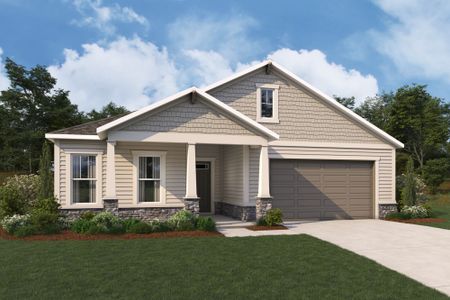
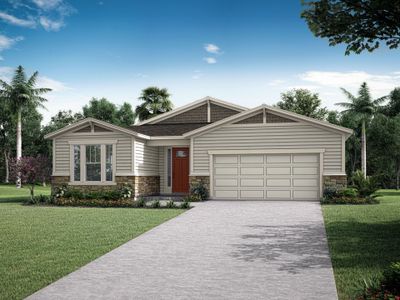
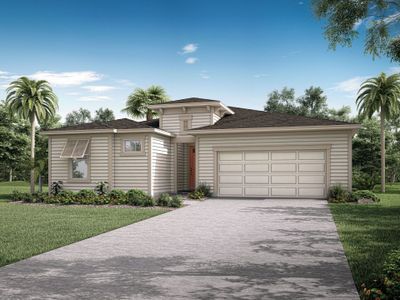
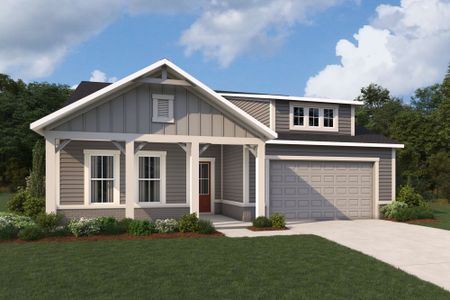
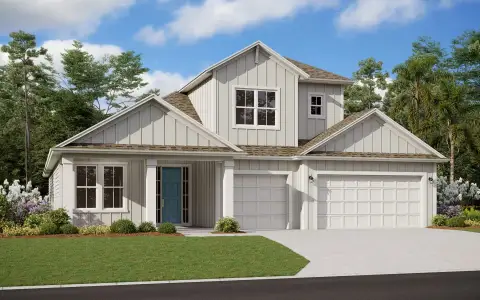
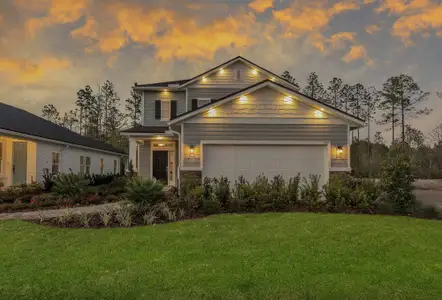
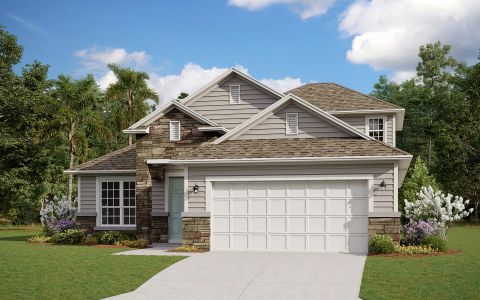
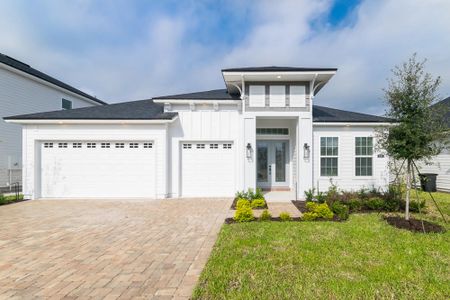
Browse currently available new construction homes, communities, and floor plans across the Jacksonville Metropolitan Area. All listings are updated daily with the latest inventory from builders. Browse all communities & new homes in Jacksonville Metropolitan Area
Top-rated new construction communities in Jacksonville Metropolitan Area


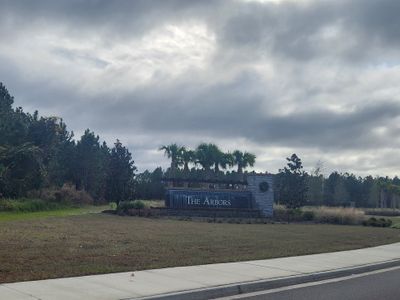

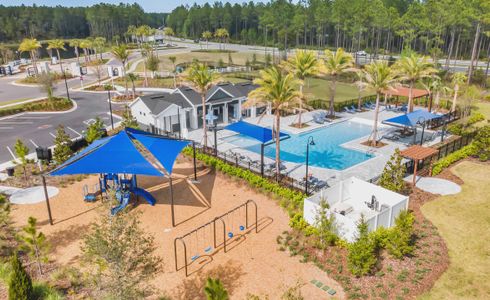
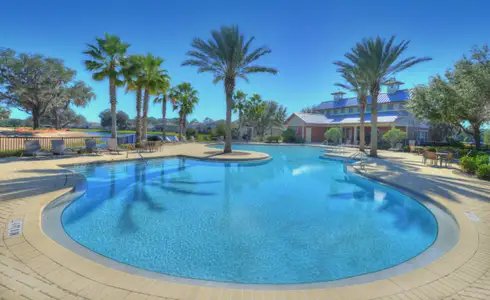
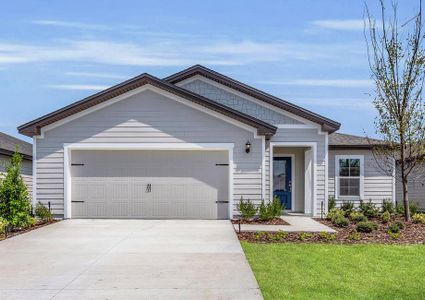
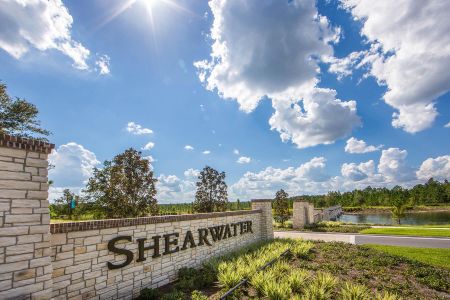
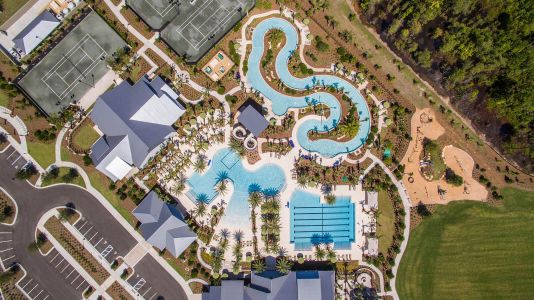
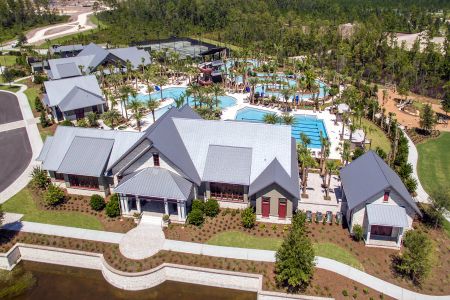
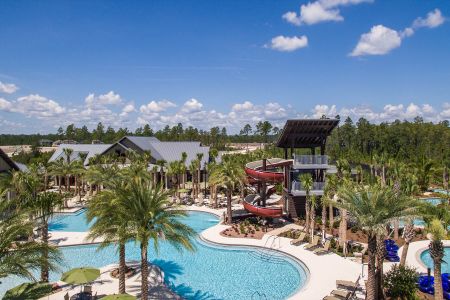
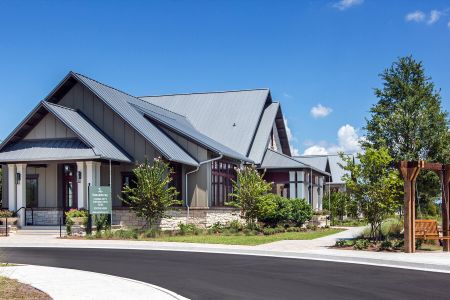
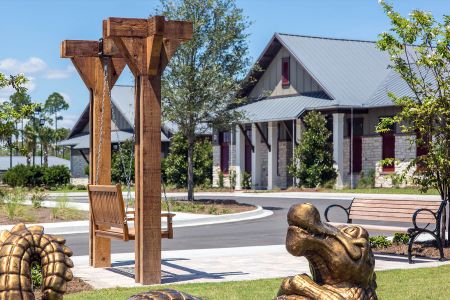
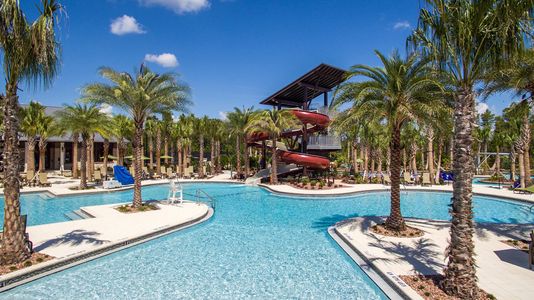
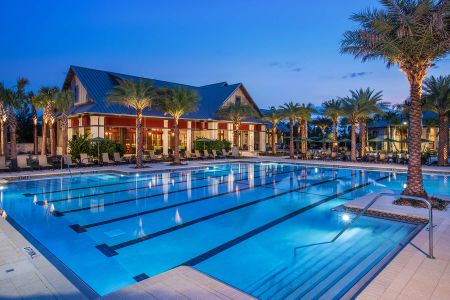
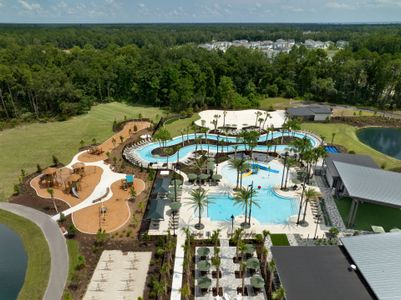
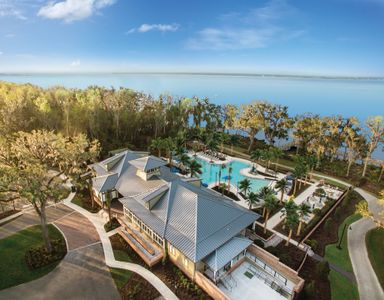
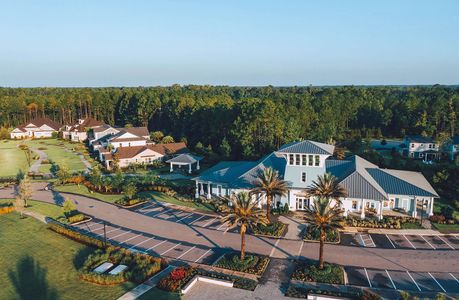
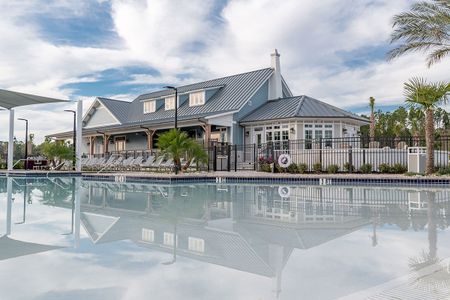
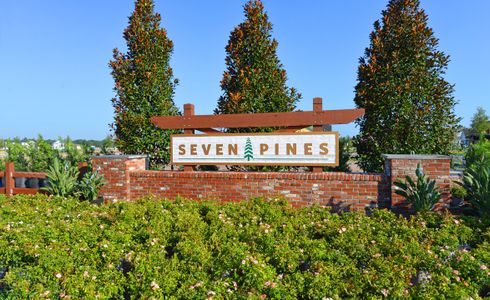
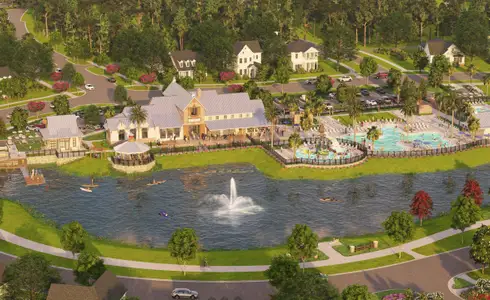
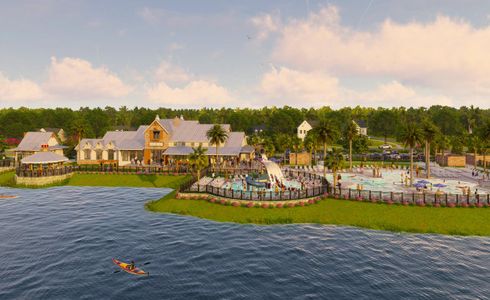
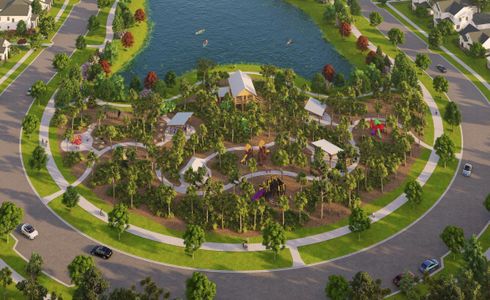
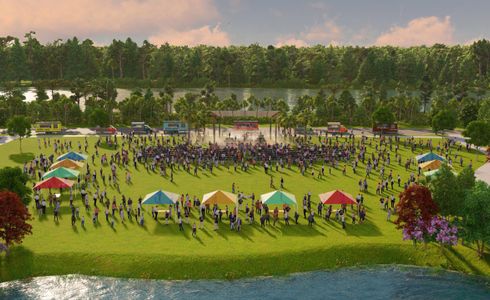
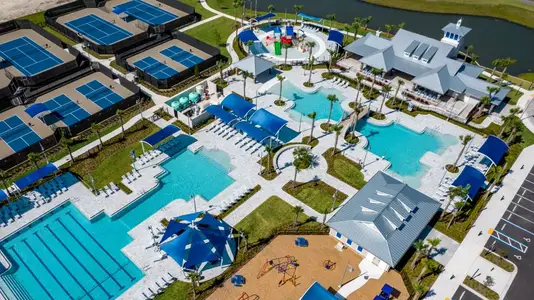
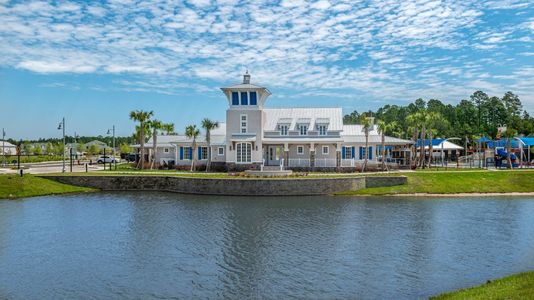
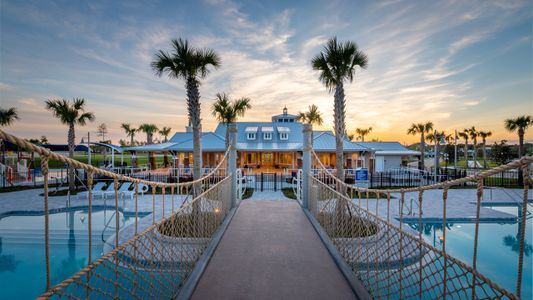
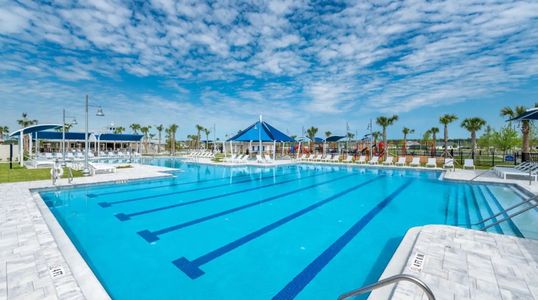
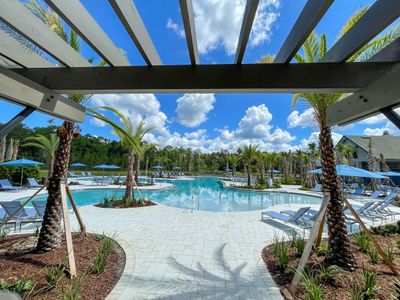
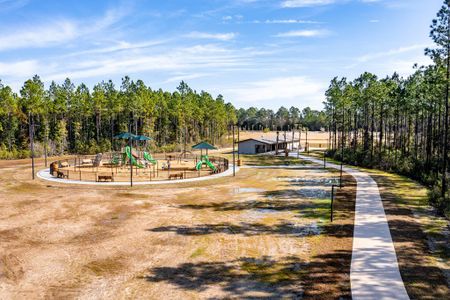
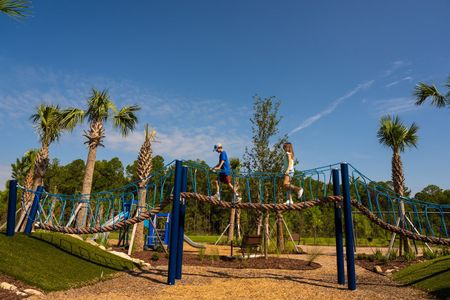
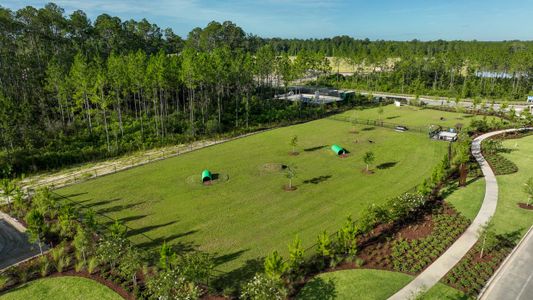
Master planned communities in Jacksonville Metropolitan Area
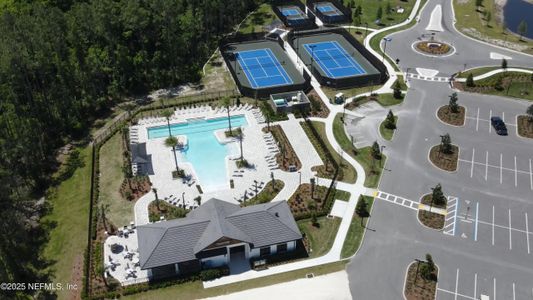
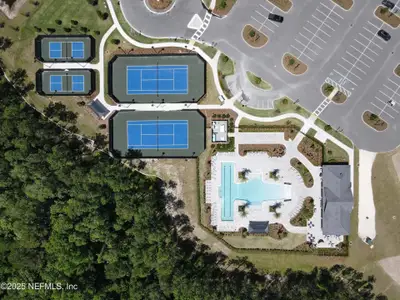
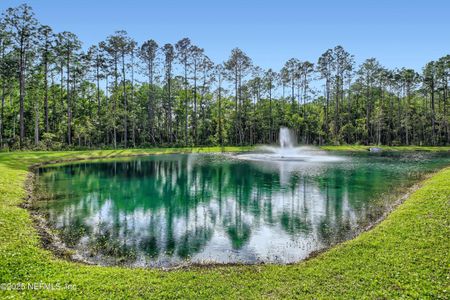
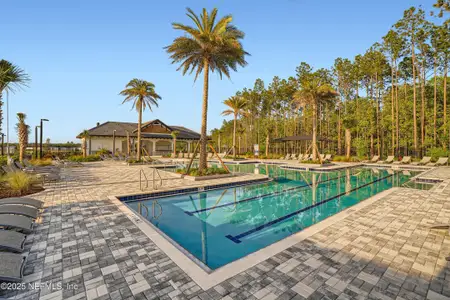
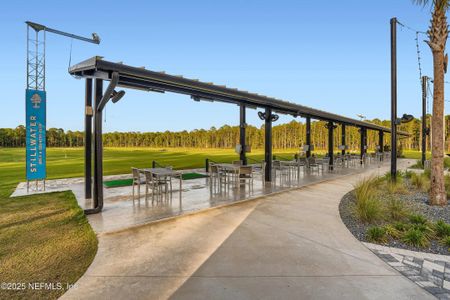
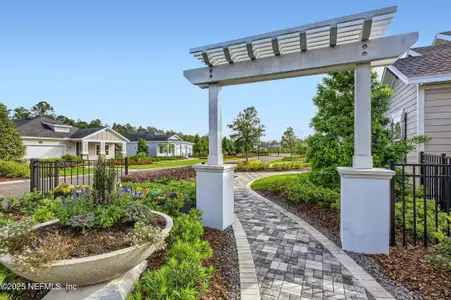
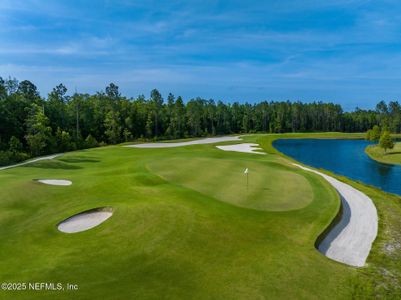
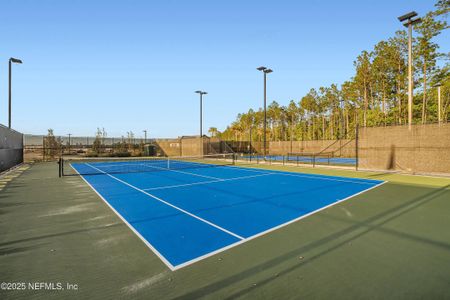
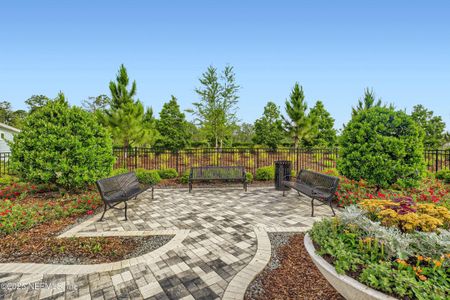
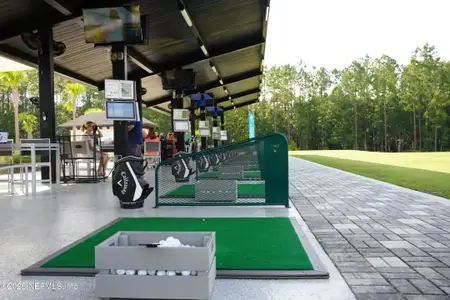
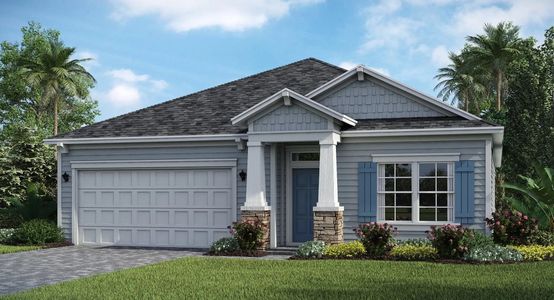
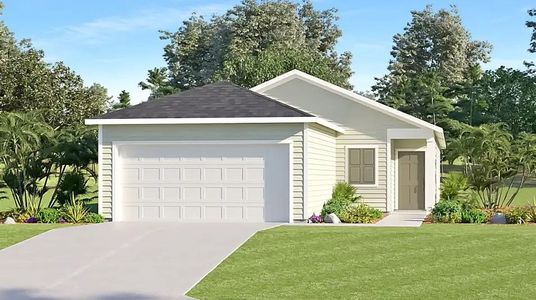
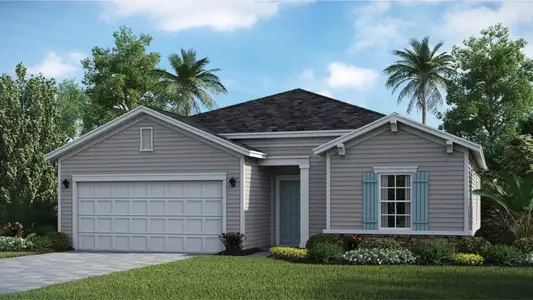
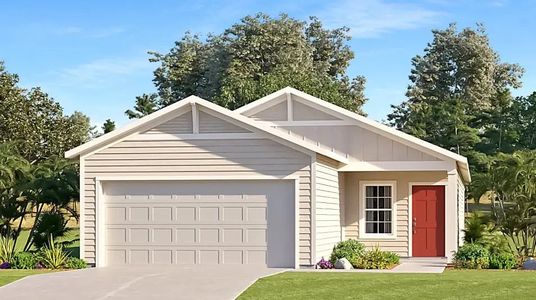
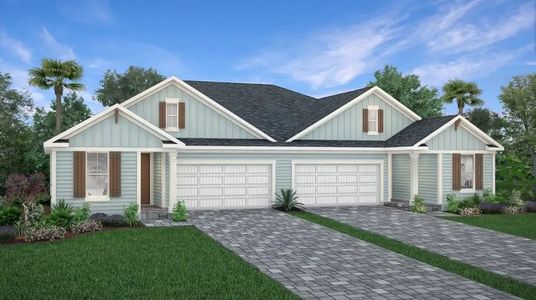
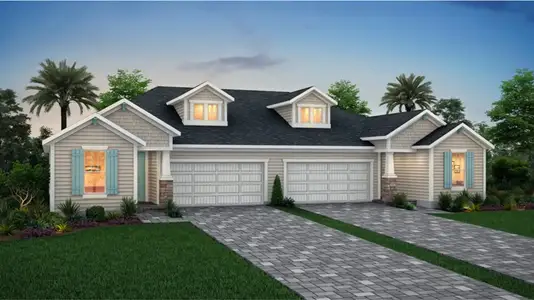
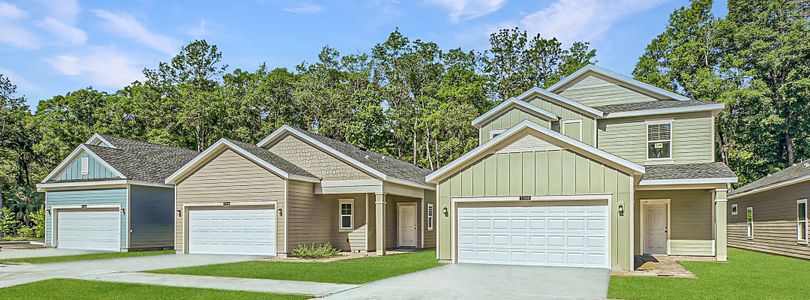
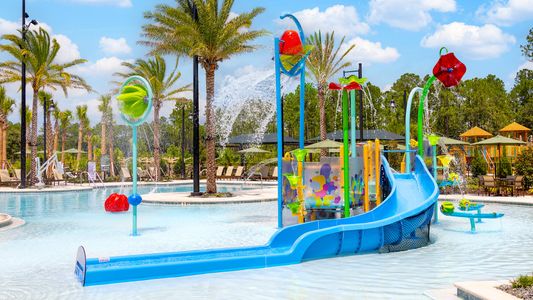
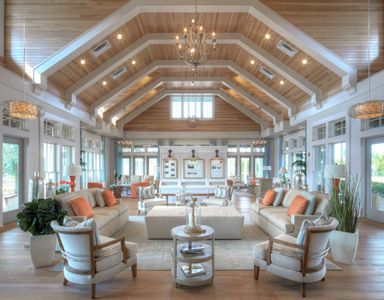
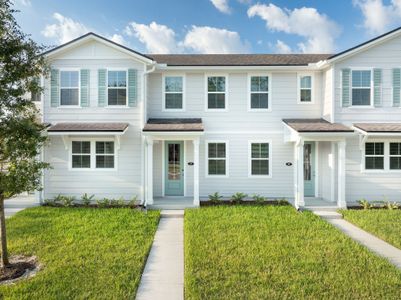
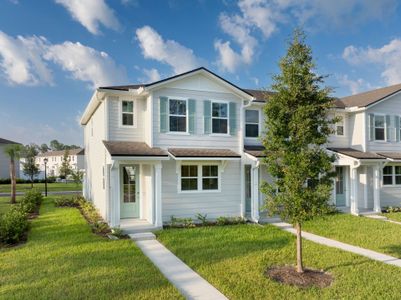
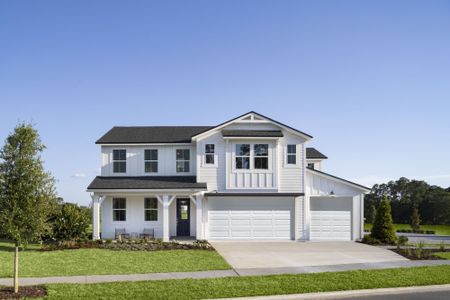
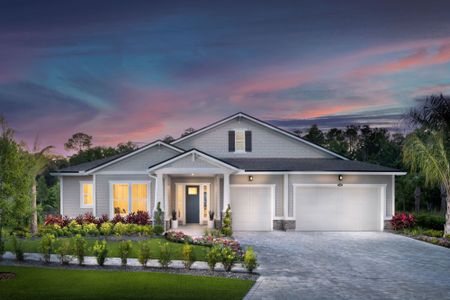
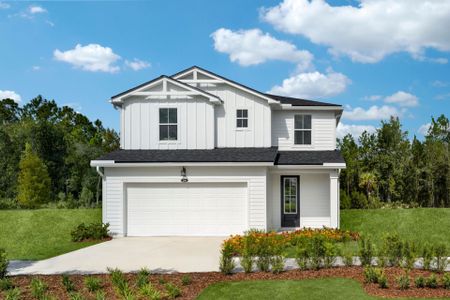
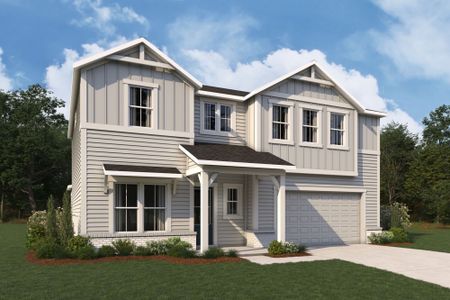
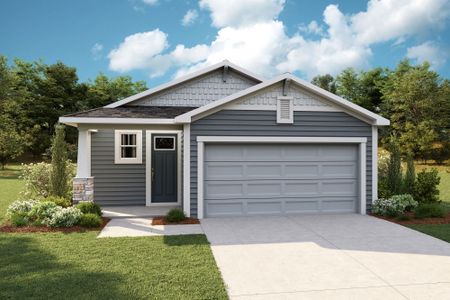
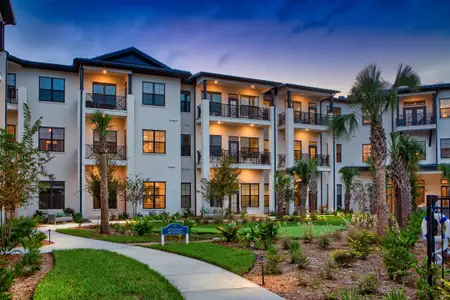


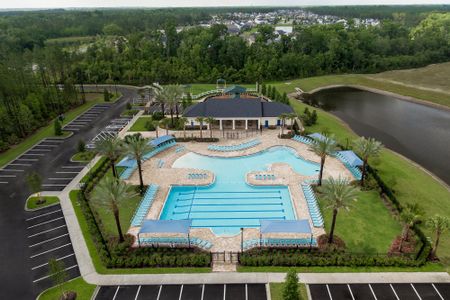
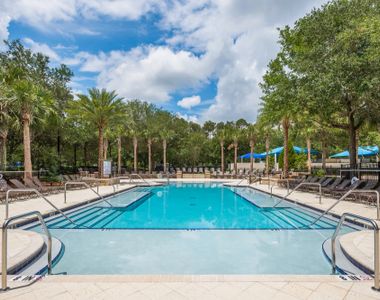


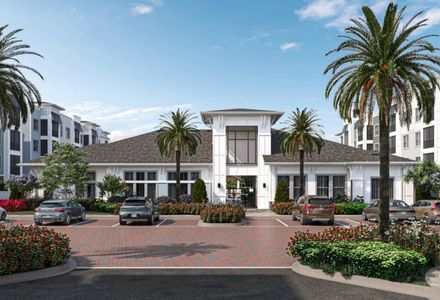

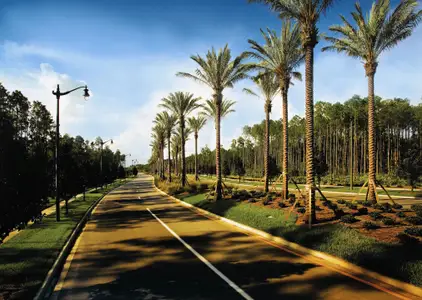

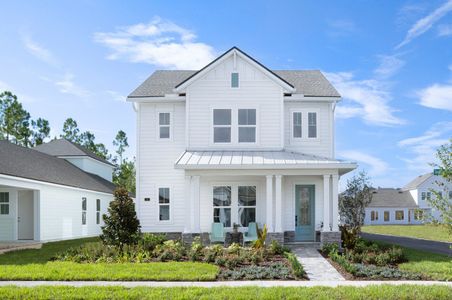


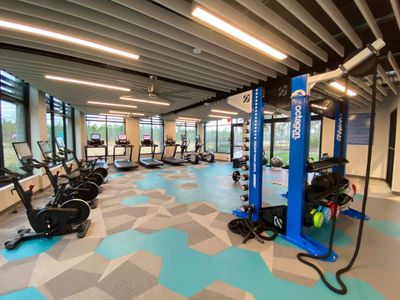
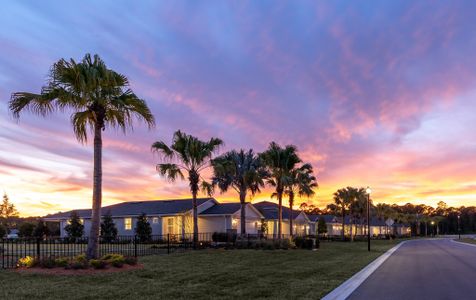
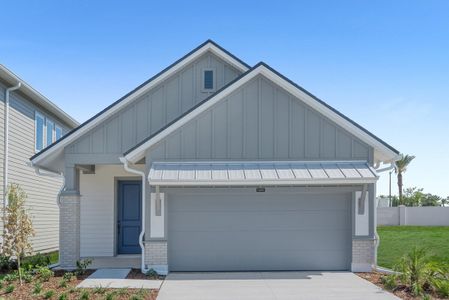
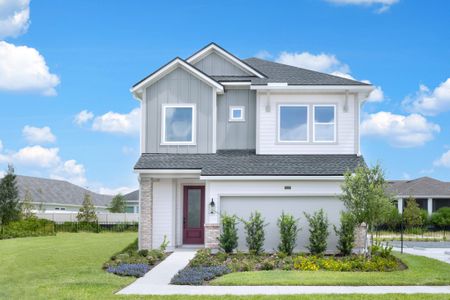
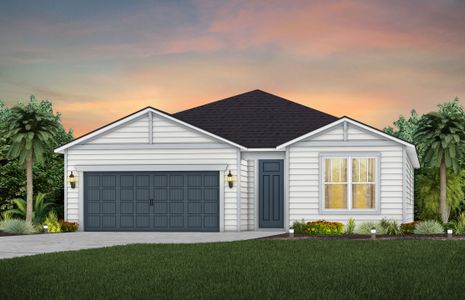
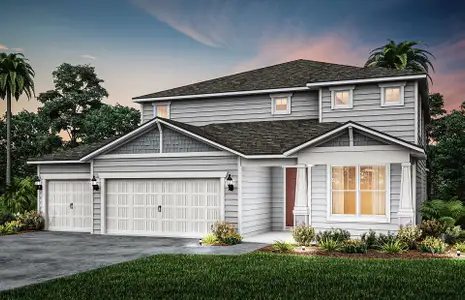
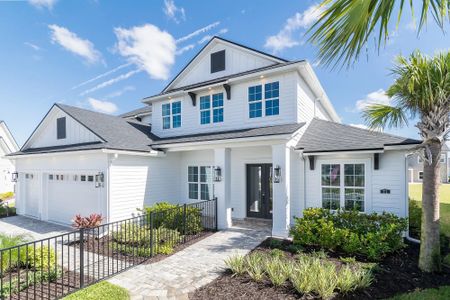
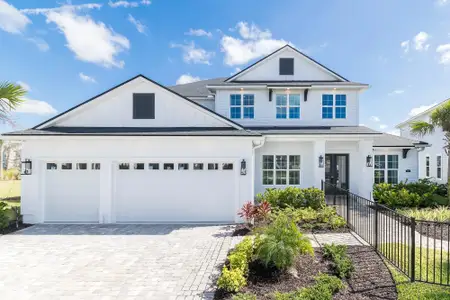
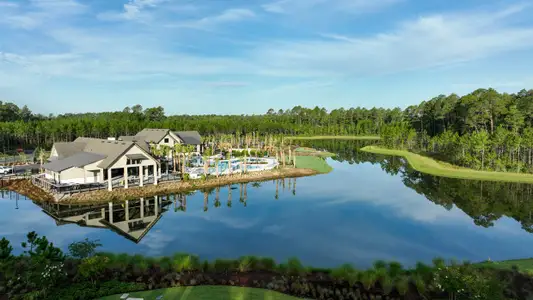
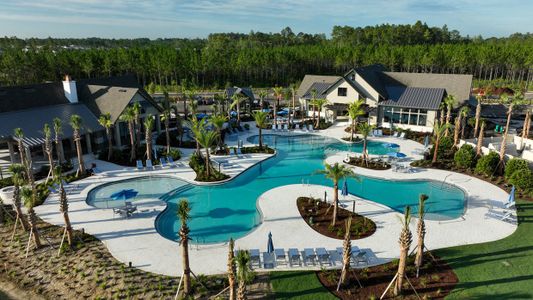


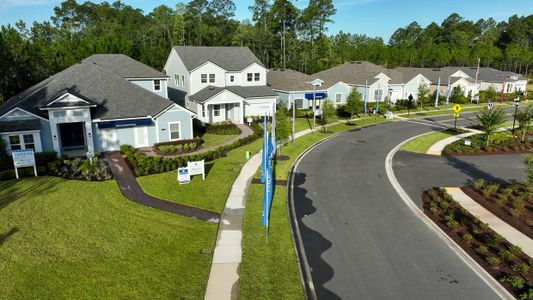
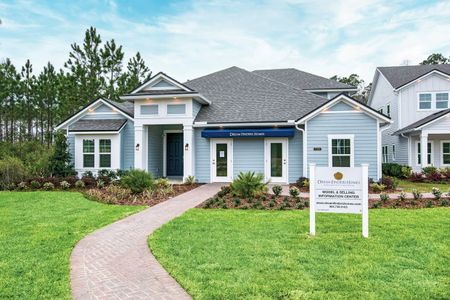
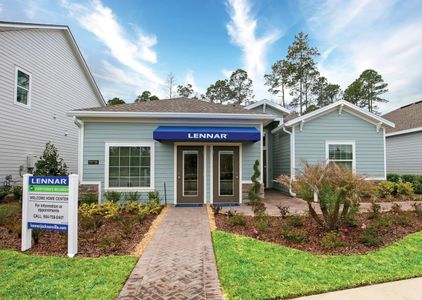
Browse communities & homes in Jacksonville Metropolitan Area cities
Real estate in Jacksonville Metropolitan Area
The Jacksonville metro area's real estate market saw huge gains over the last few years. The second half of 2022 has brought about a significant slowdown in the market due to interest rate rises and greater economic uncertainty, bringing the market back to a more balanced state. Experts anticipate a positive trend in the near future, and purchasing real estate in Jacksonville still appears to be a profitable investment.
Newly released communities
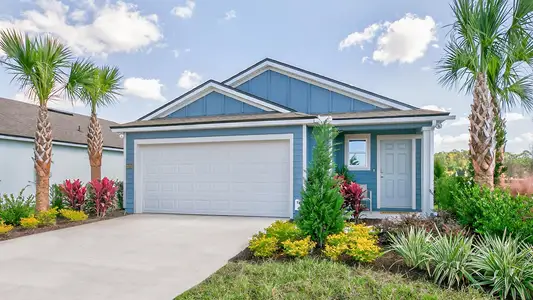
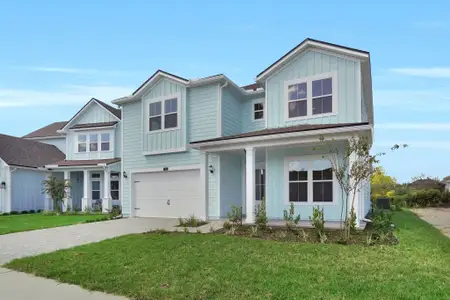
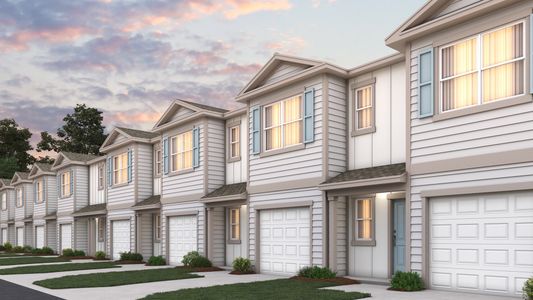
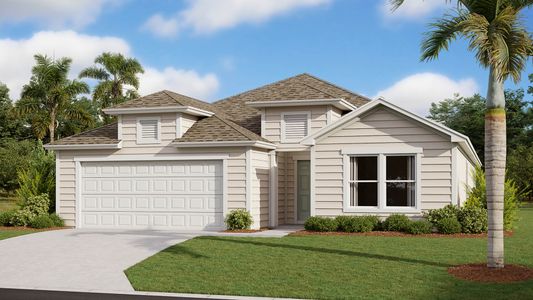
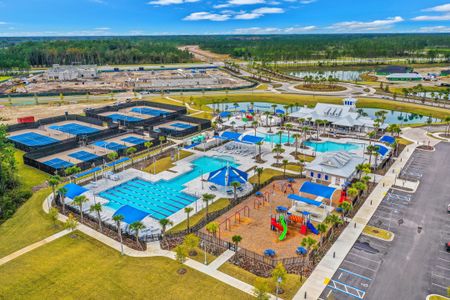

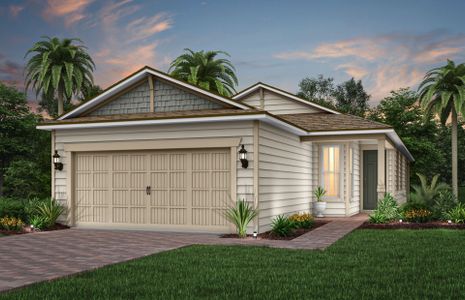
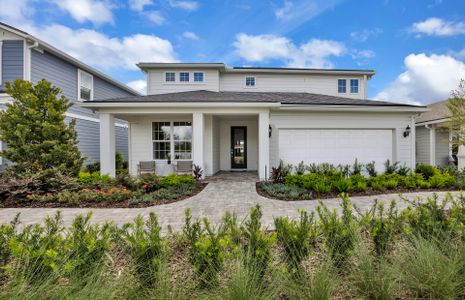
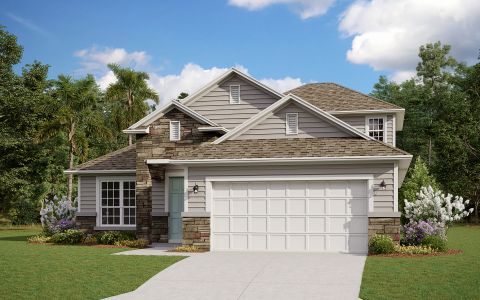
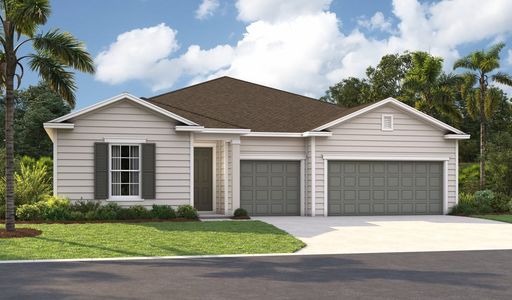
Recently listed homes
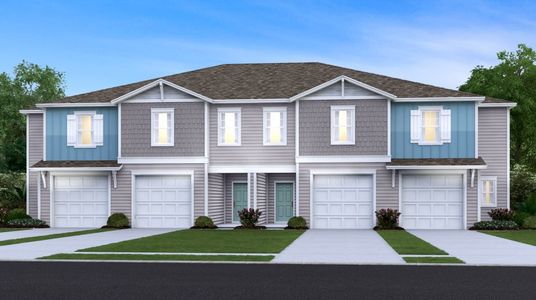

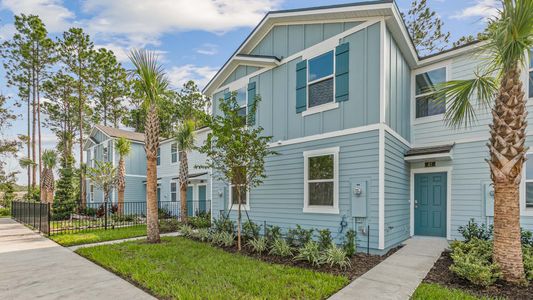

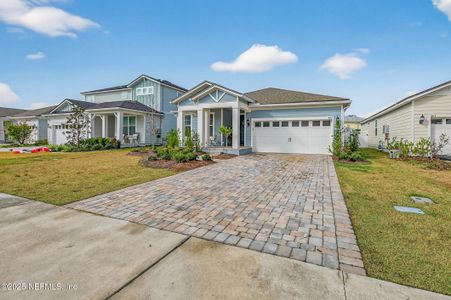
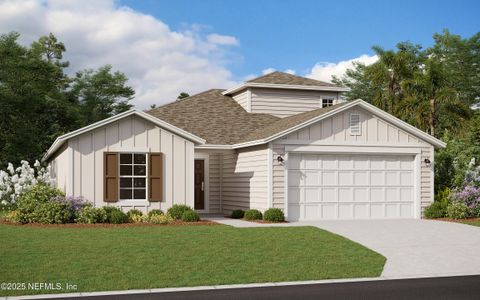

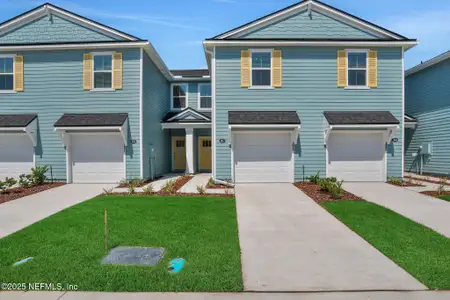
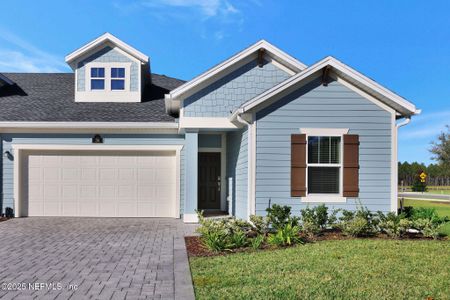
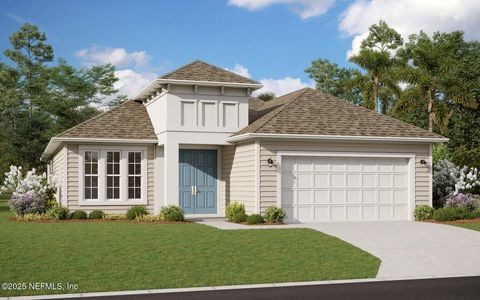
Recently published floor plans
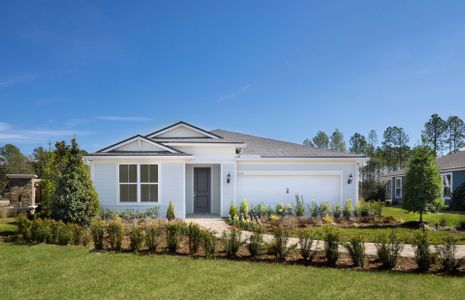
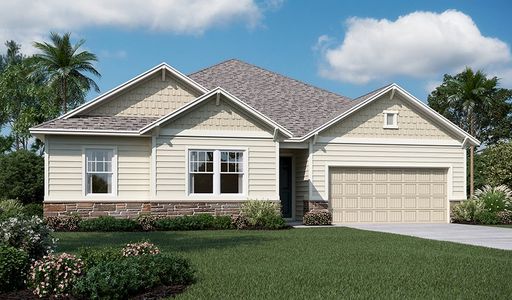
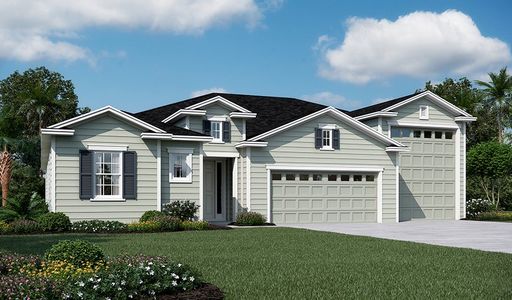
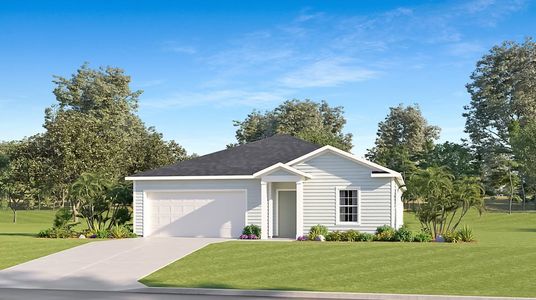
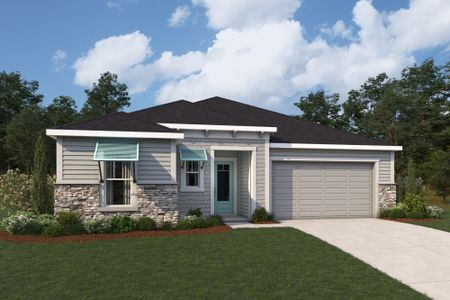
The most popular new construction builders in Jacksonville Metropolitan Area









How does Jacksonville, FL compare to other real estate markets in Florida?
 Greater Orlando Area7,659 homes95% more homes than in Jacksonville, FL3% higher median price
 Tampa Bay Area6,645 homes69% more homes than in Jacksonville, FL20% higher median price
 Miami Metropolitan Area4,049 homes3% more homes than in Jacksonville, FL378% higher median price
 Gainesville–Ocala Area3,464 homes12% less homes than in Jacksonville, FL24% lower median price
 Space Coast842 homes79% less homes than in Jacksonville, FL7% lower median price
 Treasure Coast1,768 homes55% less homes than in Jacksonville, FL21% higher median price
Read about new construction on Jome blog
Frequently asked questions
What is the current median sale price for a property in Jacksonville Metropolitan Area?
December 2025 data indicates that the median sale price of properties in Jacksonville Metropolitan Area, is $397,000. Buyers have a wide choice among 4015 new construction homes from 49 builders, each offering distinct features and designs.
Who are the major developers of new construction homes in Jacksonville Metropolitan Area?
The growth of new homes in Jacksonville Metropolitan Area is largely due to prominent builders such as Dream Finders Homes, Lennar, D.R. Horton, David Weekley Homes and Mattamy Homes. Their developments showcase modern home designs and thoughtful community planning.