
Gainesville–Ocala Area new construction market: prices, trends, guides & homes as of December 2025

About Gainesville–Ocala Area
Located right in the heart of Florida, there's something special about Gainesville–Ocala Area. Ocala, proudly known as the 'Horse Capital of the World,' contributes over $2.62 billion annually to the Marion County economy, largely thanks to its booming equine industry. On the other hand, Gainesville is the proud home of the University of Florida - one of the top public universities in the U.S., with over 52,000 students. The great outdoors is also a major draw for this area. You have Silver Springs in Ocala, which is one of the largest artesian spring formations in the world, and Paynes Prairie in Gainesville, a 21,000-acre savanna that's a paradise for hikers and bird watchers. For those who are culturally inclined, these twin cities also offer a lively art scene with a bunch of galleries and museums. Foodies and nightlife lovers are in for a treat as well. Ocala-Gainesville has a rising culinary scene with over 600 restaurants and a fantastic selection of craft breweries and music venues.
How are new home prices changing in Gainesville - Ocala, FL?
Home price data reflects current listings in Gainesville–Ocala Area, Florida, sourced from Jome and updated regularly
*Based on Jome markets

Get free consultation with Gainesville–Ocala Area expert
Get a free, no-pressure consultation with our top Gainesville–Ocala Area new-construction expert. They know every major builder, the best deals and incentives, and exactly what's happening in the local new-construction market.
Gainesville–Ocala Area market overview
- Overall inventory3,464
- Single-family inventory3,345
- Townhouse inventory67
- Condo inventory25
- Multi-family inventory7
- Penthouse inventory0
- 1 bed inventory10
- 2 beds inventory196
- 3 beds inventory1,660
- 4+ beds inventory1,598
- Median home price$302,900
- Median sqft price$181.2
- Median 1 bed price$332,500
- Median 2 beds price$356,000
- Median 3 beds price$282,495
- Median 4+ beds price$317,000
- Min listing price$139,900
- Max listing price$9,875,000
- Min community price$199,990
- Max community price$1,499,900
Gainesville–Ocala Area median price change
| Month | Median price | Change |
|---|---|---|
| March 2025 | $312,900 | - |
| April 2025 | $311,900 | -0.32% |
| May 2025 | $309,900 | -0.64% |
| June 2025 | $309,000 | -0.29% |
| July 2025 | $304,900 | -1.33% |
| August 2025 | $305,900 | +0.33% |
What are the most popular buyers' searches?
What it's like to live in Gainesville–Ocala Area?
Gainesville operates as Florida's quintessential college town, where the University of Florida's 55,000-plus students and over 15,000 faculty and staff members dominate the economy, culture, and housing market in ways that create fundamentally different dynamics than Florida's tourism, military, or retirement-focused metros. The city of 145,000 in a metro of 340,000 exists primarily to support UF—ranked among America's top 10 public universities—creating an economy where education sector stability, healthcare employment through UF Health Shands Hospital and related medical facilities, and student-driven rental demand define everything from neighborhood character to home values to traffic patterns synchronized with academic calendars. Beyond the university, government employment through state agencies clustered in the state capital region, technology companies discovering Gainesville's educated workforce and lower costs than coastal alternatives, and retail and service sectors supporting the student and faculty population create additional employment. However, the fundamental reality is that UF represents roughly 40% of direct employment and influences another 20% to 25% indirectly, making Gainesville more dependent on the university than most college towns are on their institutions. The common thread is Gainesville's position as the educated, affordable Florida alternative, where UF faculty purchase homes on academic salaries impossible to afford in university towns like Austin or Boulder, where healthcare professionals serve regional needs at costs running 50% to 60% below Miami or Tampa, where retirees from across Florida discover small-city character with major university cultural amenities, and where the trade-offs involve accepting college town culture including student neighborhoods that empty during summer breaks, geographic isolation from major Florida metros (70 miles south of Jacksonville, 110 miles north of Orlando, 120 miles northwest of Tampa), limited economic diversity beyond education and healthcare creating recession risk when enrollment or state funding fluctuate, and Florida's insurance crisis affecting even inland markets with annual homeowner's premiums of $3,200 to $6,500 plus increasingly mandatory flood insurance for properties in zones near creeks and lakes.
Why University of Florida dominance creates stability and constraints
The University of Florida employs over 15,000 faculty, researchers, administrators, and staff members, making it by far the region's largest employer and creating economic stability that pure tourism markets or retirement communities can't match. The institution's academic reputation—ranked #6 among public universities nationally in recent U.S. News rankings—attracts top faculty across disciplines, competitive research funding exceeding $1 billion annually, and highly selective students creating an intellectual environment unusual for cities Gainesville's size. Faculty positions pay $60,000 to $180,000 depending on rank (assistant, associate, full professor), discipline (engineering and medicine at higher end, humanities and social sciences lower), and distinction (endowed chairs and named professors earning substantially more). Administrators including deans, department chairs, and university leadership earn $80,000 to $200,000-plus. Researchers and staff positions pay $48,000 to $110,000 depending on specialization.
These salaries create the core of Gainesville's professional housing market, with faculty and administrators purchasing homes from $320,000 to $550,000 in neighborhoods including Haile Plantation (master-planned community southwest of campus offering walkability and amenities), neighborhoods west and northwest of campus providing reasonable commutes, and established areas throughout Gainesville offering tree-lined streets and proximity to cultural amenities. However, UF salaries—while solid for academic positions—trail what private sector positions command in expensive metros, making Gainesville's moderate costs essential for faculty recruitment. An assistant professor earning $72,000 can purchase a comfortable $300,000 to $360,000 home in Gainesville, something impossible on comparable academic salaries in Austin, Boston, or California university towns where assistant professors often rent apartments through tenure track years.
The university's mission creates stable year-round employment immune to tourism fluctuations or economic cycles affecting discretionary spending. When recessions hit, students continue enrolling (sometimes increasing enrollment as workers return to school), faculty positions continue, and the educational mission proceeds regardless of broader economic conditions. This stability attracts workers seeking predictable careers, contributes to steady housing demand, and prevents the boom-bust volatility characterizing commodity-dependent regions or tourism markets.
However, the university dependence creates unique constraints. Student rental demand dominates neighborhoods near campus including the University Avenue corridor, Midtown area, neighborhoods east and south of campus, and communities near fraternities and sororities, driving rental prices higher while creating areas where families avoid due to noise, parking congestion, party culture, and the reality that neighborhoods empty substantially during summer breaks and winter holidays when students leave. Approximately 55,000 students create enormous rental demand—even with on-campus housing serving roughly 25% of students, that leaves over 40,000 seeking off-campus housing, overwhelming the rental market and creating competition that affects even non-student renters.
The academic calendar synchronizes city rhythms in ways that other metros never experience. August brings massive population surge as students return, creating traffic gridlock and overwhelming restaurants and retail. May brings exodus as students depart, leaving businesses that thrived during academic year struggling during summer months. Football Saturdays during fall transform Gainesville into chaos as 90,000-plus fans descend on Ben Hill Griffin Stadium, creating traffic that makes the city essentially inaccessible for hours before and after games. These patterns create unique considerations for homebuyers—living near campus means dealing with constant student activity and football-related disruption, while living farther out means accepting that the cultural amenities and vibrancy that attracted buyers largely disappear when students leave for breaks.
UF Health Shands Hospital and the University of Florida College of Medicine create an academic medical center unusual for cities Gainesville's size, providing Level 1 trauma care, complex specialty services, cancer treatment, and comprehensive healthcare serving North Central Florida's rural counties where Gainesville represents the nearest advanced medical care. The medical complex employs thousands of physicians, residents and fellows in training programs, nurses, medical technicians, researchers, and administrators in positions paying $62,000 to $88,000 for nurses, $180,000 to $400,000 for physicians depending on specialty, and $50,000 to $95,000 for various technical and administrative roles. The academic medical presence elevates healthcare employment beyond what typical 340,000-population metros would support, creating professional employment independent of the general university though still tied to the broader UF system.
North Florida Regional Medical Center and other healthcare facilities add additional employment serving the region, with healthcare sector representing Gainesville's second-largest employment category after education. Nurses earning $65,000 to $88,000 find Gainesville costs allow comfortable homeownership, purchasing homes from $280,000 to $400,000 in solid suburban neighborhoods. Physicians earning $220,000 to $400,000 purchase homes from $450,000 to $750,000 in premium locations including Haile Plantation, Oakmont (golf community west of town), and established neighborhoods offering privacy and quality schools.
The state government presence creates additional stability, with various Florida state agencies maintaining offices in Gainesville given proximity to the state capital in Tallahassee (100 miles northwest) and UF's research and policy expertise. Government employees earning $45,000 to $95,000 provide steady employment that continues through economic cycles.
The technology sector has discovered Gainesville over the past decade, with companies attracted by UF's engineering talent pipeline, professors and graduate students launching startups commercializing research, and established firms discovering costs running 50% to 60% below Austin or Research Triangle alternatives. However, the tech presence remains modest compared to actual technology hubs, creating meaningful but not transformational employment in software development, IT services, and tech-enabled businesses earning $70,000 to $140,000 depending on experience and specialization.
Manufacturing includes several operations scattered throughout Alachua County, creating working-class employment at wages from $38,000 to $68,000, though the scale remains far smaller than industrial metros.
The tax structure delivers Florida's zero state income tax, creating savings of $2,800 to $8,000 annually for households earning $70,000 to $130,000—meaningful amounts particularly for faculty on academic salaries. Property taxes in Alachua County run approximately 1.10% to 1.25% of assessed value, slightly higher than some Florida counties but applied to moderate home values that keep absolute payments reasonable. Florida's Save Our Homes caps assessment increases at 3% annually for homesteaded properties, protecting long-term owners.
The cost of living represents Gainesville's compelling advantage, with housing costs that make homeownership accessible to faculty, healthcare workers, and working-class families priced out of most Florida metros. Quality new construction ranges from $320,000 to $480,000 in desirable suburban locations including developments west and northwest of the city, Haile Plantation's master-planned community, and neighborhoods in Newberry and Jonesville areas. Premium custom homes on larger wooded lots reach $550,000 to $850,000. The affordability allows UF assistant professors earning $68,000 to purchase comfortable homes, healthcare workers to achieve homeownership on nursing salaries, and dual-income households where both spouses work professional positions to live comfortably rather than struggling financially. However, Gainesville has appreciated substantially over the past five years—20% to 28% in many submarkets from 2020 to 2024—as remote workers discovered the city and migration from expensive metros accelerated, eliminating some of the dramatic affordability advantage that existed previously.
The climate delivers hot, humid summers typical of North Florida, though without coastal hurricane exposure that Tampa or Jacksonville face directly. Summer temperatures exceed 90 degrees May through September, regularly reaching 92 to 95 degrees with humidity creating heat index values above 100 degrees. Afternoon thunderstorms develop regularly during summer months. Air conditioning runs continuously for six months. Winters remain mild with occasional freezes. Annual precipitation averages 52 inches, creating lush vegetation and tree canopy unusual for Florida's developed areas—Gainesville maintains far more tree cover than Orlando or Tampa, contributing to the city's character. Hurricane risk exists despite inland location, with systems occasionally tracking through North Florida bringing heavy rain and wind, though nothing like direct coastal exposure. Tropical Storm Debby's August 2024 impacts with extreme rainfall demonstrated flooding risks. The climate represents typical North Florida patterns without the extreme heat of South Florida or the coastal hurricane vulnerability.
Understanding Gainesville by buyer profile and college town dynamics
Gainesville's university dominance, educated demographics, college town culture, and moderate costs create buyer profiles where faculty achieve comfortable academic lifestyles, healthcare workers serve regional needs, and retirees discover cultural amenities unusual for affordable Florida markets.
For University of Florida Faculty and University Employees: UF's faculty across colleges of liberal arts, sciences, engineering, business, agriculture, medicine, law, and various other programs represent Gainesville's core professional buyer segment. Assistant professors earning $62,000 to $82,000 depending on discipline find Gainesville's costs allow homeownership impossible in expensive university towns. An assistant professor earning $70,000 can purchase a $300,000 to $350,000 home—2,200 to 2,600 square feet with quality finishes in solid neighborhoods—something that same academic salary couldn't achieve in Austin, Chapel Hill, or California university towns where assistant professors rent apartments through tenure years. Associate professors earning $80,000 to $120,000 and full professors earning $105,000 to $180,000 (with endowed chairs and distinguished faculty earning more) purchase homes from $360,000 to $650,000 in premium locations including Haile Plantation offering walkable master-planned community, neighborhoods west of campus including Tower Road and Archer Road areas, and established areas throughout Gainesville featuring tree-lined streets, proximity to campus, and neighbors sharing similar educational backgrounds. Administrators including deans earning $150,000 to $250,000 and university leadership purchase homes from $480,000 to $850,000. Faculty members relocate from across the country for UF positions, finding the combination of top-ranked research university offering genuine academic reputation, reasonable costs allowing comfortable lifestyles on academic salaries, year-round warmth eliminating harsh winters, and surprising cultural amenities for a city Gainesville's size creates appealing packages. They prioritize locations offering reasonable commutes to campus (though Gainesville's compact size means most commutes run under 25 minutes), communities with strong schools when raising families, and neighborhoods with other educated professionals in a metro where college-educated residents represent higher percentages than most Florida cities. New construction serves this market from $320,000 to $550,000, delivering homes that would cost $180,000 to $300,000 more in comparable university towns. Faculty buyers typically establish long-term roots unlike military communities' constant turnover, often purchasing homes anticipating decades of ownership while building academic careers through tenure and progression through ranks. Many faculty embrace Gainesville's college town character, valuing the intellectual environment, cultural events, and progressive social environment that UF creates despite the trade-offs of geographic isolation and student-driven neighborhood disruptions.
For Healthcare Professionals Serving Regional Needs: UF Health Shands Hospital, North Florida Regional Medical Center, and various healthcare facilities employ nurses, physicians, medical technicians, therapists, and administrators serving Gainesville and surrounding rural counties where Gainesville represents the nearest advanced care. Nurses earning $62,000 to $88,000 find Gainesville accessible for homeownership, purchasing homes from $280,000 to $400,000 in solid suburban neighborhoods offering reasonable commutes to hospital campuses. A registered nurse earning $70,000 can comfortably purchase a $290,000 home, achieving homeownership that similar nursing salaries struggle to access even in markets like San Antonio or El Paso, much less expensive Florida metros. Medical technicians and healthcare support staff earning $48,000 to $72,000 similarly find Gainesville accessible when dual-income households combine salaries. Physicians earning $180,000 to $400,000 depending on specialty purchase homes from $420,000 to $750,000 in premium locations including Haile Plantation, Oakmont golf community, and neighborhoods offering privacy and quality. Healthcare professionals often relocate to Gainesville specifically for positions at UF Health's academic medical center or regional facilities, finding the combination of reasonable career opportunities at a major medical center, extreme affordability compared to expensive medical markets, and year-round warmth appealing despite the college town character that may feel unusual for physicians accustomed to larger cities. They prioritize locations offering short hospital commutes (though Gainesville's size means most commutes run under 20 minutes), communities with strong schools when raising families, and neighborhoods away from student concentrations where professional families cluster. New construction serves this market from $280,000 for nurses and technicians to $580,000-plus for established physicians seeking premium locations.
For Retirees Seeking Cultural Amenities at Affordable Prices: Gainesville attracts substantial retiree settlement from across Florida and beyond, seeking small-city character combined with major university cultural amenities unusual for affordable markets. UF's performing arts programs, Harn Museum of Art, college sports providing entertainment, lecture series and educational programs open to community members, and general intellectual environment create cultural offerings that retirees value. The demographics skew toward educated retirees—former professors, healthcare professionals, engineers, and other white-collar workers—seeking communities where educational attainment and intellectual curiosity represent norms rather than exceptions. They purchase homes from $280,000 for modest single-story homes in quiet neighborhoods to $520,000 for premium locations in Haile Plantation or golf communities. Single-story layouts accommodate aging, master-on-main configurations provide flexibility, and communities near UF Health Shands matter increasingly with age given the major medical center's capabilities. The zero income tax benefits retirees living on Social Security, pensions, and investment income, creating savings of $2,500 to $6,500 annually versus states taxing retirement income. However, Florida's insurance crisis affects even inland Gainesville, with property insurance premiums of $3,200 to $6,500 annually creating ongoing costs that consume portions of fixed retirement incomes. Many retirees maintain active lifestyles including attending UF sporting events (Gator football season tickets become prized possessions), taking continuing education courses through OLLI (Osher Lifelong Learning Institute at UF), and participating in arts and cultural activities. The large educated retiree population creates community among people sharing similar backgrounds and values, though summer heat and humidity limit outdoor activities for four months annually.
For UF Graduate Students and Young Faculty Building Careers: Graduate students pursuing master's and doctoral degrees while working as teaching assistants or research assistants earn $18,000 to $32,000 in stipends plus tuition waivers, creating modest incomes that make homeownership extremely challenging. Most rent apartments or houses near campus, often sharing housing with roommates to manage costs. However, some dual-income couples where both spouses pursue graduate degrees or where one spouse works professional positions while the other completes degrees achieve combined incomes of $60,000 to $95,000, allowing townhome purchases from $240,000 to $290,000 or modest single-family homes if willing to accept locations farther from campus. Young assistant professors at early career stages earning $65,000 to $78,000 often continue renting initially, purchasing homes after several years when they've saved down payments and achieved some career stability through tenure-track progress. These buyers represent future demand—current graduate students who will potentially purchase homes in 3 to 7 years if they secure faculty positions and remain in Gainesville.
For Technology Workers and Remote Employees: Gainesville's growing tech sector and substantial remote worker migration from expensive markets create demand from software engineers, IT professionals, and various white-collar workers earning $75,000 to $150,000 who can work from anywhere but chose Gainesville for affordability, educated community character, year-round warmth, and absence of the traffic and congestion that characterize major metros. Remote workers often maintain Bay Area, New York, or other expensive-market salaries while discovering Gainesville's housing costs run 60% to 70% below their departure cities, making $420,000 to $580,000 homes feel accessible despite representing upper-tier pricing for Gainesville. These buyers drove substantial appreciation over the past five years, purchasing homes in Haile Plantation, developments west and northwest of Gainesville, and established neighborhoods offering fiber internet infrastructure and home office spaces. They research Gainesville carefully, discovering the college town character including student neighborhood disruptions, limited dining and entertainment compared to major metros, geographic isolation requiring driving or flying to reach other cities, and summer heat limiting outdoor lifestyles despite year-round warmth. However, many embrace these trade-offs for the cost savings, educated community, and slower pace that Gainesville provides.
For Growing Families Prioritizing Schools and Stability: School district quality drives decisions for families throughout Gainesville. Alachua County Public Schools shows varying quality across individual schools, with some elementary schools rated 8-10/10 attracting families while others struggle, requiring research into specific school attendance zones rather than trusting district-wide reputation. Neighborhoods including areas west of town, Jonesville area, and pockets near desirable elementary schools command premiums. Families prioritize specific school ratings, accepting 2,100 square foot homes in top-rated attendance zones over 2,700 square foot alternatives in weaker zones. However, many UF faculty families value the overall educational environment that the university creates—even if specific public schools show mixed quality, the college town atmosphere, educated neighbors, and academic culture create advantages. Price points range from $320,000 in solid but not premium areas to $480,000-plus in top school zones where elementary ratings command premiums. Many families are dual-income households where one or both spouses work at UF, creating combined incomes of $95,000 to $170,000 allowing comfortable purchases. The college town character creates unique considerations—families living near campus deal with student noise and parking, football Saturdays create traffic nightmares six to seven times annually, and neighborhoods empty noticeably during summer breaks when students leave.
For First-Time Buyers Finding Relative Accessibility: Gainesville represents one of Florida's more accessible markets for first-time buyers relative to Tampa or Orlando's explosive appreciation, with townhomes from $230,000 and starter single-family homes from $270,000 available in outer suburban locations. Young UF employees, healthcare workers, teachers, and various professionals earning $55,000 to $85,000 combined income can achieve homeownership within several years of employment. FHA loans with 3.5% down ($8,050 down on a $230,000 townhome, $9,450 down on a $270,000 single-family) make new construction accessible. Many first-time buyers are young professionals who completed UF degrees and found employment locally, or healthcare workers relocated for positions at UF Health who discovered Gainesville's costs allow homeownership impossible in expensive markets. The ability to purchase in late 20s to early 30s rather than delaying indefinitely creates equity building opportunities. However, Gainesville's appreciation has reduced accessibility compared to five years ago, with homes that sold for $220,000 in 2019 now listed at $310,000-plus, creating challenges for entry-level buyers.
For Investors and Student-Focused Rental Operators: The 55,000 student population creates substantial rental demand, attracting investors purchasing properties specifically for student rentals. Single-family homes from $220,000 to $340,000 in neighborhoods near campus generate rental income of $1,600 to $2,800 monthly during academic year, though finding summer tenants creates challenges when students leave. Investors often target properties within a few miles of campus where students concentrate. However, student rentals create unique management challenges including higher turnover (students lease annually then leave after graduation), property wear from multiple unrelated tenants, noise complaints from neighbors when properties house undergraduate groups, and potential for party damage. Some neighborhoods restrict the number of unrelated occupants, limiting rental viability. City and university regulations affect rental operations. The rental market faces substantial competition from purpose-built student housing developments and apartments targeting the student demographic.
The real costs beyond mortgage payments in college town Florida
Your actual monthly housing expense in Gainesville extends beyond principal and interest, with Florida's insurance crisis and moderate property taxes creating costs requiring careful analysis.
- Property taxes in Alachua County run approximately 1.10% to 1.25% of assessed value when city, county, school district, and various entities combine. On a $380,000 home, annual property tax bills range from roughly $4,180 to $4,750. While these rates run slightly higher than some Florida counties, Gainesville's moderate home values mean absolute payments remain reasonable compared to expensive metros. Florida's Save Our Homes caps assessment increases at 3% annually for homesteaded properties, protecting long-term owners but meaning recent buyers pay substantially higher taxes than neighbors in identical homes purchased years earlier. The homestead exemption reduces assessed value by $50,000 for primary residences, providing meaningful relief.
- Sales tax in Florida runs 6.5% to 7.0% in Alachua County, with the state collecting 6% and county adding 0.5% to 1.0%. Gainesville carries 7.5% combined sales tax rate. This affects major purchases including vehicles.
- Homeowner's insurance represents Gainesville's fastest-growing housing cost, with Florida's insurance crisis creating premiums that have increased substantially despite inland location. Annual premiums typically range from $3,200 to $6,500 for standard single-family homes depending on coverage levels, home value, construction type, and roof age. Gainesville avoids direct coastal hurricane exposure that Tampa or Jacksonville face, but tropical systems occasionally track through North Florida bringing wind damage and flooding risk, as Tropical Storm Debby's August 2024 extreme rainfall demonstrated. Hurricane deductibles typically apply as 2% of dwelling value, meaning a $380,000 home carries a $7,600 hurricane deductible applying when named storms strike. Major national carriers have reduced Florida exposure, forcing buyers toward Citizens Property Insurance or surplus lines carriers charging premium prices. Roof age drives availability—insurers refuse coverage or demand full replacement for roofs over 10 to 15 years old regardless of actual condition. New construction with impact-resistant features and current code compliance earns better rates, though "better" still means $3,500 to $5,200 annually in many cases.
- Flood insurance affects properties near creeks, lakes, and in specific drainage areas throughout Gainesville. Properties in FEMA Special Flood Hazard Areas require flood insurance when using mortgages, with costs ranging from $1,200 to $4,500 annually depending on elevation and coverage limits. Tropical Storm Debby's August 2024 extreme rainfall—some areas receiving 15 to 20 inches—demonstrated that flooding extends beyond mapped zones during extreme events, leading prudent buyers to purchase coverage even outside designated zones, adding $800 to $2,200 annually. The National Flood Insurance Program caps structure coverage at $250,000.
- Utility costs favor new construction given Florida's climate requiring substantial cooling. Gainesville Regional Utilities (GRU) and Duke Energy serve portions of the area. GRU rates have been controversial with residents, running higher than some surrounding areas. Summer electric bills represent substantial expenses, with air conditioning running May through October. Older homes see bills exceeding $240 monthly for 2,200 square foot homes during peak summer. New construction with modern insulation and efficient HVAC runs 30% to 35% lower, though bills still reach $160 to $210 during peak months. Natural gas availability varies. Water and sewer costs through GRU have been subjects of rate debates.
- HOA fees vary by community type. Many single-family neighborhoods charge $40 to $140 monthly for basic services. Haile Plantation's master-planned community charges higher fees of $180 to $320 monthly funding extensive amenities including pools, fitness centers, trails, parks, and village center maintenance. These represent permanent costs that increase 3% to 6% annually. The combined cost structure—property taxes around $375 monthly, insurance $300 to $550 monthly, potential flood insurance $100 to $250 monthly, HOA fees $50 to $180 monthly—creates $825 to $1,330 monthly in expenses beyond principal and interest, substantially less than Tampa or Orlando's crisis-level costs but still requiring careful budgeting.
What new construction delivers in educated college town market
Choosing new construction in Gainesville provides advantages addressing Florida's climate, insurance cost management, and the practical needs of faculty, healthcare workers, and professionals who prioritize quality and functionality over luxury.
- Modern Construction Standards for Florida Climate: New construction includes features addressing Florida's heat, humidity, and storm risk. Homes incorporate proper insulation for year-round cooling loads, efficient HVAC systems with dehumidification capacity managing moisture that older homes struggle with, and construction techniques providing better storm resistance than older homes. Impact-resistant features where cost-effective earn insurance discounts. Modern moisture management prevents the mold issues that plague older Florida construction.
- Floor Plans Matching Professional Lifestyles: Faculty members need dedicated home office spaces for research, writing, and student consultations during office hours. New floor plans increasingly include offices with French doors providing quiet work spaces, open-concept designs connecting living areas, and primary suites separated from other bedrooms providing privacy. Outdoor living spaces with screened porches or covered patios extend usable square footage, though summer heat limits outdoor enjoyment. The focus remains on functionality supporting academic work-from-home needs rather than luxury finishes.
- Energy Efficiency Delivering Ongoing Savings: Gainesville's year-round cooling requirements make energy efficiency valuable. New construction with modern insulation, efficient HVAC systems, Low-E windows blocking heat gain, and proper air sealing delivers utility savings compounding over ownership. The difference between a new home using $155 monthly in cooling versus an older home requiring $225 represents $840 annual savings, totaling $25,200 over 30 years—meaningful for faculty on academic salaries or healthcare workers managing budgets.
- Smart Home Infrastructure: Faculty and professionals expect reliable home technology. New construction includes structured wiring providing strong WiFi coverage throughout homes, electrical capacity for home offices when both spouses work remotely, and systems accommodating smart home integration. These features come pre-wired at costs dramatically lower than post-construction installation.
- Warranty Protection for Busy Professionals: Builder warranties covering structural issues for 10 years, major systems for 2 to 5 years, and workmanship for the first year provide protection particularly valuable for faculty focused on teaching and research rather than home maintenance, healthcare workers managing irregular shift schedules, or professionals lacking established local contractor networks. The warranty coverage provides both financial protection and practical support through builder service departments.
Understanding construction timelines in North Florida
The timeline from contract signing to receiving keys in Gainesville involves considerations shaped by North Florida weather patterns and construction practices in a steady rather than boom-driven market.
For inventory homes where construction has progressed substantially, closings typically happen within 45 to 85 days depending on remaining work and loan processing. Alachua County and City of Gainesville permitting processes maintain reasonable timelines given construction volumes that remain modest compared to major Florida metros.
For to-be-built homes where you're selecting lots before site work begins, realistic expectations run 8 to 12 months in most Gainesville markets. Site preparation takes 2 to 5 weeks. Foundation work typically uses concrete slab construction, taking 2 to 4 weeks. Framing and construction consume 6 to 10 weeks. Rough-in work takes 3 to 5 weeks. Insulation, drywall, and interior finishing require 8 to 13 weeks. Final landscaping adds 2 to 3 weeks.
Summer weather creates challenges, with afternoon thunderstorms developing almost daily June through September, briefly halting exterior work and creating chronically damp conditions. Heat and humidity reduce productivity though don't stop work entirely. Winter provides better construction weather, with optimal windows running November through April when temperatures remain mild and precipitation decreases.
Hurricane season from June through November creates some uncertainty, though Gainesville's inland location means direct impacts remain less frequent than coastal areas. However, tropical systems do occasionally track through North Florida bringing heavy rain and wind that halt construction. Tropical Storm Debby's August 2024 extreme rainfall demonstrated that flooding can disrupt construction even inland.
Supply chain issues have largely resolved, and Gainesville's steady construction volumes mean material shortages remain rare.
Gainesville contracts should address weather delays while protecting buyers from indefinite extensions. Reasonable contracts might allow 25-day extensions for documented severe weather including tropical systems, heavy rain preventing work, or other weather events, while capping total weather-related delays at 60 days.
The pre-closing walkthrough scheduled 3 to 5 days before closing represents your final opportunity to document issues. Test HVAC cooling thoroughly and verify dehumidification works properly, particularly important in Florida's humid climate. Check windows and doors for proper sealing against moisture infiltration. Verify proper drainage around foundations. Test all systems and appliances. Document any issues with photos and detailed descriptions.
Financing in affordable college town market
New construction financing in Gainesville requires understanding how academic and healthcare salaries translate to qualification, how UF employment affects lending, and how Florida's moderate costs create opportunities.
Most builders maintain preferred lender relationships offering incentives from $5,000 to $13,000 in closing cost credits, appraisal fee waivers, and occasionally rate concessions. Compare multiple lenders to ensure competitive terms.
Florida's zero income tax benefits all income levels, though the advantage matters less in Gainesville where incomes remain more modest than expensive metros. On a $360,000 home with approximately $380 monthly property tax, $370 monthly property insurance, and potential $150 monthly flood insurance for properties in zones, total housing payment including principal, interest, taxes, and insurance reaches approximately $3,050 monthly. This positions Gainesville as accessible, with UF assistant professors earning $70,000, nurses earning $72,000, or dual-income professional households earning $105,000 to $150,000 easily qualifying for comfortable home purchases.
Rate locks over 8 to 12 month construction periods follow standard patterns, with extended lock programs adding 0.25% to 0.375% to rates.
Most lenders use single-close construction loans converting automatically when construction completes. Verify structure and understand rate lock terms.
Down payment requirements range from 3.5% for FHA to 5% to 20% for conventional loans. Many UF faculty and healthcare professionals use conventional loans with 10% to 20% down, having saved down payments through years of employment. Recent graduates or early-career professionals use FHA loans—$9,800 down on a $280,000 home, $12,600 down on a $360,000 home—making homeownership accessible within several years of employment.
UF employees may qualify for special programs or assistance through the university, worth researching through benefits offices.
Why college town-aware representation matters
Gainesville's college town character, UF dominance, distinct neighborhood dynamics, and educated buyer demographics create considerations where specialized representation helps navigate new construction while understanding genuine advantages and unique challenges.
Sales representatives at model homes work for builders but provide no assistance comparing options, understanding neighborhood characters relative to campus and student populations, evaluating school districts, or protecting buyer interests.
Independent buyer's agents represent your interests throughout the process. These professionals help identify which communities offer best value for specific priorities, evaluate proximity to UF campus and commute considerations for faculty and healthcare workers, assess school district quality and specific school attendance zones, understand which neighborhoods concentrate student rentals versus professional families, compare builder reputations, and ensure contracts protect buyers' interests.
Agent compensation comes from builders through standard 2.5% to 3% commissions, meaning representation doesn't increase your cost.
For UF faculty relocating from other university towns, agents provide critical perspective on Gainesville's college town dynamics, helping newcomers understand which neighborhoods offer faculty communities, where student populations concentrate creating disruption versus areas maintaining quiet professional character, how football Saturdays affect different parts of town, and how summer breaks change neighborhood character when student populations leave. Experienced agents understand the academic calendar's impact on daily life, which areas empty substantially during breaks, and where professionals cluster seeking separation from undergraduate activity.
For healthcare professionals relocating for positions, agents explain Gainesville's size and scale, helping newcomers from major medical markets understand the small-city character, geographic isolation requiring driving or flying to reach other metros, limited dining and entertainment compared to large cities, and the reality that Gainesville's charm comes from embracing college town culture rather than expecting metropolitan amenities.
Contract review ensures buyers understand terms and negotiate modifications protecting their interests in a market where the steady demand and builder competition for the educated professional buyer pool create opportunities for reasonable negotiation without the artificial urgency or pressure tactics that characterize boom markets, allowing faculty, healthcare workers, and professionals to make informed decisions about purchases that will provide stable, affordable homeownership in Florida's educated college town, building equity while enjoying the cultural amenities and intellectual environment that the University of Florida creates in this small but distinctive North Central Florida market that attracts educated professionals seeking comfortable academic lifestyles impossible to afford in expensive university towns across America.
Where can I find new homes?
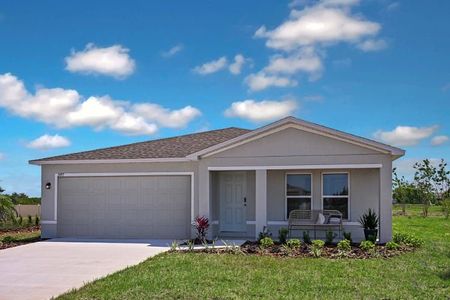
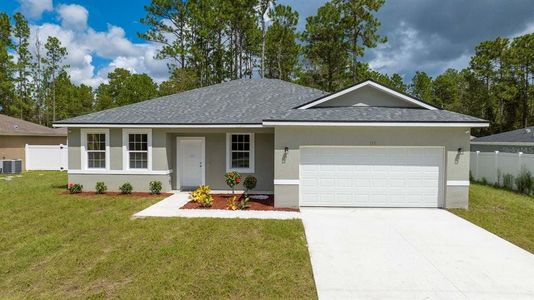
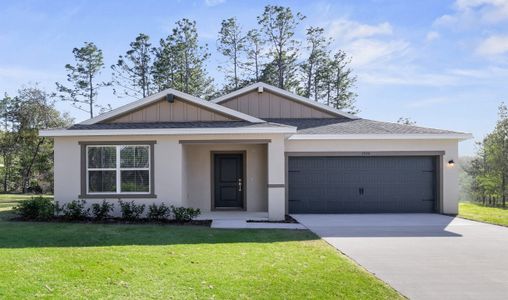
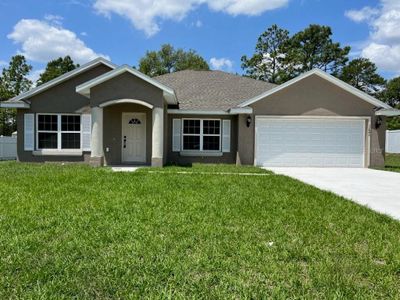
Browse currently available new construction homes, communities, and floor plans across the Gainesville–Ocala Area. All listings are updated daily with the latest inventory from builders. Browse all communities & new homes in Gainesville–Ocala Area
Top-rated new construction communities in Gainesville–Ocala Area
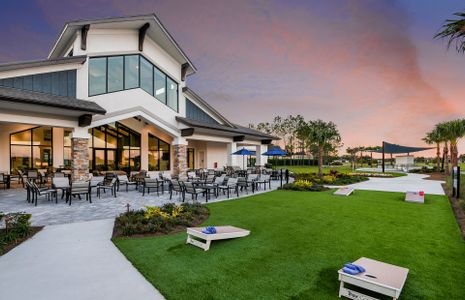
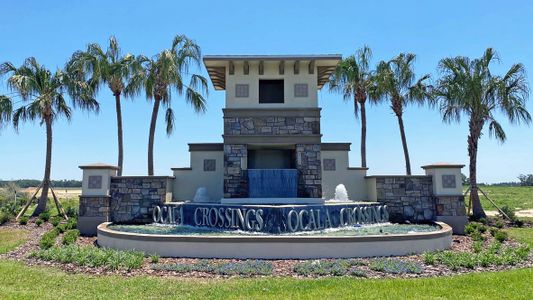
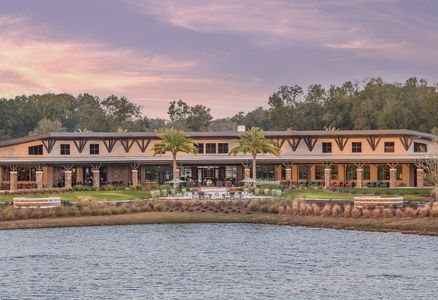


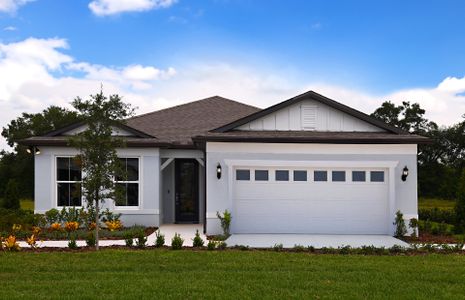
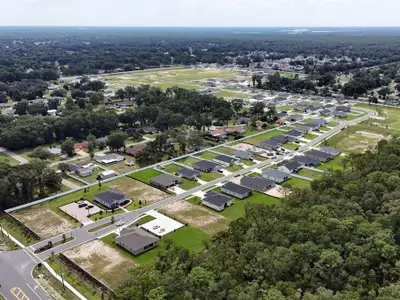

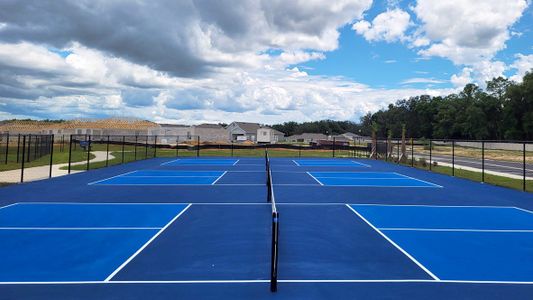
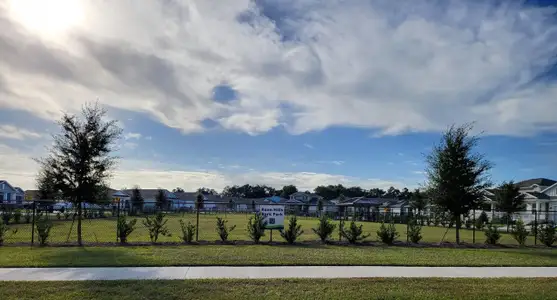
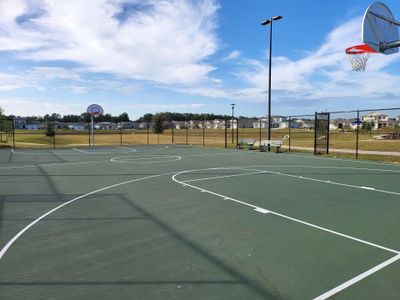
Master planned communities in Gainesville–Ocala Area
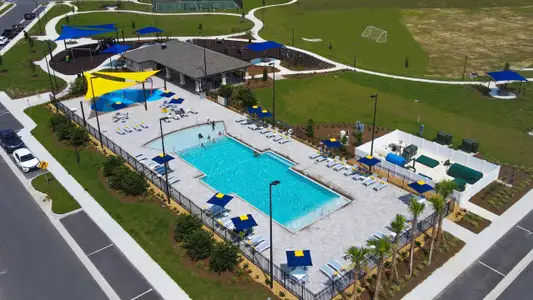


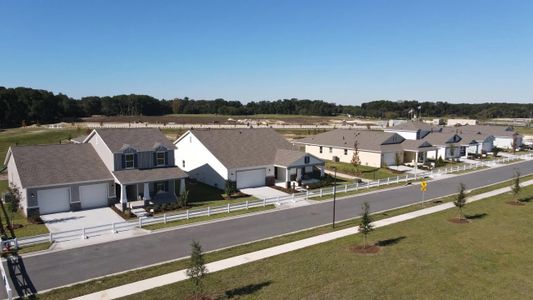
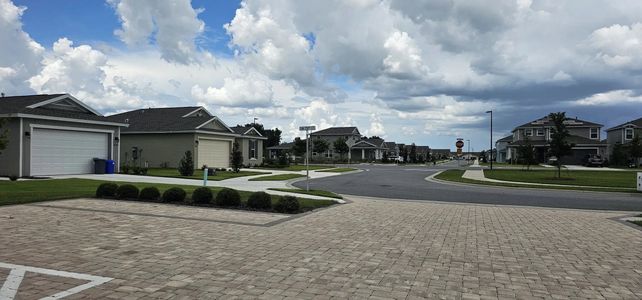
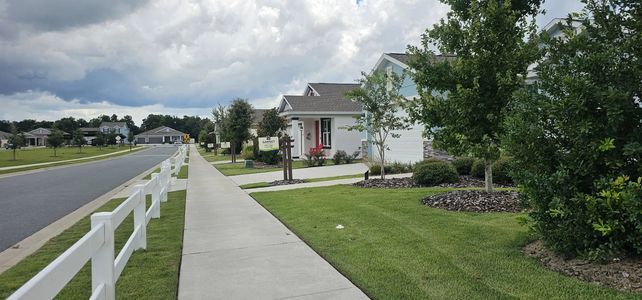
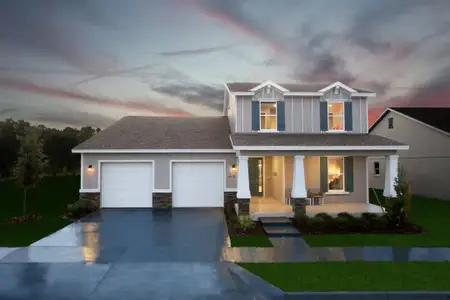
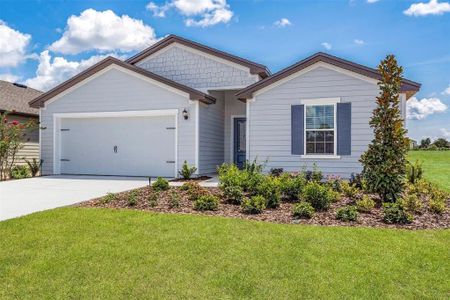
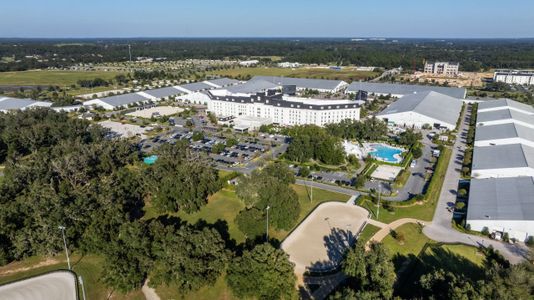
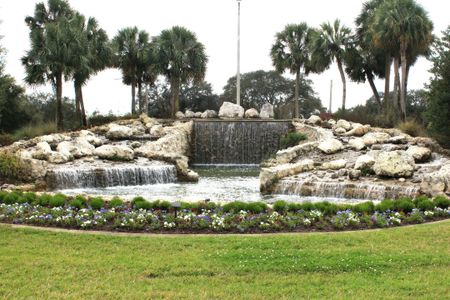

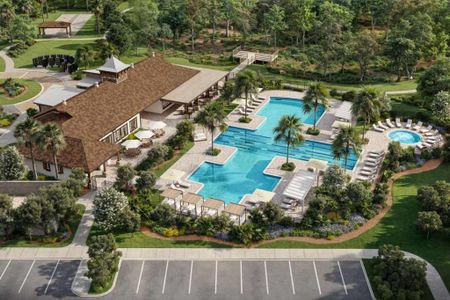
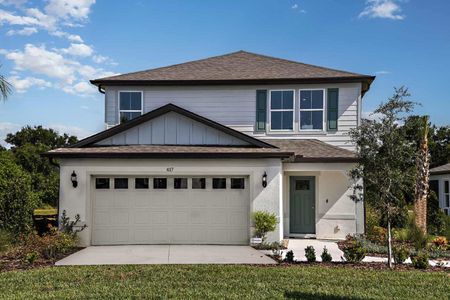
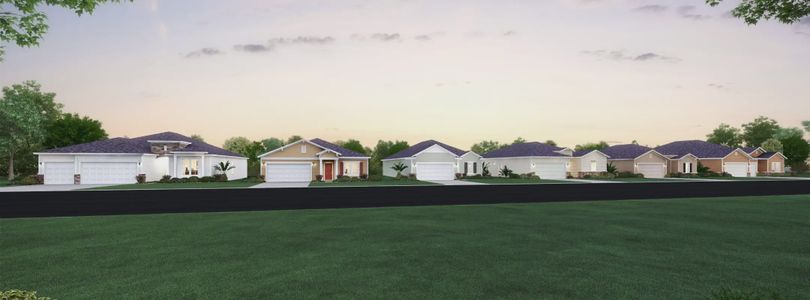
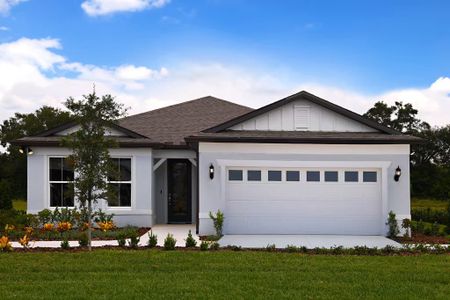
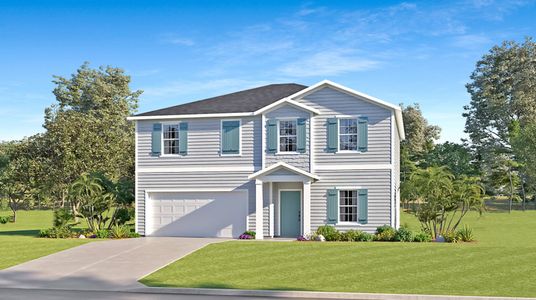
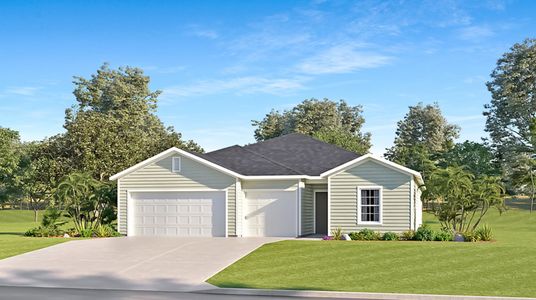
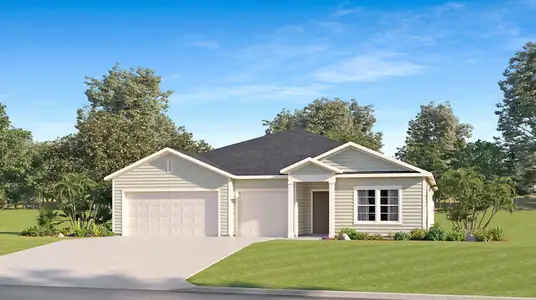
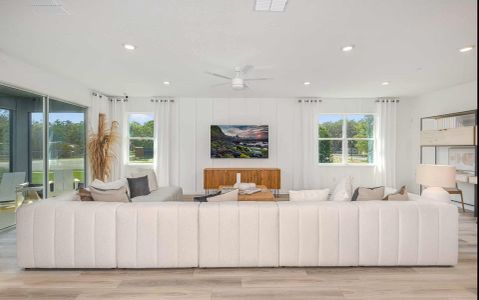
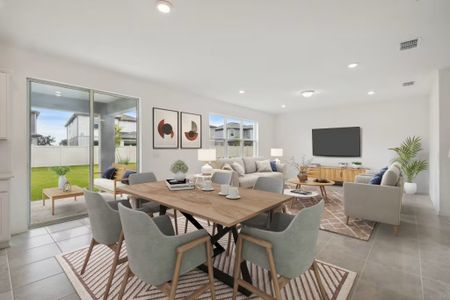

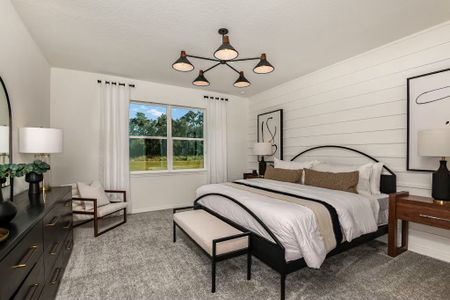

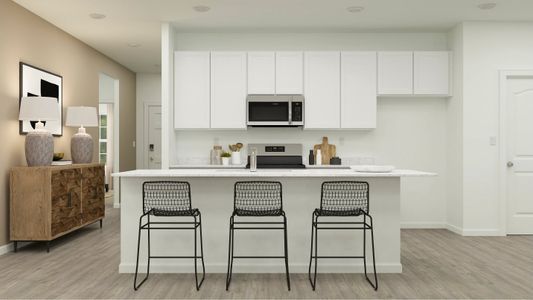




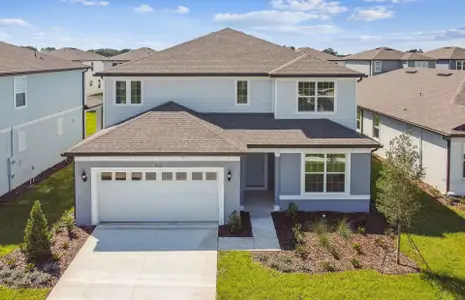
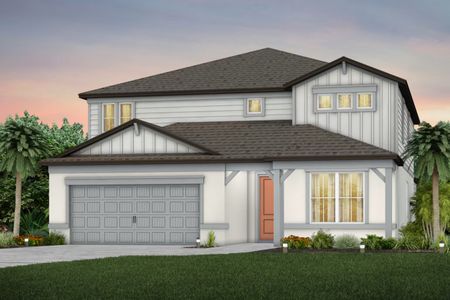
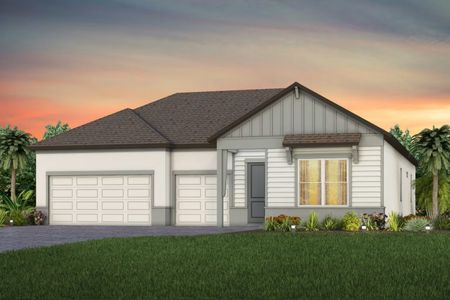
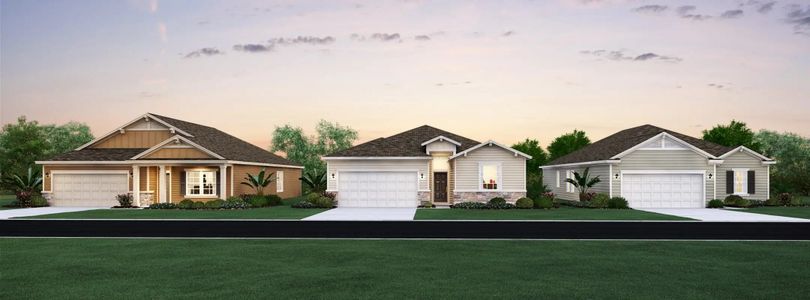
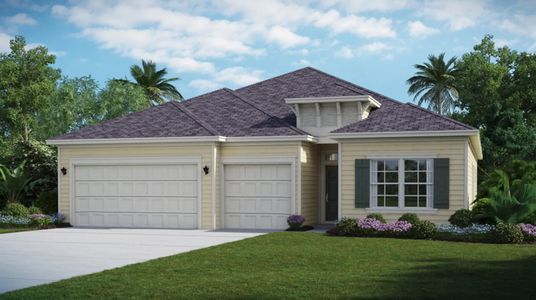
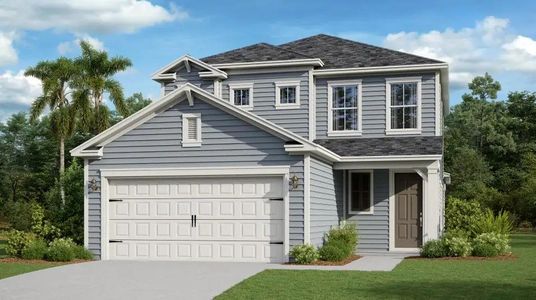
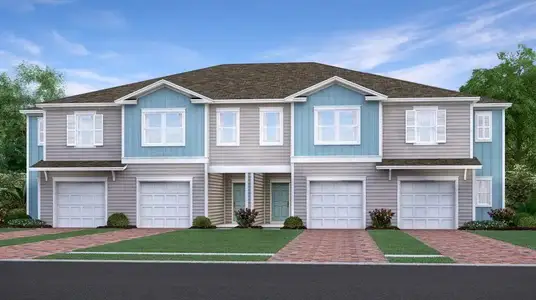
Browse communities & homes in Gainesville–Ocala Area cities
Real estate in Gainesville–Ocala Area
The real estate market has seen favorable trends throughout the entire Gainesville–Ocala Area region. Home values have steadily risen over the past few years, and we predict that the market will continue to grow. In Ocala, you'll find some fantastic single-family homes that sit on enough land to keep a few horses. If you're more into close-knit community vibes, Ocala also has a great selection of townhouses, condos, and active adult communities filled with activities. Gainesville is a treasure chest of diverse homes and fun activities. Think charming mid-century designs complete with modern amenities. And if you enjoy walking to their favorite bookstore or brunch spot, you'll love the condos and townhouses located in the heart of the city. Plus, Gainesville has its sights set on the future with some cool, energy-efficient homes. Whether you're into the rustic countryside, lively communities, or environmentally friendly living, Ocala and Gainesville have plenty of homes that will meet your needs.
Newly released communities
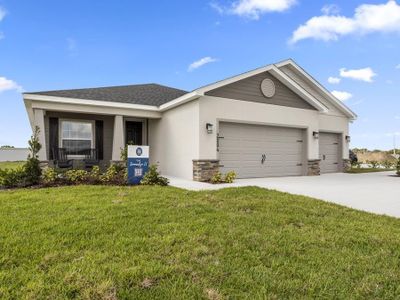
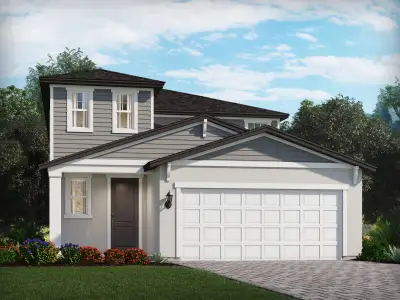
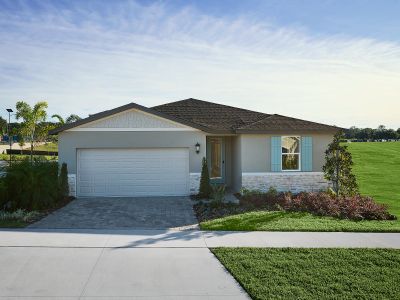
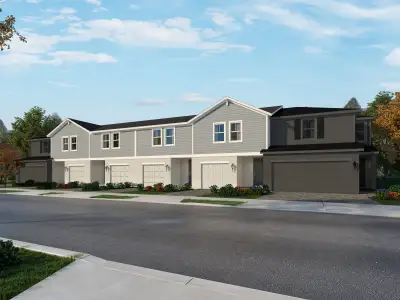
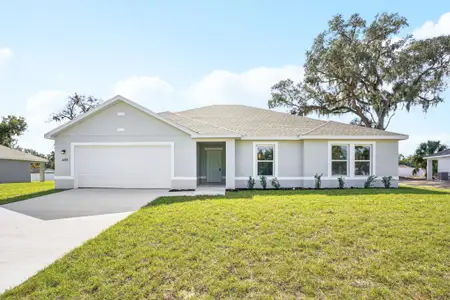
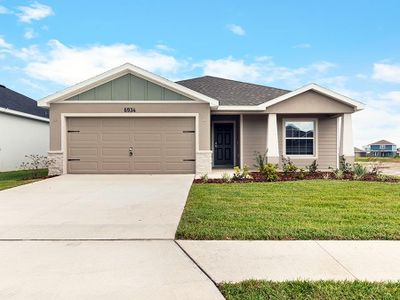
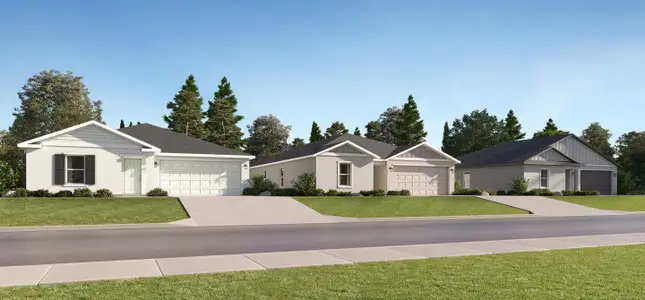

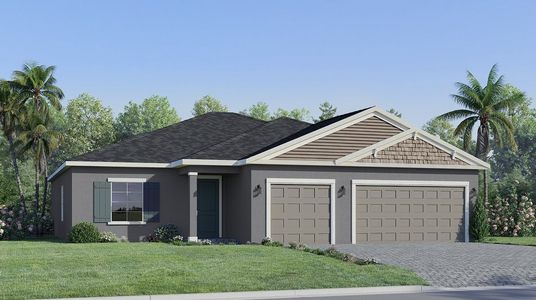
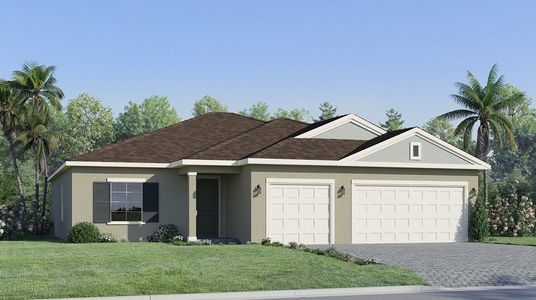
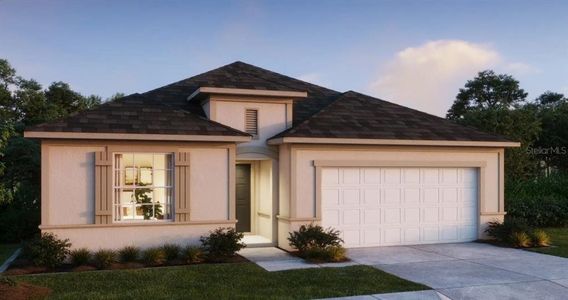
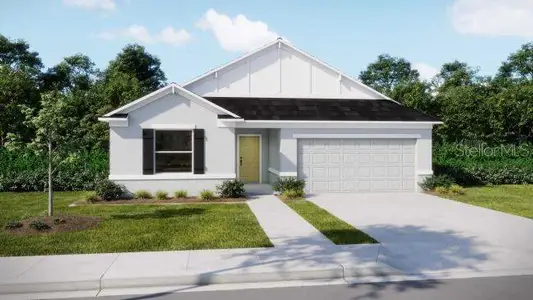
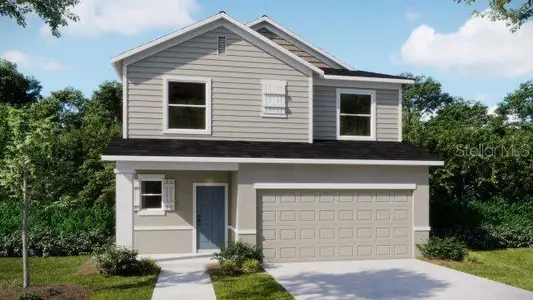
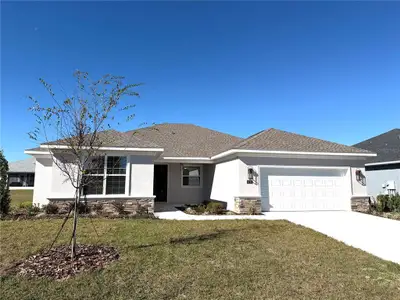
Recently listed homes
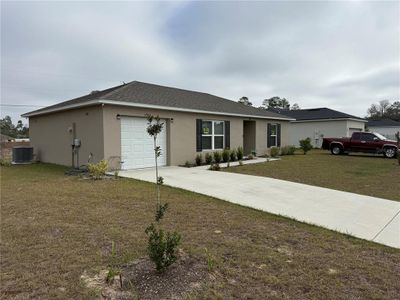
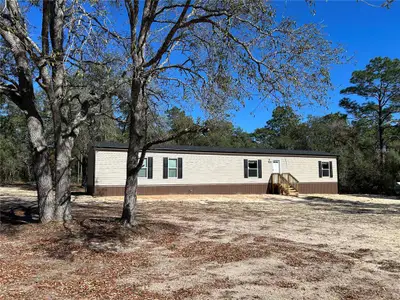
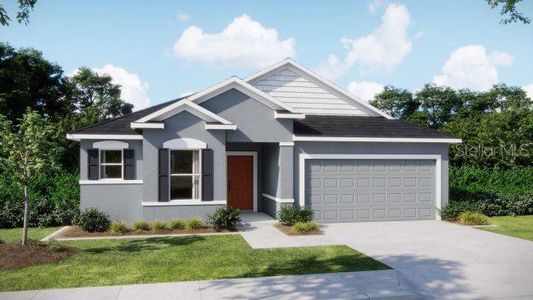
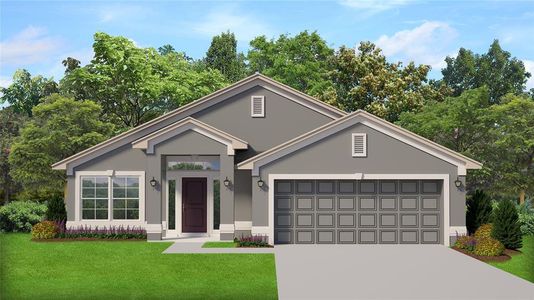
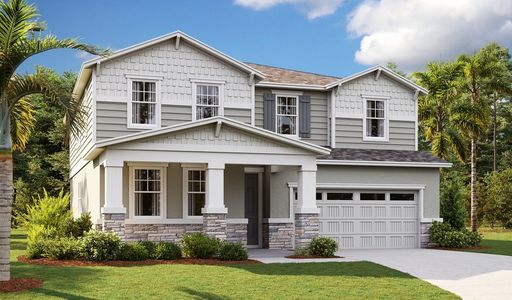
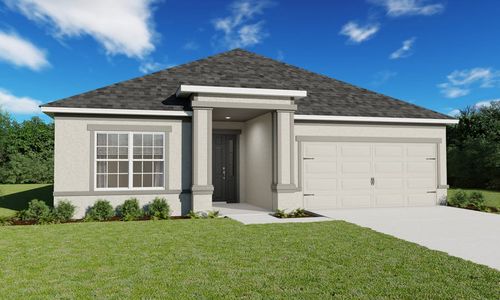
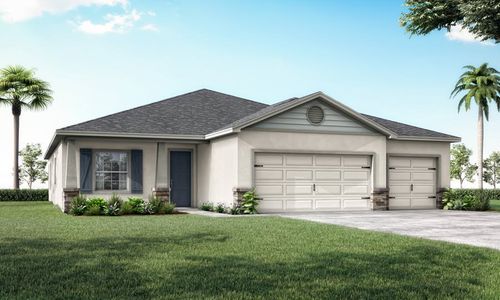
Recently published floor plans
The most popular new construction builders in Gainesville–Ocala Area










How does Gainesville - Ocala, FL compare to other real estate markets in Florida?
 Jacksonville Metropolitan Area3,923 homes13% more homes than in Gainesville - Ocala, FL31% higher median price
 Greater Orlando Area7,659 homes121% more homes than in Gainesville - Ocala, FL35% higher median price
 Tampa Bay Area6,645 homes92% more homes than in Gainesville - Ocala, FL57% higher median price
 Miami Metropolitan Area4,049 homes17% more homes than in Gainesville - Ocala, FL526% higher median price
 Space Coast842 homes76% less homes than in Gainesville - Ocala, FL22% higher median price
 Treasure Coast1,768 homes49% less homes than in Gainesville - Ocala, FL58% higher median price
Read about new construction on Jome blog



Frequently asked questions
What is the current median sale price for a property in Gainesville–Ocala Area?
In the Gainesville–Ocala Area, the current median sale price stands at $304,063 as of December 2025. This figure is derived from an analysis of 3420 newly built properties, constructed by 54 local and national builders.
Who are the major developers of new construction homes in Gainesville–Ocala Area?
For those interested in new construction homes in Gainesville–Ocala Area, the work of D.R. Horton, Adams Homes, Lennar, Maronda Homes and Colen Built Development, LLC stands out. These developers have established themselves as trusted names in new home construction.