
Greater Orlando Area new construction market: prices, trends, guides & homes as of December 2025
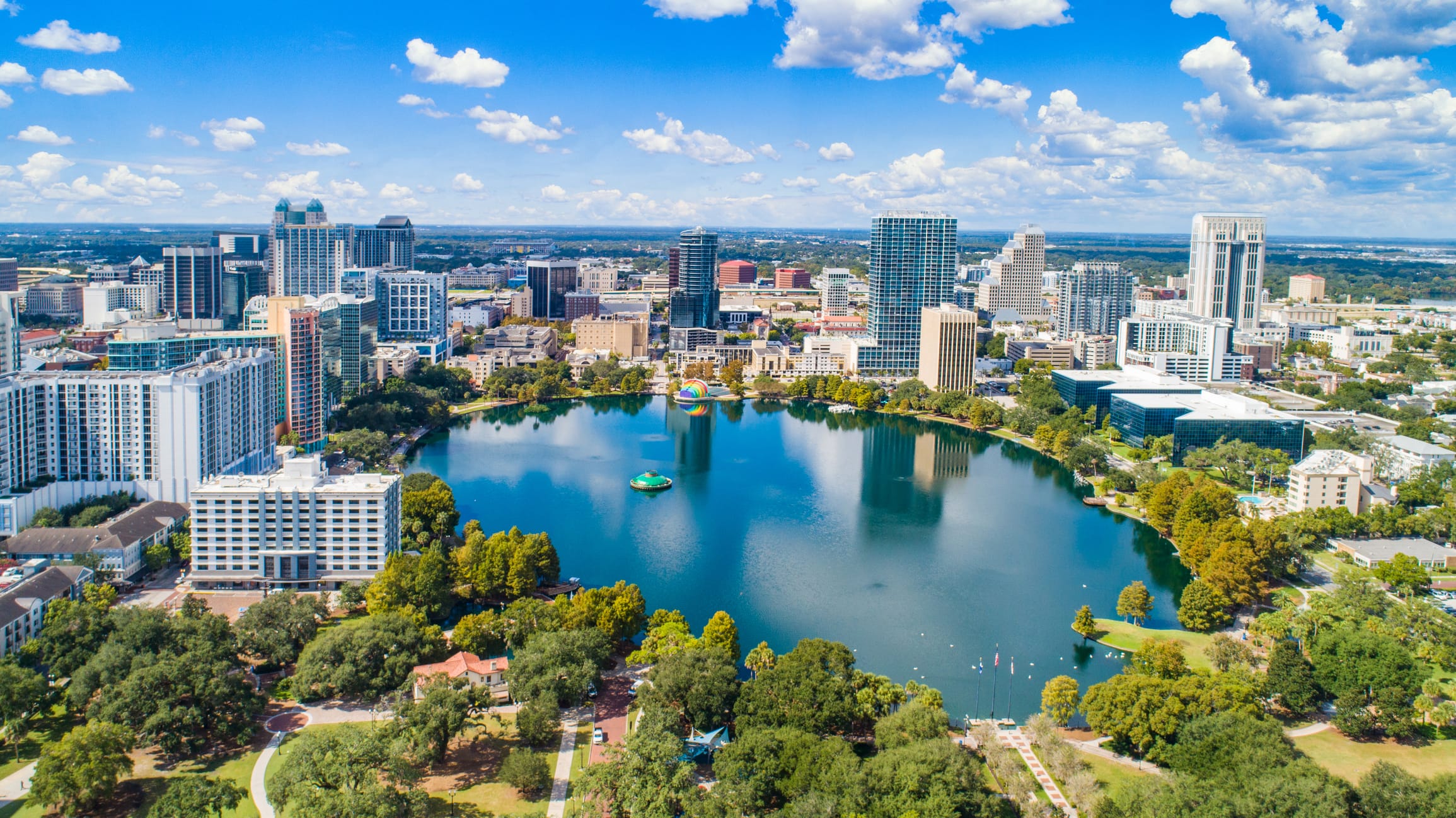
About Greater Orlando Area
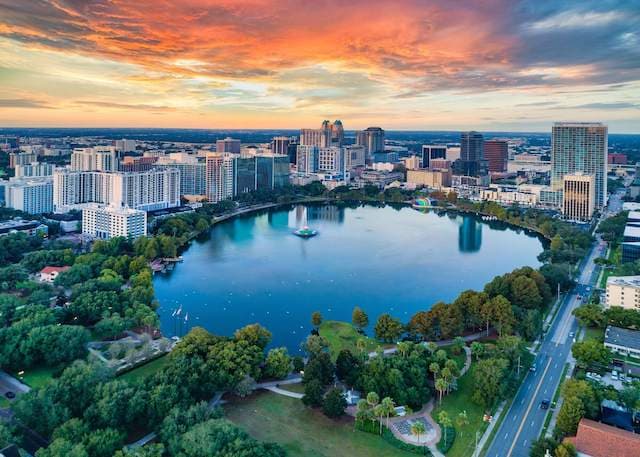
Orlando offers the perfect balance of opportunity, entertainment, and natural beauty, making it an incredible place to live. While the city is known as a tourist destination with many famous theme parks, it's also considered a great place to settle down. In fact, the city was recently ranked as one of the fastest-growing and best places to live in the United States. The Orlando metropolitan area, often referred to as Greater Orlando, is located in central Florida. It spans four counties, Lake, Orange, Osceola, and Seminole, and its major cities include Orlando, Kissimmee, and Sanford. Greater Orlando has a population of around 2.6 million people. Recently ranked amongst the top cities in the United States for job seekers, Orlando offers promising job opportunities in various industries. While tourism plays a key role in Orlando's economy, there are also plenty of opportunities in other sectors, including technology, film and television production, healthcare, manufacturing, education, aviation, and biotechnology. There are also several Fortune 500 companies headquartered in Orlando.
How are new home prices changing in Orlando, FL?
Home price data reflects current listings in Greater Orlando Area, Florida, sourced from Jome and updated regularly
*Based on Jome markets

Get free consultation with Greater Orlando Area expert
Get a free, no-pressure consultation with our top Greater Orlando Area new-construction expert. They know every major builder, the best deals and incentives, and exactly what's happening in the local new-construction market.
Greater Orlando Area market overview
- Overall inventory7,659
- Single-family inventory6,638
- Townhouse inventory917
- Condo inventory55
- Multi-family inventory19
- Penthouse inventory0
- 1 bed inventory5
- 2 beds inventory274
- 3 beds inventory2,859
- 4+ beds inventory4,520
- Median home price$409,999
- Median sqft price$210.59
- Median 1 bed price$259,900
- Median 2 beds price$384,922
- Median 3 beds price$364,995
- Median 4+ beds price$449,990
- Min listing price$174,500
- Max listing price$13,650,000
- Min community price$200,000
- Max community price$3,850,000
Greater Orlando Area median price change
| Month | Median price | Change |
|---|---|---|
| March 2025 | $399,990 | - |
| April 2025 | $399,990 | 0.00% |
| May 2025 | $409,305 | +2.33% |
| June 2025 | $415,000 | +1.39% |
| July 2025 | $414,001 | -0.24% |
| August 2025 | $412,420 | -0.38% |
What are the most popular buyers' searches?
What it's like to live in Greater Orlando Area?
The Greater Orlando metro operates as America's undisputed theme park capital, where Walt Disney World's four parks, Universal Orlando's expanding resort complex, SeaWorld, and dozens of other attractions create an economy more dependent on tourism than any other major U.S. metro, employing over 250,000 workers directly in hospitality, entertainment, and tourism services while millions more visitors fuel retail, restaurant, and service sectors. This tourism dominance defines everything: during economic booms when disposionary travel spending surges, hotel occupancy exceeds 75%, theme parks expand operations, and service workers gross $45,000 to $65,000 through overtime and tips, the housing market thrives with investors purchasing properties for short-term rentals and workers competing for limited inventory. During recessions when travel contracts—as the 2020 pandemic demonstrated catastrophically—mass layoffs sweep through hospitality, theme park workers lose 100% of income overnight, foreclosures surge, and home values decline 15% to 25% as the tourism-dependent economy offers no fallback employment. Beyond tourism, Orlando has diversified through University of Central Florida (America's second-largest university with 68,000-plus students), healthcare expansion anchored by Lake Nona Medical City attracting major hospital systems and research facilities, defense and simulation industries with Lockheed Martin's major operations, and growing technology sector discovering Orlando's lower costs compared to coastal alternatives. However, the fundamental reality remains: tourism represents 35% to 40% of direct employment and influences another 20% to 25% indirectly, creating correlation between travel industry health and housing market performance that other metros avoid through diversification. The common thread is Orlando's position as the boom-bust Florida market, where appreciation exceeds 30% to 40% during strong tourism cycles creating wealth for homeowners while pricing out working-class buyers, where insurance crisis affecting all Florida hits particularly hard with annual premiums of $4,500 to $8,000 for standard homes plus mandatory flood coverage for many properties adding another $1,800 to $5,000, where traffic congestion on I-4 rivals any major metro despite attempts at improvements, and where the trade-offs involve accepting economy tied to discretionary consumer spending on vacations, hurricane risk that materialized through multiple direct hits and near-misses including Hurricane Ian's 2022 devastation and Hurricane Milton's 2024 impacts, and the reality that Orlando's explosive growth adding 2.8 million residents since 1990 has transformed it from affordable Florida alternative into an increasingly expensive market where quality new construction in desirable suburbs ranges from $380,000 to $600,000, eliminating the accessibility that originally attracted migration from expensive coastal markets.
Why tourism dominance creates opportunities and catastrophic risks
Walt Disney World Resort employs approximately 77,000 cast members—theme park operations, hotels, restaurants, retail, entertainment, janitorial services, security, maintenance, transportation, and corporate operations supporting what functions essentially as a self-contained city. The employment spans minimum-wage positions ($15 to $18 hourly for entry-level attractions and quick-service food) to skilled roles ($22 to $35 hourly for experienced positions in entertainment, culinary, attractions maintenance, and technical operations) to management ($55,000 to $120,000 for operations managers, show directors, and mid-level corporate positions) to executives ($140,000-plus for senior leadership). However, the overwhelming majority earn working-class wages—$31,000 to $48,000 annually for full-time positions before overtime and tips—creating a massive workforce whose housing affordability depends on whether they work full 40-hour weeks with overtime opportunities during peak tourist seasons or face reduced hours during slower periods when park operations cut staffing.
Universal Orlando Resort employs approximately 25,000 team members across Universal Studios Florida, Islands of Adventure, Volcano Bay water park, CityWalk entertainment district, and resort hotels, with similar wage structures: entry-level positions $15 to $19 hourly, skilled roles $23 to $36 hourly, management $58,000 to $125,000. SeaWorld Orlando, Discovery Cove, and Aquatica employ several thousand more. Dozens of smaller attractions including ICON Park's observation wheel, Gatorland, dinner shows, and various entertainment venues add thousands of tourism service positions.
The International Drive tourism corridor concentrating hotels, restaurants, attractions, and entertainment venues employs tens of thousands in hospitality positions—front desk clerks earning $28,000 to $38,000, housekeeping staff earning $26,000 to $34,000, restaurant servers earning $35,000 to $55,000 with tips during strong seasons, hotel management earning $45,000 to $85,000, convention services workers supporting Orange County Convention Center's massive meeting space earning $32,000 to $58,000. The wages allow survival during boom periods but provide zero cushion during downturns.
The tourism dependence creates extreme economic cyclicality. During the 2008-2009 recession, Orlando's unemployment peaked at 11.3%, hotel occupancy collapsed below 50%, theme parks cut hours and staff, and home values declined 40% to 50% from 2006 peaks as foreclosures flooded the market. The 2020 pandemic proved even more catastrophic—unemployment briefly exceeded 13%, theme parks closed entirely for months (something considered impossible before COVID demonstrated otherwise), hospitality workers lost 100% of income simultaneously, and the federal intervention through enhanced unemployment and stimulus payments prevented housing market collapse that would have otherwise occurred. The recovery has been strong with tourism rebounding to record levels by 2023-2024, driving home appreciation exceeding 35% to 45% from 2020 through 2024 in many submarkets, but the boom-bust pattern will repeat inevitably when the next recession, international crisis, or pandemic reduces discretionary travel spending.
Beyond tourism, Orlando has achieved meaningful diversification creating some economic stability. University of Central Florida in Orlando enrolls over 68,000 students ranking it America's second-largest university, employing over 10,000 faculty, researchers, administrators, and staff in positions paying $48,000 to $140,000 depending on rank and role. The institution anchors research parks, contributes to regional technology development, and provides stable education sector employment immune to tourism fluctuations. However, UCF's massive size also floods the rental market with students creating competition for housing near campus in areas including Oviedo, Waterford Lakes, and east Orlando suburbs.
Lake Nona Medical City southeast of Orlando International Airport represents the metro's most ambitious diversification effort, attracting major healthcare systems including Orlando Health's new hospital, Nemours Children's Hospital, UCF College of Medicine, VA Medical Center, and medical research facilities creating a planned healthcare and life sciences cluster. The development employs thousands in high-wage physician, research, and healthcare administration positions, attracting educated professionals purchasing homes from $450,000 to $850,000 in Lake Nona's master-planned community. However, Lake Nona remains early in development, representing future potential rather than current scale that would substantially reduce tourism dependence.
Lockheed Martin's Orlando operations employ approximately 8,000 in simulation, training systems, and missile defense development, creating defense industry stability with engineers, program managers, and technical staff earning $85,000 to $160,000. The operations concentrate around UCF's research park, creating white-collar employment cluster distinct from tourism service work. However, the scale remains far smaller than Lockheed's Fort Worth aviation operations, limiting the diversification impact.
The technology sector has discovered Orlando over the past decade, with Electronic Arts' Tiburon studio developing popular sports games, multiple smaller tech companies and startups, and corporate operations from national firms establishing Orlando presence attracted by UCF's talent pipeline and lower costs than Silicon Valley or Austin. However, Orlando's tech presence remains far smaller than Austin's massive concentration, creating meaningful but not transformational employment.
Healthcare employment through Orlando Health System, AdventHealth (formerly Florida Hospital, a massive Adventist system), Nemours Children's Hospital, and other providers employs tens of thousands of nurses, physicians, technicians, and administrators serving Orlando's 2.7 million metro residents. Nurses earn $62,000 to $90,000, substantially below what similar skills command in California or Northeast but sufficient for homeownership in Orlando's suburban markets. Physicians earn $180,000 to $400,000 depending on specialty, finding Orlando allows comfortable lifestyles with lower costs than major medical markets despite Florida's insurance challenges.
The tax structure delivers Florida's compelling zero state income tax, creating annual savings of $4,000 to $11,000 for households earning $85,000 to $160,000—substantial amounts that attracted waves of California, New York, and Illinois relocators. However, property taxes around 1.0% to 1.2% of assessed value and particularly Florida's insurance crisis partially offset these savings in ways requiring careful analysis.
The cost of living has surged dramatically over the past five years as migration overwhelmed the market. Quality new construction that ranged $260,000 to $380,000 in 2018-2019 now runs $380,000 to $600,000 in desirable suburban locations throughout Orange, Seminole, Osceola, and Lake Counties. Premium areas including Winter Park, Lake Nona, and Windermere command $600,000 to $1.2 million-plus. The appreciation has been explosive—30% to 45% from 2020 to 2024 in many submarkets—creating wealth for existing owners while completely pricing out theme park workers, retail employees, and service industry workers who once could access Florida homeownership. A Walt Disney World attractions cast member earning $38,000 annually or even a couple where both work theme park positions earning combined $76,000 cannot qualify for $380,000 homes requiring $2,900-plus monthly payments including insurance and taxes. The disconnect between tourism service wages and housing costs has reached crisis levels, forcing workers into hour-plus commutes from Polk County, doubled-up housing situations, or permanent rental status.
The climate delivers year-round warmth attracting tourists and retirees, though summer heat and humidity create oppressive conditions. Temperatures remain above 60 degrees most winter days. Summer heat and humidity from May through October create heat index values regularly exceeding 105 degrees when morning humidity combines with afternoon temperatures in the low to mid-90s. Afternoon thunderstorms develop almost daily during summer months, providing brief relief while contributing to annual rainfall averaging 52 inches. Hurricane season from June through November creates genuine risk that has materialized repeatedly—Hurricane Charley's 2004 direct hit, Irma's 2017 devastation, Ian's 2022 impacts despite the storm's center hitting southwest Florida, and Milton's October 2024 tornado outbreak and flooding throughout the metro demonstrating Orlando's vulnerability despite inland location. The hurricanes plus Florida's insurance crisis create the most significant housing cost challenge beyond purchase price.
Understanding Orlando by buyer profile and tourism economy realities
Orlando's tourism dominance, explosive growth, and insurance crisis create buyer profiles where corporate relocators and healthcare professionals purchase comfortable homes while theme park workers and service industry employees face complete pricing out from homeownership.
For Corporate Relocators and Out-of-State Professionals: Professionals relocating from California, New York, Illinois, and other high-tax states for positions at Lockheed Martin, tech companies, Lake Nona medical facilities, or corporate operations earn $90,000 to $200,000-plus creating demand for quality homes. These buyers often bring housing budgets calibrated to expensive departure markets, making Orlando's $450,000 to $750,000 new construction feel accessible despite representing double what locals paid five years earlier. They prioritize Lake Nona's master-planned development offering walkability and proximity to medical facilities and airport, Winter Park's established tree-lined neighborhoods offering urban character and highly-rated schools despite premium pricing, suburbs including Windermere and Dr. Phillips west of Orlando offering excellent schools and newer housing, or northern suburbs including Oviedo, Lake Mary, and Winter Springs in Seminole County offering strong schools and family-friendly environments. New construction serves this demographic from $450,000 in outer suburban locations to $850,000-plus in premium areas. Corporate relocators discover that while housing costs remain below Bay Area or Manhattan, the combination of property taxes around 1.0% to 1.2% of value, property insurance of $4,500 to $7,500 annually, and increasingly mandatory flood insurance of $1,800 to $4,500 creates total housing costs approaching what they expected to escape. However, the zero income tax still delivers savings of $7,000 to $16,000 annually for high earners, making moves financially advantageous despite elevated housing expenses.
For Healthcare Professionals in Expanding Medical Sector: Orlando Health, AdventHealth, Nemours Children's Hospital, and Lake Nona Medical City developments employ healthcare workers throughout the metro. Nurses earning $62,000 to $90,000 struggle with Orlando's current pricing, particularly when single-income households attempt homeownership. A registered nurse earning $72,000 faces challenges qualifying for homes above $350,000 given insurance costs approaching $450 monthly. Dual-nurse households earning $140,000 to $180,000 combined access better options from $420,000 to $580,000 in solid suburban communities. Physicians earning $180,000 to $400,000 purchase homes from $520,000 to $900,000-plus in premium locations including Winter Park, Lake Nona, Windermere, and newer developments throughout the metro. Healthcare professionals relocate to Orlando for positions at expanding medical facilities, finding the combination of career opportunities, zero income tax, and year-round warmth appealing despite housing costs that have risen faster than healthcare wages. They prioritize locations offering reasonable commutes to specific hospital campuses, though Orlando's sprawl and I-4 congestion means commutes of 35 to 55 minutes become standard as affordable housing pushes further from employment centers.
For Technology Workers and UCF Engineering Graduates: Orlando's growing tech sector employs software engineers, IT professionals, and technical specialists earning $75,000 to $150,000 creating demand from educated professionals. Many are UCF graduates who completed degrees and found employment allowing them to remain in Orlando rather than relocating to expensive tech hubs. EA Sports employees, smaller tech company workers, and Lockheed Martin's engineering staff purchase homes from $380,000 to $650,000 in submarkets offering strong internet infrastructure, reasonable commutes to UCF research park area and Lockheed operations north of Orlando, or proximity to Lake Nona's emerging employment center. These buyers represent Orlando's best hope for economic diversification, though the scale remains far below what Austin achieved, limiting the transformation potential.
For Theme Park Workers Facing Complete Pricing Out: The uncomfortable reality is that Walt Disney World and Universal Orlando's 100,000-plus combined workforce earning predominantly $31,000 to $52,000 annually cannot afford Orlando's current housing market. Even dual-income couples where both spouses work theme park positions creating combined household incomes of $65,000 to $100,000 struggle to qualify for homes starting at $380,000 requiring monthly payments exceeding $2,900 including insurance and taxes. Entry-level attractions cast members earning $33,000 annually have zero homeownership access at current prices. Experienced workers in skilled positions earning $48,000 to $62,000 face similar barriers. The few theme park workers achieving homeownership typically involve scenarios including dual six-figure household incomes from both spouses working management positions, substantial down payments from family assistance or previous home sales, or purchases in distant Polk County communities requiring commutes exceeding 60 minutes to Disney or Universal. The vast majority rent apartments or mobile homes, often in older properties or areas increasingly distant from employment. This represents Orlando's central housing crisis—the tourism service workers who make the economy function cannot afford to purchase homes in the market they serve, creating long-term sustainability questions about workforce availability, service quality degradation, and social inequity.
For Investors and Short-Term Rental Operators: Orlando's tourism creates substantial investment demand for properties used as short-term rentals serving theme park visitors. Investors purchase townhomes and single-family homes from $280,000 to $550,000 in communities near Disney World, Universal Orlando, and tourist corridors, generating rental income of $2,500 to $5,500 monthly depending on location, property size, and seasonal demand. However, regulations have tightened with Orange County and municipalities restricting short-term rentals in specific areas following complaints about party houses, parking, and neighborhood character degradation. Some communities prohibit rentals under 30 days entirely. Insurance costs for investment properties exceed owner-occupied rates, and property management fees of 20% to 30% consume substantial portions of rental income. Many out-of-state investors purchased Orlando properties during the pandemic boom at peak prices, facing negative cash flow when rental income fails to cover mortgages plus insurance plus taxes plus management fees plus maintenance, creating potential distressed sales if sustained. The short-term rental market also faces increasing competition as supply expanded rapidly, reducing occupancy rates and forcing rental price cuts that decrease investment returns.
For Growing Families Prioritizing Schools Despite Costs: School district quality drives decisions for families throughout Orlando's sprawling geography. Orange County Public Schools serving Orlando and surrounding areas shows dramatic variation from top-rated schools in Winter Park, Dr. Phillips, and specific zones to struggling schools in other areas, requiring careful research into individual school attendance zones. Families target specific elementary schools rated 8-10/10, accepting homes from $480,000 to $700,000 in attendance zones that command premiums. Seminole County Schools serving suburbs including Lake Mary, Oviedo, and Winter Springs maintain generally stronger reputations at somewhat more moderate costs, attracting families willing to accept commutes of 40 to 60 minutes to Orlando employment for school quality and newer housing from $400,000 to $580,000. Lake County Schools serving Clermont, Minneola, and western suburbs show quality variation. Osceola County Schools serving areas south of Orlando including Kissimmee and St. Cloud face challenges. Families prioritize school zones over square footage, accepting 2,200 square foot homes in top-rated zones over 2,800 square foot alternatives in weaker areas. However, the families achieving this typically represent dual-income professional households earning $130,000 to $220,000 combined—corporate relocators, healthcare workers, engineers—rather than tourism service workers priced out entirely.
For Retirees Seeking Theme Park Proximity and Warmth: Orlando attracts substantial retiree settlement from across the country, particularly from Midwest and Northeast states, seeking year-round warmth, proximity to theme parks for visiting grandchildren, and zero income tax on Social Security and retirement income. The demographics skew toward active retirees in their 60s and early 70s still healthy enough to enjoy Florida's attractions and outdoor lifestyle. They purchase homes from $340,000 for communities in outer suburbs to $650,000-plus for properties in established neighborhoods near Winter Park or in 55-plus communities with extensive amenities. Single-story layouts accommodate aging, master-on-main configurations provide flexibility, and communities near major healthcare facilities matter increasingly with age. However, Orlando's rapid appreciation has made retirement here less accessible than five years ago, with retirees discovering that insurance costs of $5,500 to $9,000 annually (property plus flood for many properties) consume substantial portions of fixed retirement incomes. Many retirees maintain annual theme park passes, visit attractions regularly with visiting family, and embrace Florida's lifestyle, though summer heat and humidity limit outdoor activities for four to five months annually despite year-round warmth being an attraction.
For First-Time Buyers Facing Near-Impossible Barriers: Orlando's appreciation has devastated first-time buyer accessibility more severely than almost any market. Townhomes start around $280,000 in distant locations requiring commutes exceeding 45 minutes to Orlando employment centers, requiring $9,800 down with FHA loans. Starter single-family homes begin at $340,000 in outer Osceola or Polk County suburbs, requiring $11,900 down. Young professionals, healthcare workers, teachers, and service industry workers earning $58,000 to $90,000 combined income struggle to qualify for homes that appreciated 35% to 45% over three years while incomes rose only 12% to 18%. The combination of elevated prices, insurance costs approaching $450 monthly, property taxes, and HOA fees means first-time buyers face monthly housing costs of $2,700 to $3,400 for modest properties, requiring household incomes exceeding $95,000 to qualify comfortably—levels that exclude the majority of Orlando's workforce. Many first-time buyers have delayed purchases entirely, continuing to rent while hoping for market corrections that show no signs of materializing. Those who do purchase often accept locations in Polk County's Davenport, Haines City, or other communities 45 to 75 minutes from Orlando employment, or townhomes rather than single-family homes they preferred.
For UCF Students and Alumni Facing Rental Competition: University of Central Florida's 68,000-plus students create enormous rental demand near campus in areas including Oviedo, Waterford Lakes, and east Orlando suburbs, driving rental prices higher while creating communities dominated by student populations where families often avoid due to noise, parking congestion, and turnover. Young UCF graduates who found employment in Orlando often continue renting near campus rather than purchasing given current prices, though some dual-income professional couples who both completed UCF degrees and secured positions at Lockheed Martin, tech companies, or healthcare facilities earning combined $95,000 to $140,000 purchase homes from $360,000 to $480,000 in east Orlando suburbs, Oviedo, or newer developments, often accepting small spaces and commutes to achieve homeownership.
The real costs beyond mortgage payments in crisis conditions
Your actual monthly housing expense in Orlando extends beyond principal and interest, with Florida's insurance crisis creating costs that shock relocators and that increase annually threatening affordability even for established owners.
- Property taxes in Florida run lower than most states. Orange County carries effective rates around 1.00% to 1.15% of assessed value when city, county, school district, and various entities combine. Seminole County runs approximately 0.95% to 1.10%. Osceola County sits around 1.05% to 1.20%. Lake County runs 0.95% to 1.10%. On a $450,000 home, annual property tax bills range from roughly $4,275 to $5,400. Florida's Save Our Homes caps assessment increases at 3% annually for homesteaded properties, protecting long-term owners but meaning recent buyers pay substantially higher taxes than neighbors in identical homes purchased years earlier. The homestead exemption reduces assessed value by $50,000 for primary residences. However, new buyers pay taxes on full purchase price unlike longtime owners benefiting from capped assessments.
- Sales tax ranges from 6.5% to 7.5%, with Florida collecting 6% and counties adding 0.5% to 1.5%. Orange County including Orlando carries 6.5% combined. This affects major purchases including vehicles.
- Homeowner's insurance represents Orlando's most dramatic and fastest-growing cost, with Florida's insurance crisis creating premiums that have doubled or tripled over the past five years. Annual premiums typically range from $4,200 to $8,500 for standard single-family homes depending on coverage levels, home value, construction type, roof age, and specific location. Properties in flood zones or near water bodies face higher premiums, sometimes reaching $9,500 to $15,000 annually when wind coverage becomes challenging to obtain. Hurricane deductibles typically apply as 2% to 5% of dwelling value, meaning a $480,000 home carries $9,600 to $24,000 hurricane deductible applying when named storms strike. Major national carriers including State Farm, Allstate, and Farmers have stopped writing new Florida policies or reduced exposure dramatically, forcing buyers toward Citizens Property Insurance (Florida's insurer of last resort) or surplus lines carriers charging 60% to 120% higher premiums than standard market rates. Roof age drives availability—insurers refuse coverage or demand full replacement for roofs over 10 to 15 years old regardless of actual condition, forcing buyers to replace $22,000 to $35,000 roofs to obtain insurance. New construction with impact-resistant windows, reinforced roof systems, and current code compliance earns better rates, though "better" still means $4,500 to $6,800 annually in many cases.
- Flood insurance affects substantial percentages of Orlando properties despite inland location. Hurricane Ian and other events demonstrated that extreme rainfall creates catastrophic flooding even away from coast, with many areas experiencing 15 to 20 inches of rain during tropical systems. Properties in FEMA Special Flood Hazard Areas require flood insurance when using mortgages, with costs ranging from $1,800 to $6,000 annually depending on elevation and coverage limits. However, prudent buyers purchase flood coverage even outside designated zones, adding $1,200 to $3,200 annually. The National Flood Insurance Program caps structure coverage at $250,000, forcing buyers of higher-value homes into private flood market at premium costs. The combined wind and flood insurance burden—often $6,000 to $12,000 annually—creates housing costs that relocators from California or New York didn't anticipate despite researching Florida's zero income tax.
- Utility costs favor new construction given Florida's year-round cooling requirements. Duke Energy and Orlando Utilities Commission (OUC) serve portions of the metro. Summer electric bills represent substantial expenses, with air conditioning running continuously year-round. Older homes see bills exceeding $290 monthly for 2,400 square foot homes during peak summer. New construction with modern insulation and efficient HVAC runs 30% to 35% lower, though bills still reach $190 to $250 during peak months.
- HOA fees vary dramatically. Standard single-family communities charge $65 to $200 monthly. Master-planned communities with extensive amenities can reach $280 to $500 monthly. Short-term rental communities near theme parks carry higher fees funding enhanced maintenance and security.
- Traffic and commute costs don't appear on loan applications but affect quality of life measurably. I-4 through Orlando ranks among America's most dangerous and congested highways, with rush hours extending from 6:30 AM to 10 AM and 3:30 PM to 7:30 PM. Commutes from Polk County suburbs to Disney or Orlando employment centers regularly exceed 90 minutes during rush hours despite appearing reasonable on maps. Fuel costs of $250 to $400 monthly plus vehicle wear and tolls on 408, 417, and 429 toll roads charging $2 to $7 daily create substantial expenses.
- Theme park annual passes represent unique costs for residents who moved to Orlando specifically for attractions access. Disney annual passes range $400 to $1,400 per person depending on tier and blackout dates. Universal passes run $300 to $800 per person. Families purchasing passes for members create annual costs of $1,600 to $5,600 that residents in other metros don't face. The combined cost structure—property taxes around $375 monthly, insurance $450 to $750 monthly, flood insurance $150 to $350 monthly, HOA fees $100 to $280 monthly—creates $1,075 to $1,730 monthly in expenses beyond principal and interest, requiring careful analysis before assuming Florida delivers affordability.
What new construction delivers in theme park market
Choosing new construction in Orlando provides advantages addressing hurricane risk, flood exposure, insurance cost management, and the practical needs of buyers who can afford current pricing.
- Hurricane-Resistant Construction Meeting Florida Standards: Post-Andrew Florida building codes require substantial hurricane protection. Modern construction includes hurricane straps, reinforced roof decking, impact-resistant windows eliminating shutter requirements, impact-resistant garage doors, and construction techniques providing wind resistance. These features earn insurance discounts of 20% to 45% depending on specific features, creating premium savings compounding over ownership. New construction built to current code significantly outperforms older homes during hurricanes.
- Flood Elevation and Advanced Drainage: Post-Ian development faces stricter requirements regarding finished floor elevation. Many builders elevate homes one to three feet above minimum requirements, substantially reducing flood insurance costs while providing storm surge and flooding protection. Modern communities include sophisticated stormwater management systems. These features don't eliminate risk but meaningfully reduce probability.
- Modern Floor Plans for Professional Lifestyles: Floor plans include dedicated home offices for remote work, open-concept designs, primary suites with spa-style bathrooms, and outdoor living areas with covered lanais extending usable square footage. The focus on indoor-outdoor living recognizes that despite Florida's reputation, summer heat and humidity limit outdoor enjoyment to mornings and evenings.
- Energy Efficiency and Humidity Management: New construction with modern insulation, efficient HVAC systems with dehumidification capacity, Low-E windows, and proper air sealing delivers utility savings compounding over ownership. Dehumidification matters as much as cooling in Florida's humid environment, with new homes managing moisture better preventing mold growth.
- Smart Home Technology for Modern Buyers: New construction includes structured wiring, electrical capacity for home offices, and systems accommodating smart home integration. Security systems and EV charging infrastructure come pre-wired at costs dramatically lower than post-construction installation.
- Comprehensive Warranty Protection: Builder warranties covering structural issues for 10 years, major systems for 2 to 5 years, and workmanship for the first year provide protection particularly valuable in Florida's hurricane-exposed environment where storm damage can create issues manifesting over time.
Understanding construction timelines with hurricane interruptions
The timeline from contract signing to receiving keys in Orlando involves considerations shaped by hurricane season, summer thunderstorm patterns, and construction practices in a boom market.
For inventory homes, closings typically happen within 50 to 95 days depending on remaining work and loan processing. Permitting across Orange, Seminole, Osceola, and Lake Counties maintains varying efficiency.
For to-be-built homes, realistic expectations run 9 to 14 months in most Orlando markets, longer than inland markets due to weather disruptions and regulatory requirements. Site preparation takes 3 to 6 weeks. Foundation work takes 2 to 4 weeks. Framing and construction consume 7 to 12 weeks. Rough-in work takes 4 to 6 weeks. Interior finishing requires 9 to 16 weeks. Landscaping adds 2 to 4 weeks.
Hurricane season from June through November creates significant construction uncertainty. When tropical systems develop, builders secure sites and halt work even when storms track away. Direct hits or near-misses halt construction for weeks. Hurricane Ian's 2022 impacts and Milton's October 2024 effects demonstrated major disruptions occur regularly.
Summer thunderstorms from June through September develop almost daily, briefly halting exterior work and creating chronically damp conditions. Winter provides better construction weather, with optimal windows running November through April.
Orlando contracts must address hurricane delays while protecting buyers. Reasonable contracts might allow 45 to 60-day extensions for documented hurricane-related delays while capping total weather-related delays at 90 to 120 days.
The pre-closing walkthrough represents your final opportunity to document issues. Pay particular attention to drainage, impact-resistant window installation, HVAC performance including dehumidification, and moisture intrusion signs.
Financing in tourism-dependent, insurance-affected market
New construction financing in Orlando requires understanding how insurance costs affect qualification, how tourism employment patterns differ from stable industries, and how Florida's zero income tax impacts calculations.
Most builders maintain preferred lender relationships offering incentives from $6,000 to $16,000 in closing cost credits and concessions. Compare multiple lenders.
Florida's zero income tax creates qualification advantages. However, insurance costs offset benefits. On a $450,000 home with approximately $420 monthly property tax, $500 monthly property insurance, and $250 monthly flood insurance, total housing payment reaches approximately $3,950 monthly. This dramatically higher payment due to insurance reduces loan amounts buyers qualify for.
Get accurate insurance quotes including both property and flood coverage for the specific property before making offers. Insurance costs vary dramatically by location, elevation, construction type, and roof age.
Rate locks over 9 to 14 month construction periods matter, with extended lock programs adding 0.25% to 0.375% to rates. Given Orlando's longer timelines and hurricane uncertainties, rate lock protection becomes valuable.
Down payment requirements range from 3.5% for FHA to 20% for conventional loans. Many corporate relocators bring substantial down payments from expensive property sales. Theme park workers who somehow access homeownership typically receive family down payment assistance.
Why market-aware representation matters in tourism economy
Orlando's tourism dependence, explosive growth, multiple submarkets, and insurance complexity make specialized representation valuable for navigating new construction while understanding genuine advantages and significant challenges.
Sales representatives work for builders but provide no assistance comparing options, understanding submarket differences, evaluating flood and hurricane risk, or protecting buyer interests.
Independent buyer's agents represent your interests throughout the process. These professionals help identify which submarkets offer best value, evaluate realistic commute times accounting for I-4's severe congestion, assess school district quality and attendance zones, understand flood zone implications and insurance variations, compare builder reputations, and ensure contracts protect buyers.
Agent compensation comes from builders through standard 2.5% to 3% commissions.
For corporate relocators, agents provide critical perspective on Orlando's realities versus marketing narratives, helping newcomers understand that while Orlando delivers zero income tax and somewhat lower housing costs than departure markets, insurance crisis and rapid appreciation eliminated much affordability advantage, that summer heat and humidity limit outdoor lifestyle months annually, that tourism economy creates recession vulnerability other markets avoid, and that Florida's insurance situation creates ongoing financial uncertainty as premiums continue rising with no clear end in sight.
Contract review is critical in markets where hurricane delays create complexities, where insurance costs can spike between contract and closing creating qualification challenges, and where boom conditions have strained some builders' quality control. Experienced agents negotiate modifications protecting buyers' interests, or ensure buyers understand exactly what risks they're accepting in a market where hurricane exposure isn't possibility but certainty, where insurance costs may continue increasing 15% to 30% annually following recent storm losses, where tourism economy dependence creates employment volatility that diversified metros avoid, and where the wealth-building opportunities that Florida's growth provides come paired with risks including hurricane damage, insurance availability, tourism recession exposure, and the possibility that if population growth moderates, the appreciation that brought buyers may not continue at rates supporting the elevated prices and significant total housing costs that Florida's crisis conditions create for anyone purchasing in Orlando's currently expensive, insurance-challenged, tourism-dependent, hurricane-exposed Central Florida market.
Where can I find new homes?
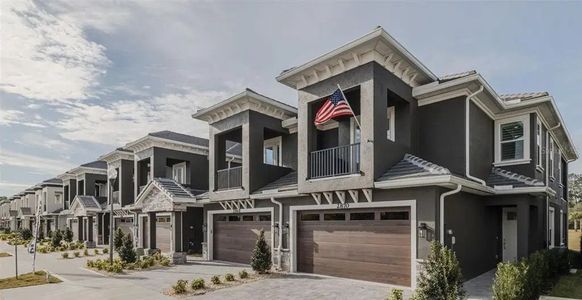
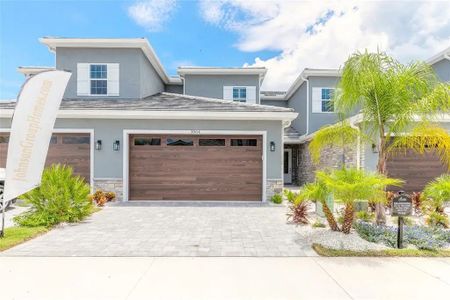
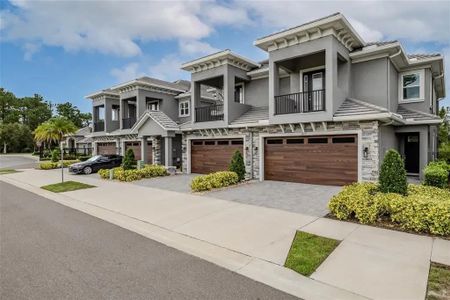
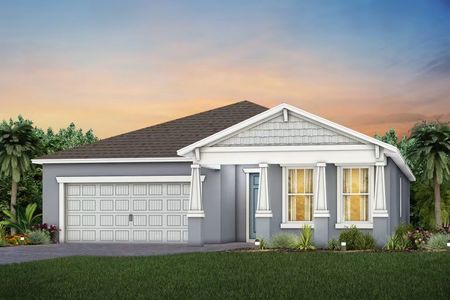
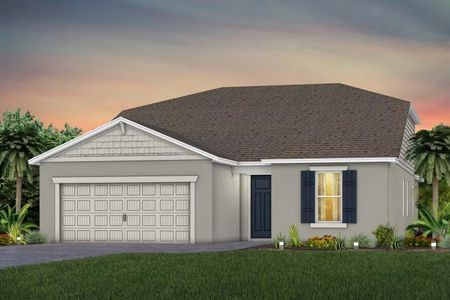
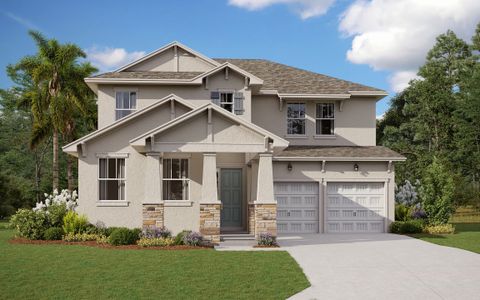
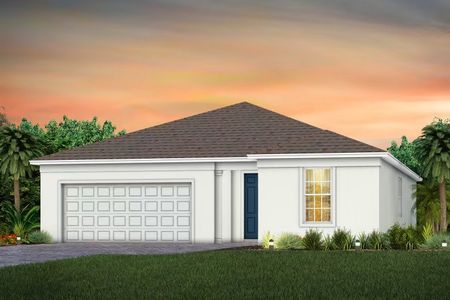
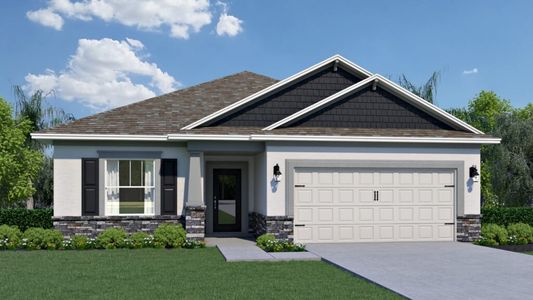
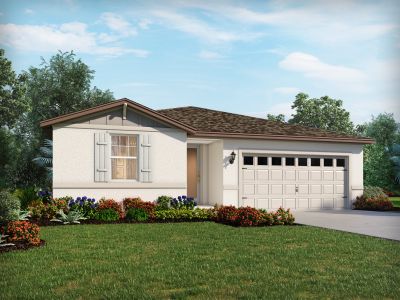
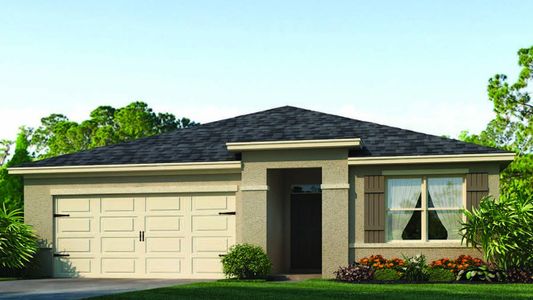
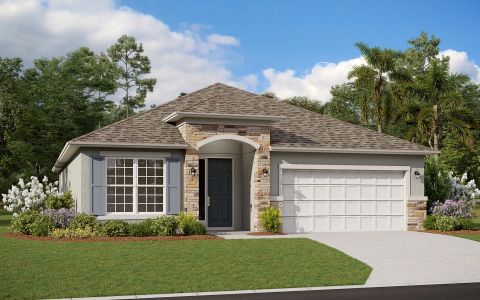
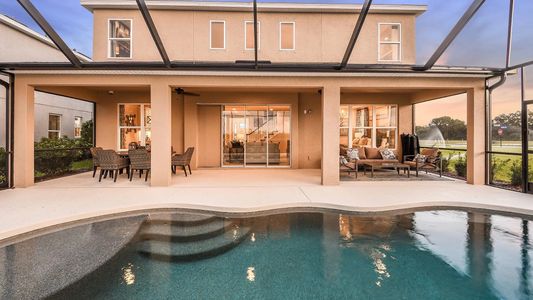
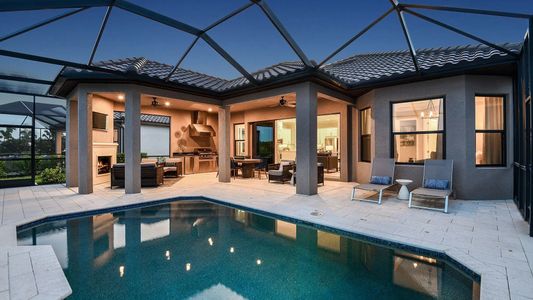
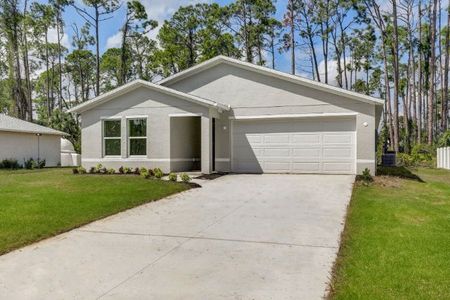
Browse currently available new construction homes, communities, and floor plans across the Greater Orlando Area. All listings are updated daily with the latest inventory from builders. Browse all communities & new homes in Greater Orlando Area
Top-rated new construction communities in Greater Orlando Area
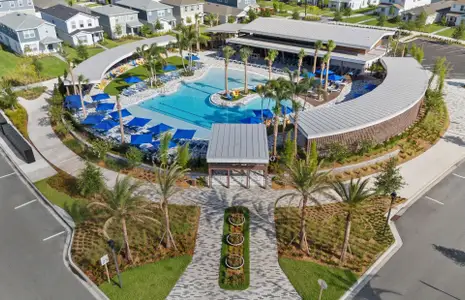
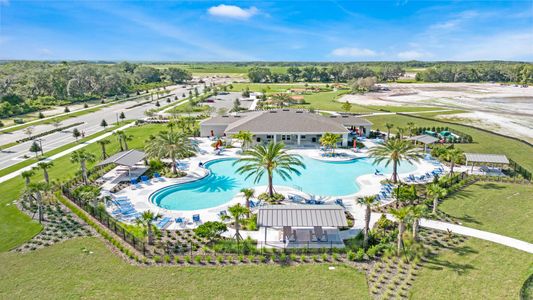
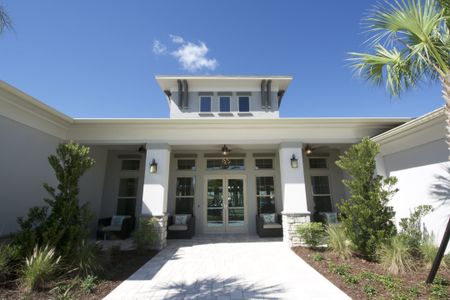


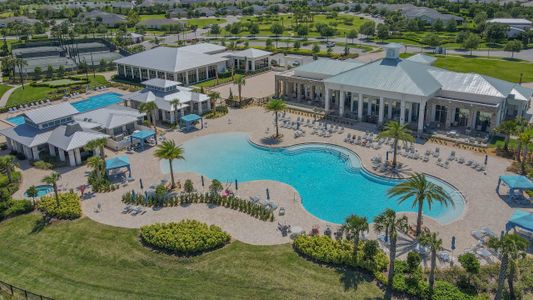
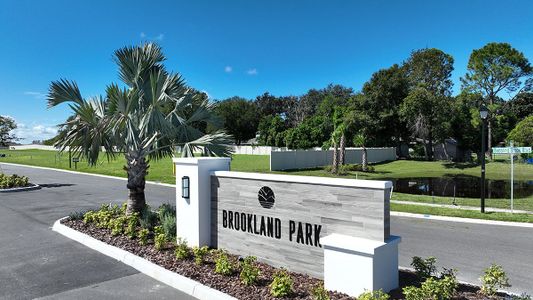
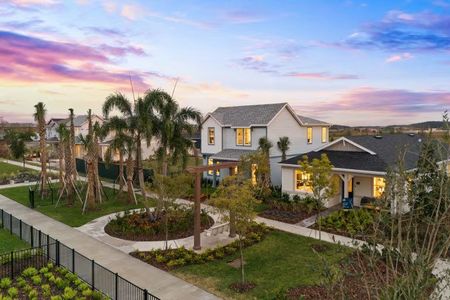
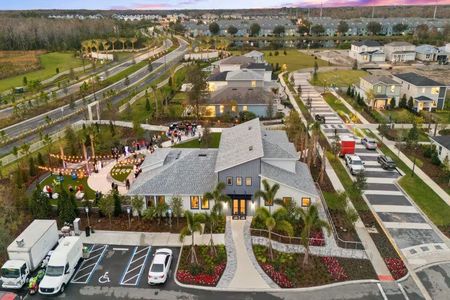
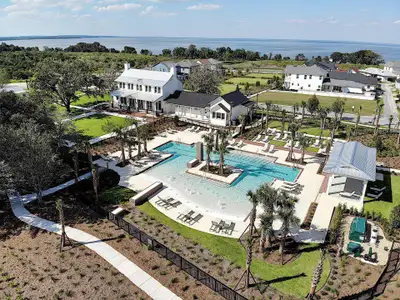
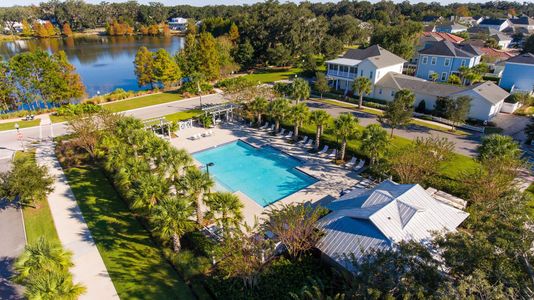
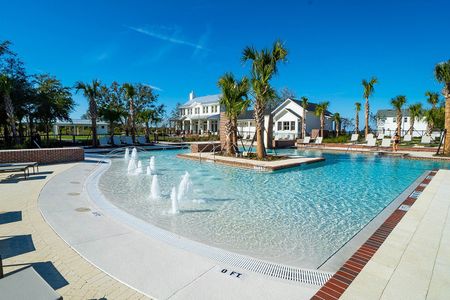
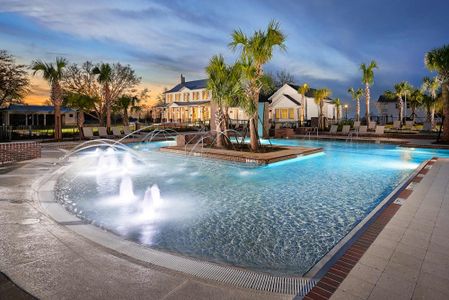
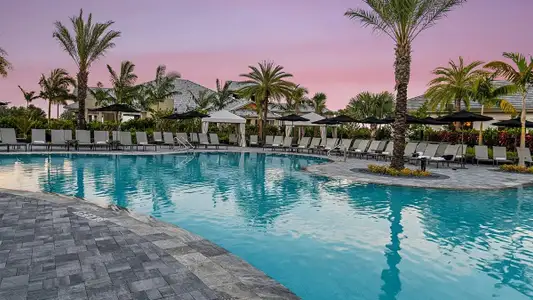
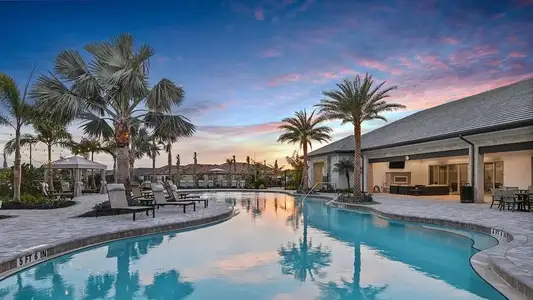
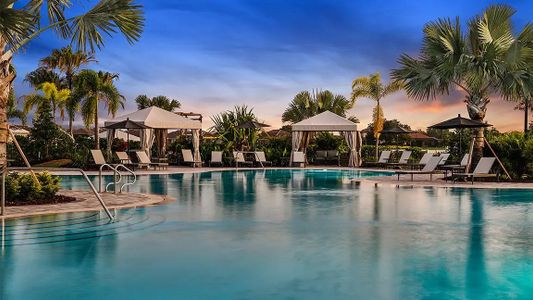
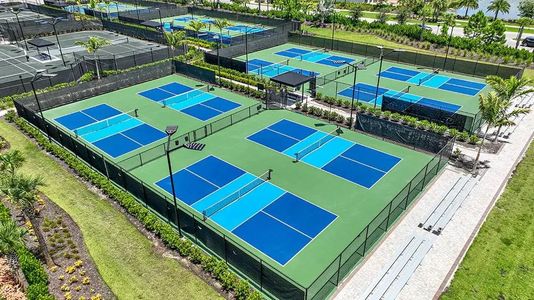
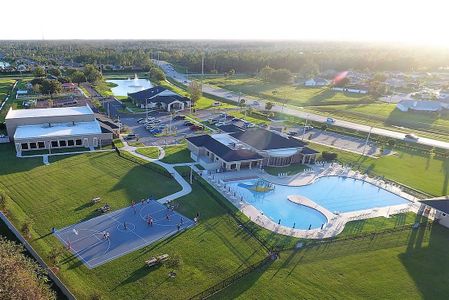
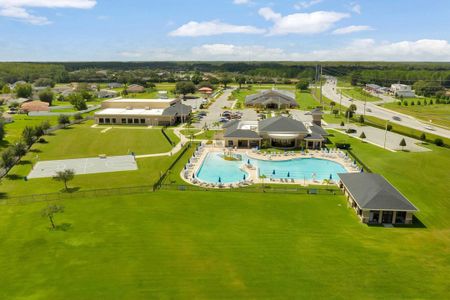
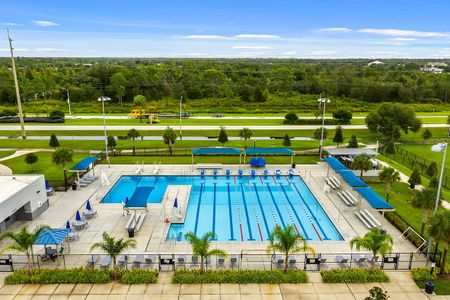
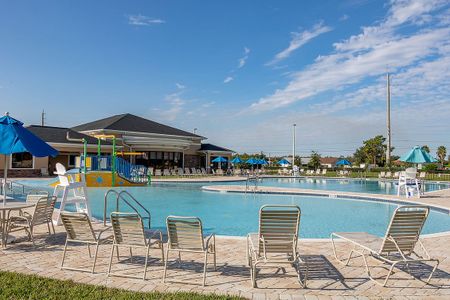
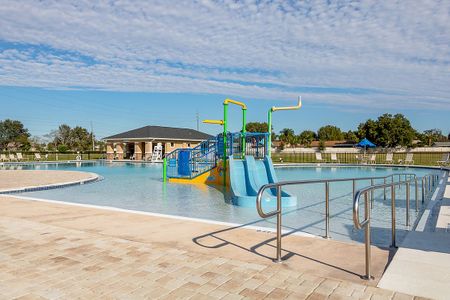
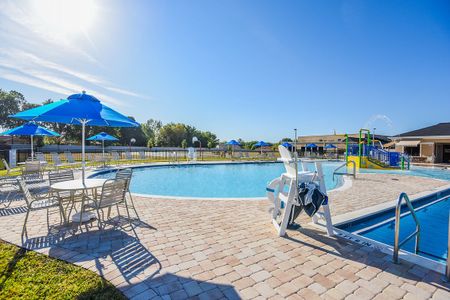
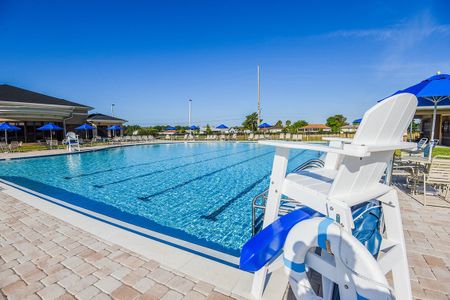
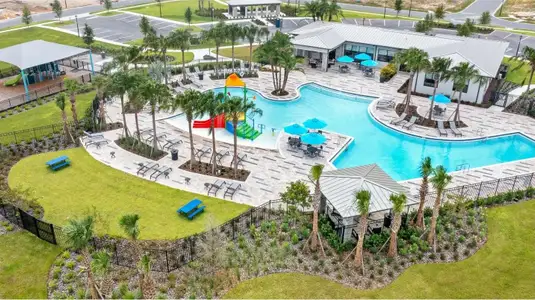
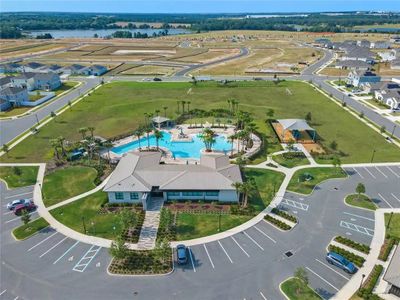
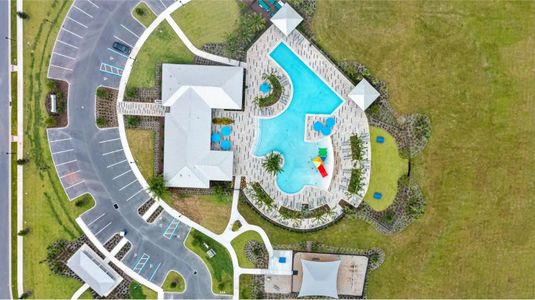
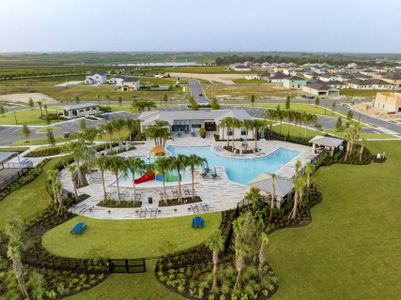
Master planned communities in Greater Orlando Area
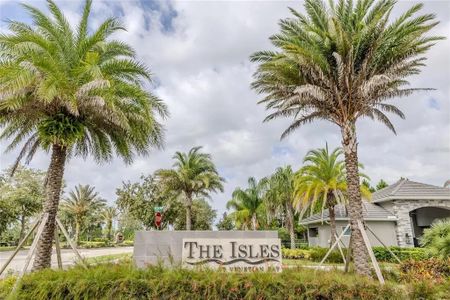
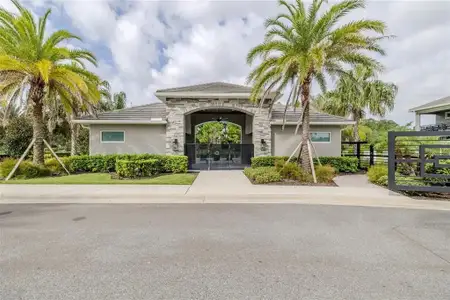
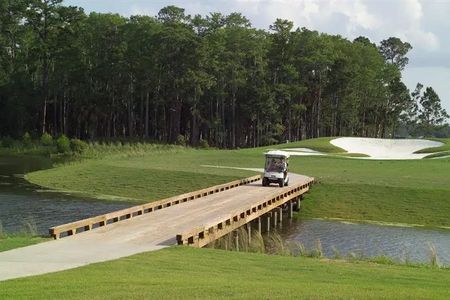
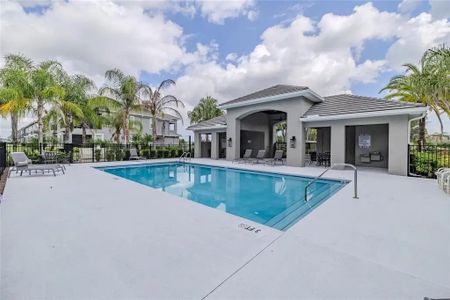
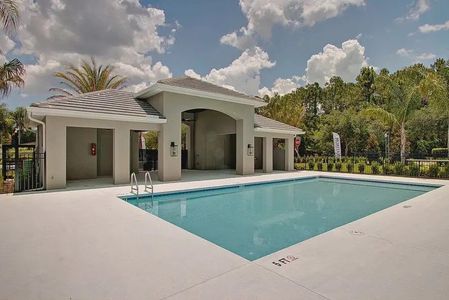
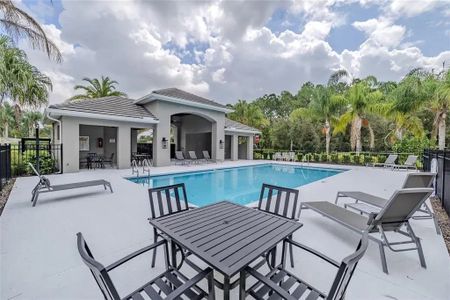
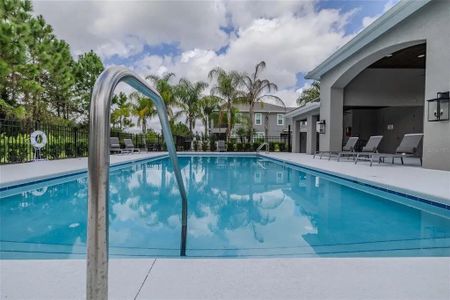
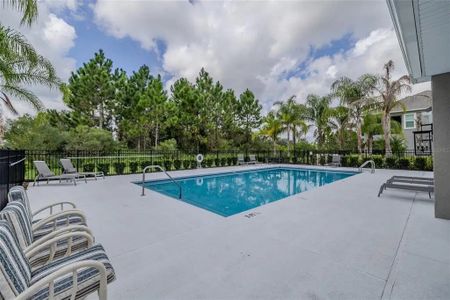
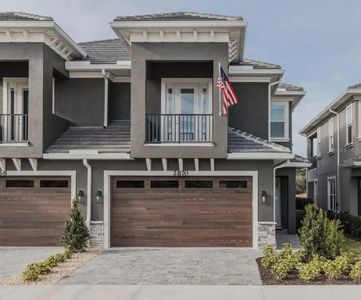
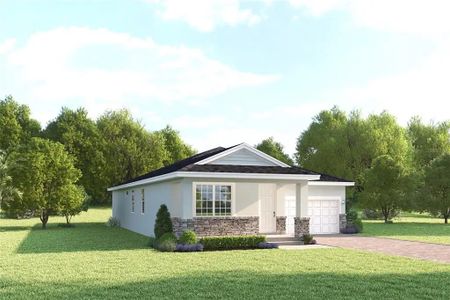
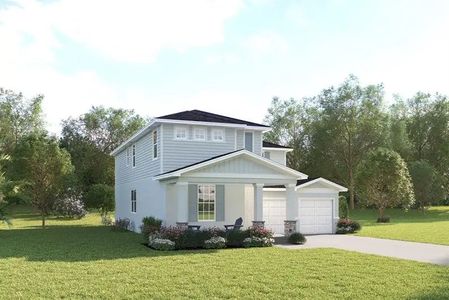
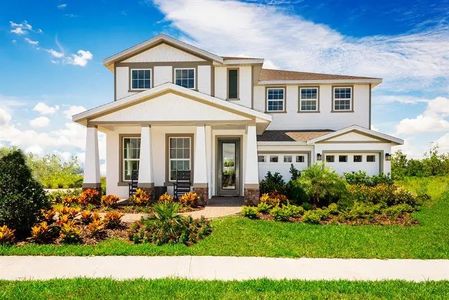
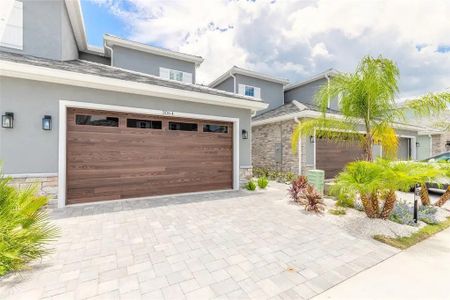
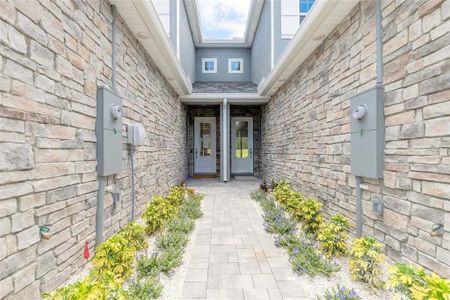
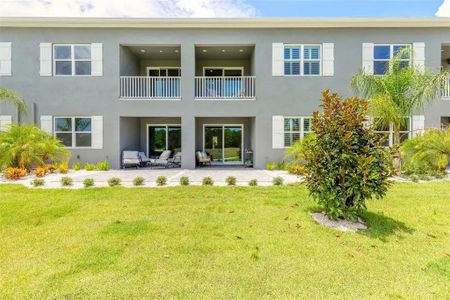
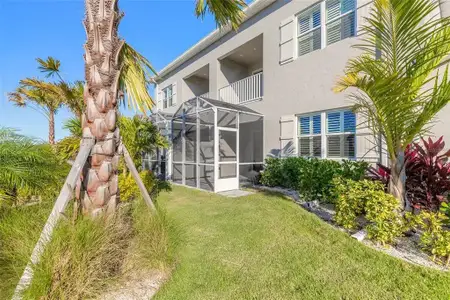
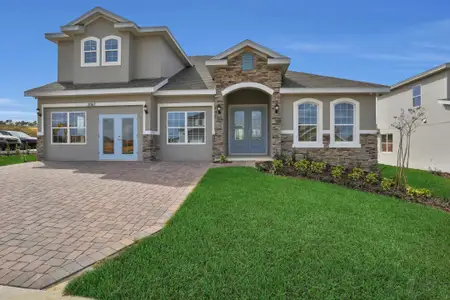
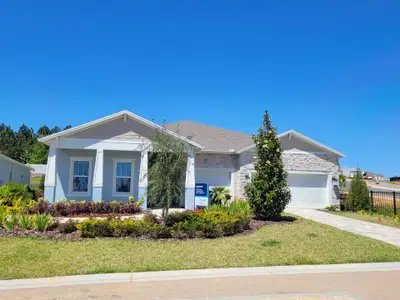
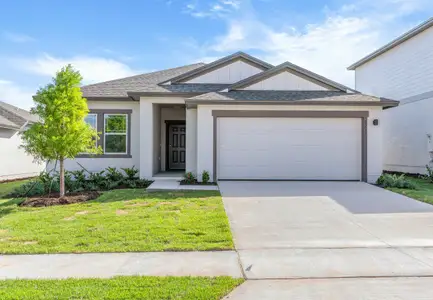
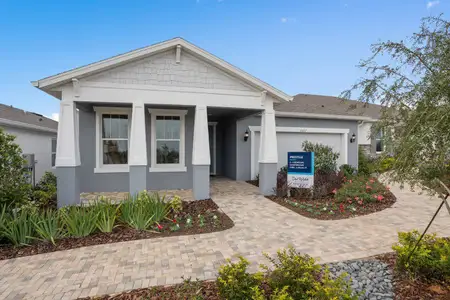
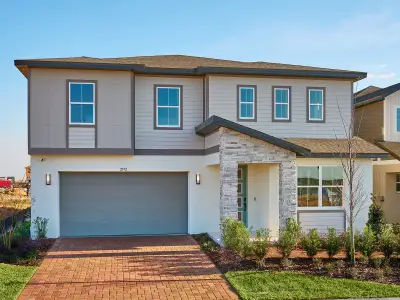
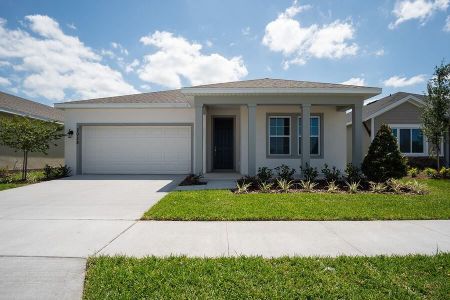
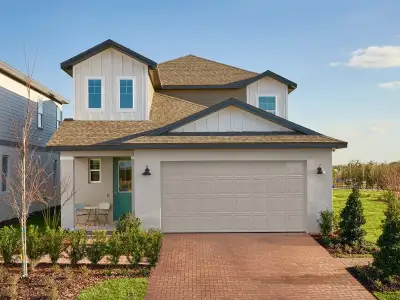
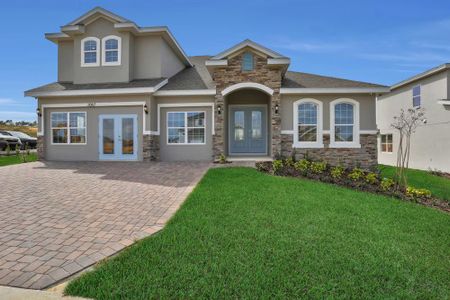
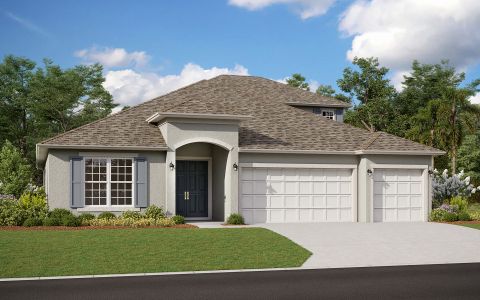
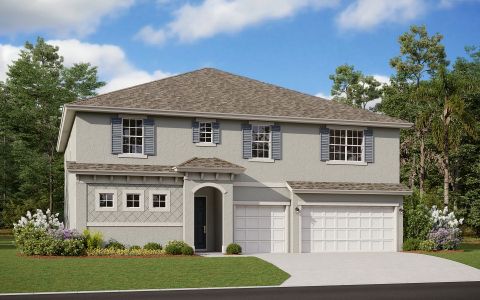
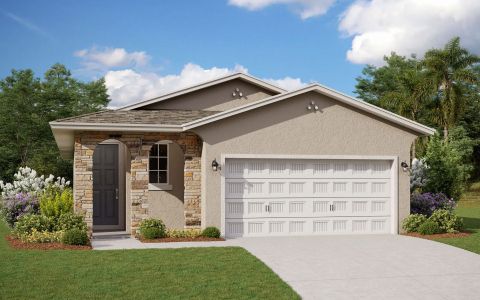
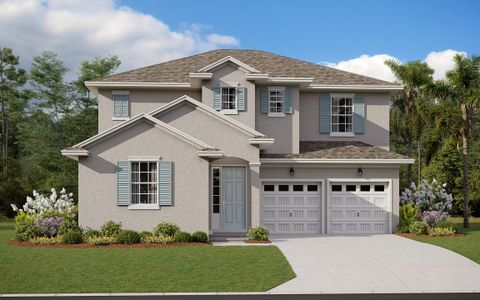
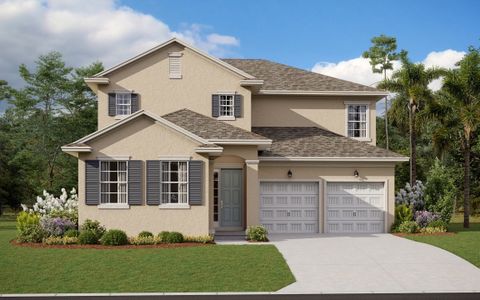
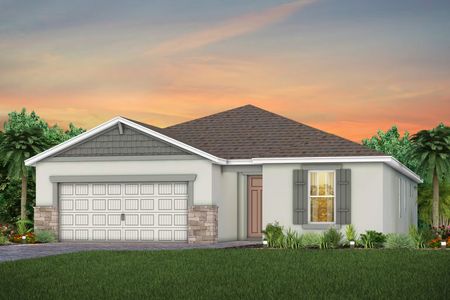
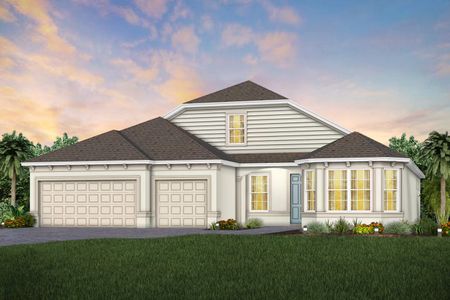








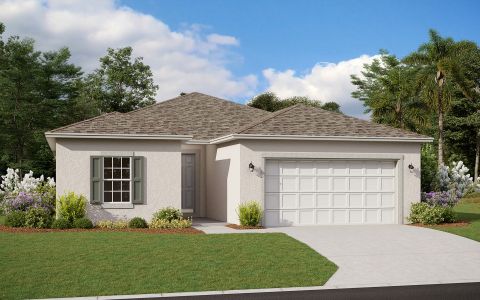
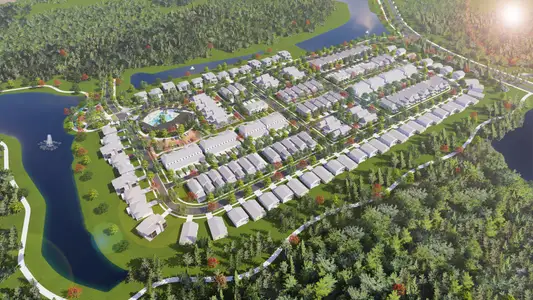
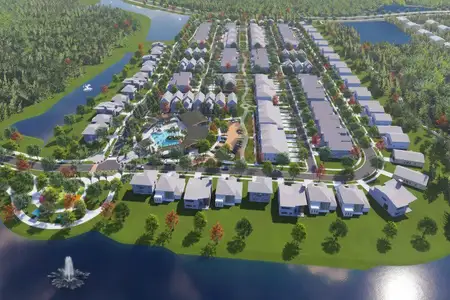
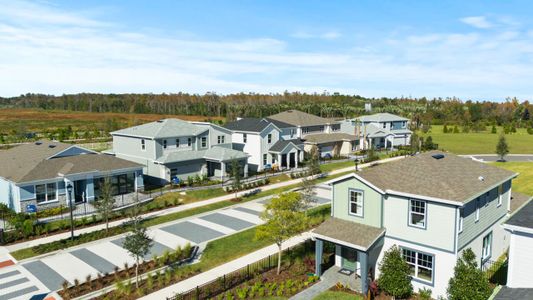
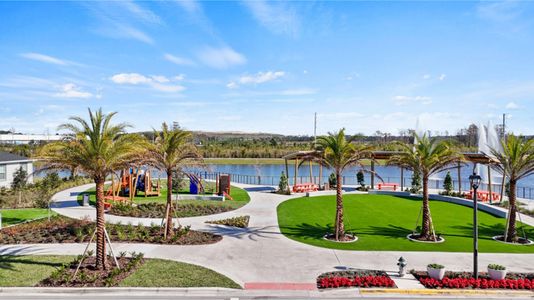
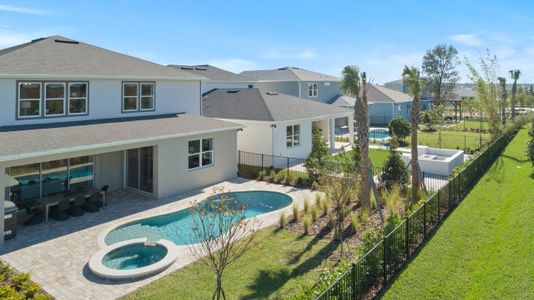
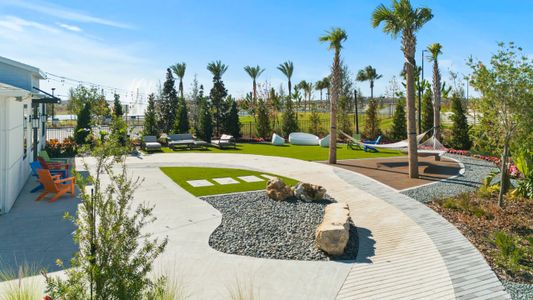
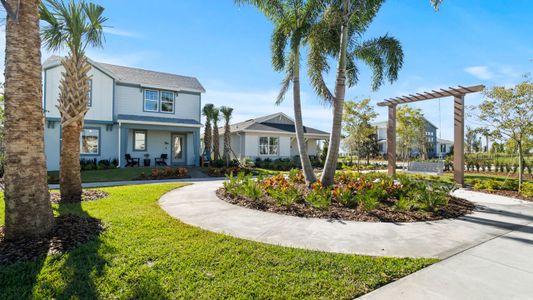



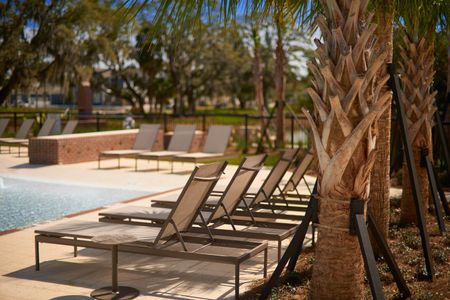
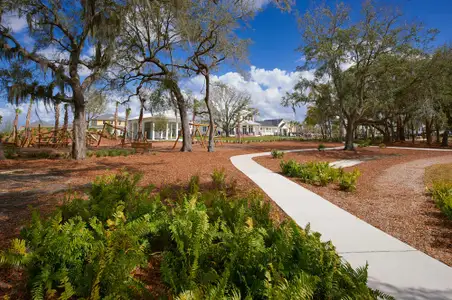
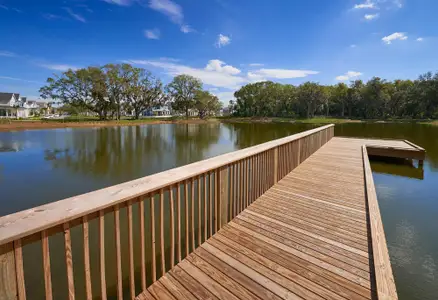

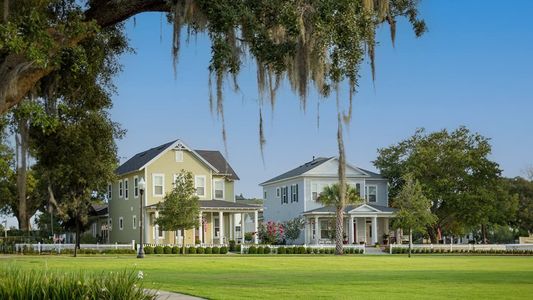
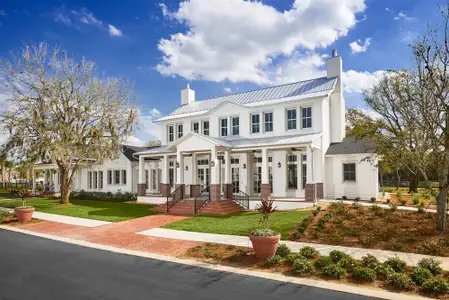
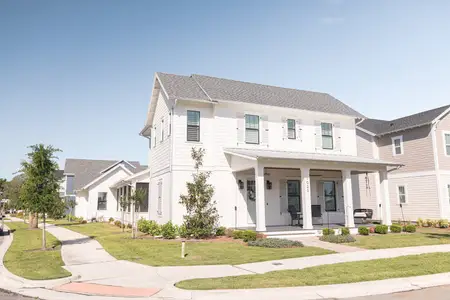
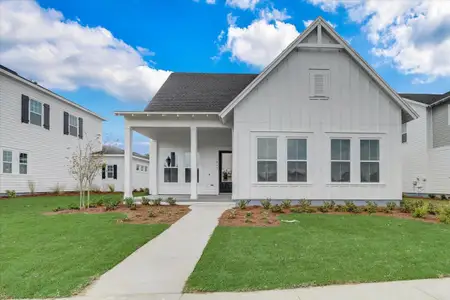


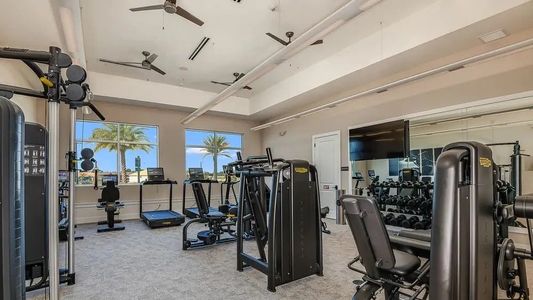
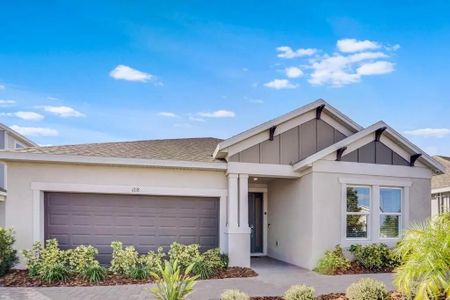
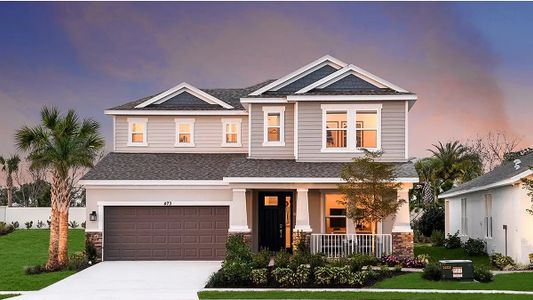
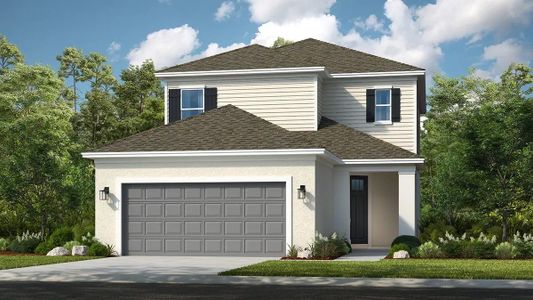
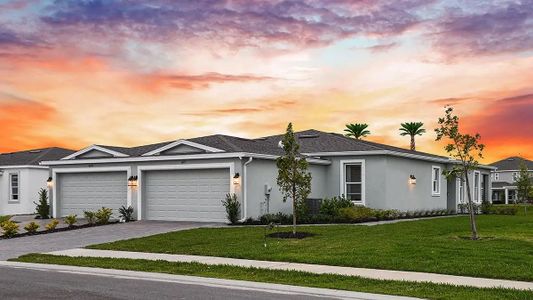
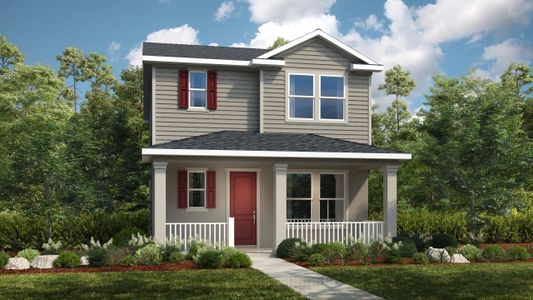
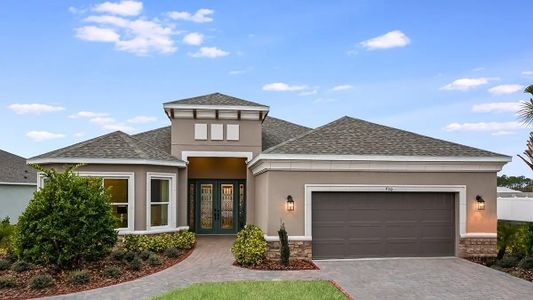
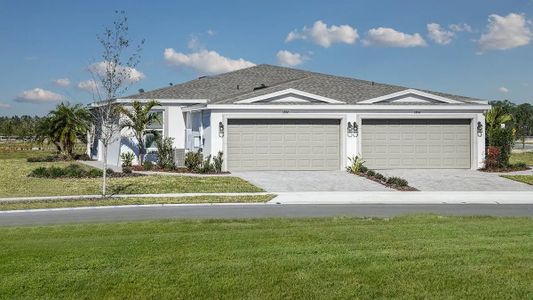
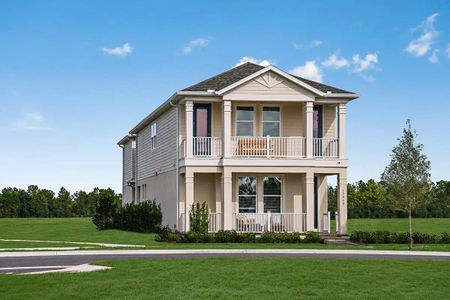
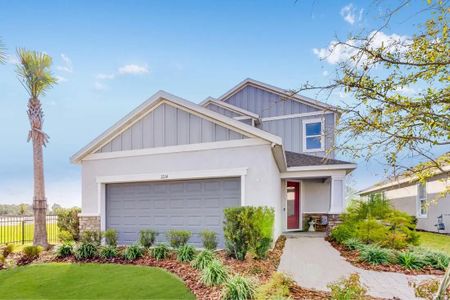
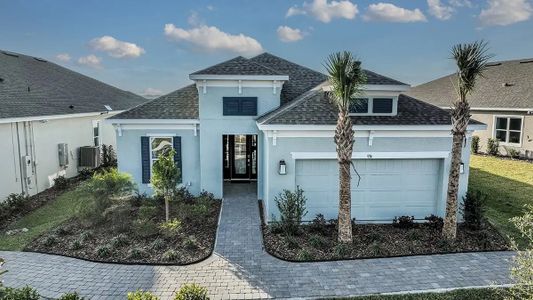
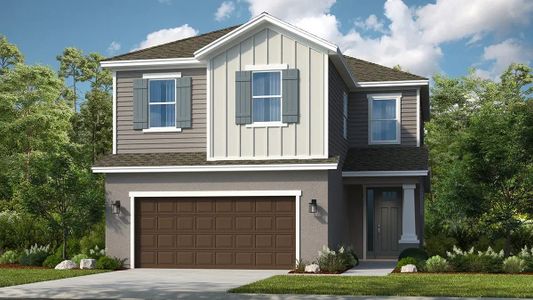



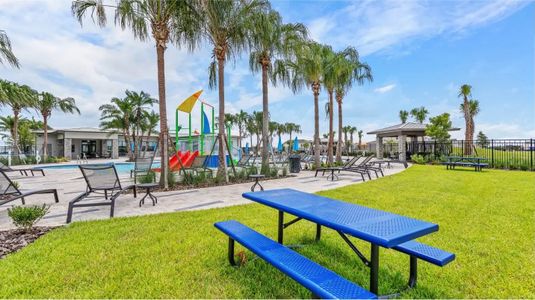
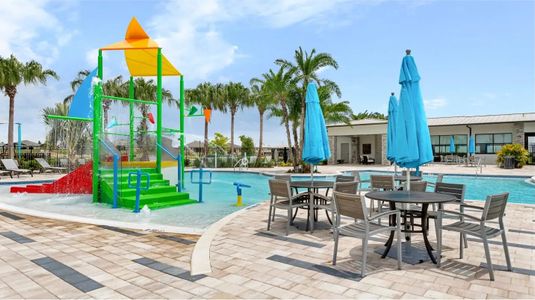
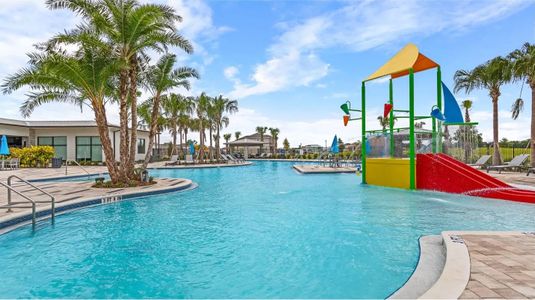
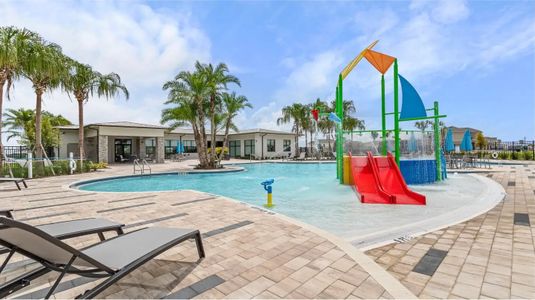
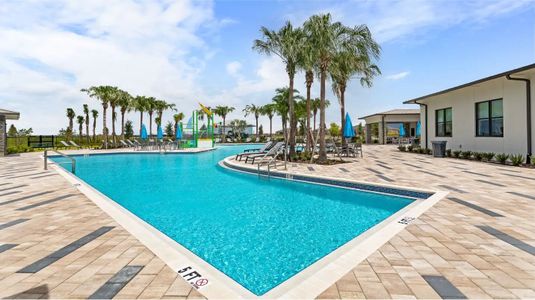
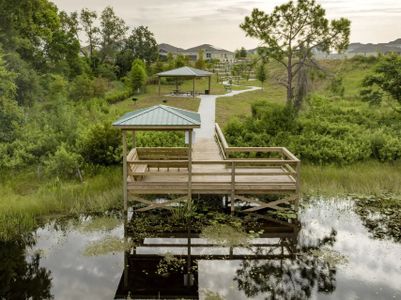
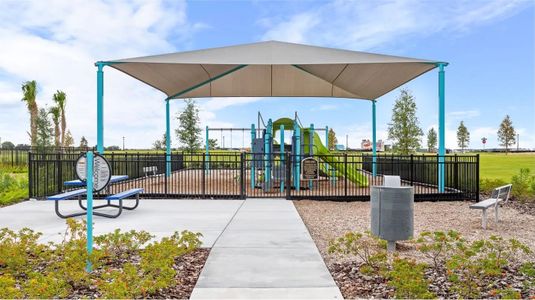
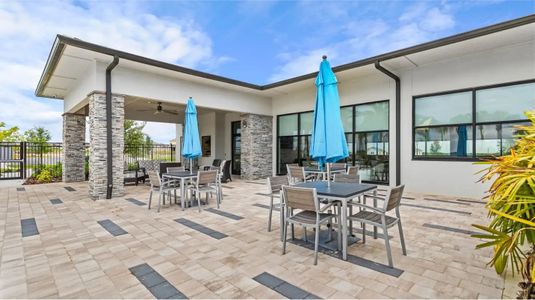
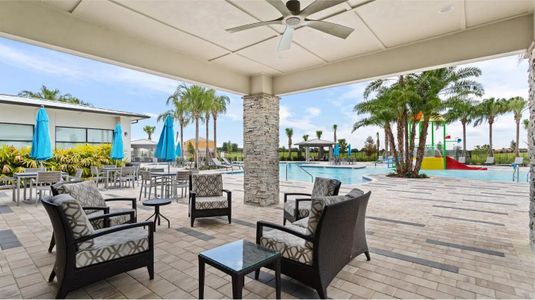
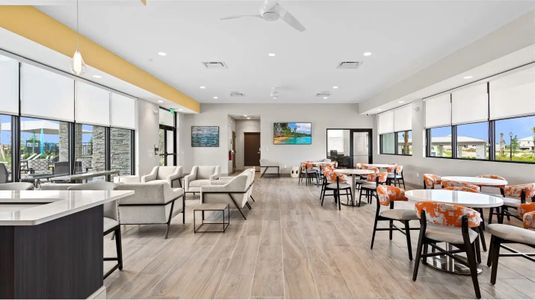
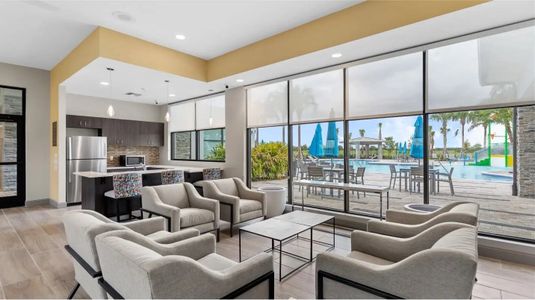
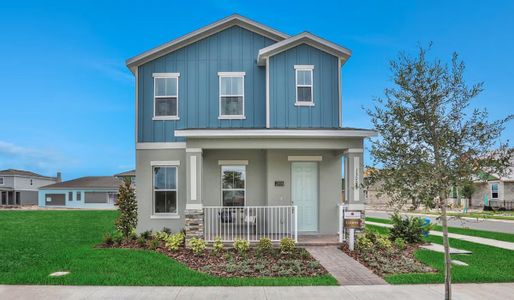
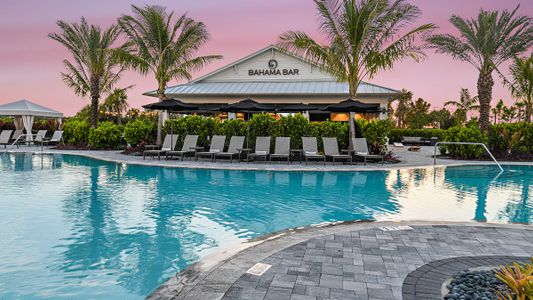


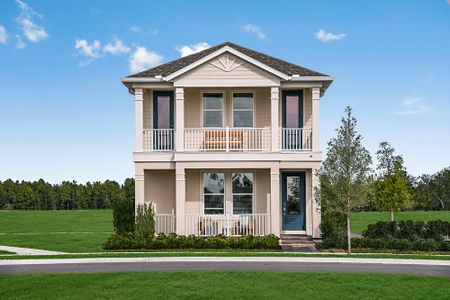
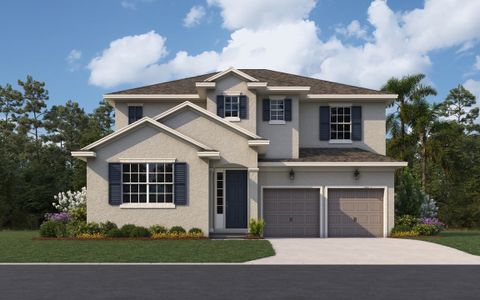
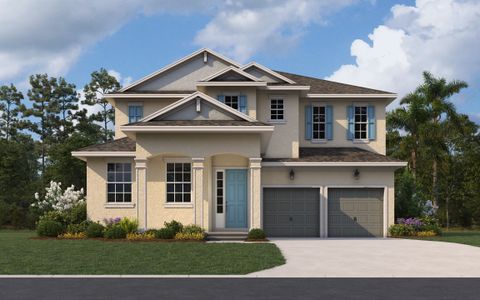
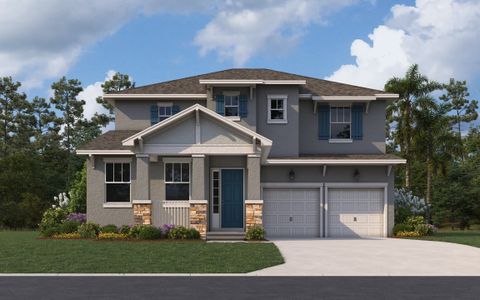
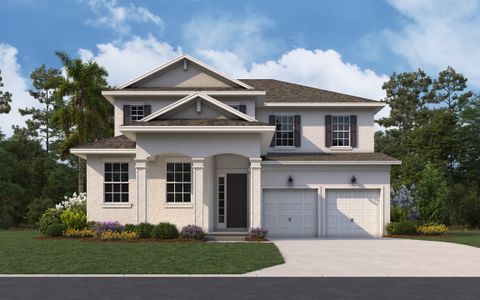
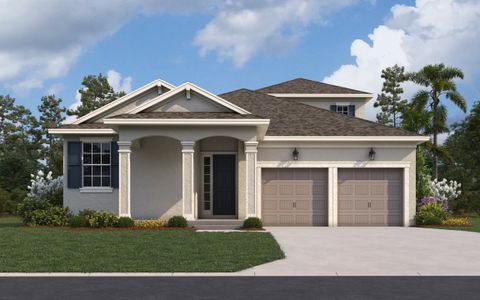
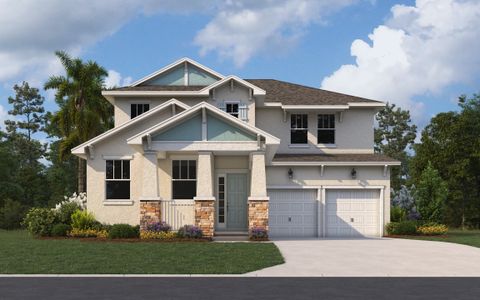
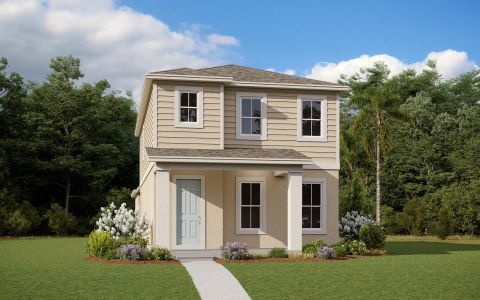
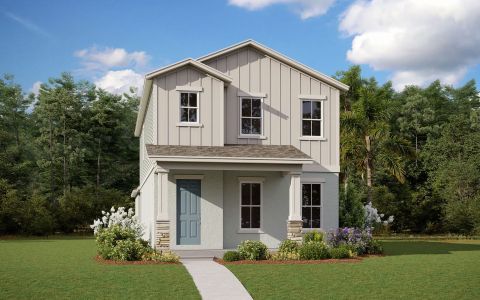
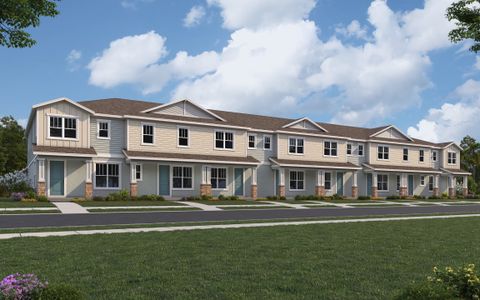
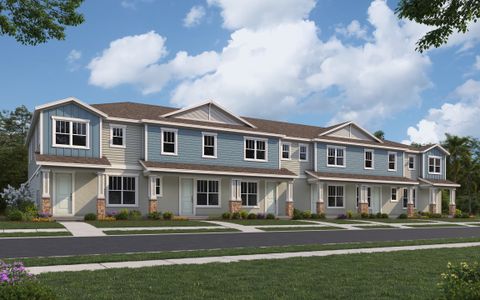
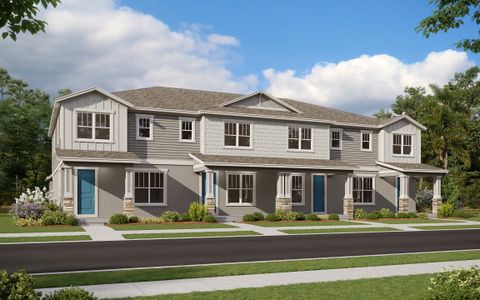
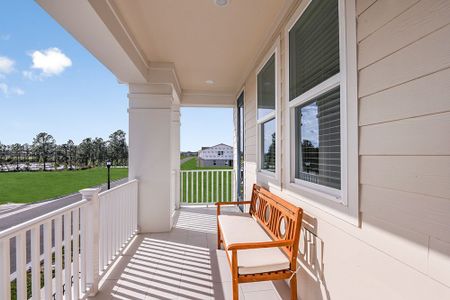



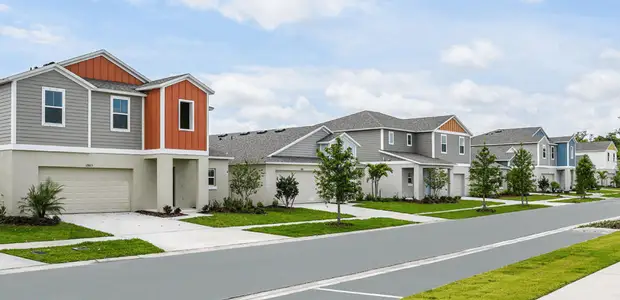
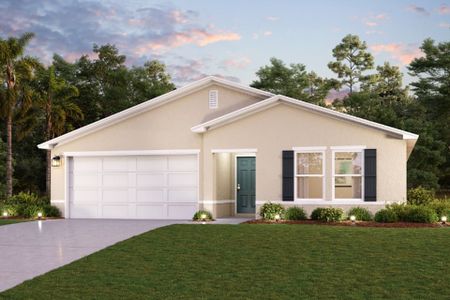
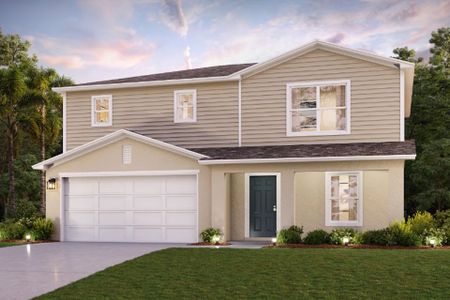

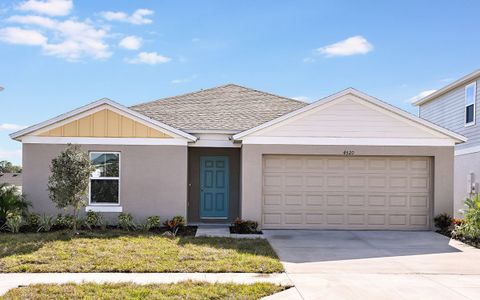
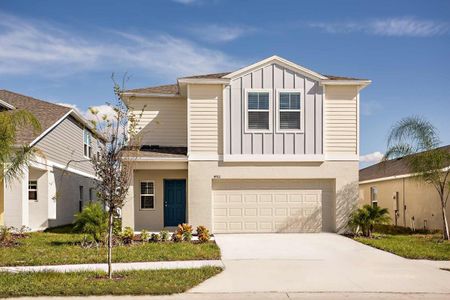
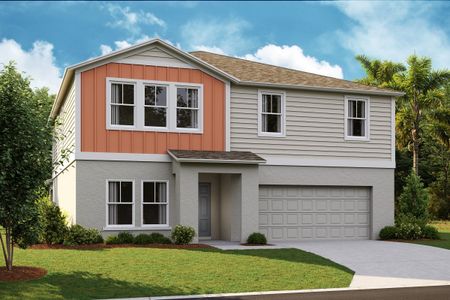
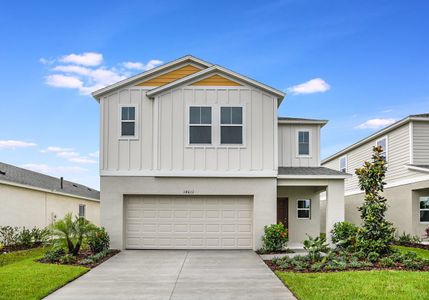
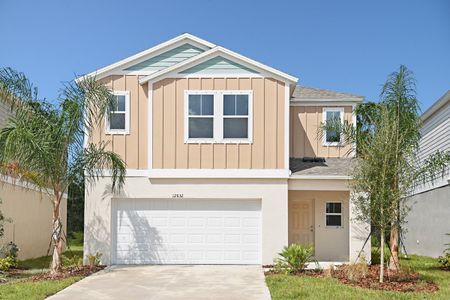
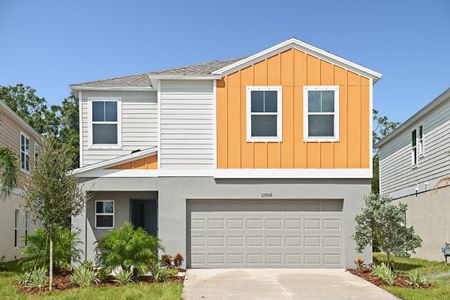
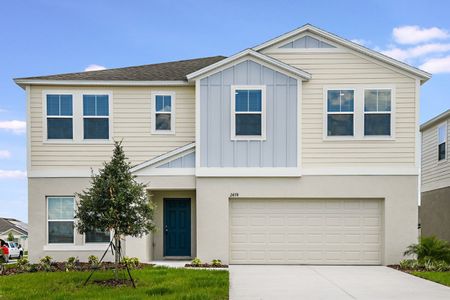
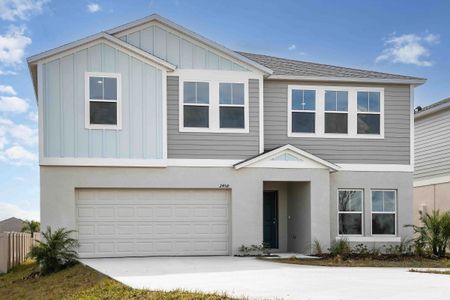
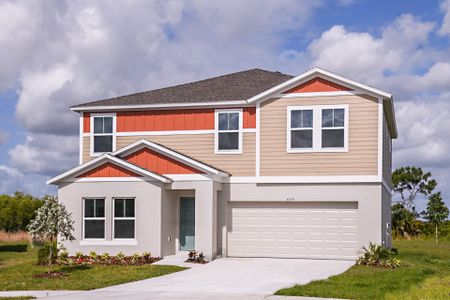
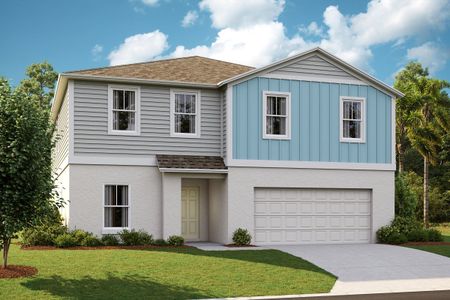
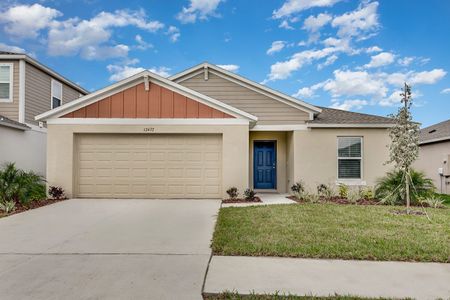
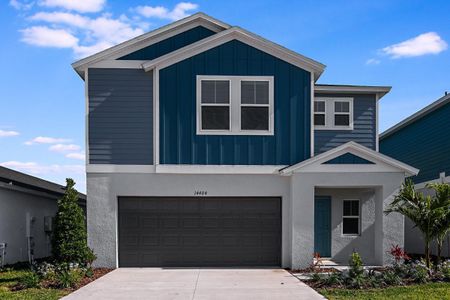
Browse communities & homes in Greater Orlando Area cities
Real estate in Greater Orlando Area
The Greater Orlando area's real estate market has been booming for the last few years and has recently ranked as the hottest real estate market for real estate investment. Although there is still a limited supply of homes in Orlando, the market is beginning to cool due to lower demand caused by interest rate rises and economic uncertainty. Experts expect that low inventory and continued strong demand for housing in the Greater Orlando area will maintain the market's position as a sellers' market in 2023.
Newly released communities


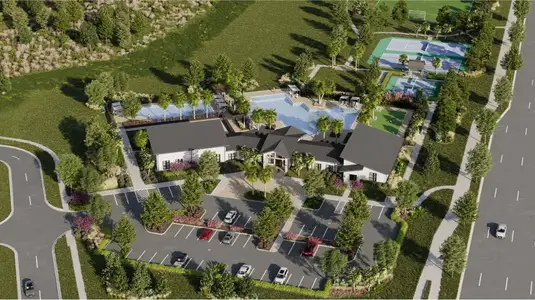


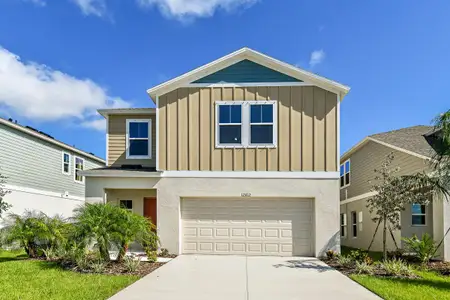
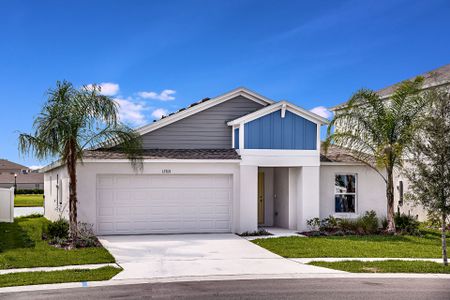
Recently listed homes
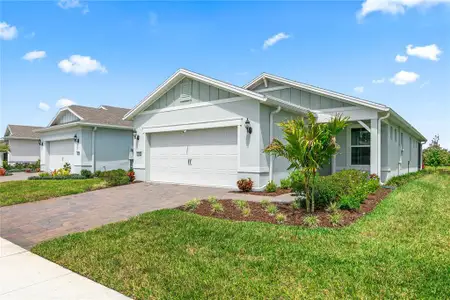
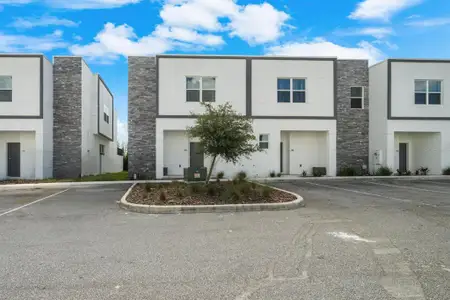
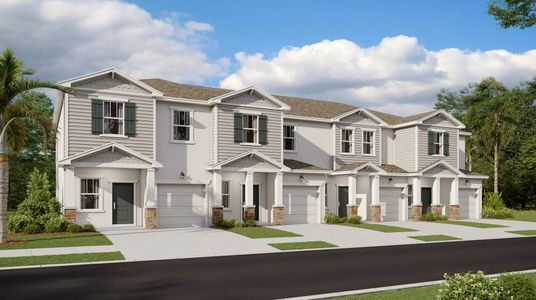
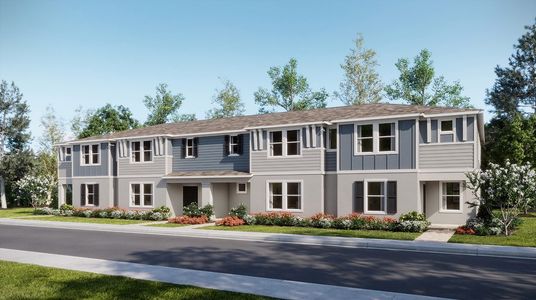
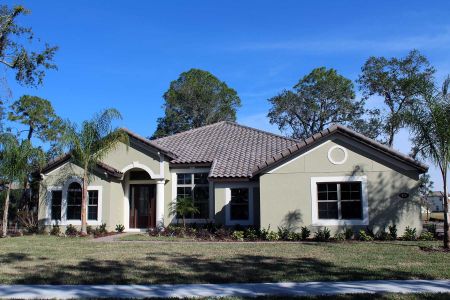
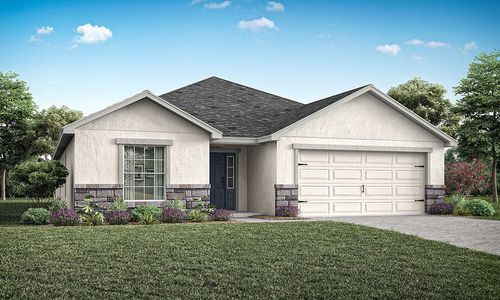
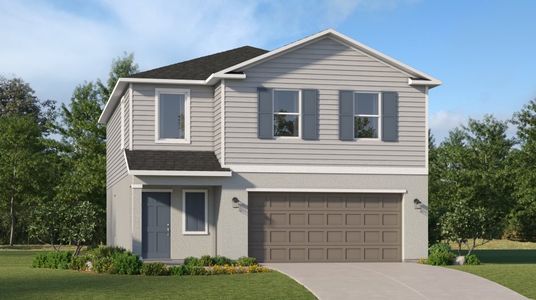
Recently published floor plans
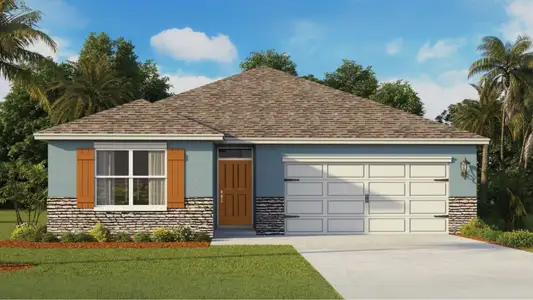
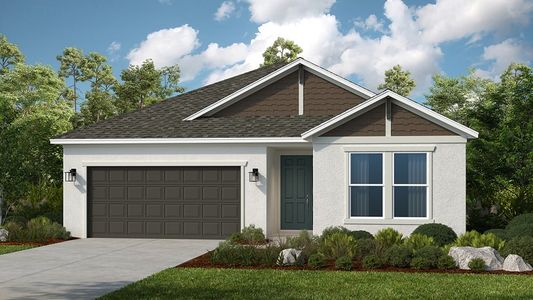
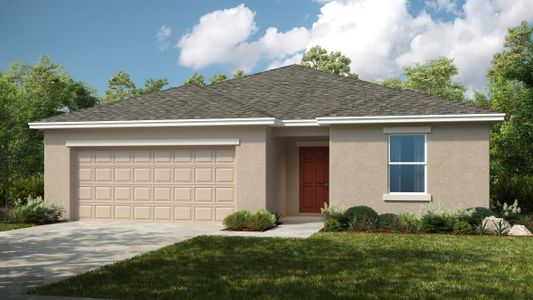

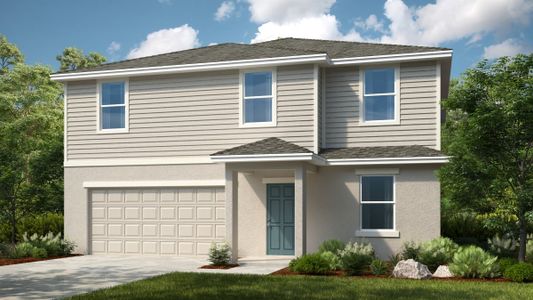
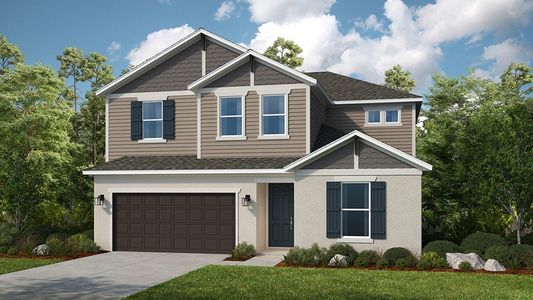
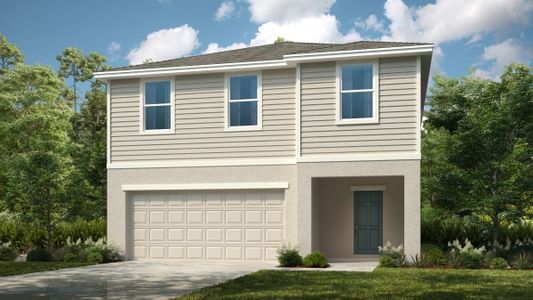
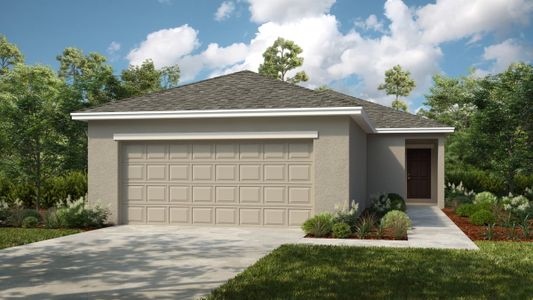
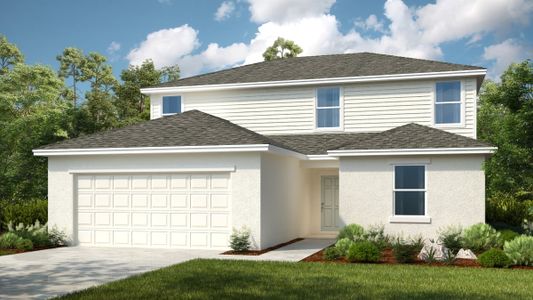
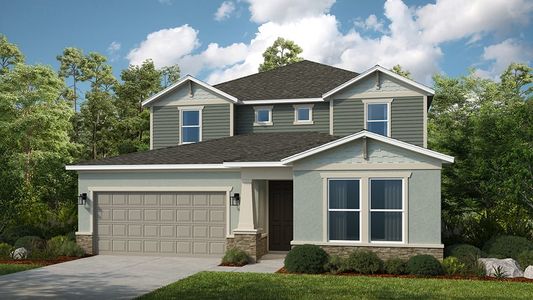
The most popular new construction builders in Greater Orlando Area









How does Orlando, FL compare to other real estate markets in Florida?
 Jacksonville Metropolitan Area3,923 homes49% less homes than in Orlando, FL3% lower median price
 Tampa Bay Area6,645 homes13% less homes than in Orlando, FL16% higher median price
 Miami Metropolitan Area4,049 homes47% less homes than in Orlando, FL362% higher median price
 Gainesville–Ocala Area3,464 homes55% less homes than in Orlando, FL26% lower median price
 Space Coast842 homes89% less homes than in Orlando, FL10% lower median price
 Treasure Coast1,768 homes77% less homes than in Orlando, FL17% higher median price
Read about new construction on Jome blog


Frequently asked questions
What is the current median sale price for a property in Greater Orlando Area?
Property values in the Greater Orlando Area are currently represented by a median sale price of $410,000, as recorded in December 2025. This figure is based on 7604 newly constructed homes, showcasing the expertise of 73 builders in the area.
Who are the major developers of new construction homes in Greater Orlando Area?
Homebuyers looking for new construction in Greater Orlando Area often choose homes built by D.R. Horton, Lennar, Pulte Homes, Maronda Homes and Taylor Morrison. These developers are known for delivering quality new homes across various price ranges.