
Greater San Antonio new construction market: prices, trends, guides & homes as of December 2025

About Greater San Antonio
With small-town charm and big-city amenities, San Antonio is one of the best places to live in Texas. The city boasts an array of cultural attractions, family-friendly activities, and incredible natural beauty. It's no surprise, therefore, that people from all over the U.S. are flocking to San Antonio to take advantage of all that the city offers its residents. San Antonio is currently the second-largest city in Texas and the seventh-largest in the United States. The Greater San Antonio area is made up of eight counties and has a population of over 2.5 million people, which is projected to double by 2050. San Antonio's strong job growth is one of the many reasons why the city is an ideal place to call home. It was recently ranked No. 7 out of 15 large metro areas with the highest job growth rates in the United States and No. 6 amongst major U.S. cities for technology job postings.
How are new home prices changing in San Antonio, TX?
Home price data reflects current listings in Greater San Antonio, Texas, sourced from Jome and updated regularly
*Based on Jome markets

Get free consultation with Greater San Antonio expert
Get a free, no-pressure consultation with our top Greater San Antonio new-construction expert. They know every major builder, the best deals and incentives, and exactly what's happening in the local new-construction market.
Greater San Antonio market overview
- Overall inventory9,456
- Single-family inventory9,317
- Townhouse inventory61
- Condo inventory27
- Multi-family inventory43
- Penthouse inventory0
- 1 bed inventory11
- 2 beds inventory157
- 3 beds inventory3,265
- 4+ beds inventory5,984
- Median home price$339,990
- Median sqft price$174.59
- Median 1 bed price$227,000
- Median 2 beds price$249,900
- Median 3 beds price$289,990
- Median 4+ beds price$374,257.5
- Min listing price$120,000
- Max listing price$4,950,000
- Min community price$120,999
- Max community price$1,439,700
Greater San Antonio median price change
| Month | Median price | Change |
|---|---|---|
| March 2025 | $360,595 | - |
| April 2025 | $365,120 | +1.25% |
| May 2025 | $359,880 | -1.44% |
| June 2025 | $355,994.5 | -1.08% |
| July 2025 | $351,273.5 | -1.33% |
| August 2025 | $348,498 | -0.79% |
What are the most popular buyers' searches?
What it's like to live in Greater San Antonio?
Greater San Antonio operates as Military City USA, a designation earned through the concentration of installations, defense contractors, and veterans that defines the metro's character more fundamentally than any other single factor. Joint Base San Antonio encompasses Lackland Air Force Base serving as the Air Force's only enlisted basic training location, Fort Sam Houston anchoring Army medical training and operations, and Randolph Air Force Base functioning as the Air Education and Training Command headquarters. These installations employ over 80,000 active-duty service members and civilians, creating an economy and culture where military service represents the norm rather than exception. Beyond the bases, San Antonio has diversified into healthcare, cybersecurity, tourism built around the Alamo and River Walk, and business operations at facilities including Port San Antonio's 1,900-acre innovation campus supporting 19,000 tech and logistics jobs. The common thread is San Antonio's position as Texas's most affordable major metro, where military families can purchase quality homes on E-5 salaries, where retirees stretch fixed incomes further than Austin or Dallas alternatives, and where the pace remains decidedly slower than the state's boom-town metros despite steady population growth that continues without the drama characterizing Houston's energy cycles or Austin's tech explosion.
Why San Antonio attracts steady growth without the hype
The military infrastructure defines San Antonio's economic foundation in ways that create stability other metros can't match. Joint Base San Antonio-Lackland serves as the sole Air Force enlisted basic training installation, processing every enlisted recruit entering the Air Force through its facilities. This creates permanent mission stability, as the Air Force can't easily relocate basic training without massive infrastructure investment elsewhere. Fort Sam Houston serves as the Army's primary medical training center, preparing combat medics, nurses, and medical specialists for deployment globally. Randolph Air Force Base hosts the Air Education and Training Command, overseeing all Air Force pilot training operations. The combined active-duty population exceeds 50,000 service members, with another 30,000-plus civilian employees and contractors supporting operations. This employment doesn't fluctuate with oil prices, tech sector layoffs, or economic downturns, providing the bedrock stability that San Antonio's housing market depends upon.
The defense contractor ecosystem surrounding the bases employs thousands in positions ranging from aircraft maintenance to cybersecurity operations. Port San Antonio, a redeveloped former Air Force base, has transformed into a mixed-use innovation campus with 19,000 tech and logistics jobs across aerospace maintenance, cybersecurity operations, and advanced manufacturing. Brooks City Base represents another successful base conversion, now functioning as a mixed-use community with jobs, parks, schools, and easy I-37 access serving San Antonio's southeast quadrant.
The healthcare sector has expanded substantially, leveraging Fort Sam Houston's military medical presence to build civilian operations. Major hospital systems including Methodist Healthcare, Baptist Health System, and University Health serve the metro, creating employment for physicians, nurses, and administrators beyond just military medical personnel. The South Texas Medical Center research park attracts biotech companies and pharmaceutical operations, creating a growing cluster that provides career opportunities independent of military service.
The tourism economy built around the Alamo, San Antonio River Walk, and theme parks including SeaWorld and Six Flags Fiesta Texas employs tens of thousands in hospitality, food service, and entertainment operations. While these positions typically pay less than military or healthcare roles, they create employment accessible to workers without college degrees or specialized training, contributing to the metro's affordability by providing jobs across skill levels.
USAA's headquarters presence brings corporate employment and insurance industry jobs, with the company maintaining significant operations serving military members and their families. The corporate campus provides stable white-collar employment complementing the military and healthcare sectors.
The tax structure delivers the advantage that draws many to Texas. The state collects zero income tax, meaning a military family or healthcare worker earning $95,000 annually saves $4,000 to $7,000 compared to states like California or Virginia. Property taxes fund local services, with rates typically between 2.1% and 2.5% of assessed value depending on county and municipality, similar to other Texas metros but applied to lower home values that reduce absolute tax payments.
The cost of living represents San Antonio's most compelling advantage over Austin, Dallas, and Houston. Quality new construction in solid San Antonio suburbs ranges from $280,000 to $420,000, with premium areas including Stone Oak and developments north along I-10 reaching $480,000 to $680,000. The metro offers genuine affordability that Austin has lost and that Dallas and Houston increasingly struggle to maintain, making San Antonio the last major Texas metro where middle-class military families, teachers, and service workers can purchase new construction without extreme financial strain.
The climate delivers hot summers where temperatures regularly exceed 95 degrees from June through August, though typically with somewhat lower humidity than Houston creates slightly more tolerable conditions despite similar temperatures. Winters remain mild with rare freezes. Spring brings pleasant weather before heat arrives. The metro's inland location eliminates hurricane risk that affects Houston and Corpus Christi, though severe thunderstorms and occasional flooding affect the region. Year-round outdoor living remains possible for those accepting summer heat.
Understanding Greater San Antonio by buyer profile
San Antonio's military dominance, affordability advantage, and slower growth pace create buyer profiles distinct from other major Texas metros, with new construction serving demographics that increasingly find Austin and Dallas financially inaccessible.
For Active-Duty Military Families Across Ranks and Services: Joint Base San Antonio's massive presence creates the metro's most distinctive buyer segment. Air Force enlisted personnel completing basic training at Lackland often receive their first permanent assignments at San Antonio bases, purchasing homes using VA loans with zero down payment requirements. Junior enlisted families earning $45,000 to $65,000 in base pay plus allowances can purchase new construction townhomes from $240,000 to $290,000 in areas including southwest San Antonio and communities near Lackland. Senior NCOs and junior officers earning $70,000 to $110,000 target single-family homes from $300,000 to $420,000 in communities throughout the metro offering reasonable commutes to multiple installations. Field-grade officers and senior NCOs approaching retirement often purchase homes anticipating transition to civilian employment while remaining in the area, seeking properties in the $380,000 to $550,000 range in areas including Stone Oak, Schertz, and New Braunfels. Military buyers prioritize locations offering access to multiple bases, as PCS orders can move families between Lackland, Randolph, and Fort Sam Houston while remaining in San Antonio. They seek communities with other military families who understand deployment schedules, shift work, and the unique rhythms of military life. New construction appeals particularly to military buyers because VA loans don't require down payments, builder incentives can cover closing costs entirely, and new homes eliminate the immediate repair risks that older properties create for families facing potential deployments.
For Military Retirees Establishing Post-Service Roots: San Antonio attracts enormous military retiree settlement, with veterans completing 20-plus year careers choosing to remain in the area rather than returning to home states or relocating elsewhere. These buyers bring military retirement income, often supplement with civilian employment or VA disability payments, and value San Antonio's combination of base access for medical care and commissary privileges, military-friendly culture where service remains respected, and affordability allowing retirement income to stretch further than most metros. Military retirees concentrate in areas throughout the metro but particularly in communities north toward New Braunfels, northwest near Boerne, and northeast around Schertz and Cibolo offering suburban space at reasonable costs. They seek single-story layouts accommodating aging without stairs, communities with lawn maintenance services, and proximity to base facilities they retain access to through retirement. Price points range from $290,000 to $480,000, with many purchasing using proceeds from selling homes in expensive duty station locations including California or the Northeast, allowing cash purchases or substantial down payments. These buyers often maintain connections to active-duty community while transitioning to civilian life, creating neighborhoods mixing active military and veteran families.
For Defense Contractors and Civilian Base Employees: The massive civilian workforce supporting San Antonio's military installations includes defense contractors working in cybersecurity at Port San Antonio, aircraft maintenance operations, intelligence analysis, and various support functions. These professionals earn $65,000 to $140,000 depending on skill level and security clearances, creating housing demand throughout the metro. They prioritize reasonable commutes to specific facilities including Port San Antonio's tech campus, Lackland's contractor operations, and Fort Sam Houston's medical contracting positions. New construction serves this market from $320,000 to $550,000, with buyers seeking neighborhoods offering both military community connections and professional civilian environments. Defense contractors often relocate from other military-heavy metros including Norfolk, Colorado Springs, or Huntsville, finding San Antonio's costs reasonable while climate proves more appealing than colder alternatives. They research school quality more carefully than active-duty families who may PCS after a few years, as contractors often maintain longer-term stability in positions tied to specific installations.
For Healthcare Professionals Across Specializations: San Antonio's expanding healthcare sector creates demand from physicians, nurses, medical technicians, and healthcare administrators working at civilian hospital systems and military medical facilities. Fort Sam Houston's massive Army medical presence creates unique dynamics, with military medical personnel and civilian healthcare workers serving overlapping patient populations. Civilian physicians at Methodist, Baptist, or University Health systems earn $180,000 to $400,000-plus depending on specialty, while nurses and technicians earn $60,000 to $95,000. New construction serves this wide income range from $310,000 for nurses and medical technicians to $650,000-plus for established physicians. Healthcare professionals prioritize locations offering reasonable commutes to specific hospital campuses, with South Texas Medical Center creating demand in northwest areas, downtown hospitals drawing buyers to close-in neighborhoods, and suburban facilities generating local demand. Many healthcare workers relocate from other markets for positions at San Antonio facilities, finding the metro's costs allow better lifestyles than expensive medical markets including Boston or California despite somewhat lower salaries.
For Corporate Professionals and USAA Employees: USAA's headquarters presence creates concentrated white-collar employment serving military members and their families through insurance and financial services. Corporate employees earn $70,000 to $180,000 depending on seniority and department, creating demand in areas offering reasonable commutes to the northwest campus. Beyond USAA, various corporate operations, professional services firms, and business operations throughout the metro employ white-collar workers. These buyers seek different neighborhoods than traditional military families, often preferring areas including Stone Oak, Alamo Heights proximity, or developments northwest along I-10 offering corporate professional environments. New construction serves this demographic from $380,000 to $650,000, with buyers typically valuing school quality, master-planned amenities, and neighborhoods with other educated professionals rather than specifically military community identity.
For Growing Families Prioritizing Affordability and Space: San Antonio's affordability advantage over Austin creates substantial family migration from the capital city, with buyers priced out of Austin's market finding San Antonio offers more space, better value, and reasonable access to Austin employment via I-35 corridor commutes despite 75-plus mile distances. Families earning $85,000 to $130,000 combined income can purchase 2,400 to 3,200 square foot new homes in San Antonio for prices that would only secure 1,800 square foot properties in Austin's outer suburbs. School district quality varies throughout San Antonio, with Northside ISD, North East ISD, and Comal ISD serving areas north of the city maintaining stronger reputations than inner-city districts. Families research specific schools rather than trusting district-wide quality, as performance varies substantially. New construction communities position strategically within better-performing zones, though San Antonio's overall school ratings run below Austin's top districts, requiring families to adjust expectations. Price points range from $320,000 to $480,000 for family-sized homes in solid but not premium areas, delivering value that other major Texas metros increasingly struggle to match.
For First-Time Buyers Seeking Entry Points: San Antonio represents the last major Texas metro offering genuine first-time buyer accessibility, with new construction townhomes from $220,000 and starter single-family homes from $270,000 available in workable locations throughout the metro. Young military couples, healthcare workers, teachers, and service industry workers earning $55,000 to $85,000 combined income can achieve homeownership years earlier in San Antonio than Austin or Dallas would allow. These buyers maximize square footage over location, often purchasing 1,800 to 2,200 square foot homes offering space impossible at similar price points in other metros. FHA loans with 3.5% down payments and VA loans with zero down requirements make new construction accessible when builders offer incentives covering closing costs. Many first-time buyers are young military families using VA benefits to purchase first homes, often starting families and seeking space rather than urban amenities or premium school districts that will matter more as children reach school age.
For Retirees Seeking Affordable Mild Climate: San Antonio attracts retirees from across the country seeking year-round warmth, lower costs than coastal alternatives, and a slower pace than Dallas or Houston provide. The zero income tax benefits retirees living on Social Security, pensions, and investment distributions, creating thousands in annual savings versus higher-tax states. Military retirees represent a substantial subset, but civilian retirees from various backgrounds also choose San Antonio for affordability and climate. They concentrate in age-restricted communities and areas throughout the metro offering single-story layouts, master-on-main configurations, and low-maintenance living. Price points range from $260,000 for modest active adult communities to $450,000 for premium locations with golf course access and extensive amenities. Access to quality healthcare matters increasingly with age, with San Antonio's major hospital systems and military medical facilities providing comprehensive care. The metro's large retiree population creates community and services catering to older adults, making the transition easier than moving to younger-skewing boom cities.
The real costs beyond mortgage principal and interest
Your actual monthly housing expense in Greater San Antonio extends beyond the base mortgage payment, though the metro's affordability means total costs remain lower than other major Texas cities despite similar tax structures.
- Property taxes fund local services throughout Texas, with San Antonio-area rates reflecting this model. Bexar County serving much of San Antonio proper carries combined rates around 2.20% to 2.45% of assessed value when city, county, school district, and other entities combine. Comal County north toward New Braunfels runs 2.15% to 2.35%. Guadalupe County serving Schertz and Cibolo sits around 2.25% to 2.40%. On a $350,000 home, annual property tax bills range from roughly $7,525 to $8,575. While these percentage rates match or slightly exceed Austin and Dallas, the lower home values mean absolute tax payments remain more manageable. A $350,000 San Antonio home might carry $8,000 annual property tax while a comparable Austin property costing $550,000 would face $12,100 annually, creating $4,100 annual savings despite similar rates. The homestead exemption provides partial relief, exempting $100,000 from school district taxes for primary residences. Military personnel qualify for additional exemptions in some jurisdictions, and disabled veterans receive substantial property tax relief that can eliminate taxes entirely for service-connected disabilities rated 100%.
- Sales tax across the metro ranges from 6.25% to 8.25%, with Texas collecting 6.25% and cities adding local portions. San Antonio proper carries 8.25% combined rate. Surrounding municipalities vary from 6.25% to 8.25%. This affects major purchases including vehicles, where a $42,000 SUV carries $2,625 to $3,465 in sales tax. Military families purchasing near base exchanges sometimes shop strategically to minimize sales tax on major purchases, though vehicle registration ultimately occurs at residence location.
- Homeowner's insurance costs run moderate compared to Houston's hurricane exposure or Dallas's severe hail, though San Antonio faces its own weather risks. Annual premiums typically range from $1,500 to $2,600 for standard single-family homes depending on coverage levels and home value. San Antonio properties face severe thunderstorm damage, occasional flooding in areas near creeks and rivers, and wind damage during storms, though the inland location eliminates hurricane wind risk. New construction earns better rates because modern building codes and materials reduce claim probability. Some national carriers have reduced Texas exposure following recent loss years, though the San Antonio market remains more stable than Houston or coastal areas.
- Flood insurance requirements affect properties in FEMA-designated zones near rivers, creeks, and areas with historical flooding. These policies add $600 to $2,200 annually depending on elevation and risk. San Antonio's Hill Country topography creates flash flood potential during heavy rain events, requiring buyers to research flood history and drainage patterns for specific properties.
- Utility costs favor new construction given San Antonio's hot summers requiring substantial air conditioning from May through September. CPS Energy serves the metro with rates that have remained relatively stable compared to other Texas markets. Older homes with outdated HVAC systems and poor insulation can see summer electric bills exceeding $260 monthly for 2,500 square foot homes. New construction with modern insulation, efficient HVAC systems, and better window technology typically runs 30% to 35% lower for comparable square footage. Natural gas for water heating and cooking remains inexpensive. Water costs have risen as the city addresses infrastructure needs and drought management, though they remain moderate.
- HOA fees vary by community type and location. Most single-family communities charge $45 to $130 monthly for basic lawn maintenance and common area upkeep. Master-planned communities with amenities including pools and fitness centers can reach $150 to $280 monthly. Military-oriented communities sometimes maintain lower fees recognizing the budget constraints many military families face. Age-restricted communities serving retirees often carry fees from $180 to $320 monthly funding enhanced amenities and activities. Military families stationed at San Antonio bases retain access to commissary and exchange shopping, creating savings on groceries and household goods that civilian families don't receive. These benefits effectively reduce cost of living beyond just housing expenses, contributing to San Antonio's appeal for military buyers.
Housing costs vary by location and school district quality, but across all submarkets remain substantially lower than Austin's comparable properties. The affordability gap between San Antonio and Austin has widened dramatically over the past decade, with San Antonio maintaining price growth in the 3% to 5% annual range while Austin experienced 8% to 12% increases during the same period.
What new construction delivers in San Antonio's military market
Choosing new construction in San Antonio provides advantages shaped by the metro's military buyer concentration, affordability focus, and the practical needs of families seeking maximum value per dollar rather than premium finishes or luxury amenities.
- Floor Plans Matching Military Family Needs: San Antonio's builder community understands that military buyers prioritize function over luxury, seeking layouts that accommodate family life on middle-class military salaries. Floor plans emphasize practical spaces including mudrooms for gear storage, flex rooms that can serve as home offices or playrooms, and open-concept designs allowing parental supervision while children play. Primary suites positioned on the main level accommodate the reality that military families often include multiple generations when parents or in-laws stay during deployments or PCS transitions. Multi-car garages provide vehicle storage plus space for the equipment that military families accumulate. Builders focus on maximizing square footage within budget-conscious price points rather than premium finishes, recognizing that military buyers value 2,400 square feet with builder-grade countertops over 2,000 square feet with upgraded quartz surfaces.
- VA Loan-Friendly Construction and Pricing: San Antonio builders structure offerings specifically for VA loan requirements and military buyer budgets. VA appraisals enforce minimum property standards that some builders ignore in civilian markets, so San Antonio's military-focused builders ensure homes meet these requirements automatically. Pricing strategies often target the VA loan limits, currently $766,550 in San Antonio, though most military families purchase well below these limits in the $280,000 to $420,000 range. Builders offer incentives specifically designed to cover VA loan closing costs, which can't be passed to borrowers under VA rules, making zero-down-payment, zero-out-of-pocket purchases achievable for qualified military buyers. These strategies recognize that military families often lack the substantial down payment savings that corporate relocators bring from expensive-market home sales.
- Energy Efficiency Delivering Ongoing Savings: Military families on fixed budgets particularly value energy efficiency delivering predictable monthly utility costs. New construction with modern insulation standards, efficient HVAC systems, Low-E windows, and proper air sealing reduces cooling costs during San Antonio's extended hot season. The difference between a new home using $155 monthly in summer electricity versus an older home requiring $240 represents $1,020 annual savings, meaningful for families budgeting on E-6 or O-3 pay scales. Programmable thermostats and ceiling fans come standard rather than as upgrades. Some builders include or offer solar panels at reasonable prices, providing additional savings valuable to military families planning longer-term ownership.
- Low-Maintenance Features for Deployment Readiness: Military families facing deployment cycles or frequent TDY (temporary duty) assignments value homes requiring minimal maintenance when service members deploy. Vinyl siding instead of wood that requires painting, composite decking instead of wood that rots, and drought-tolerant landscaping instead of water-intensive grass reduce maintenance demands when spouses maintain homes alone during deployments. Modern appliances with warranties eliminate the repair uncertainty that older homes create. These features provide peace of mind particularly valuable when one spouse deploys for six to twelve months leaving the other managing home and family independently.
- Comprehensive Warranty Protection for Transient Owners: Military buyers facing PCS orders within three to five years value warranty coverage that extends through their ownership period and transfers to buyers when they sell. Builder warranties covering structural issues for 10 years, major systems for 2 to 5 years, and workmanship for the first year provide protection particularly valuable for military families who may not maintain local connections to contractor networks after PCS orders send them to next duty stations. The warranties also support resale value, as buyers purchasing from military families appreciate the remaining warranty coverage that older homes lack.
How construction timelines work in San Antonio's steady market
The timeline from contract signing to receiving keys in San Antonio follows patterns less disrupted by weather or boom-bust cycles than other Texas metros, creating relatively predictable schedules that military buyers coordinating PCS timing particularly appreciate.
For inventory homes where construction has progressed to finishing stages, closings typically happen within 45 to 80 days depending on remaining work and loan processing. San Antonio's permitting processes have improved as the city has grown, with Bexar County and City of San Antonio maintaining reasonable timelines. Surrounding counties including Comal and Guadalupe generally move efficiently. The metro's steady rather than explosive growth means permitting departments don't face the crushing workloads that plagued Austin and Dallas during peak boom periods. Final inspections must occur before closing, with scheduling generally manageable given adequate inspection department staffing relative to construction volume.
For to-be-built homes where you're selecting lots before site work begins, realistic expectations run 7 to 11 months in most San Antonio markets. The construction sequence breaks into phases that San Antonio's climate affects but without the extreme weather disruptions that Houston's hurricane exposure or Dallas's tornado activity create. Site preparation takes 2 to 4 weeks. Foundation work on San Antonio's limestone substrates and clay soils requires engineered solutions, typically post-tension slabs taking 2 to 3 weeks. Framing and roof installation consume 5 to 9 weeks. Rough-in work for plumbing, electrical, and HVAC takes 3 to 4 weeks. Insulation, drywall, and interior finishing require 7 to 12 weeks. Final landscaping and punch list items add 2 to 3 weeks.
Summer heat from June through August affects construction productivity when temperatures exceed 100 degrees, requiring modified schedules with early morning starts and reduced afternoon productivity. However, the heat doesn't stop work entirely as occurs in more extreme climates. Spring brings occasional severe thunderstorms with heavy rain, though the frequency remains lower than Dallas experiences. Winter provides excellent construction weather, with mild temperatures and low precipitation allowing steady progress. The metro's inland location eliminates hurricane risk that disrupts Houston construction, while tornado frequency runs below Dallas levels, creating relatively predictable weather patterns that support consistent construction schedules.
Supply chain issues have largely resolved following pandemic-era disruptions. San Antonio's steady growth without boom-bust extremes means material supplies remain more stable than in rapidly growing markets where sudden demand surges create shortages. Custom windows, specialized appliances, and certain finish selections can add 3 to 5 weeks to construction schedules, but the delays remain modest compared to boom markets where builder volume overwhelms supplier capacity.
San Antonio contracts should address weather delays while protecting against indefinite extensions. Reasonable contracts might allow 20-day extensions for documented severe weather preventing safe work, while capping total weather-related delays at 45 to 60 days. Given San Antonio's relatively stable weather patterns and construction schedules, these allowances can run shorter than Houston's hurricane-exposed market or other weather-challenged regions. Negotiate builder notification requirements when delays occur. Military buyers with specific PCS report dates should consider requesting remedies including cancellation rights if completion dates slip beyond timeframes that would force reporting to new duty stations without housing arranged, though builders resist these clauses.
The pre-closing walkthrough scheduled 3 to 5 days before closing represents your final opportunity to document issues before taking ownership. Test HVAC performance thoroughly by dropping thermostat settings substantially and verifying all rooms cool properly, particularly important given San Antonio's extended cooling season. Check all windows and doors for proper sealing and operation. Run water in all fixtures checking drainage and hot water delivery. Verify garage door operation. Test all appliances. Look for any signs of foundation settling or cracking, as San Antonio's soils can shift with moisture content changes. Document any issues with photos and detailed written descriptions. Problems identified during walkthrough become the builder's responsibility to address before closing or through a detailed punch list with specific completion dates you approve before signing closing documents.
Financing considerations in military-friendly market
New construction financing in San Antonio requires understanding how VA loan advantages work, how military buyers' unique financial profiles differ from civilian qualification, and how the metro's affordability creates opportunities that other Texas markets increasingly deny to middle-income buyers.
Most production builders maintain preferred lender relationships with regional banks, credit unions, and national mortgage companies experienced with VA loans. San Antonio's military buyer concentration means lenders here process VA loans at volumes that other markets rarely see, creating expertise and efficiency that benefits military buyers. Using preferred lenders typically unlocks incentives including closing cost credits ranging from $5,000 to $13,000, appraisal fee waivers, and occasionally rate concessions. For VA buyers, these credits often cover closing costs entirely when combined with seller contributions, enabling true zero-out-of-pocket purchases. Compare at least three lenders including one or two outside the builder's network to ensure competitive terms, though military buyers should verify that comparison lenders actually understand VA loan requirements rather than just claiming they do.
VA loans require zero down payment, eliminating the barrier that prevents many civilian buyers from purchasing new construction. However, VA loans include funding fees ranging from 1.4% to 3.6% of loan amount depending on down payment (if any) and whether it's the buyer's first VA loan use. Disabled veterans are exempt from funding fees, creating substantial savings. These fees can be financed into the loan amount rather than paid at closing, preserving cash for furniture and moving expenses that military families face during PCS transitions.
Texas's zero income tax creates qualification advantages for military families, as BAH (Basic Allowance for Housing) and BAS (Basic Allowance for Subsistence) don't count as taxable income, meaning military buyers' effective take-home pay exceeds civilian workers with similar W-2 earnings. However, San Antonio's property taxes affect qualification calculations. On a $340,000 home with approximately $715 monthly property tax, total housing payment including principal, interest, taxes, and insurance might reach $2,650 monthly. VA loans don't use traditional debt-to-income ratios but instead use residual income requirements ensuring families retain adequate income after housing and debt payments, often allowing military buyers to qualify for higher amounts than comparable civilian buyers.
Rate locks matter when construction timelines extend 7 to 11 months. Some builders offer extended lock programs holding rates through construction, typically adding 0.25% to 0.375% to your rate. Other lenders provide float-down options for upfront fees of $750 to $1,300. For military buyers coordinating with PCS orders or deployment schedules, rate lock protection provides both financial protection and timeline certainty that becomes particularly valuable when housing timing must align with military orders.
Most San Antonio lenders use single-close construction loans where financing converts automatically when construction completes. Verify your lender's structure and understand exactly when rate locks expire and how extensions work if construction delays occur, particularly important for military buyers who may face hard report dates at new duty stations leaving no flexibility for construction delays.
VA loan limits don't affect most San Antonio purchases given the metro's affordability, with the 2024 limit of $766,550 exceeding prices that 95% of military buyers target. However, jumbo VA loans above county limits require down payments on amounts exceeding limits, relevant for senior officers or military retirees purchasing premium properties above $550,000.
Why specialized representation matters in San Antonio's unique market
San Antonio's military buyer concentration, affordability positioning, and distinct character from other Texas metros make specialized buyer representation valuable for navigating new construction effectively, particularly for military families with unique needs and timelines.
Sales representatives at model homes work for builders with compensation tied to selling inventory at maximum prices with minimal concessions. They know their communities and VA loan basics but provide no assistance comparing against competing builders, negotiating terms protecting military buyers' specific needs, or ensuring contracts accommodate PCS timing realities. In communities targeting military buyers, these representatives understand VA requirements but still represent the builder exclusively. Their knowledge of military benefits doesn't translate into advocacy for your interests.
Independent buyer's agents represent your interests throughout the process. These professionals help identify which communities offer best value relative to your priorities, evaluate commute times to specific base locations, assess school district quality when that matters for your family, compare builder reputations for quality and VA loan cooperation, ensure contracts include provisions protecting buyers if PCS orders change timing, and verify that homes meet VA appraisal requirements before construction begins. San Antonio's market supports numerous agents specializing in military buyer representation, with many being military spouses or veterans themselves who understand the unique considerations that military families face.
Agent compensation comes from builders through co-op commission, typically 2.5% to 3% of purchase price, meaning representation doesn't increase your cost beyond what you'd pay buying directly. The value appears in better negotiated terms, avoided expensive mistakes, and informed decisions affecting your investment. Military-specialist agents understand which builders consistently meet VA appraisal standards versus those who cut corners that create issues, recognize communities with strong military family concentrations versus those where military buyers feel isolated, and negotiate contract provisions addressing PCS contingencies that standard civilian contracts ignore. They help military buyers understand which areas offer best resale potential when inevitable orders send you elsewhere, as military buyers must always consider the next sale even when purchasing their first home.
San Antonio's military culture means even non-military-specialist agents understand military basics better than agents in civilian-heavy markets. However, true military specialists provide advantages including connections to base housing offices, understanding of deployment schedules and how they affect home buying timing, knowledge of which lenders actually excel at VA loans versus those who merely accept them, and familiarity with the specific financial profiles that military families bring including BAH calculations, deployment pay considerations, and how bonus and incentive pay should or shouldn't factor into qualification decisions.
The contract review process represents where agent expertise delivers particular value for military buyers who may lack experience with real estate transactions or who face compressed timelines when PCS orders arrive unexpectedly. San Antonio purchase agreements often run 25 to 45 pages with builder-favorable terms. Military-specialist agents identify problematic clauses including vague completion timelines that could force buyers to report to new duty stations before closing, limited remedies if construction delays create hardship, restrictive provisions around contract assignment that military families sometimes need if orders change, and warranty limitations that could affect resale value when you inevitably PCS. They negotiate modifications protecting you or ensure you understand exactly what risks you're accepting in a market where builders understand they're selling to buyers who may need flexibility if military orders change circumstances beyond anyone's control, creating opportunities for negotiation that civilian buyers in other markets rarely receive.
Where can I find new homes?
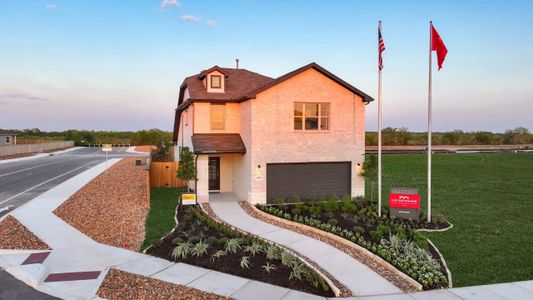
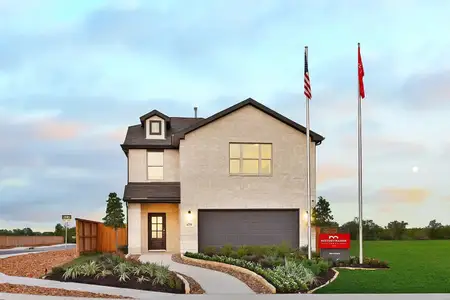
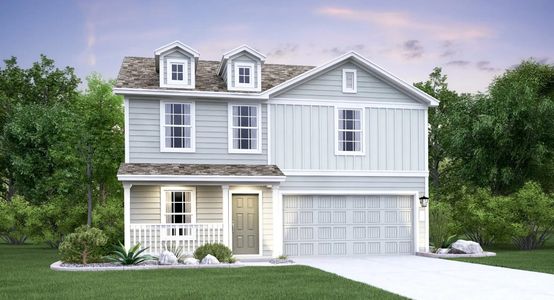
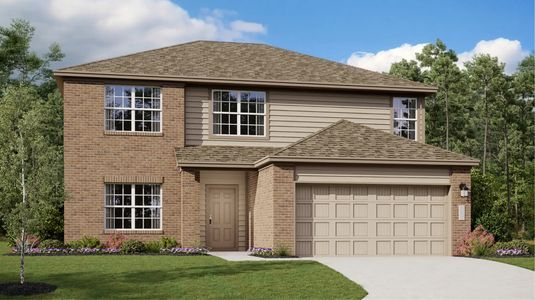
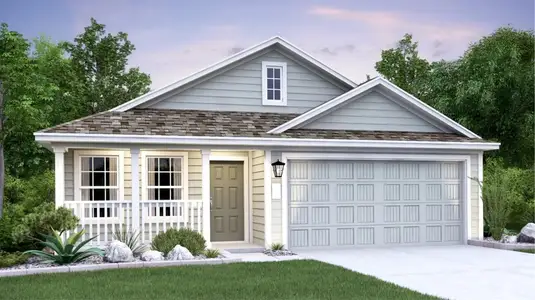
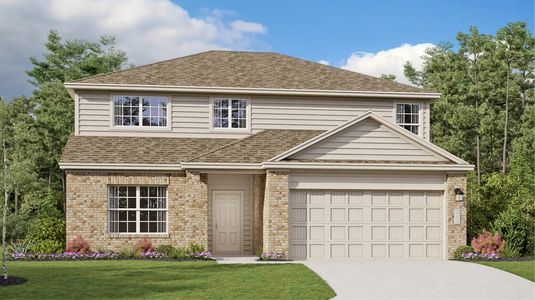
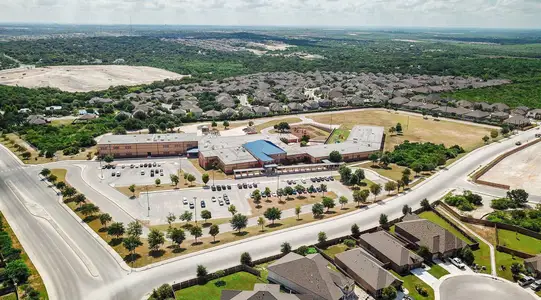
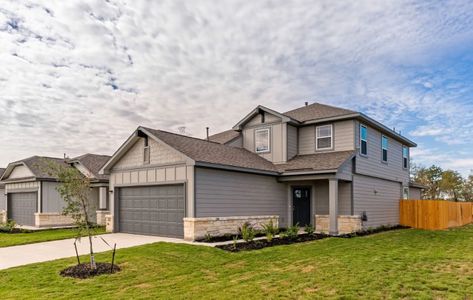
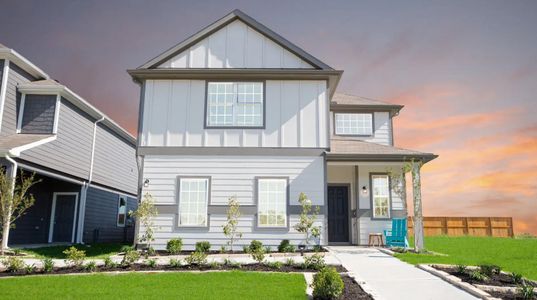
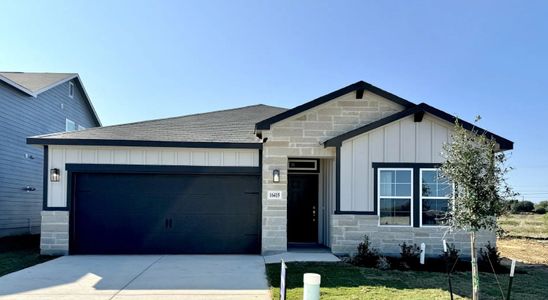
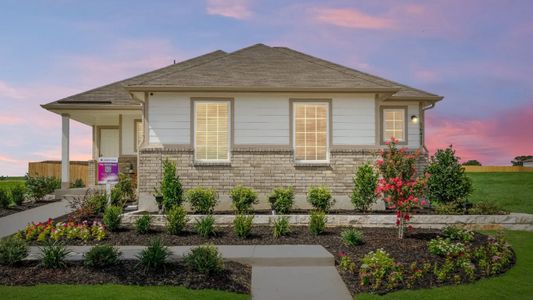
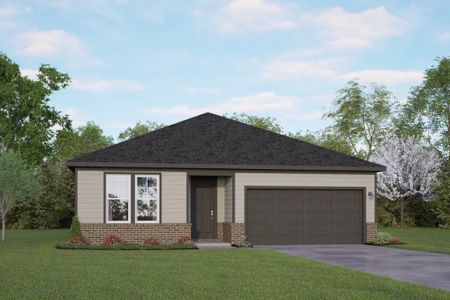
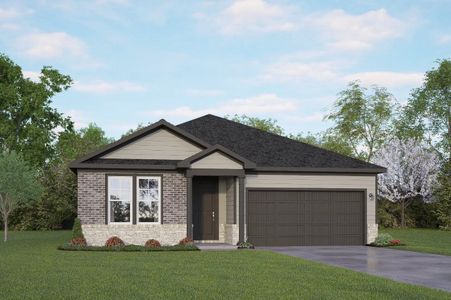
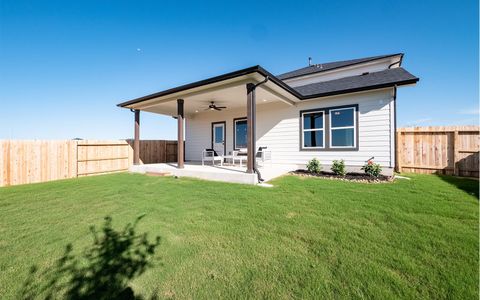
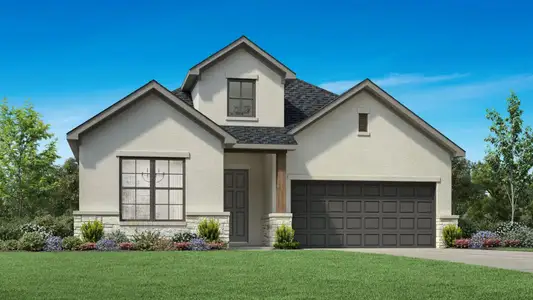
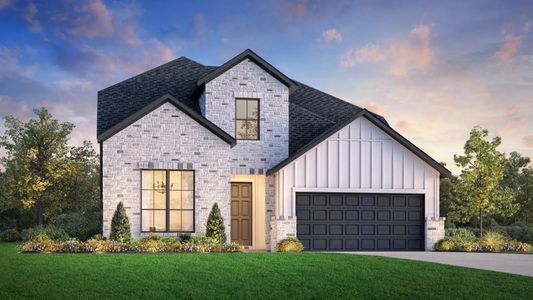
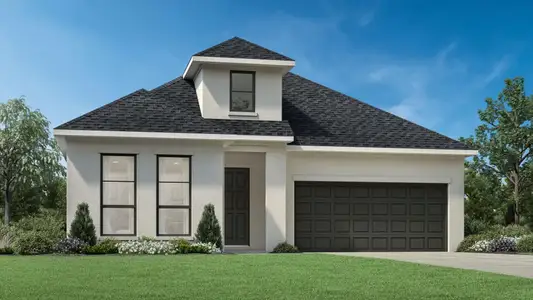
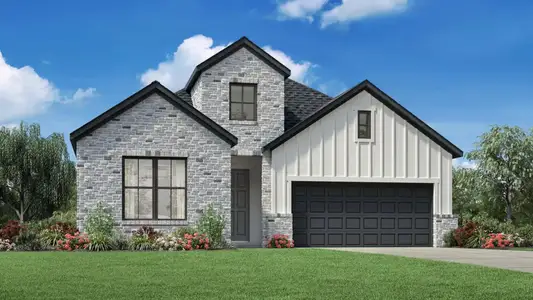
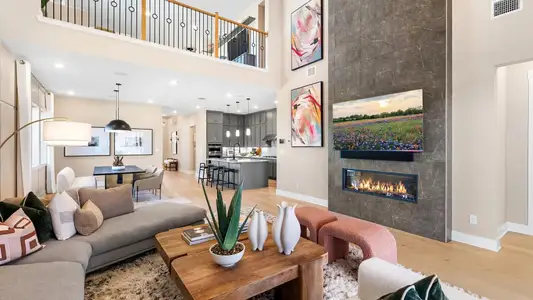
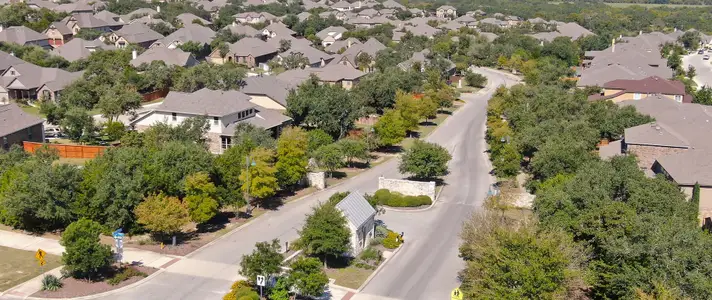
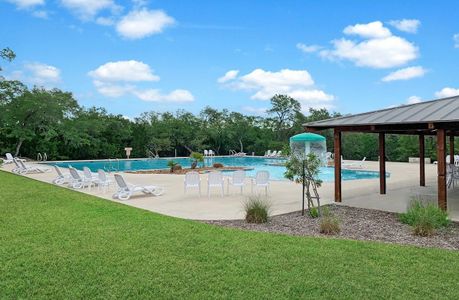
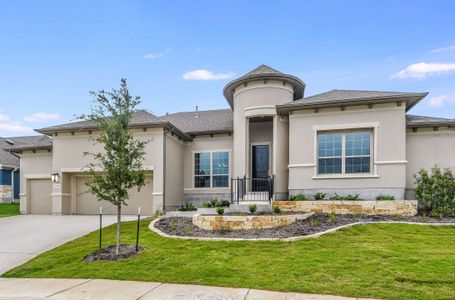
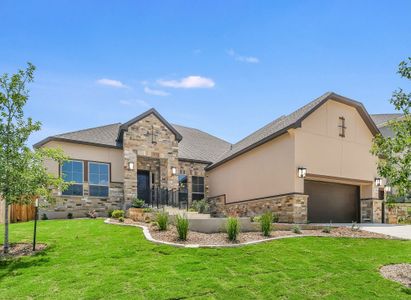
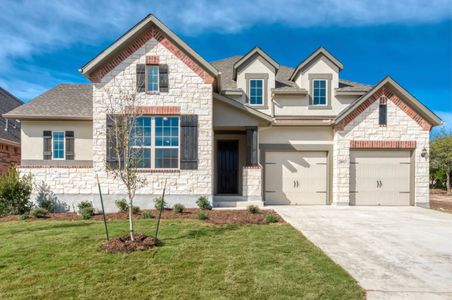
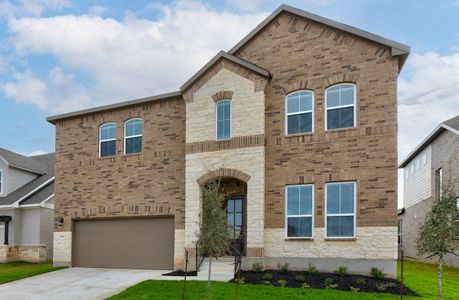
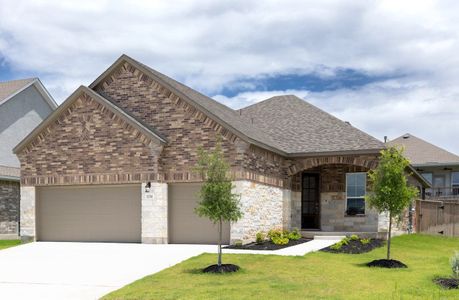
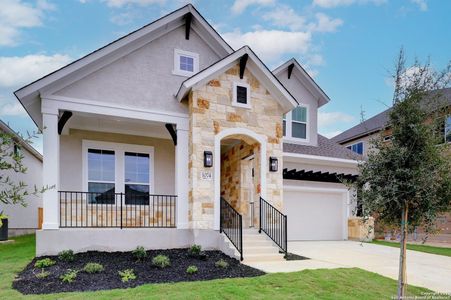
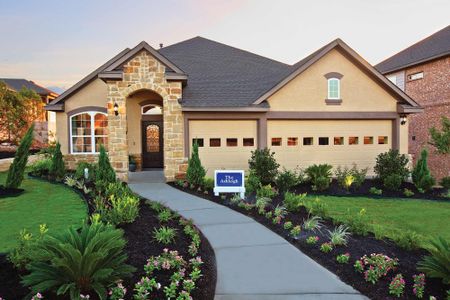
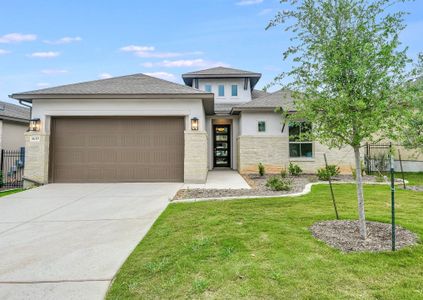
Browse currently available new construction homes, communities, and floor plans across the Greater San Antonio. All listings are updated daily with the latest inventory from builders. Browse all communities & new homes in Greater San Antonio
Top-rated new construction communities in Greater San Antonio

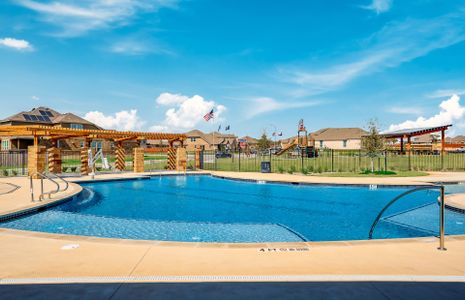
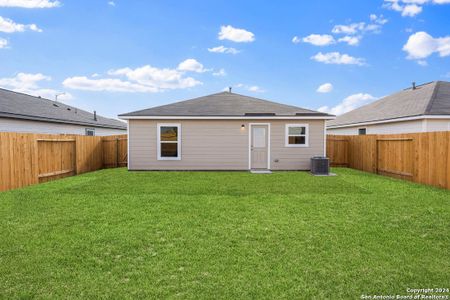

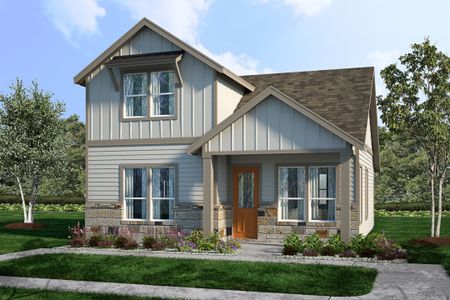
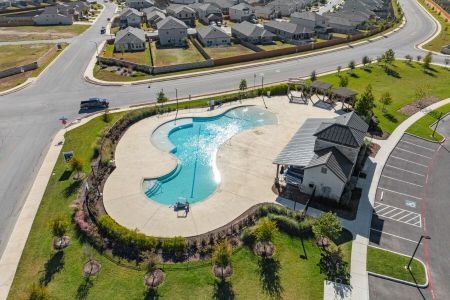
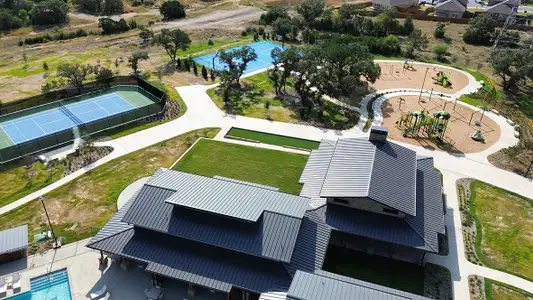
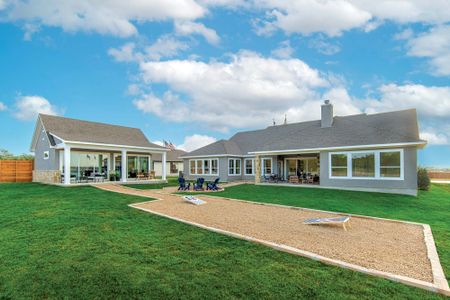
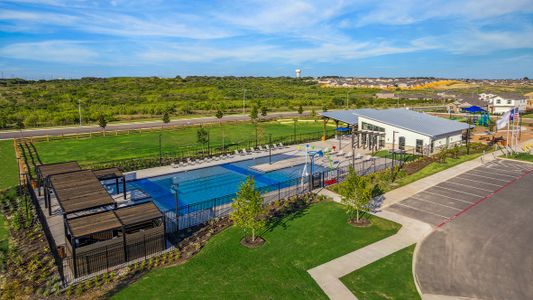
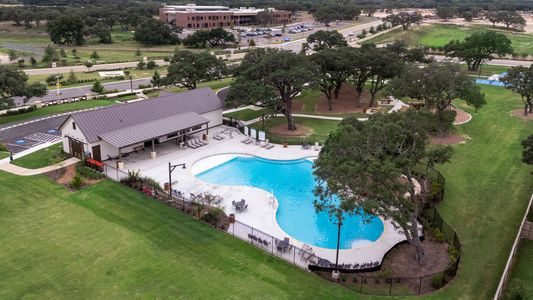
Master planned communities in Greater San Antonio
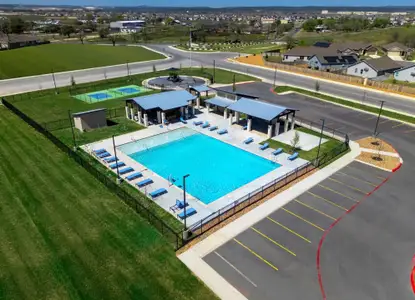
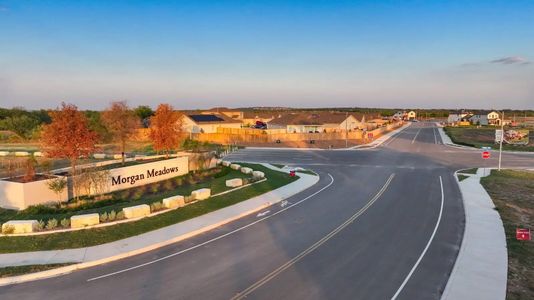
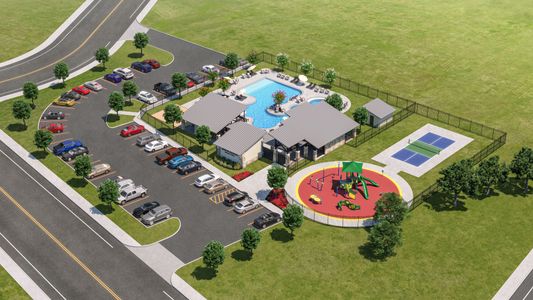


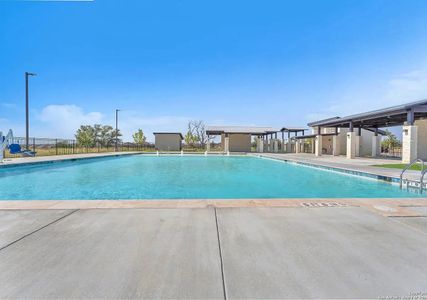
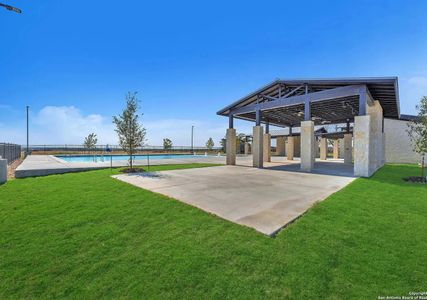
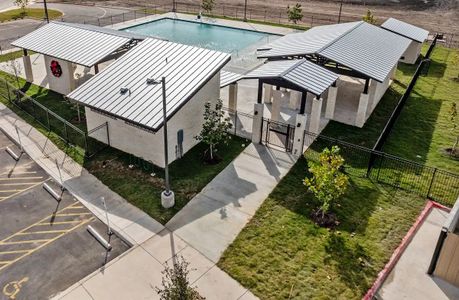
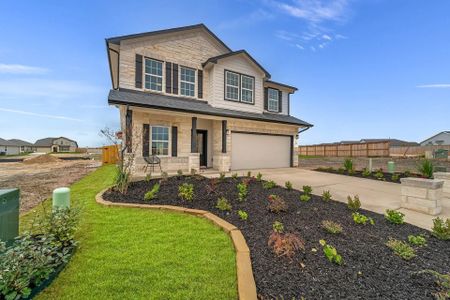
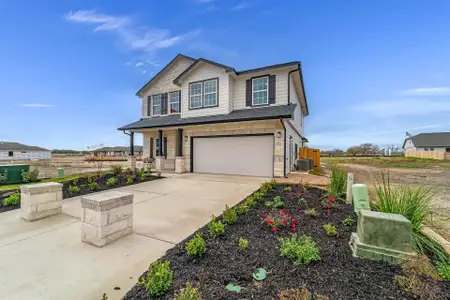
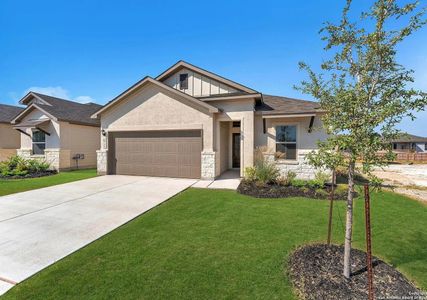
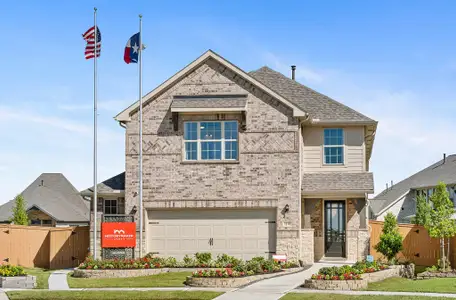
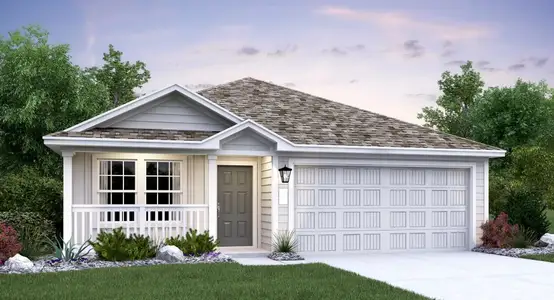
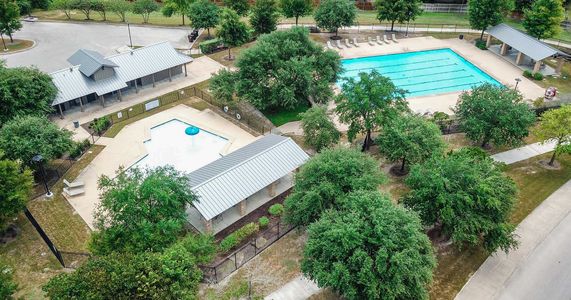
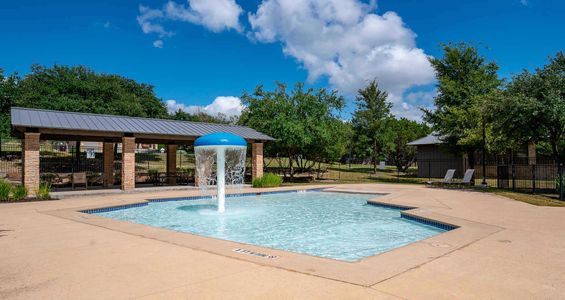



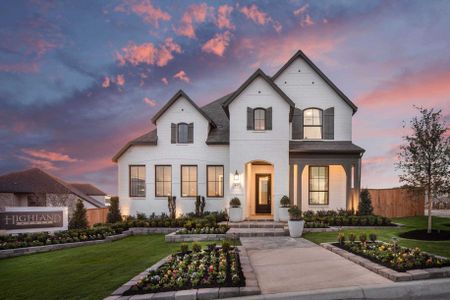
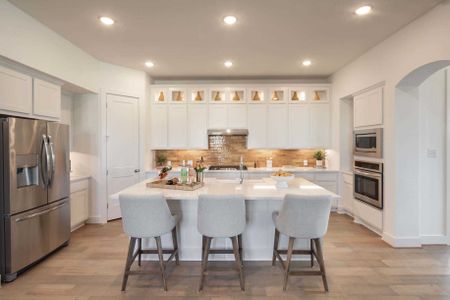

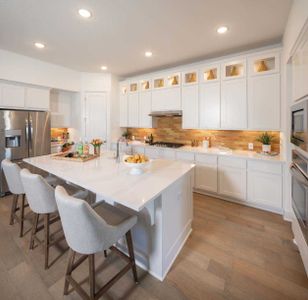









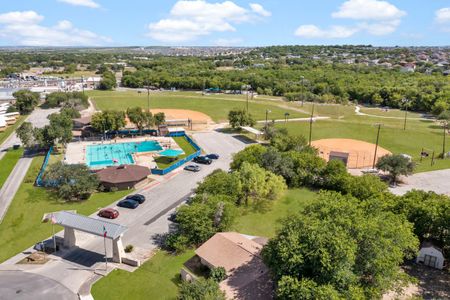

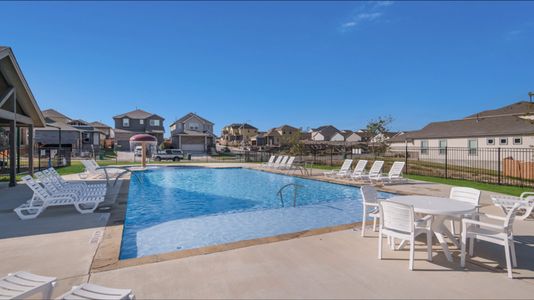
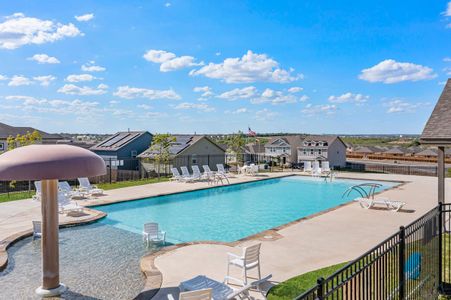
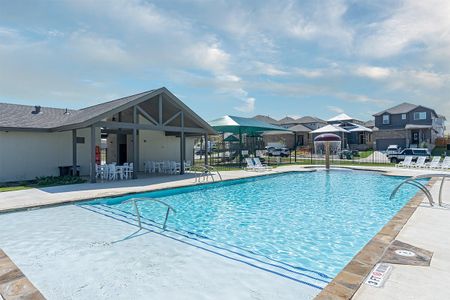

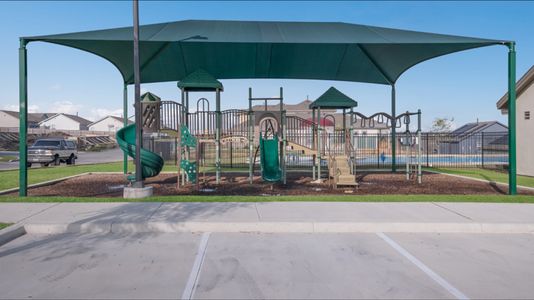
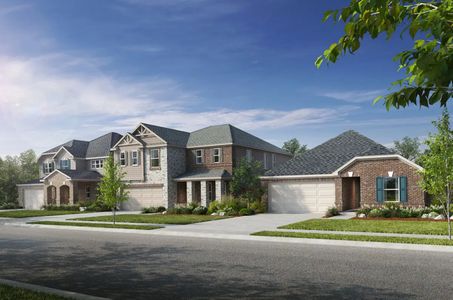
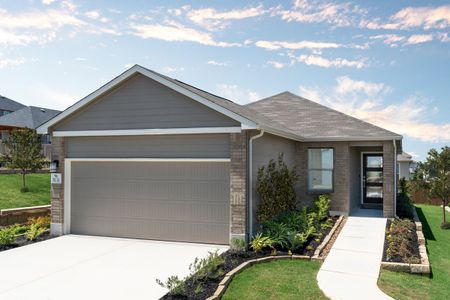
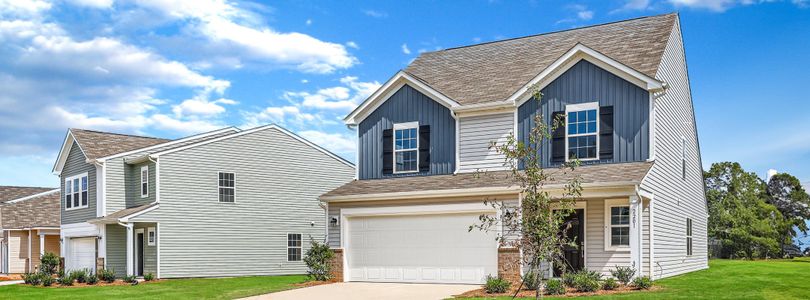
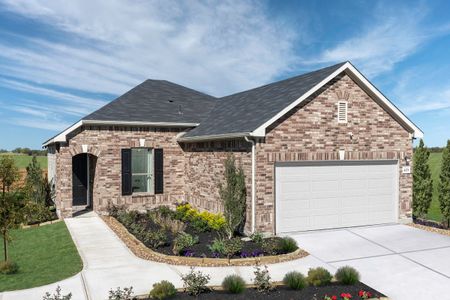
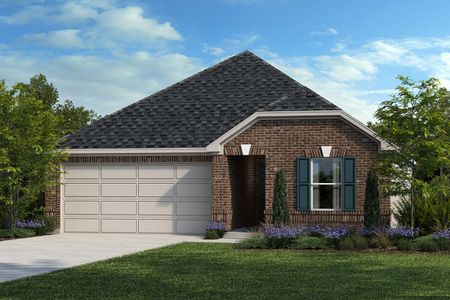
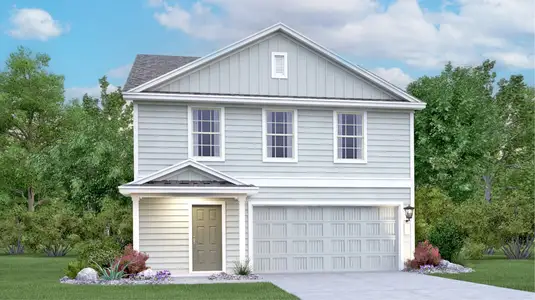

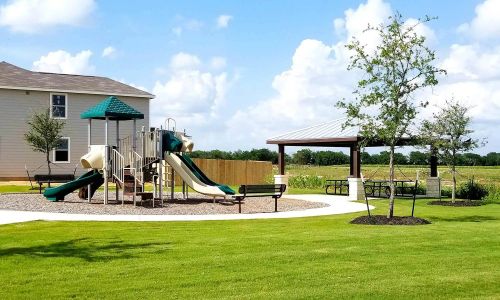
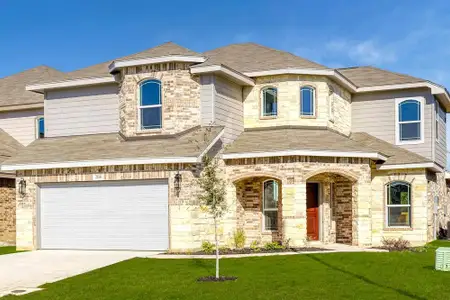
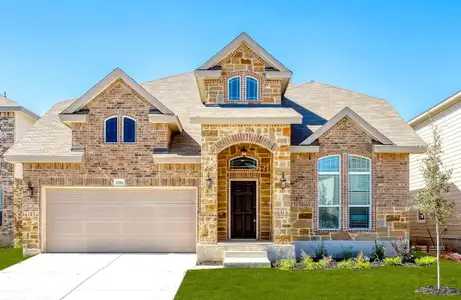
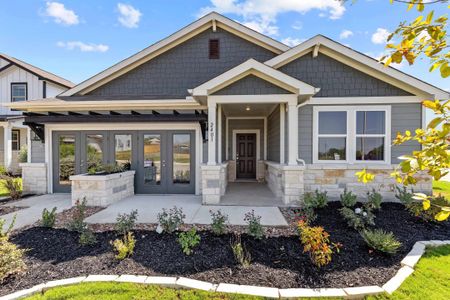
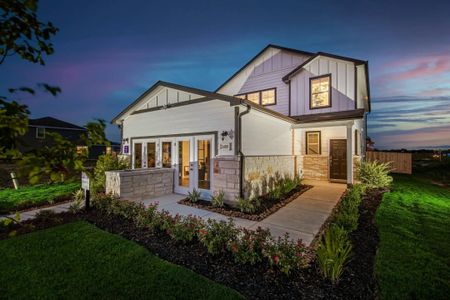
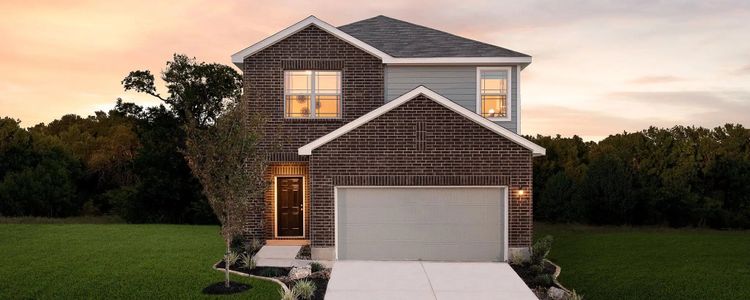
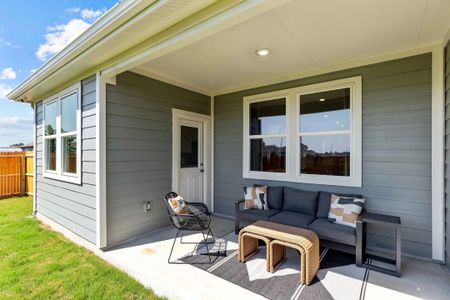
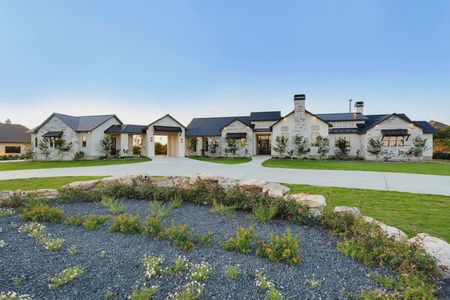

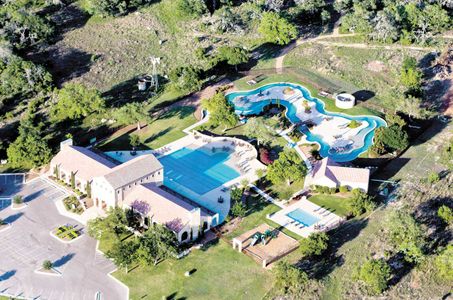


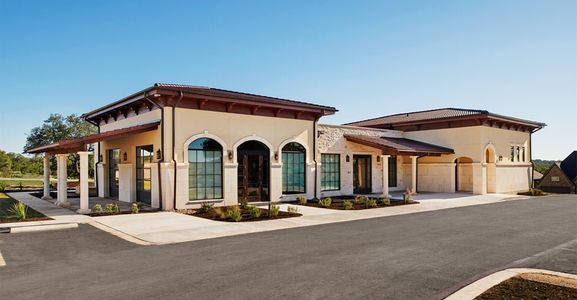









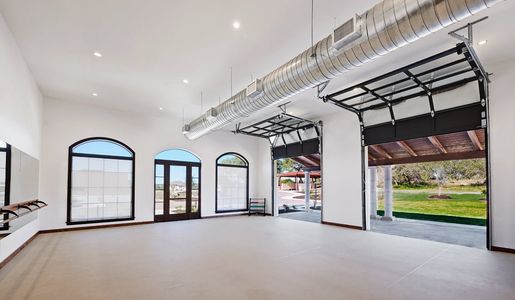


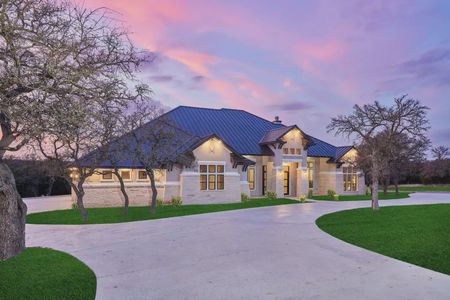
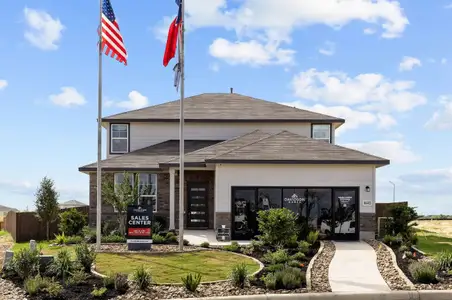
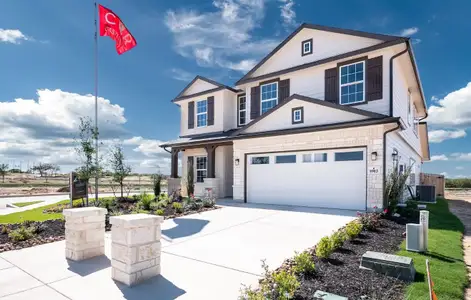



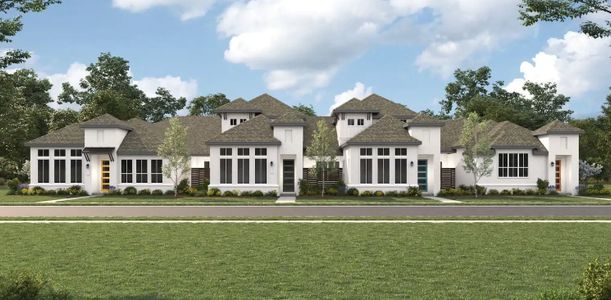
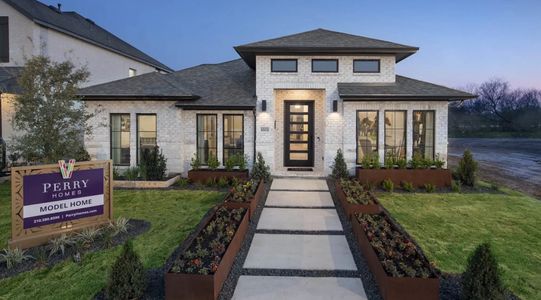
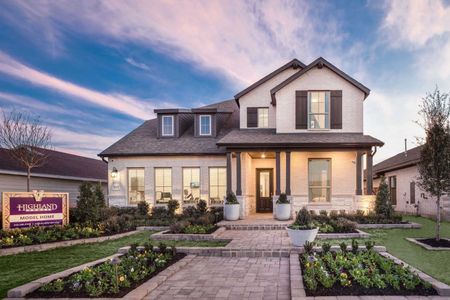
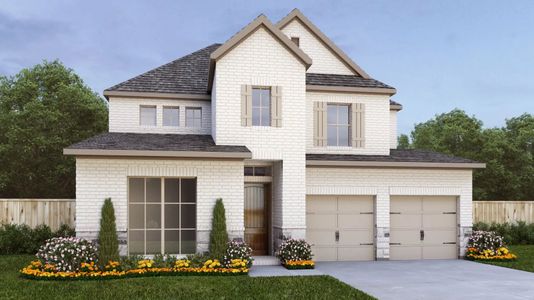
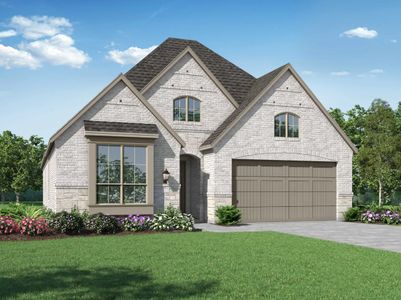
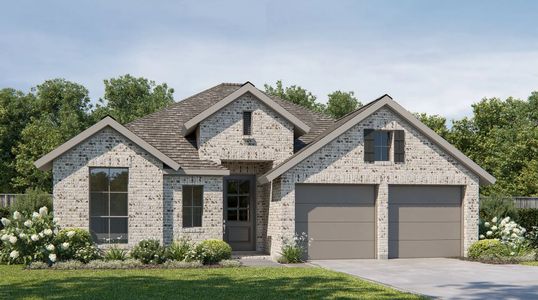
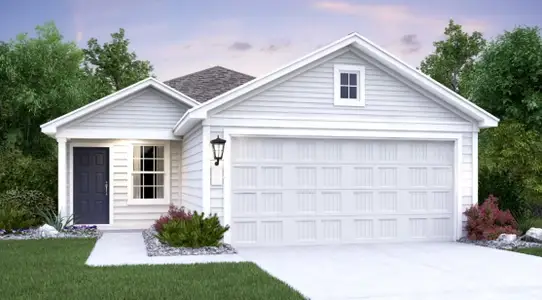
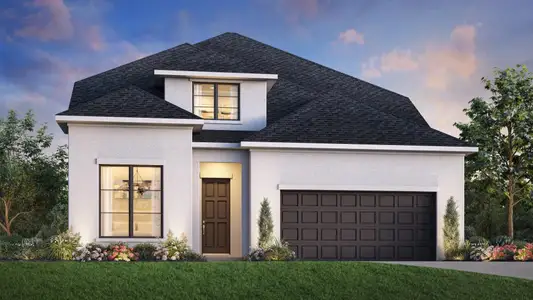

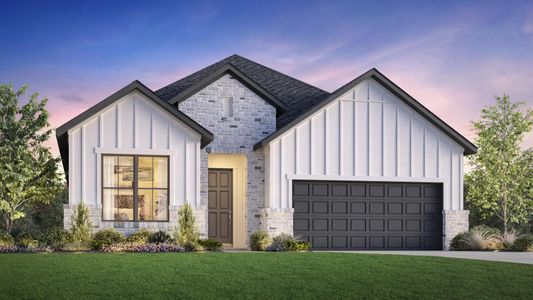
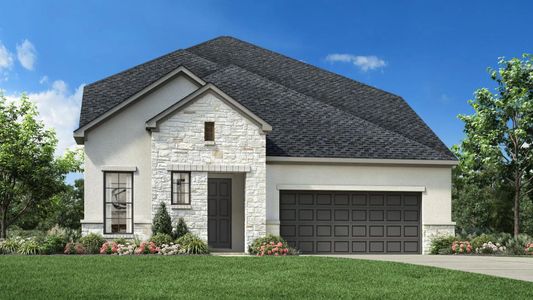









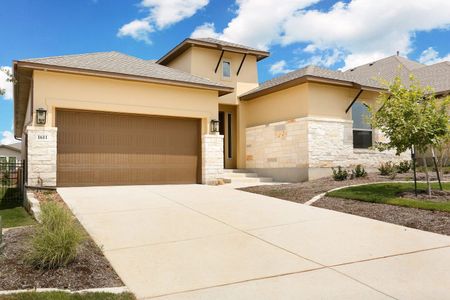
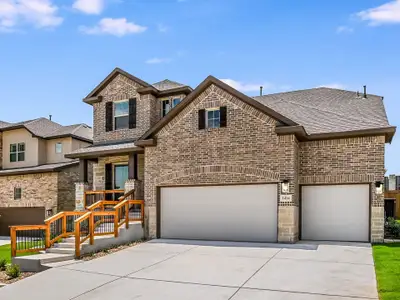






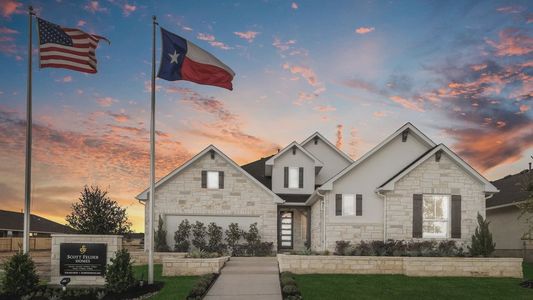
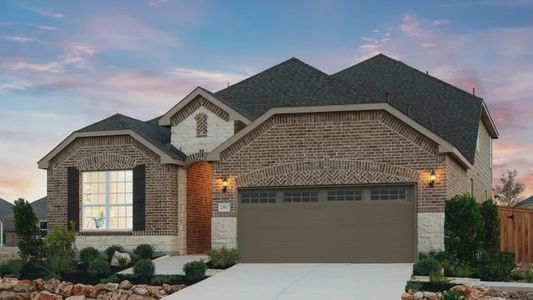
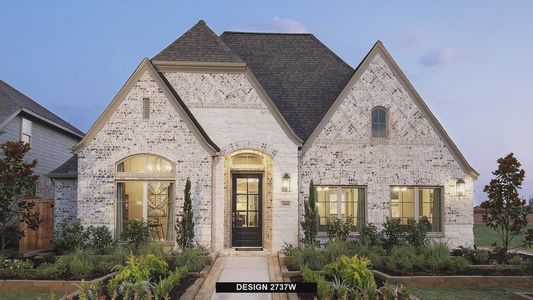
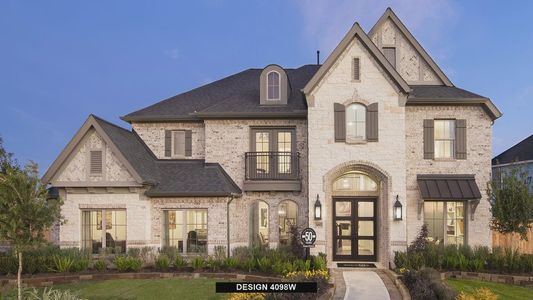
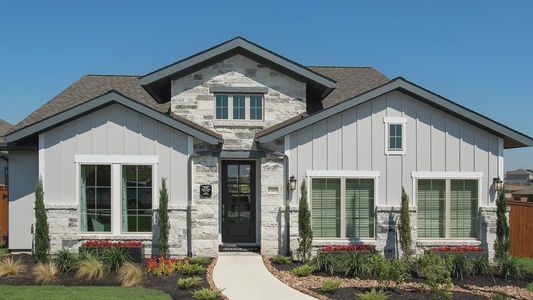
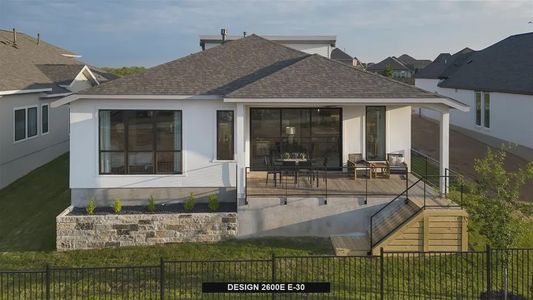
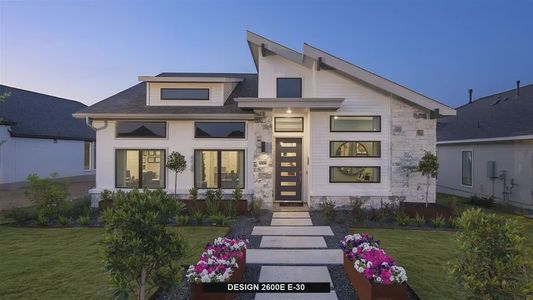
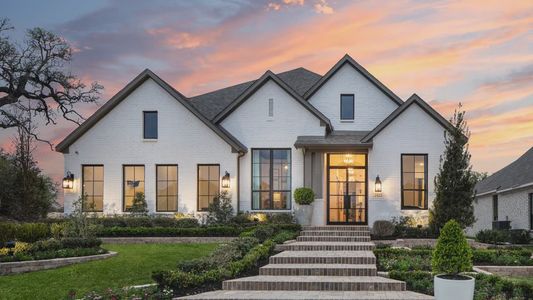
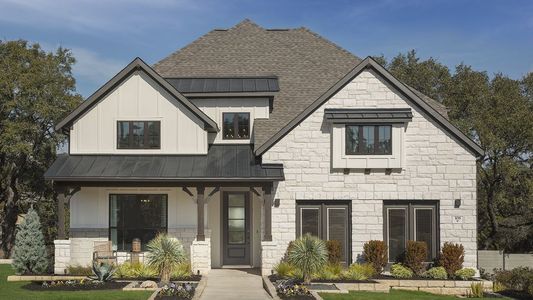
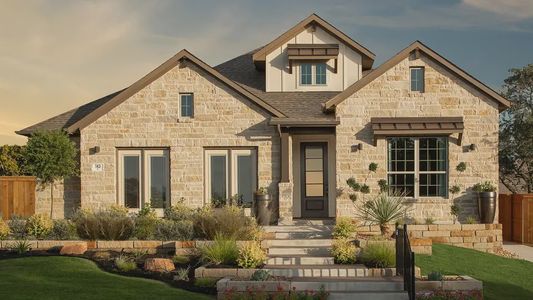
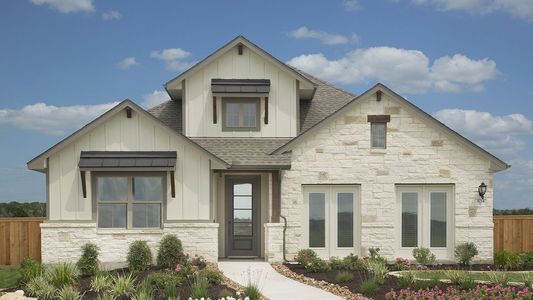
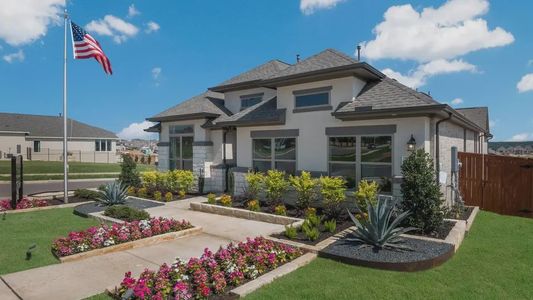
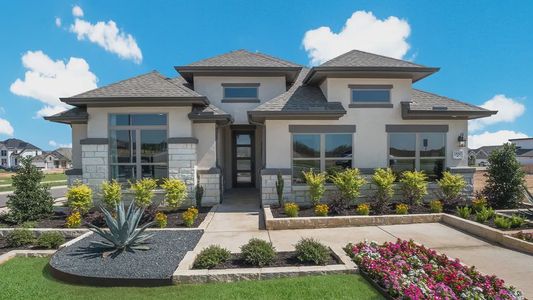
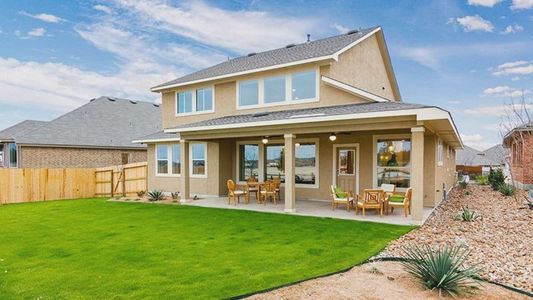
Browse communities & homes in Greater San Antonio cities
Real estate in Greater San Antonio
Despite a recent slowdown, San Antonio's real estate market is expected to show positive growth this year. Experts predict that ongoing population growth in the Greater San Antonio area will drive increased sales volumes throughout the year. The San Antonio market is expected to outpace the national average in sales volumes while falling below the national average for price appreciation.
Newly released communities
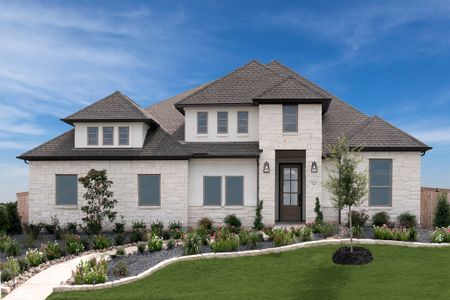
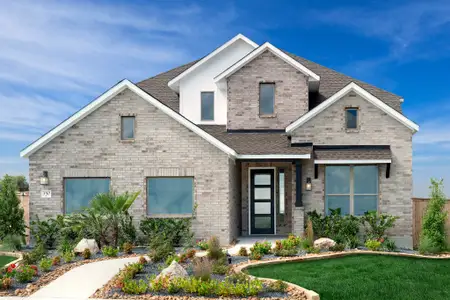

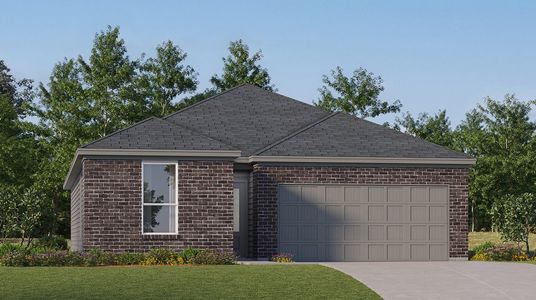
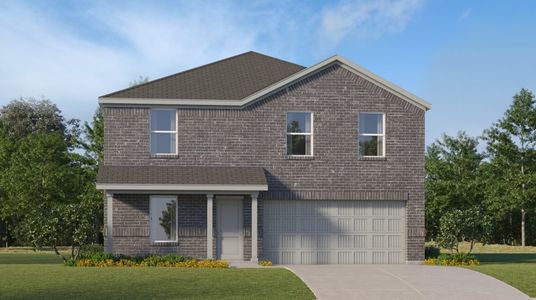
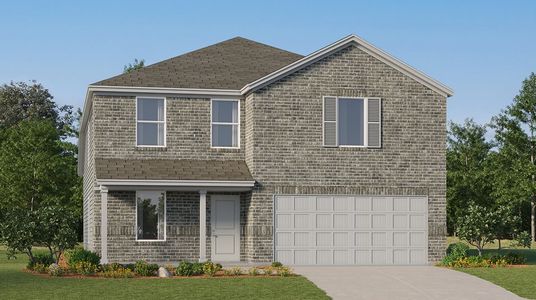
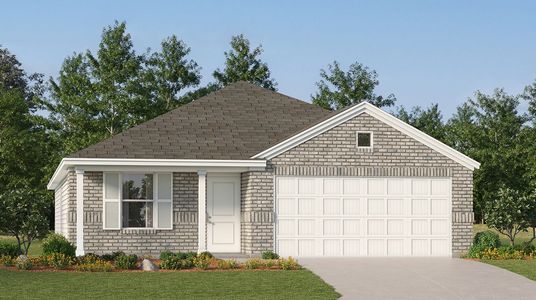
Recently listed homes
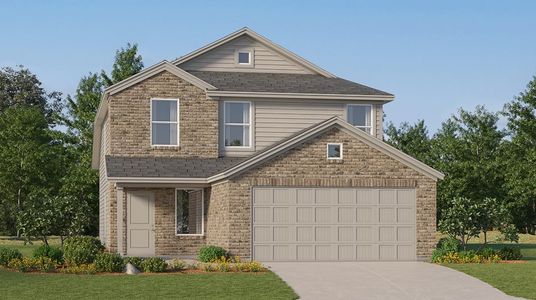
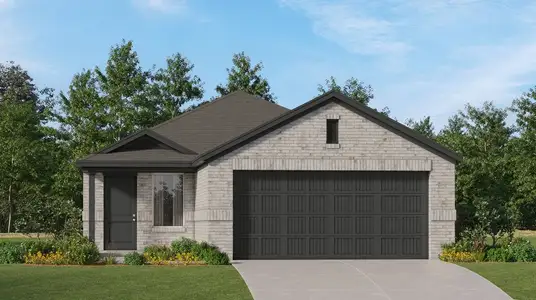

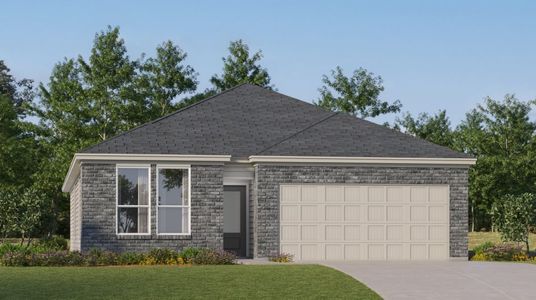
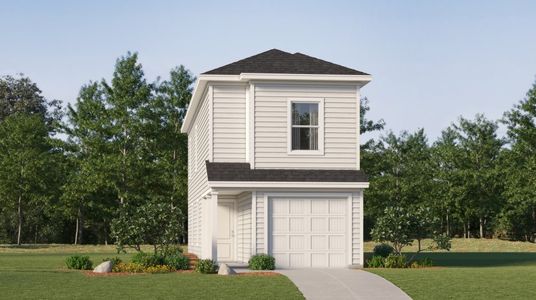
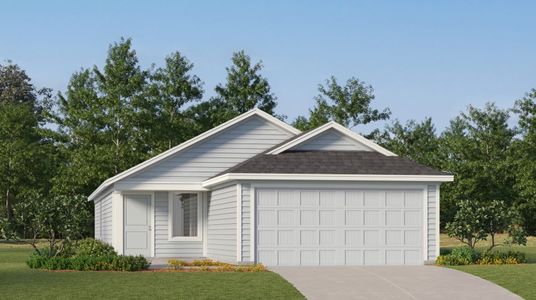
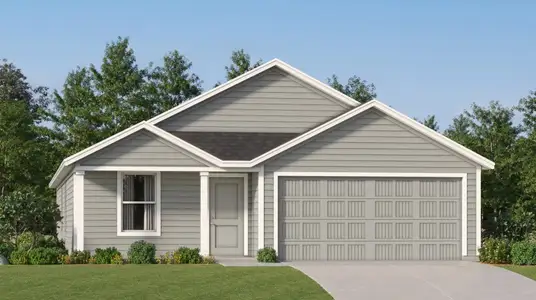
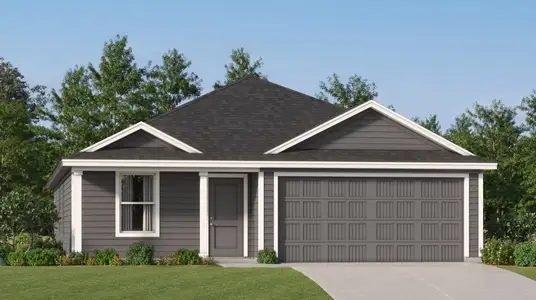
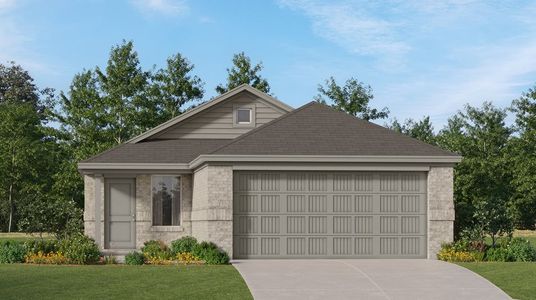
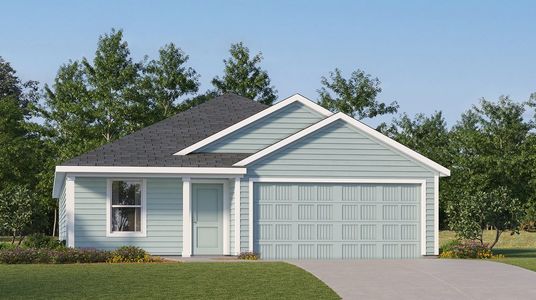
Recently published floor plans
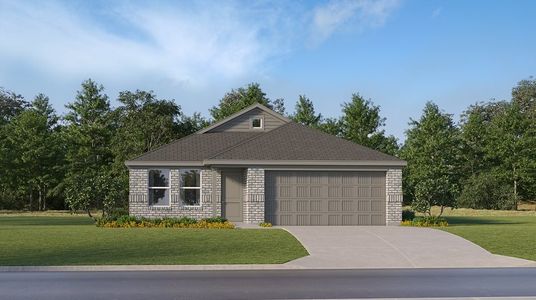
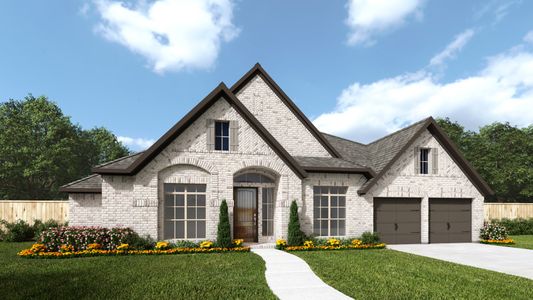
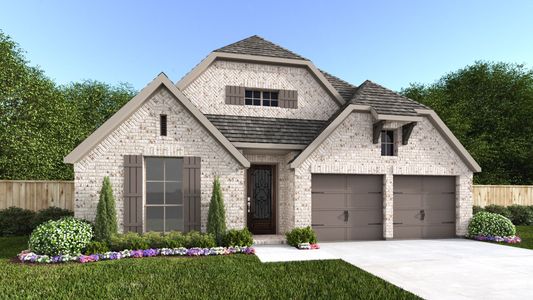
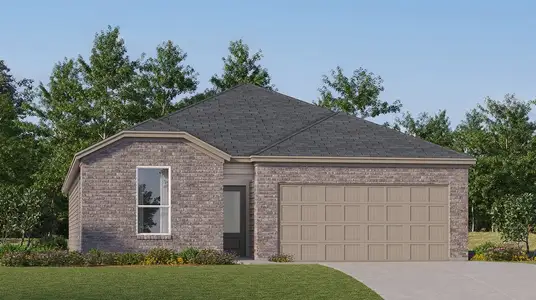
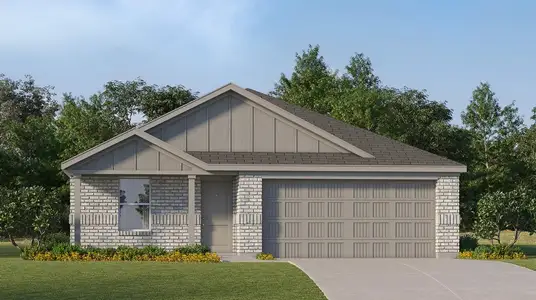
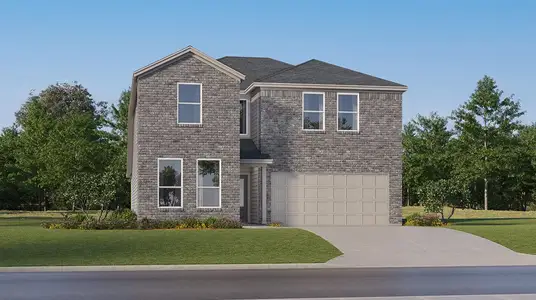
The most popular new construction builders in Greater San Antonio










How does San Antonio, TX compare to other real estate markets in Texas?



Read about new construction on Jome blog

Frequently asked questions
What is the current median sale price for a property in Greater San Antonio?
The Greater San Antonio presents a median sale price of $339,900 for properties, based on the most recent data from December 2025. This figure encompasses 9450 new construction homes, each representing the vision of one of 76 innovative builders in the region.
Who are the major developers of new construction homes in Greater San Antonio?
Homebuyers looking for new construction in Greater San Antonio often choose homes built by Lennar, Perry Homes, D.R. Horton, M/I Homes and Chesmar Homes. These developers are known for delivering quality new homes across various price ranges.