
Greater Austin Area new construction market: prices, trends, guides & homes as of December 2025
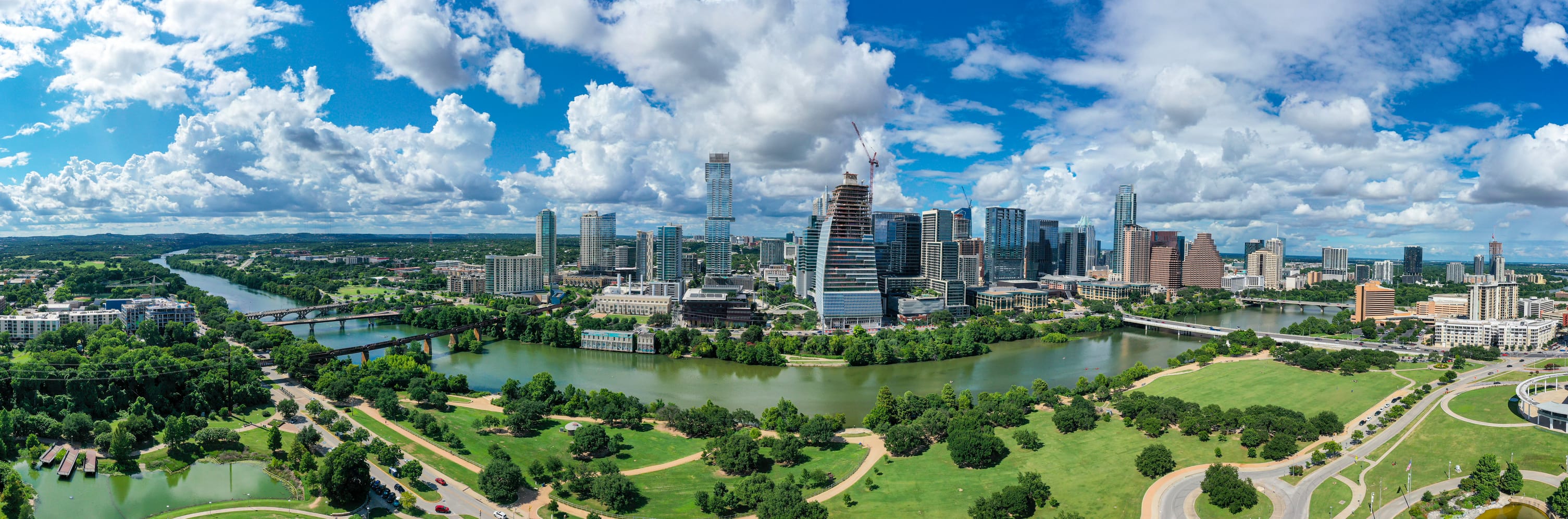
About Greater Austin Area
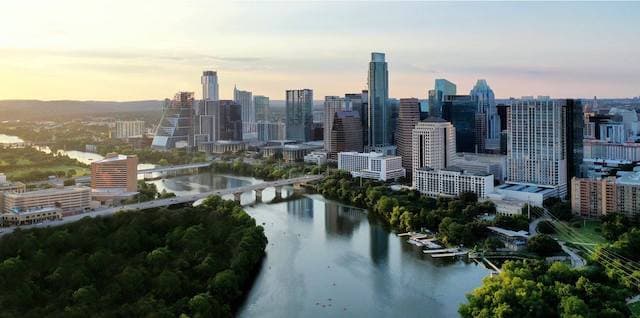
Austin is the capital city of the state of Texas and one of the fastest-growing metropolitan areas in the United States. Given the city's incredible economic opportunities, relatively low cost of living, great weather, and vibrant culture, it's no surprise that Austin has been ranked as one of the best cities to live in the country multiple times over the last several years. The Greater Austin area has a population of over 2 million people. It includes five counties that span from Round Rock to San Marcos. Other major suburbs in the Greater Austin area include Cedar Park, Georgetown, and Pflugerville. Home to the Texas State Capitol and the University of Texas, Austin's economy has historically been centered on government and education. However, it has diversified dramatically over recent decades as high-tech firms, particularly those related to semiconductors and software, have emerged as significant economic pillars. Apple's recent announcement to invest $1 billion in expanding its North Austin campus and Google's decision to lease nearly 50 floors of downtown office space (enough to hire over 5,000 employees) have cemented Austin's status as a modern-day boomtown. Those looking for economic opportunities in Austin find a wide range of well-paying jobs and many business opportunities in this city that promotes innovation. Remote workers also do well in Austin, as proven by its ranking as the #6 Best City for Remote Workers report.
How are new home prices changing in Austin, TX?
Home price data reflects current listings in Greater Austin Area, Texas, sourced from Jome and updated regularly
*Based on Jome markets

Get free consultation with Greater Austin Area expert
Get a free, no-pressure consultation with our top Greater Austin Area new-construction expert. They know every major builder, the best deals and incentives, and exactly what's happening in the local new-construction market.
Greater Austin Area market overview
- Overall inventory9,636
- Single-family inventory9,050
- Townhouse inventory140
- Condo inventory358
- Multi-family inventory17
- Penthouse inventory20
- 1 bed inventory107
- 2 beds inventory360
- 3 beds inventory3,040
- 4+ beds inventory6,119
- Median home price$445,995
- Median sqft price$206.94
- Median 1 bed price$428,000
- Median 2 beds price$444,723
- Median 3 beds price$369,800
- Median 4+ beds price$504,270
- Min listing price$109,490
- Max listing price$15,725,000
- Min community price$109,490
- Max community price$15,725,000
Greater Austin Area median price change
| Month | Median price | Change |
|---|---|---|
| March 2025 | $483,901.5 | - |
| April 2025 | $484,329.5 | +0.09% |
| May 2025 | $482,997 | -0.28% |
| June 2025 | $489,990 | +1.45% |
| July 2025 | $489,990 | 0.00% |
| August 2025 | $479,990 | -2.04% |
What are the most popular buyers' searches?
What it's like to live in Greater Austin Area?
The Greater Austin area operates as Texas's most California-like metro, which explains both its explosive growth and the backlash that growth has created among longtime residents. Austin has evolved from a quirky college town and state capital into a major tech hub where Apple's campus expansion brings 5,000 additional jobs to North Austin, Tesla's 2,500-acre Gigafactory anchors the region's manufacturing transformation, and Oracle, Indeed, and dozens of smaller companies have relocated operations seeking lower costs than coastal alternatives. This transformation has brought prosperity and traffic congestion in equal measure, with housing costs that now rival some markets people claim they're escaping. The reality of living here involves navigating between Austin's carefully maintained weird identity and the corporate expansion that funds the city's growth, between its progressive political culture and Texas's conservative state government, between its reputation for live music and barbecue and the reality that successful tech workers can afford $800,000 homes while service industry workers face hour-long commutes from distant suburbs.
Why Austin attracts sustained migration despite rising costs
The economic transformation centers on technology sector expansion that has fundamentally altered the metro's character over the past 15 years. Apple's North Austin campus near Parmer Lane represents a massive expansion adding approximately 5,000 tech and R&D jobs to a company presence that already employed thousands. Tesla's Gigafactory southeast of the city spans 2,500 acres, functioning as both an EV manufacturing hub and a statement about Austin's emergence as a serious player in advanced manufacturing beyond just software. Oracle's decision to relocate its headquarters brought high-paying positions and validated Austin's positioning as a legitimate alternative to Silicon Valley. Beyond these anchors, hundreds of smaller tech companies, startups emerging from University of Texas research, and established firms opening satellite offices create an ecosystem that feeds off the city's educated workforce, live music culture, and outdoor recreation access that Lake Travis and the Hill Country provide.
The California exodus narrative dominates Austin's growth story, with tech workers, remote employees, and retirees fleeing high costs and state taxes finding Texas's zero income tax and Austin's cultural amenities a compelling combination. Many bring housing budgets calibrated to Bay Area or Los Angeles pricing, making Austin's $600,000 median home prices feel accessible despite representing double what longtime residents paid a decade earlier. This migration creates tension between newcomers seeking Austin's lifestyle and established residents watching affordability evaporate and traffic congestion worsen.
State government employment provides economic stability that tech sector volatility can't match. As Texas's capital, Austin hosts thousands of state employees, legislators during sessions, and the infrastructure supporting government operations. The University of Texas anchors another employment pillar, with the flagship campus employing faculty, researchers, administrators, and support staff while generating startup companies and recruiting talent that companies hire into permanent positions after graduation.
The music and entertainment industry that built Austin's reputation continues employing thousands beyond just performing musicians. Recording studios, music venues, production companies, festival operations, and the film industry attracted by Texas's production incentives create employment that pays variably but contributes to the cultural identity that makes Austin attractive to educated workers who could live anywhere.
The tax structure delivers immediate advantage for relocators from high-tax states. Texas collects zero state income tax, meaning a household earning $150,000 annually saves $6,500 to $11,000 compared to California or New York. However, property taxes represent Texas's method of funding local services, with Austin-area rates typically between 1.9% and 2.4% of assessed value when all taxing entities combine. On a $600,000 home, annual property taxes reach $11,400 to $14,400, shocking newcomers despite the income tax savings. The trade-off works favorably for high earners but creates challenges for middle-income residents.
The cost of living increasingly resembles the coastal markets people claim to escape. Housing costs have appreciated faster than wages for most residents, with quality new construction in desirable suburbs starting around $500,000 and quickly climbing to $700,000-plus in areas with top-rated schools. Close-in neighborhoods with walkability command San Francisco-level premiums. Outer suburbs including Round Rock, Pflugerville, and Georgetown provide better value from $400,000 to $520,000, though commutes into central Austin exceed 45 minutes during rush hours that now extend from 7 AM to 10 AM and 3 PM to 7 PM.
The climate delivers brutal summers where temperatures exceed 100 degrees for weeks at a time from July through August, with heat index values pushing 110 degrees when humidity rises. Air conditioning runs continuously from May through September. Winters remain mild with occasional freezes, though the February 2021 winter storm that paralyzed the state revealed infrastructure vulnerabilities when temperatures stayed below freezing for days. Spring and fall provide genuinely pleasant weather, though brief. Access to lakes, Hill Country hiking, and year-round outdoor dining create lifestyle appeal that justifies enduring summer heat for many residents.
Understanding the Greater Austin market by buyer profile
Austin's transformation from quirky college town into major tech hub has created distinct buyer profiles concentrated in specific submarkets, with new construction responding to sustained migration that shows no signs of stopping despite recent tech sector slowdowns and locals' complaints about growth.
For Tech Industry Professionals Across Specializations: Apple's expansion near Parmer Lane in North Austin creates concentrated demand from software engineers, hardware developers, and technical specialists working at what has become one of the company's largest operations outside California. These professionals earn $120,000 to $250,000-plus depending on seniority and stock compensation, creating demand for housing that balances reasonable commutes with quality schools and space. New construction in Round Rock, Cedar Park, and Leander serves this demographic, with price points ranging from $500,000 to $850,000 for properties offering 25 to 35-minute commutes to the campus. Tesla's Gigafactory in Southeast Austin attracts a different subset of tech workers focused on manufacturing, automation, and EV technology, creating demand in southeast suburbs including Del Valle and Manor where commutes remain manageable. Oracle employees concentrate in areas offering access to the company's downtown presence and Waterloo campus. Beyond these anchors, software engineers at Indeed, Amazon, Google, and hundreds of smaller companies scatter throughout the metro seeking various balances between commute time, school quality, and proximity to Austin's urban culture. These buyers typically relocate from California, Seattle, or other tech hubs, often taking lateral moves or modest pay adjustments for Austin's lower costs while finding housing prices higher than expected based on "Texas is cheap" narratives. They seek modern floor plans with dedicated home offices for hybrid work schedules, strong internet infrastructure for VPN connections and video conferencing, and neighborhoods with other educated professionals rather than multi-generational Texas families.
For Remote Workers Maintaining Coastal Salaries: Austin has captured enormous remote worker migration from people whose positions allow them to work from anywhere while they choose Austin specifically for its combination of urban culture, outdoor access, and zero income tax. Tech workers, financial analysts, consultants, marketing professionals, and various white-collar employees maintaining $150,000-plus salaries from expensive-market employers drive demand in neighborhoods emphasizing walkability, restaurant culture, and the lifestyle Austin markets nationally. East Austin, South Congress areas, and developments near the Domain serve remote workers seeking urban energy. Suburbs like Bee Cave and Dripping Springs attract those prioritizing Hill Country access and larger properties over urban proximity. These buyers show dramatic price variation from $450,000 to $900,000-plus depending on compensation levels and whether they're selling California properties generating $400,000-plus in proceeds to fund Austin purchases. Many maintain housing budgets from departure markets, supporting Austin's appreciation while complaining about costs that would buy substantially more space in other Texas cities. Remote workers research Austin-specific considerations including summer heat's impact on outdoor lifestyle marketing, traffic congestion that wasn't mentioned during recruitment conversations, and whether the music scene and culture actually match the promotional narrative.
For University of Texas-Connected Professionals: UT-Austin's presence as a flagship research university creates demand from professors, administrators, researchers, and graduate students with families seeking homeownership near campus. Faculty in engineering, computer science, and business schools often earn consulting income beyond university salaries, supporting housing budgets that might seem inconsistent with academic compensation. New construction in West Austin, areas near the university, and suburbs like South Austin serve this demographic at price points from $480,000 to $750,000 depending on proximity to campus and school district quality. Academic schedules create flexibility allowing midday commutes avoiding worst congestion. These buyers prioritize intellectual community, walkability to campus and cultural amenities, and neighborhoods where university affiliation represents shared identity. Many relocate from other major university towns including Berkeley, Ann Arbor, or Cambridge, finding Austin's costs comparable while weather proves more appealing than northern alternatives.
For Corporate Relocators From Major Employers: Beyond tech, Austin attracts corporate relocations across industries. Healthcare executives at major hospital systems including Ascension Seton and St. David's, financial services professionals at Charles Schwab and other firms, and various corporate roles drive demand in traditional suburban communities. These buyers often relocate from expensive markets with company relocation packages supporting home purchases, finding Austin's costs manageable compared to departure cities while higher than expected based on "moving to Texas" assumptions. New construction in northwest suburbs including Avery Ranch, Steiner Ranch, and developments along Highway 183 serves this demographic at price points from $520,000 to $780,000. They seek established neighborhoods with amenities, strong school districts protecting resale value, and communities where neighbors share similar professional backgrounds and income levels rather than Austin's quirky culture that corporate types find appealing in theory but prefer in moderation.
For Growing Families Prioritizing Education Quality: School district quality drives decisions for families throughout the metro, though Austin-area public school systems face challenges that surprise relocators from states with stronger public education. Round Rock ISD consistently ranks among the area's best performers, creating intense demand in Round Rock, Pflugerville's better-rated zones, and Cedar Park where the district extends. Lake Travis ISD serves affluent western suburbs with strong reputations despite lower density creating different dynamics than urban districts. Eanes ISD in West Austin commands extreme premiums. Austin ISD faces challenges despite pockets of excellence in specific schools, leading families to research individual campuses rather than trusting district-wide reputations. The available inventory includes properties near schools with strong ratings, creating concentrated demand that pushes prices higher in these zones. These families prioritize school attendance boundaries over square footage, accepting 2,600 square foot homes in Round Rock ISD over 3,500 square foot alternatives in weaker districts. Price points range from $500,000 in decent but not premium zones to $800,000-plus in top elementary school areas where attendance boundaries and ratings command maximum premiums.
For Empty Nesters and Retirees Seeking Urban Lifestyle: Austin attracts a specific retiree demographic distinct from typical Sunbelt retirement patterns. These buyers seek continued urban engagement, cultural amenities, live music access, and the university town energy that Austin provides rather than golf course communities and age-segregated developments. Affluent retirees from California, the Northeast, and other high-cost regions purchase downtown condos, West Austin homes, or developments near the Domain offering walkability and restaurant access. The zero income tax becomes particularly attractive for retirees with substantial investment portfolios and pension income, creating thousands in annual savings compared to previous locations. These buyers typically range from 60 to 72 years old, still active enough to utilize Austin's lifestyle offerings while beginning to consider healthcare access that major hospital systems provide. They seek single-story floor plans where available, master-on-main configurations, and low-maintenance properties eliminating yard work in Texas heat. Price points range from $450,000 for modest condos to $900,000-plus for premium single-family homes in walkable neighborhoods. Access to quality healthcare matters increasingly, with Dell Seton Medical Center, St. David's facilities, and other major hospitals providing the expertise that health-conscious retirees consider before relocation.
For First-Time Buyers Pushed to Outer Suburbs: Austin's rapid appreciation has largely priced first-time buyers out of desirable areas, pushing them to far suburbs where commutes stretch beyond 50 minutes but prices remain accessible to households earning $85,000 to $120,000 combined. Georgetown north of Round Rock, Hutto northeast of the city, Kyle and Buda south toward San Antonio, and Manor southeast provide entry points from $350,000 to $430,000 for basic single-family homes. These buyers maximize square footage over location, often purchasing 2,200 to 2,800 square foot homes that would cost $180,000 more in Round Rock or Cedar Park. Many are relocating from even higher-cost markets, making distant Austin suburbs feel accessible compared to alternatives in California or the Northeast. Traffic represents genuine quality of life consideration, with rush-hour commutes from outer suburbs sometimes exceeding 90 minutes each way, but buyers accept this trade-off for ownership over renting closer in. Some first-time buyers work at the Gigafactory or other southeast Austin employers where Manor and Del Valle provide reasonable commutes at entry-level pricing.
For Investors and Short-Term Rental Operators: Austin's tourism economy, live music scene, and proximity to University of Texas football create investment demand, particularly for properties near downtown, South Congress, and entertainment districts. Investors purchase condos and townhomes for short-term rental income through Airbnb and VRBO, though Austin's regulations around short-term rentals have tightened following neighborhood complaints about party houses and parking congestion. Type 2 STR licenses for non-owner-occupied properties face restrictions limiting new permits in some areas. Properties near downtown Austin, lakefront locations, and festival venues command rental premiums during South by Southwest, Austin City Limits, and UT football weekends. Investment purchases range from $380,000 for modest East Austin properties to $700,000-plus for locations with consistent rental demand. Cash purchases remain common as rental income projections don't always support conventional financing given regulatory uncertainty. Some California investors use proceeds from property sales to purchase multiple Austin properties generating rental income while diversifying from single-state exposure.
Cost realities beyond your base housing payment
Your actual monthly housing expense in Austin extends beyond principal and interest, with the metro's tax structure and infrastructure challenges creating costs that require evaluation before committing to relocation that many approach with incomplete information.
- Property taxes represent Austin's most significant cost shock for newcomers. Travis County, encompassing much of Austin proper, carries combined rates around 2.15% to 2.35% of assessed value when city, county, school district, and other taxing entities combine. Williamson County serving Round Rock and Cedar Park runs similar at 2.10% to 2.30%. Hays County south of Austin sits around 2.25% to 2.45%. On a $600,000 home, annual tax bills range from roughly $12,600 to $14,700. Texas assesses properties annually at full market value, meaning your tax bill rises as your home appreciates. The homestead exemption provides some relief, exempting $100,000 from school district taxes for primary residences, but doesn't eliminate the fundamental reality that Texas property taxes exceed most states substantially. Some buyers calculating total tax burden find that income tax savings get partially consumed by property taxes, though high earners still come out ahead overall.
- Sales tax across the metro ranges from 6.25% to 8.25%, with Texas collecting 6.25% and cities adding local portions. Austin proper carries 8.25% combined rate. Suburbs vary from 6.25% in unincorporated areas to 8.25% in developed cities. This affects major purchases including vehicles, where a $55,000 truck carries $3,437 to $4,537 in sales tax. Furniture, appliances, and building materials all include this premium, showing up quickly when furnishing a new home where $35,000 in purchases becomes $37,187 to $37,887 after tax.
- Homeowner's insurance costs have risen substantially following recent severe weather events and insurance market changes. Annual premiums typically range from $2,200 to $3,800 for standard single-family homes depending on coverage levels, home value, and specific location. Austin-area properties face tornado risk, severe hail that damages roofs, and occasional flooding in areas near creeks and rivers. The February 2021 winter storm created massive claims when frozen pipes burst throughout the region, leading insurers to raise premiums and tighten underwriting. New construction earns somewhat better rates because modern building codes and materials reduce claim probability, but even new homes cost substantially more to insure than most buyers from other regions expect. Some national carriers have reduced Texas exposure or exited the market, creating coverage challenges and driving buyers toward surplus lines carriers at higher premiums.
- Utility costs deserve particular attention given Austin's brutal summers. Electric bills represent the largest variable housing cost after property taxes. Air conditioning runs continuously from May through September, with peak summer months creating electric bills easily exceeding $350 to $450 monthly for 3,000 square foot homes with older HVAC systems and poor insulation. Austin Energy serves the city proper with rates that have risen following investments in renewable energy and grid improvements. Outer suburbs served by other providers face different rate structures. New construction with modern insulation, efficient HVAC systems, radiant barriers in attics, and better window technology typically runs 30% to 40% lower than comparable older homes, though bills still reach $220 to $300 during peak summer. The February 2021 winter storm exposed grid vulnerabilities when rolling blackouts lasted days and some residents received electric bills exceeding $5,000 due to variable rate plans during emergency pricing. Water costs remain moderate currently despite drought concerns and Lake Travis level monitoring that creates periodic conservation discussions.
- HOA fees appear nearly universal in newer Austin communities, with most single-family developments charging $60 to $180 monthly for basic services including lawn maintenance, common area upkeep, and amenity access. Master-planned communities with extensive facilities including pools, fitness centers, trails, and parks can reach $250 to $450 monthly. These represent permanent fixed costs that increase 4% to 7% annually as maintenance expenses rise, water costs increase, and insurance premiums for common areas escalate. Some HOAs in older developments struggle with deferred maintenance and underfunded reserves, creating special assessment risks that buyers should investigate before purchase.
- Traffic and commute costs don't appear on loan applications but affect quality of life and budgets measurably. Austin's traffic congestion ranks among the nation's worst relative to metro size, with I-35 functioning as a parking lot during rush hours and no comprehensive public transit system providing alternatives. Commutes that appear reasonable on maps during off-peak hours double during actual work travel times. Many residents spend $250 to $400 monthly on fuel for long commutes from affordable suburbs, plus vehicle wear and tolls on increasingly privatized highways that charge $8 to $15 daily for reasonable travel speeds. The cumulative cost of Austin's sprawl and traffic adds $3,000 to $5,000 annually to actual living expenses for families in outer suburbs. The median new home price across the metro reflects the dramatic appreciation that has occurred, with desirable close-in suburbs commanding substantial premiums while outer areas provide the best remaining value at the cost of extreme commutes.
What new construction delivers in Austin's competitive market
Choosing new construction in Austin provides advantages shaped by the region's extreme heat, rapid growth infrastructure challenges, and the expectations of educated buyers relocating from major metros with specific requirements about home functionality and energy efficiency.
- Modern Floor Plans Matching Remote Work and Tech Lifestyles: Austin's concentration of remote workers and tech professionals creates specific expectations about residential spaces. Floor plans increasingly include dedicated home offices with French doors allowing video call privacy, recognizing that many residents maintain hybrid schedules or work fully remote. Tech workers need spaces for multiple monitors, standing desks, and equipment that traditional spare bedrooms can't accommodate properly. Open-concept designs connecting kitchens to living areas have become standard rather than premium features, with large islands functioning as work surfaces, casual dining areas, and social centers. Primary suites now include spa-style bathrooms with separate soaking tubs and walk-in showers, dual vanities with adequate outlet positioning for multiple devices, and walk-in closets sized for the wardrobes that professional couples accumulate. Mudrooms with built-in storage appear routinely in floor plans above 2,400 square feet. Covered outdoor living spaces with ceiling fans, electrical outlets, and sometimes outdoor kitchens create genuinely usable areas during Austin's pleasant spring and fall seasons, though summer heat drives everyone inside for months at a time.
- Extreme Heat Construction Standards: Austin's brutal summers require construction features that moderate-climate homes don't need. New homes incorporate radiant barriers in attics reflecting heat before it enters living spaces, reducing cooling loads substantially. HVAC systems are sized specifically for Texas heat, with proper tonnage calculations accounting for the months-long cooling season where systems run continuously. Many builders include dual-zone or multi-zone systems allowing different temperature settings for different areas, addressing the reality that two-story homes in Texas often experience dramatic temperature differences between floors even with adequate equipment. Insulation standards have increased, with modern homes including higher R-values than older construction that predated current energy codes. Low-E windows with solar heat gain coefficients selected for southern climates block heat transfer that older windows allow. Whole-house fans and improved attic ventilation reduce cooling costs. Some builders include or offer solar panels as upgrades, particularly valuable given Austin Energy's solar buyback programs and the extended cooling season where panels generate maximum production when electricity demand peaks.
- Technology Infrastructure for Knowledge Workers: Austin's knowledge worker concentration makes technology infrastructure critical rather than optional. New construction includes structured wiring providing reliable high-speed internet throughout homes, with builders increasingly installing commercial-grade service during construction. Electrical capacity accommodates multiple computers, monitors, printers, conference cameras, and other office equipment running simultaneously when both spouses work from home. Smart home systems integrate seamlessly when infrastructure is planned during construction rather than retrofitted. Garage electrical supports EV charging, increasingly relevant as tech workers adopt electric vehicles at higher rates than general population, and Tesla employees get company charging incentives making home charging infrastructure valuable. Security system pre-wiring, whole-home audio rough-ins, and network switch locations get incorporated during construction at costs dramatically lower than post-construction installation.
- Water Efficiency and Drought Resilience: Austin's location in a region with periodic drought concerns and reliance on Highland Lakes for water supply has driven conservation features into new construction. Low-flow fixtures throughout, dual-flush toilets, and efficient irrigation systems where landscaping requires water all appear standard. Many communities now limit or prohibit water-intensive landscaping in front yards, requiring drought-adapted native plants and limiting grass coverage. Drip irrigation systems target water directly to plant roots rather than broadcast spraying that loses water to evaporation in Texas heat. Some builders offer greywater systems as upgrades allowing shower and washing machine water to irrigate landscaping. These features reduce environmental impact while lowering monthly water bills and protecting against future restrictions that may affect properties without efficient systems.
- Comprehensive Warranty Protection for Busy Professionals: Tech workers maintaining demanding project schedules and remote workers managing multiple time zones often lack time or inclination for home maintenance and repairs. Builder warranties covering structural issues for 10 years, major systems including HVAC for 2 to 5 years, and workmanship for the first year eliminate repair risks that affect older home buyers. Given Austin's potential for HVAC failures during brutal summers when replacement costs surge due to high demand, foundation movement on expansive clay soils common in Texas, and the general unfamiliarity many California and coastal relocators have with Texas construction issues, warranty coverage provides peace of mind particularly valuable for corporate relocators without established local contractor networks or construction knowledge to evaluate quality problems.
What building timelines actually look like in Austin's hot market
The path from contract signing to receiving keys in Austin involves phases affected by the region's explosive growth, permitting department capacity constraints, summer heat, and construction practices that create considerations for buyers coordinating moves with employment start dates or lease expirations.
For inventory homes where construction has progressed to finishing stages, closings typically happen within 50 to 90 days depending on remaining work and loan processing. Austin's permitting departments across Travis, Williamson, and Hays Counties have struggled with workload as construction volume surged, creating delays that moderate but don't eliminate during slower periods. Travis County and City of Austin permitting face particular challenges with complex reviews, environmental considerations near creeks and watersheds, and understaffed departments relative to application volume. Williamson County generally moves faster, contributing to Round Rock and Cedar Park's builder popularity. Final inspections must occur before closing, with scheduling sometimes creating delays during peak building seasons when inspection departments face backlogs.
For to-be-built homes where you're selecting lots before site work begins, realistic expectations run 8 to 12 months in most Austin-area markets. The construction sequence breaks into phases that weather and local conditions affect. Site preparation including lot clearing, utility connections, and foundation excavation takes 2 to 5 weeks depending on lot conditions. Austin's limestone substrates sometimes require blasting or specialized excavation equipment, extending this phase when encountered. Foundation work on expansive clay soils requires engineered solutions including post-tension slabs, taking 3 to 4 weeks. Framing and roof installation consume 6 to 11 weeks. Rough-in work for plumbing, electrical, and HVAC takes 3 to 5 weeks. Insulation, drywall, and interior finishing require 8 to 13 weeks. Final landscaping and punch list items add 2 to 4 weeks.
Summer heat creates construction challenges that buyers from moderate climates don't anticipate. June through August temperatures regularly exceed 100 degrees, with afternoon heat index values sometimes reaching 110 degrees when humidity rises. Construction crews work modified schedules starting at 6 AM or 7 AM to complete exterior work before temperatures become dangerous, then shift to interior work during afternoon peaks. Productivity drops during extreme heat despite these adjustments. Roofing work becomes particularly challenging and dangerous during Texas summers. The cumulative effect of heat-related work restrictions adds time to construction schedules for homes under construction during peak summer compared to those built during cooler months.
Late spring and early fall thunderstorms create periodic disruptions. While Austin doesn't experience the daily afternoon storms that South Texas or Gulf Coast regions do, severe thunderstorms with heavy rain and occasional hail occur frequently enough to halt exterior work and create muddy job site conditions requiring cleanup and drying before work resumes. Winter generally provides good construction weather, with mild temperatures and less precipitation, though the February 2021 winter storm demonstrated that extreme events can occur, halting construction across the entire region for weeks.
Supply chain issues have largely resolved following pandemic-era disruptions, but Austin's construction volume and rapid growth sometimes create local shortages. Popular floor plans deplete standard option inventories, forcing upgrades or delays when buyers want specific features. Custom windows, specialized appliances, and certain tile selections can add 3 to 6 weeks to construction schedules. Choosing readily available materials from builder standard options reduces completion timelines.
Austin area contracts should address weather delays while protecting against indefinite extensions. Reasonable contracts might allow 30-day extensions for documented severe weather or site conditions beyond builder control, while capping total weather-related delays at 60 days. Negotiate specific builder notification requirements when delays occur and consider requesting remedies including daily penalties or cancellation rights if delays exceed caps. In Austin's competitive market where inventory moves quickly in desirable areas, builders have less incentive to negotiate favorable terms. During slower periods or on inventory that has sat unsold for 90-plus days, leverage exists for negotiating buyer-favorable provisions.
The pre-closing walkthrough scheduled 3 to 5 days before closing represents your final opportunity to document issues before taking ownership. Pay particular attention to HVAC system performance, as this represents the most critical system in Texas homes. Set the thermostat several degrees below current temperature and verify all rooms cool properly, with special attention to upstairs spaces and bonus rooms that sometimes struggle reaching comfortable temperatures during Texas summers. Test all windows and doors for proper sealing, as even small gaps allow hot air infiltration substantially increasing cooling costs. Check that attic access panels seal tightly and that insulation meets specifications. Verify ceiling fans operate correctly at all speeds. Run water in all fixtures checking for proper drainage and hot water delivery. Examine caulking around windows, doors, tubs, and showers. Test garage door operation and weather stripping. Look for any signs of moisture intrusion or construction-phase leaks. Document any issues with photos and written descriptions. Problems identified during walkthrough become the builder's responsibility to address before closing or through a detailed punch list with specific completion dates you approve before signing closing documents.
Financing in Austin's high-cost Texas market
New construction financing in Austin requires understanding how the metro's elevated costs within Texas affect qualification, managing interest rate protection across construction timelines, and recognizing that Austin's pricing dynamics differ substantially from other Texas markets.
Most production builders maintain preferred lender relationships with regional banks, credit unions, and national mortgage companies understanding their construction processes. Using preferred lenders typically unlocks incentives including closing cost credits ranging from $7,000 to $16,000, appraisal fee waivers, and occasionally rate concessions of 0.125% to 0.25%. These combined benefits can total $12,000 to $20,000 in real savings, particularly significant in Austin's high-price market. However, compare at least three lenders including one outside the builder's network to ensure competitive terms. California relocators familiar with coastal lending should understand that Texas lenders sometimes have different underwriting standards and may require additional documentation for cash-heavy down payments from property sales in other states.
Texas's zero income tax creates qualification advantages, as take-home pay remains higher improving debt-to-income ratios. However, Austin's elevated property taxes partially offset this benefit in qualification calculations. On a $620,000 home with approximately $1,150 monthly property tax, your total housing payment including principal, interest, taxes, and insurance might reach $4,650 monthly. This higher payment due to Texas's property tax structure reduces the loan amount you qualify for compared to states with lower property taxes, even accounting for zero income tax. Some lenders underestimate Austin-area property taxes during pre-qualification using outdated rates or Texas state averages rather than Travis County specifics, leading to payment shock when actual numbers appear during underwriting. Get accurate property tax estimates for specific addresses before making offers, not after contract signing when you've committed.
Rate locks matter when construction timelines extend 8 to 12 months. Some builders offer extended lock programs holding your rate through construction, typically adding 0.25% to 0.375% to your rate. Other lenders provide float-down options allowing you to capture lower rates if markets improve, usually for upfront fees of $900 to $1,500. The protection math remains significant. A 1% rate increase on a $500,000 loan adds approximately $300 monthly, or $3,600 annually. Over 30 years, that's $108,000 in additional interest. Paying 0.25% extra upfront for lock protection costs roughly $75 monthly on the same loan, totaling $900 annually. If rates increase even 0.5% during construction, the protection pays for itself multiple times over.
Most Austin lenders use single-close construction loans where financing converts automatically when construction completes. Verify your lender's structure and understand exactly when rate locks expire and how extensions work if construction delays occur. Some builders offer rate lock extension guarantees if delays result from permitting issues, severe weather, or material shortages documented beyond their control, protecting you from paying additional costs.
Down payment requirements range from 3% to 20% depending on loan type and financial profile. Many California and coastal relocators bring substantial down payments from selling expensive properties, sometimes purchasing Austin homes with 25% to 40% down or paying cash entirely. The cash buyer percentage in Austin runs higher than most Texas markets, with relocators often selling $900,000 California homes to purchase $650,000 Austin properties and pocketing the difference. VA loans require zero down payment, though Austin has relatively few active-duty military buyers outside those stationed at nearby installations. Some builders offer down payment assistance in slower markets, though Austin's sustained demand makes these programs less common than in oversupplied markets.
Why specialized representation matters in Austin's complex market
Austin's rapid transformation, influx of out-of-state buyers unfamiliar with Texas practices, and wide variation in school quality and traffic patterns make specialized buyer representation valuable for navigating new construction effectively and avoiding expensive mistakes that relocators sometimes make.
Sales representatives at model homes work for builders with compensation tied to selling their inventory at maximum prices with minimal concessions. They know their communities thoroughly but provide no assistance comparing against competing builders or protecting your interests during negotiations. In Austin's competitive market where inventory moves quickly in desirable suburbs, these representatives often employ pressure tactics including artificial deadlines and claims that other buyers are interested. During slower periods or on inventory that has sat longer, they may negotiate more flexibly but still represent the builder exclusively.
Independent buyer's agents represent your interests throughout the process. These professionals help identify which communities offer best value relative to your priorities, evaluate realistic commute times accounting for Austin's severe traffic congestion, compare school district quality and specific school ratings within districts where quality varies dramatically, assess builder reputations for quality and warranty responsiveness when issues arise, and ensure contract terms protect you during construction and closing. Austin's market supports numerous agents specializing in new construction, with many maintaining expertise in specific counties and submarkets rather than attempting to cover the entire sprawling metro uniformly.
Agent compensation comes from builders through co-op commission, typically 2.5% to 3% of purchase price, meaning representation doesn't increase your cost beyond what you'd pay buying directly. The value appears in better negotiated terms, avoided expensive mistakes, and informed decisions affecting your investment for years. In Austin particularly, agents familiar with the market can help California and coastal relocators understand that Texas property taxes create ongoing costs that many don't anticipate, that school assignment policies differ from what they expect, that summer heat affects lifestyle in ways marketing materials don't convey, and that traffic congestion has worsened faster than infrastructure improvements. They recognize builders with strong reputations for properly sizing HVAC systems and standing behind warranties versus those with recurring quality complaints or financial instability from overexpansion.
Regional expertise matters significantly in a market spanning multiple counties with distinct characters. A Williamson County specialist understands Round Rock ISD dynamics, tech worker commute patterns to Apple's campus, and specific community reputations but may have limited knowledge of South Austin's development patterns or East Austin's rapid gentrification and changing neighborhood character. An agent familiar with West Austin's luxury market might not recognize value opportunities in Manor or understand Georgetown's retirement community appeal. Ensure your representation has genuine expertise in the specific region and price point where you're searching.
The contract review process represents where agent expertise delivers particular value for out-of-state buyers unfamiliar with Texas real estate practices. Austin purchase agreements for new homes often run 30 to 50 pages with builder-favorable terms that differ from California or other states' standard contracts. Experienced agents identify problematic clauses including vague completion timelines, broad force majeure provisions allowing indefinite delays, limited remedies for builder default, restrictive change order processes inflating costs beyond market rates, and warranty limitations excluding common Texas issues like foundation movement on clay soils. They negotiate modifications protecting you or ensure you understand exactly what risks you're accepting in a market where rapid growth has strained some builders' capacity to maintain quality while scaling operations to meet demand from sustained corporate relocations and population growth that shows no signs of stopping despite periodic tech sector slowdowns and locals' increasingly vocal concerns about Austin losing the character that made it attractive in the first place.
Where can I find new homes?
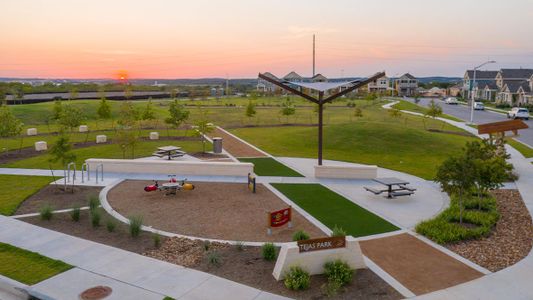
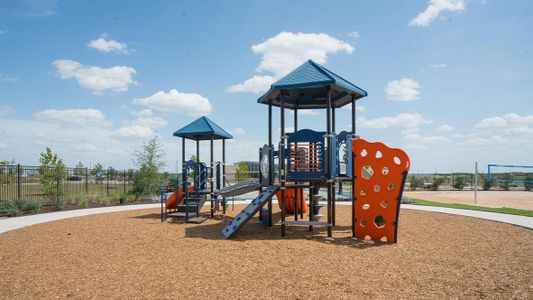
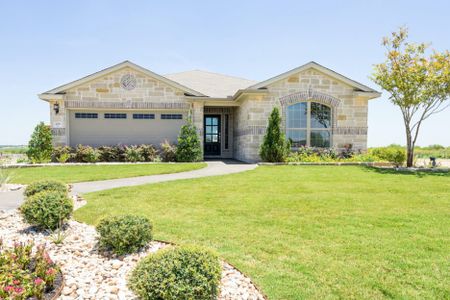
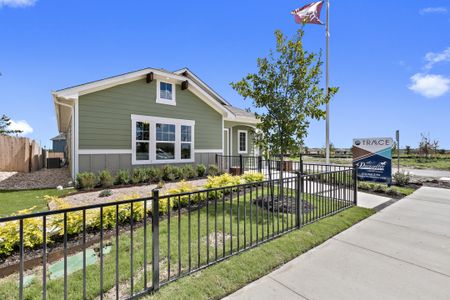
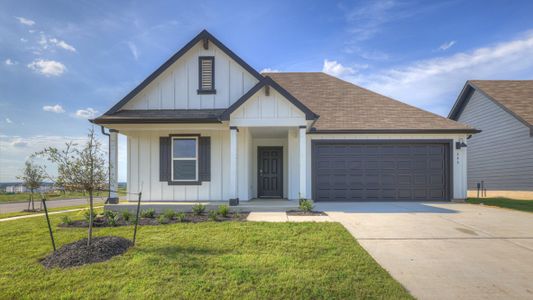
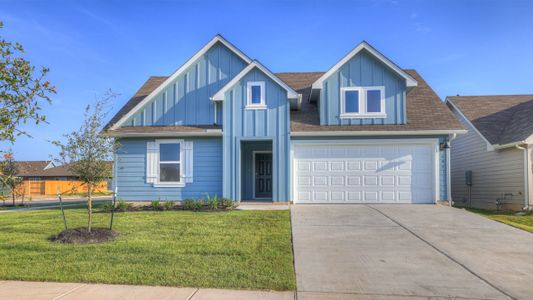
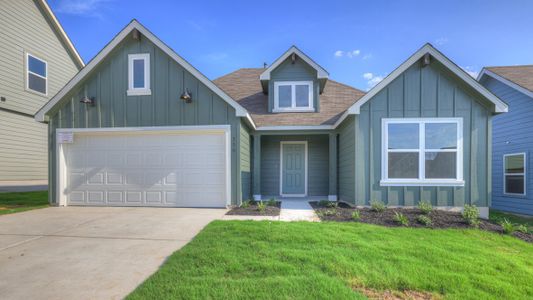
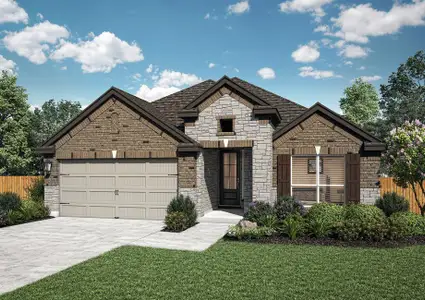
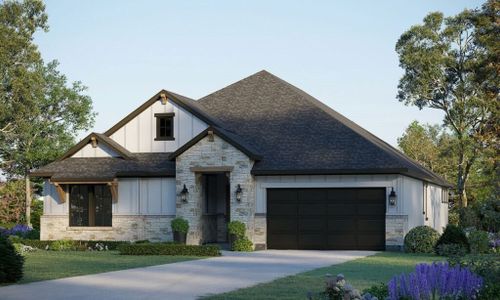
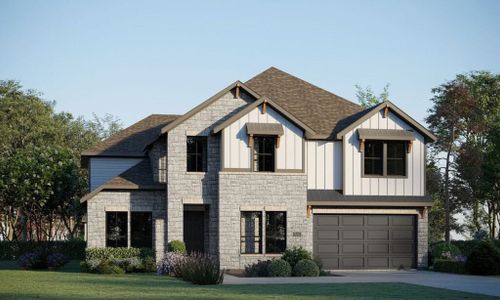
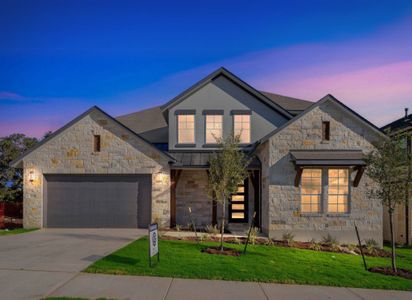
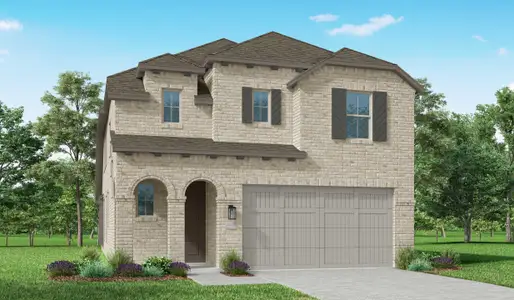
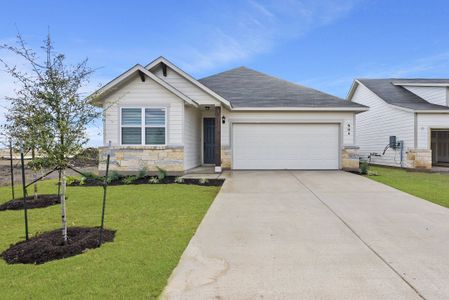
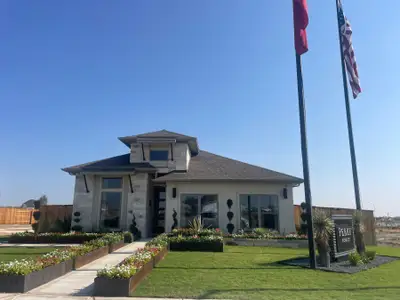
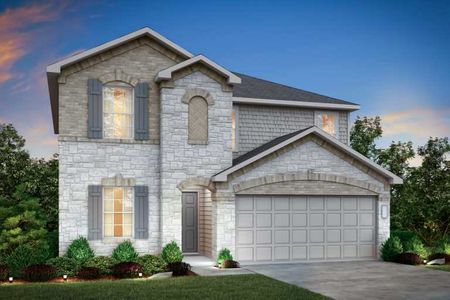
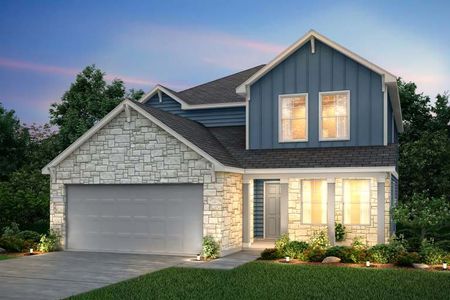
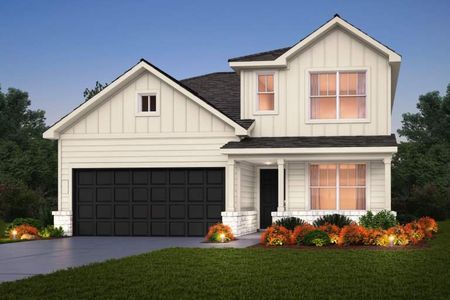
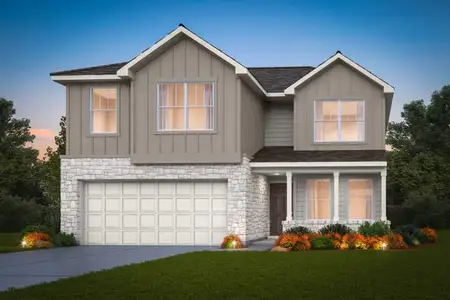
Browse currently available new construction homes, communities, and floor plans across the Greater Austin Area. All listings are updated daily with the latest inventory from builders. Browse all communities & new homes in Greater Austin Area
Top-rated new construction communities in Greater Austin Area
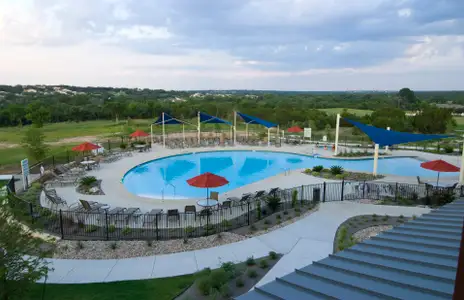
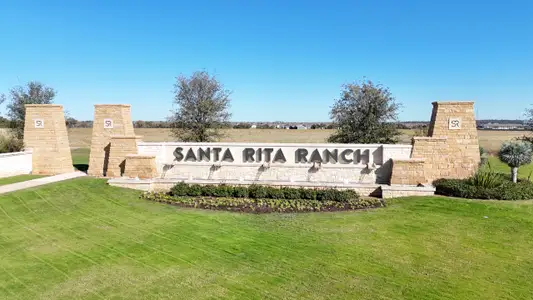
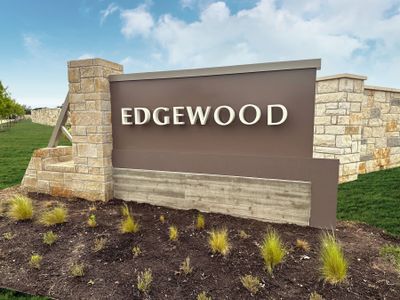

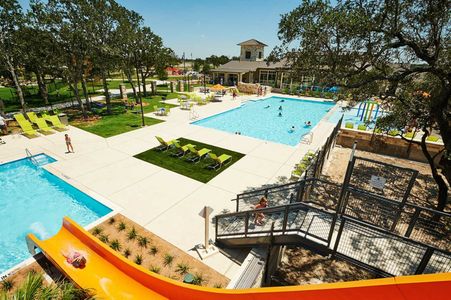
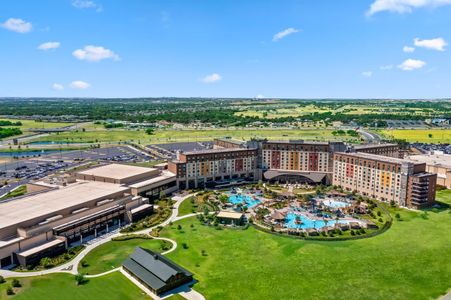
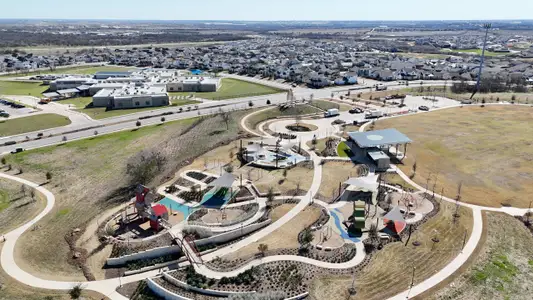
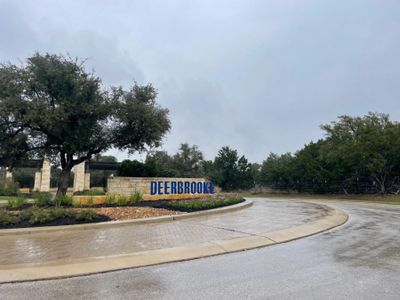
Master planned communities in Greater Austin Area
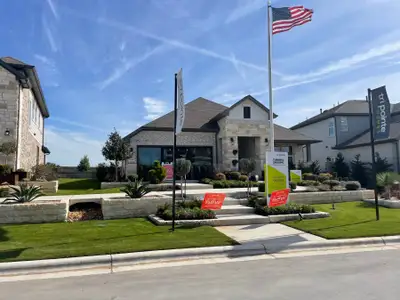
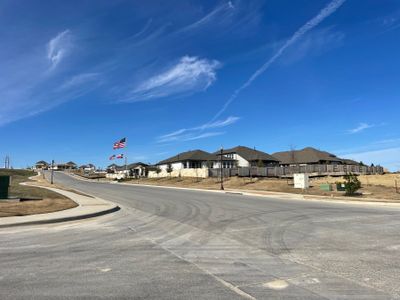
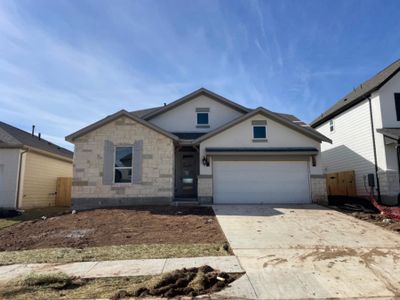
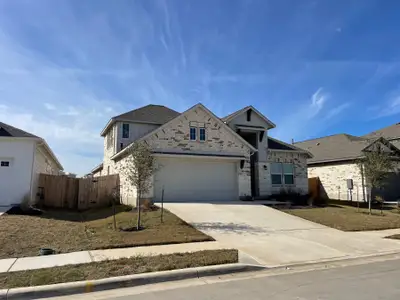
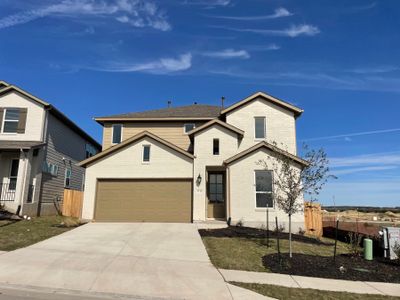
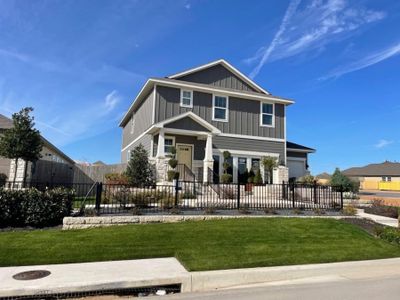
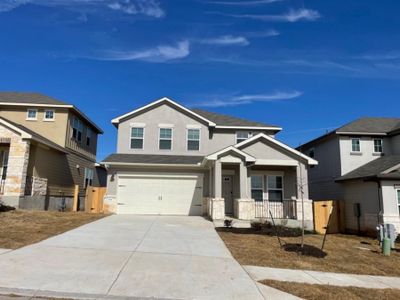
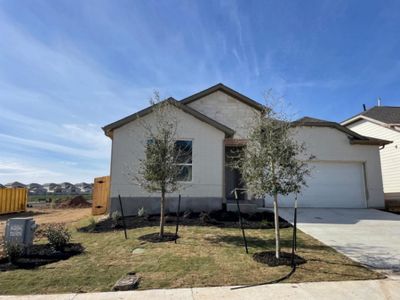
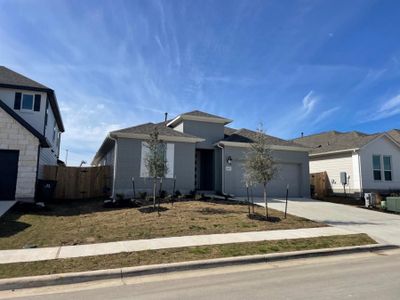
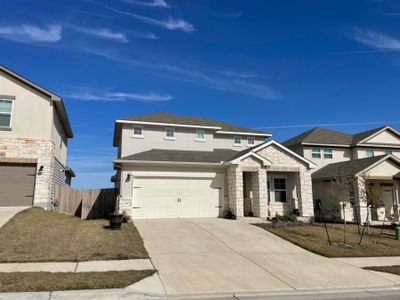
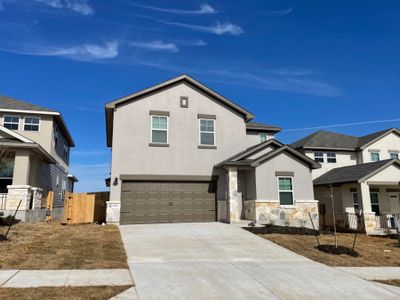
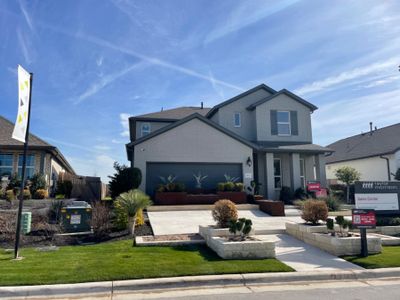
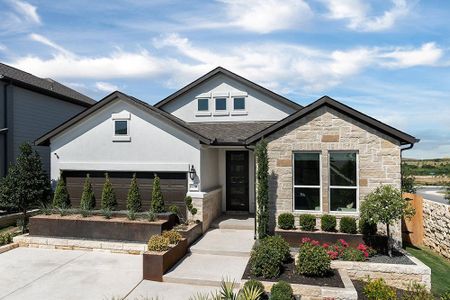
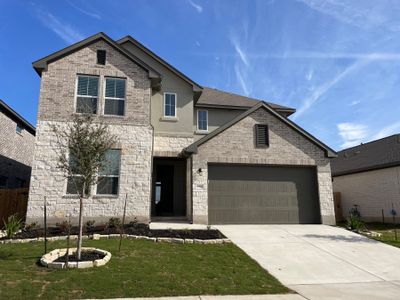
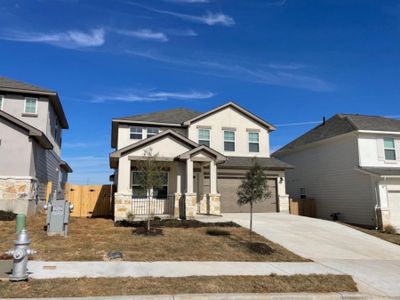
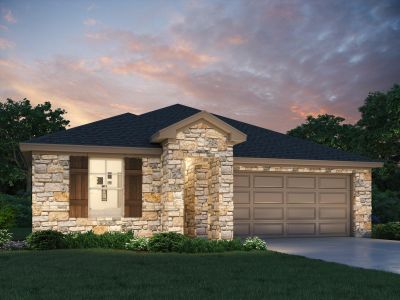
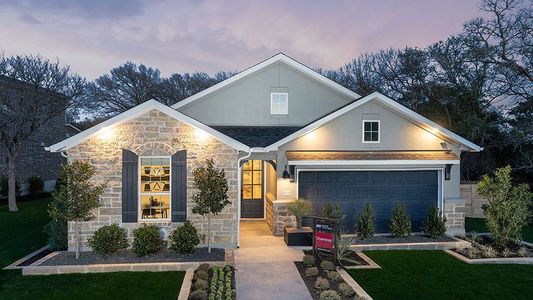
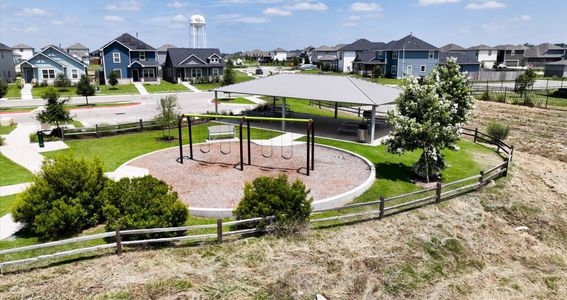
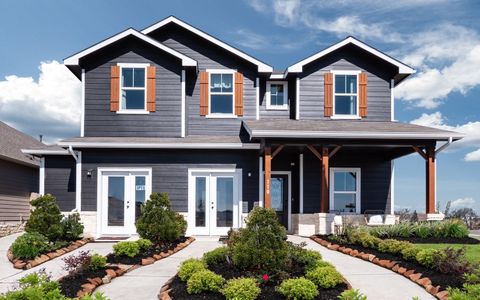
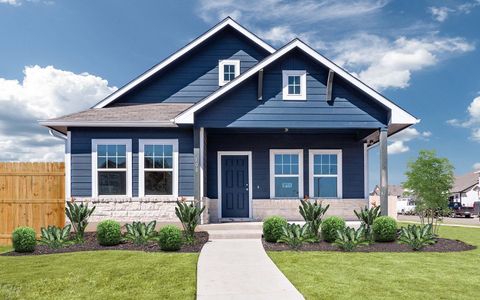
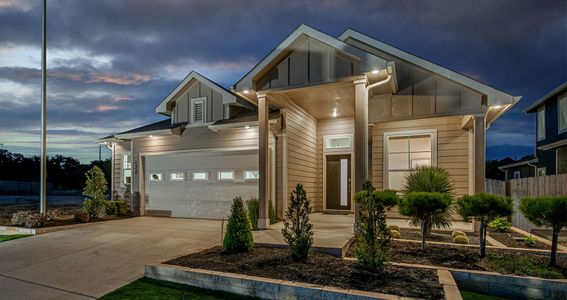
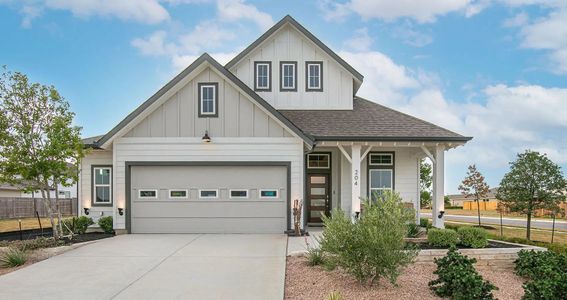
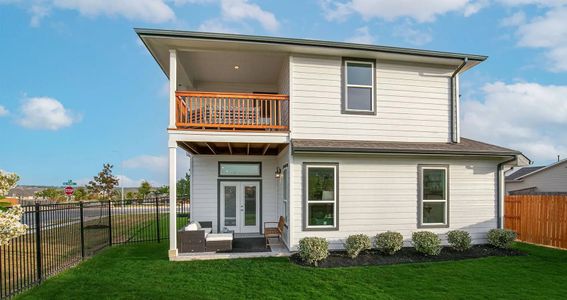
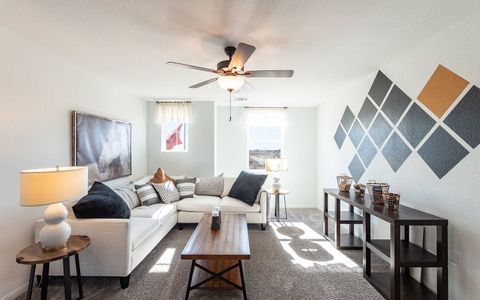
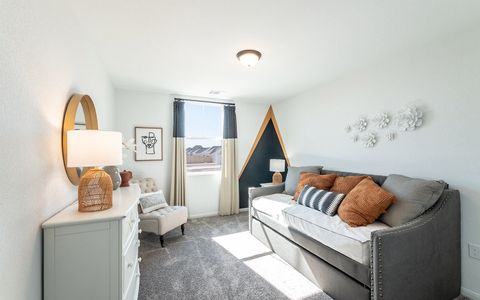
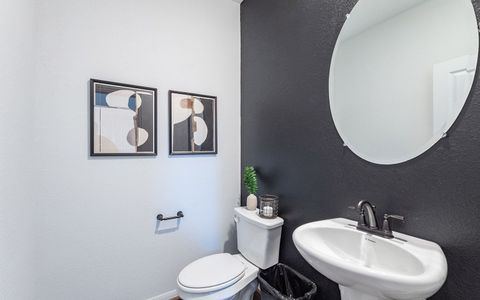
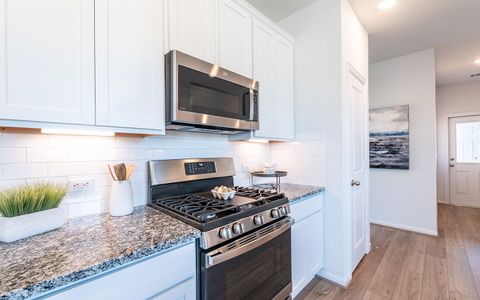
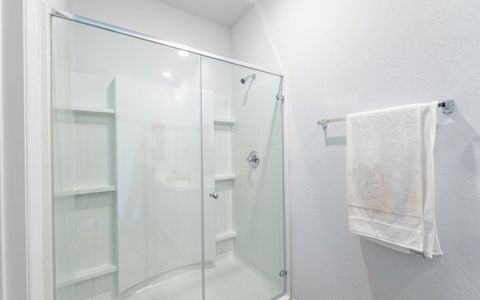
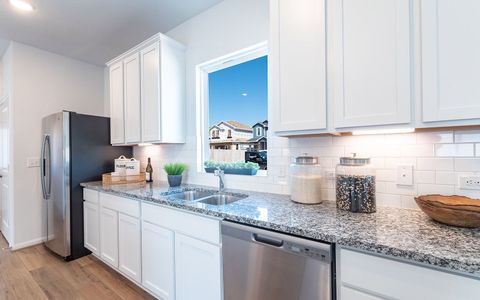
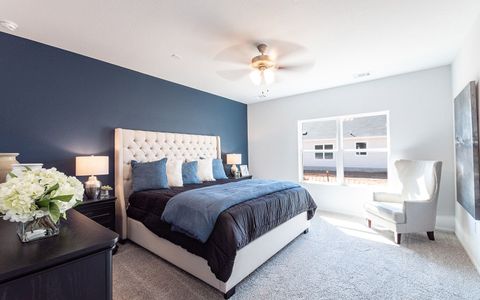
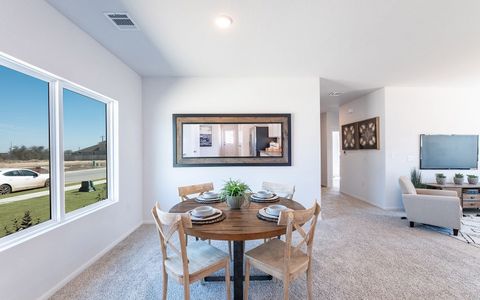
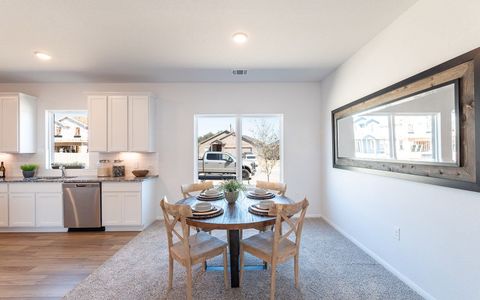
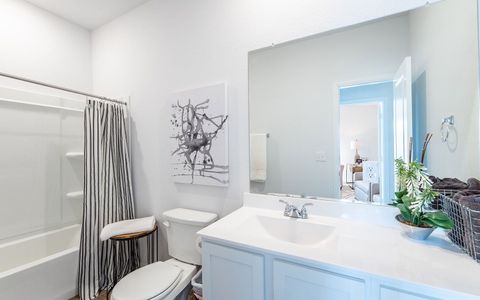
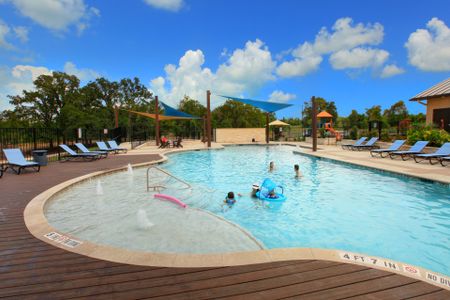
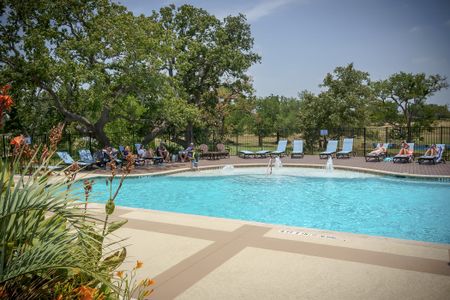
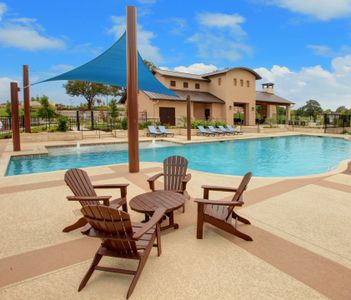
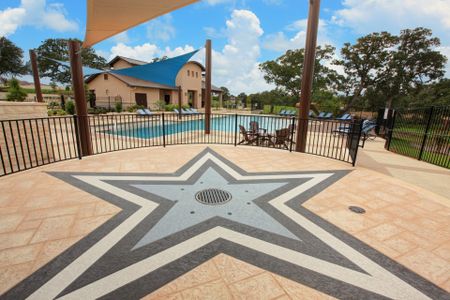
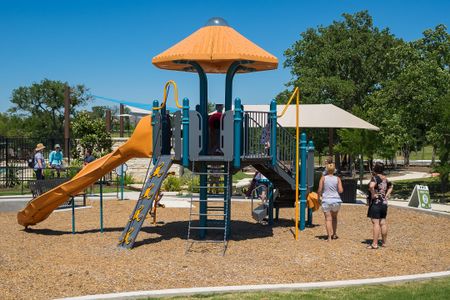

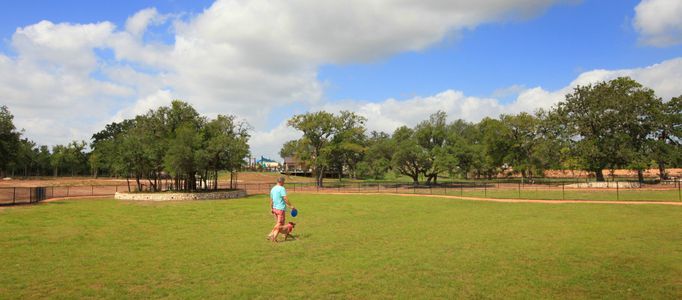
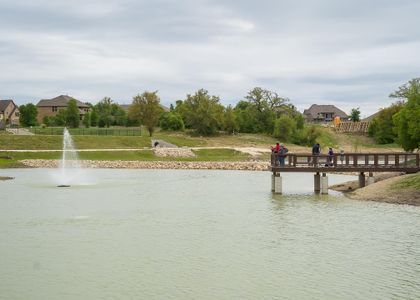
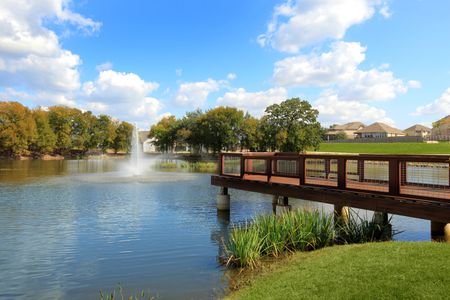

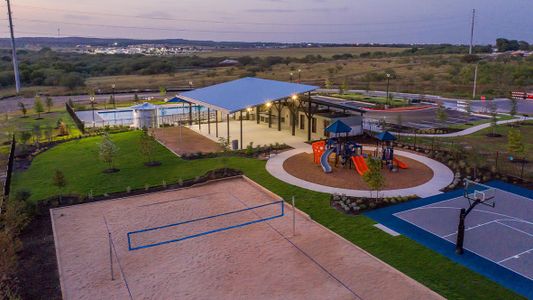
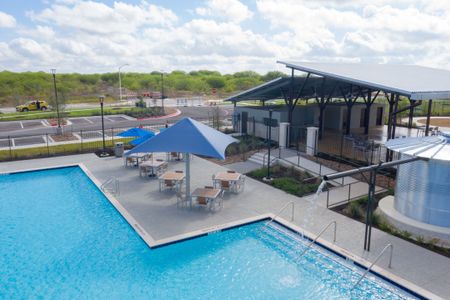
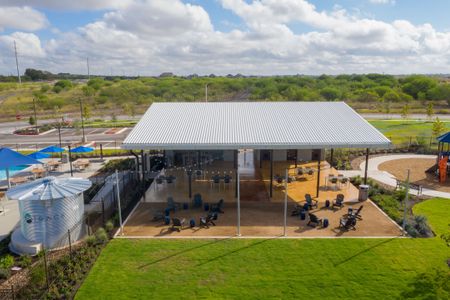
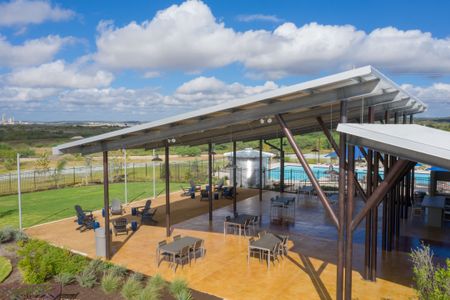
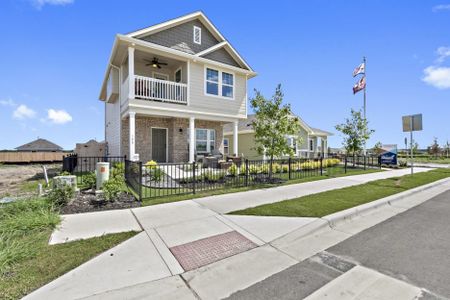
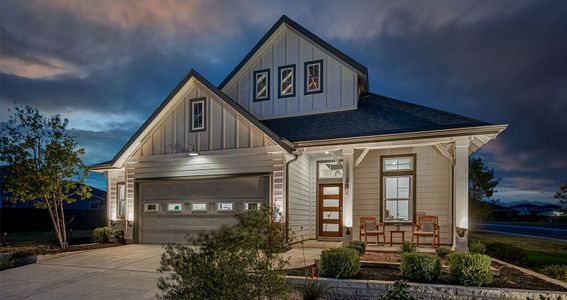
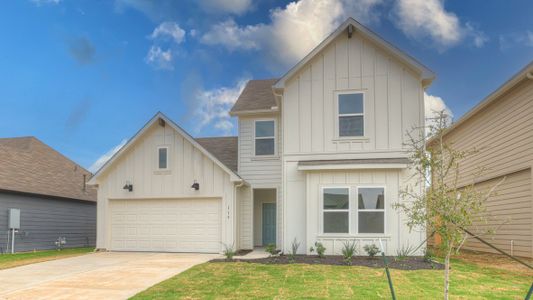
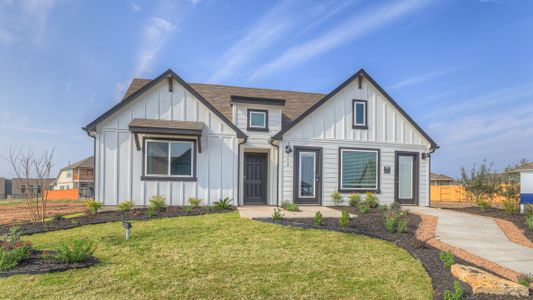




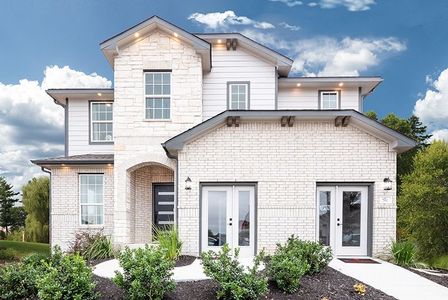
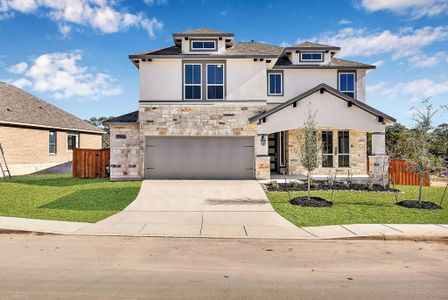
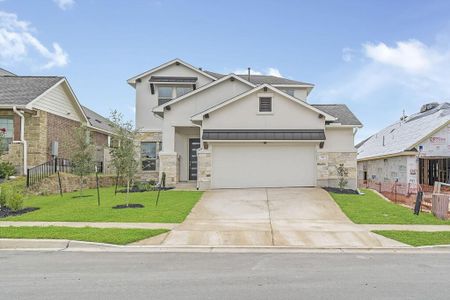
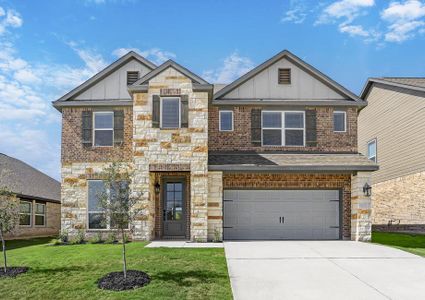
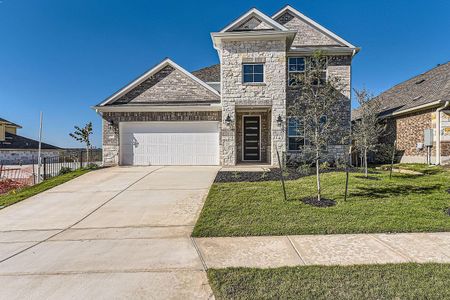
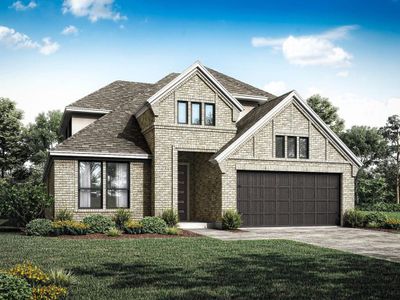
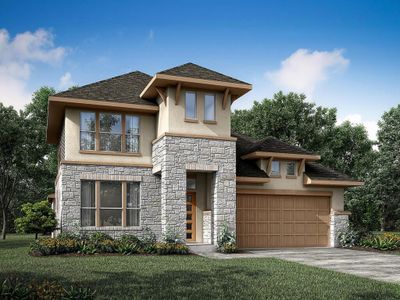


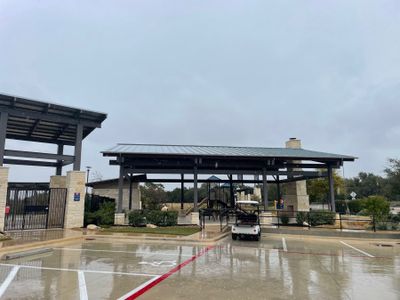

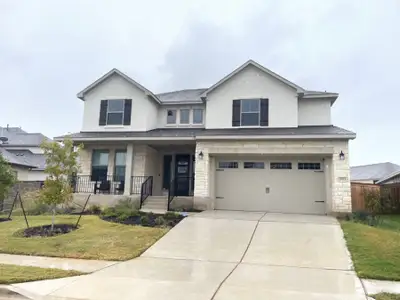


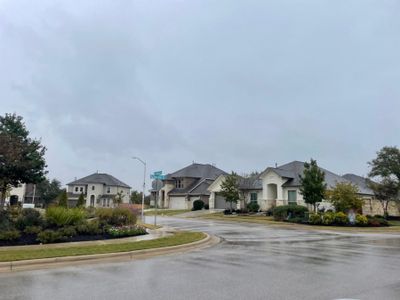
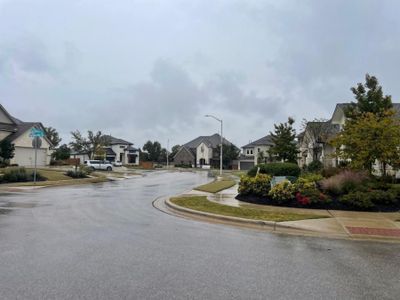
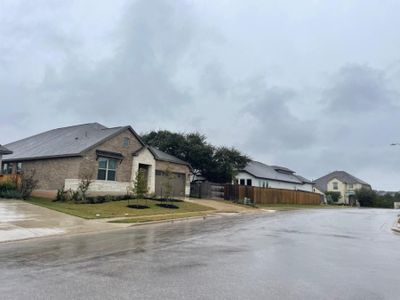
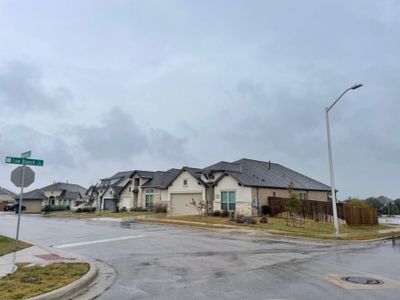
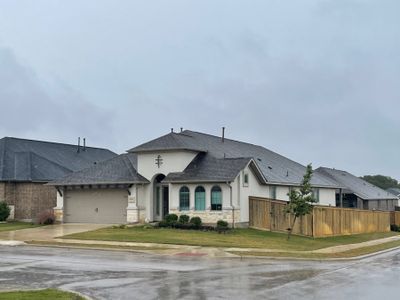

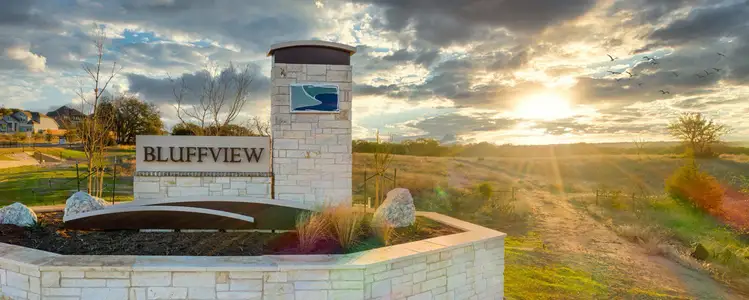
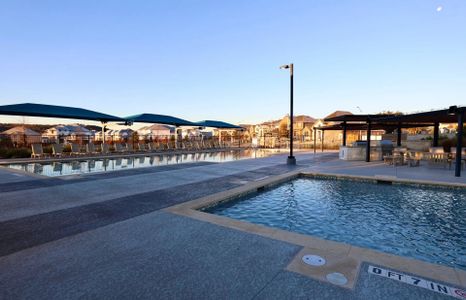


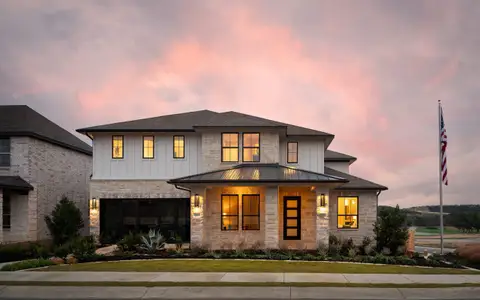
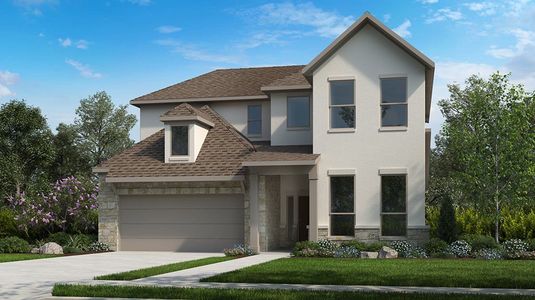
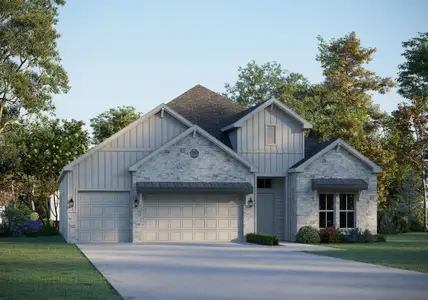


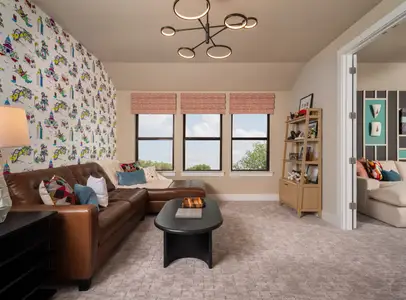


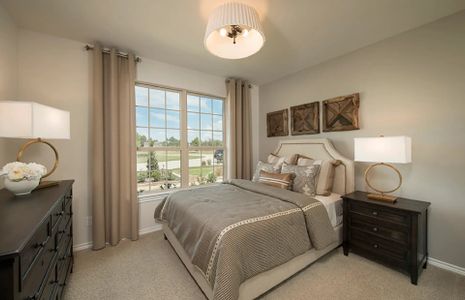
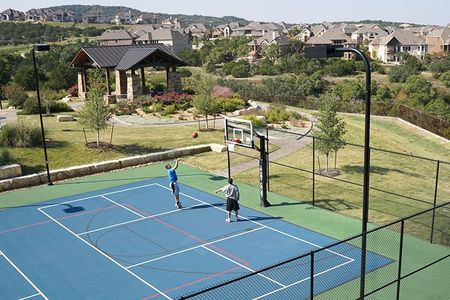
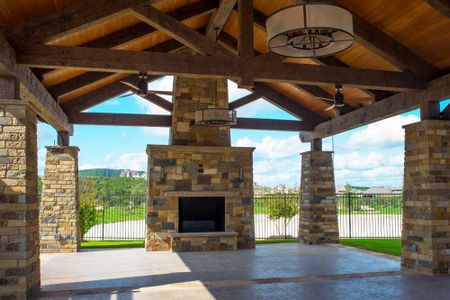
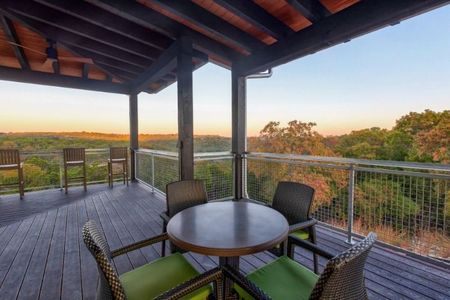
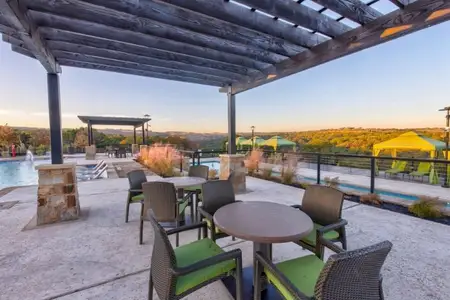
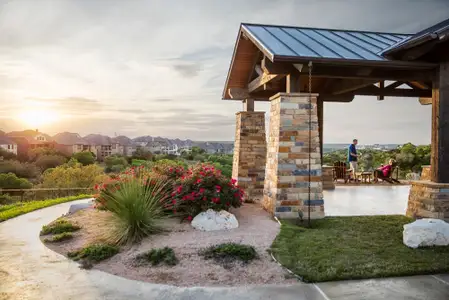
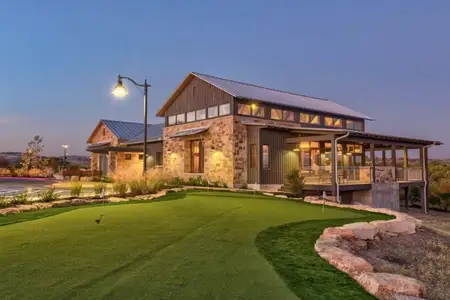
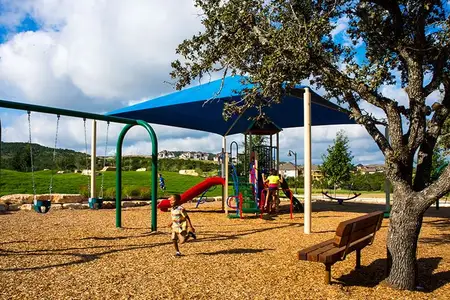

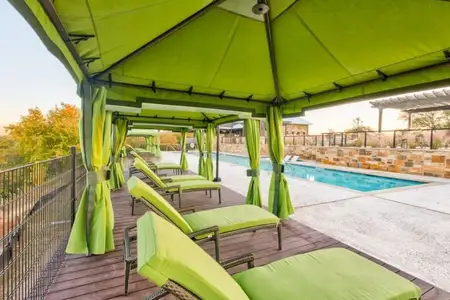


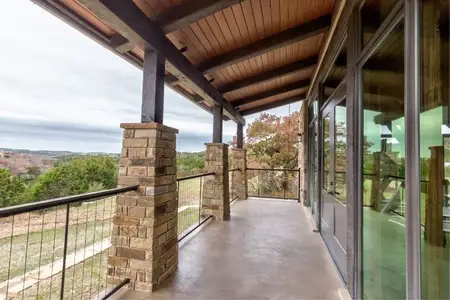
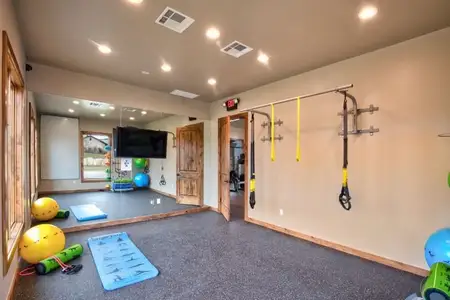
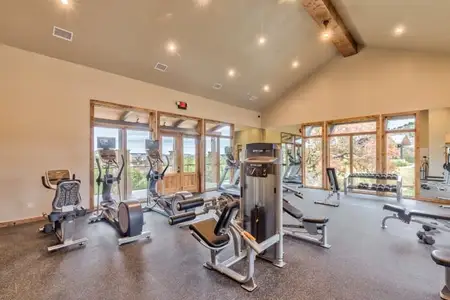

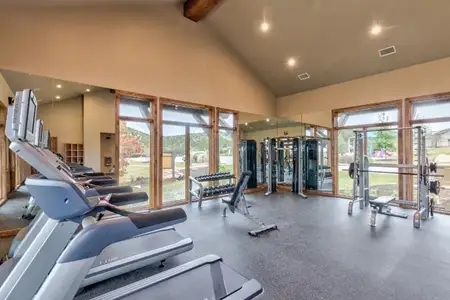

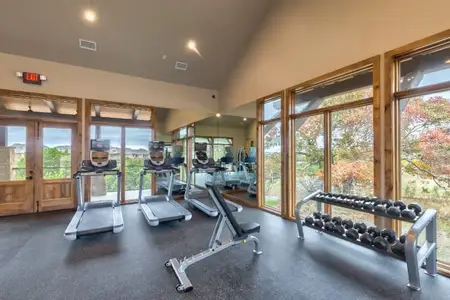
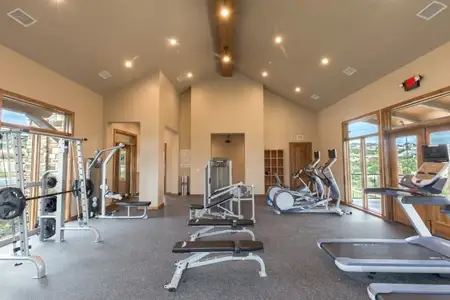
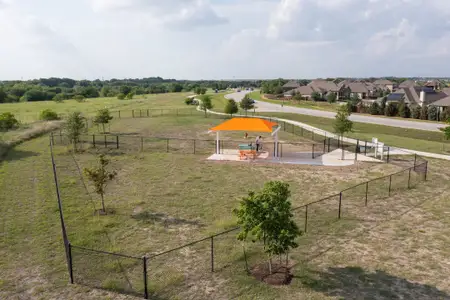
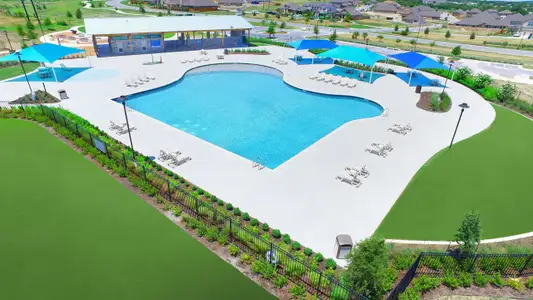
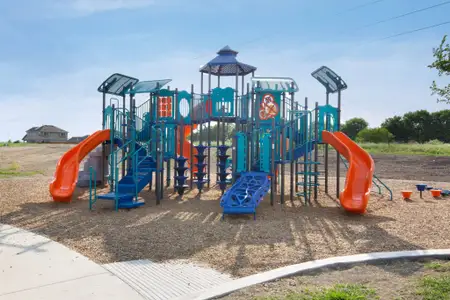
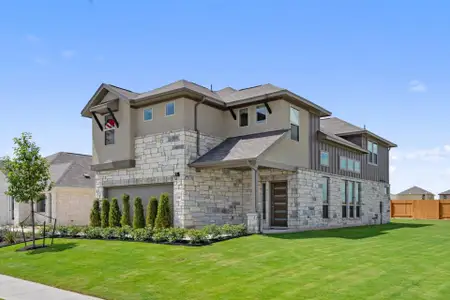
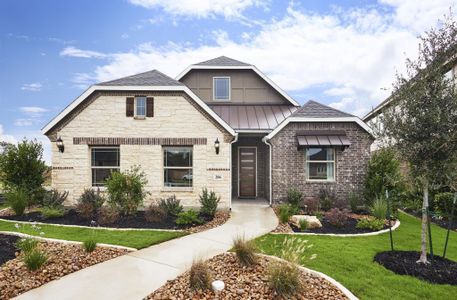
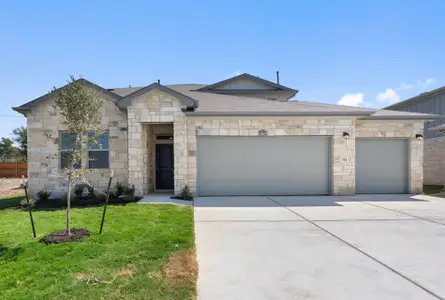
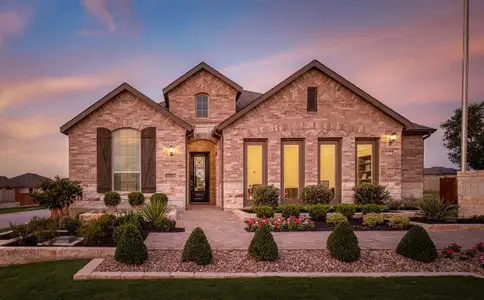
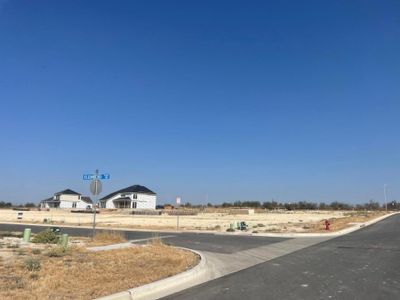
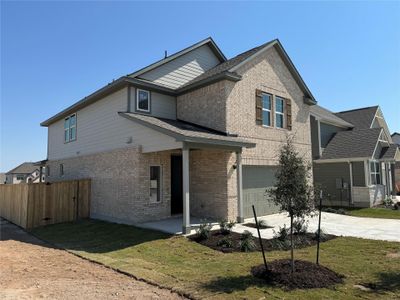
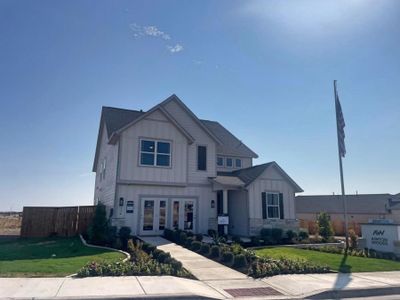
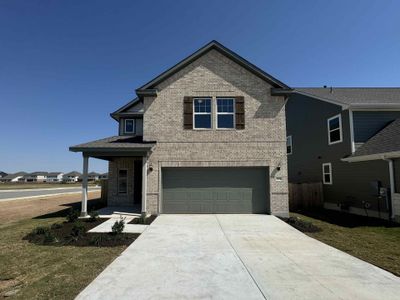
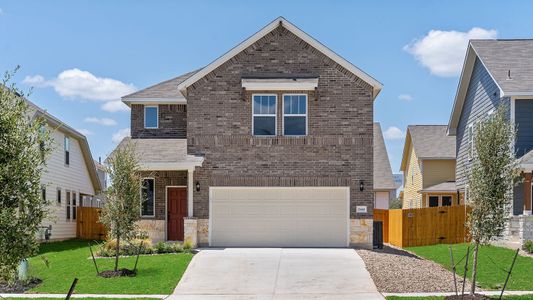
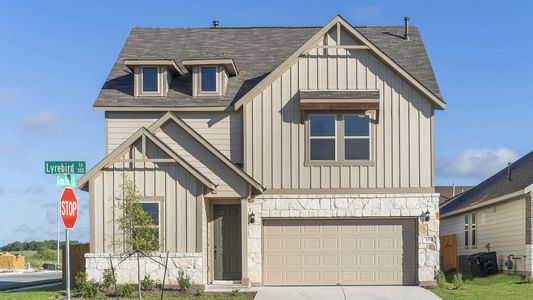
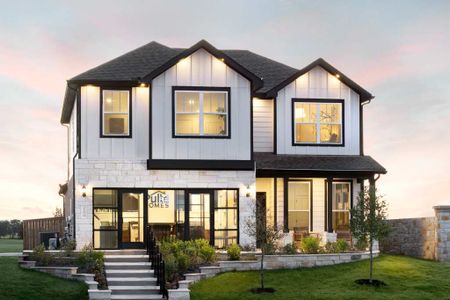
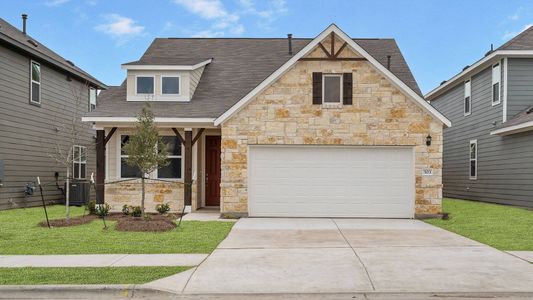
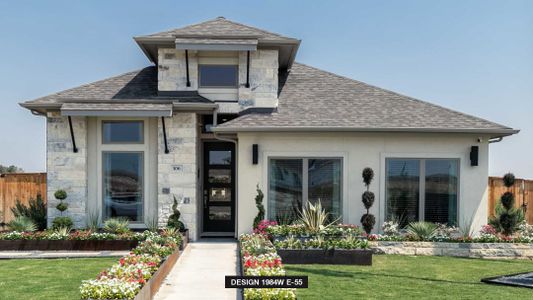
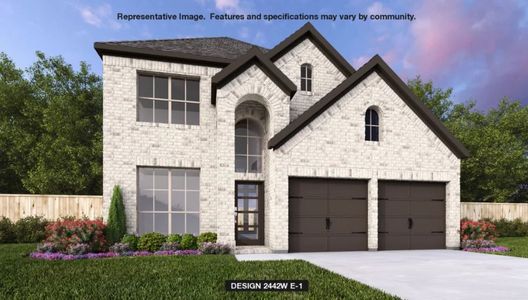
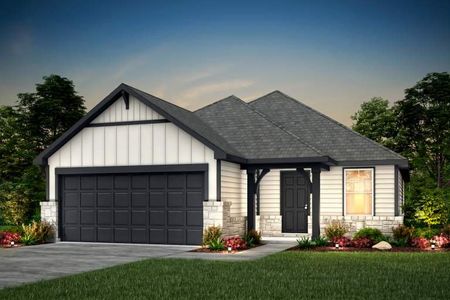
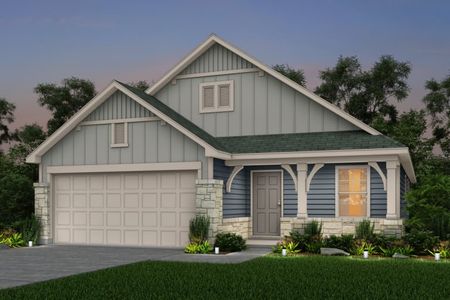
Browse communities & homes in Greater Austin Area cities
Real estate in Greater Austin Area
The Austin housing market has been booming for the last several years. It was named the No. 1 "hottest housing market" by Yahoo Finance in 2021 and remained in the top 10 real estate markets for 2022. Although activity in the Austin area real estate market slowed during the second half of 2022, the market remains strong, as indicated by the continued increase in home values and homes selling close to their asking price. These trends are expected to continue into 2023 as the city's population continues to grow.
Newly released communities

Recently listed homes
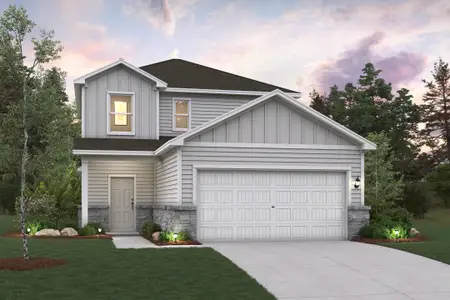
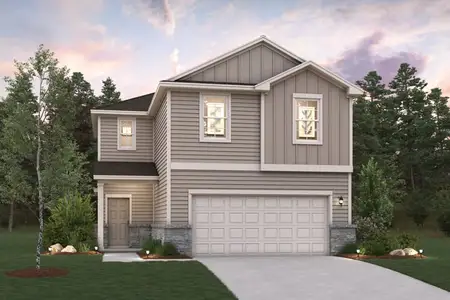
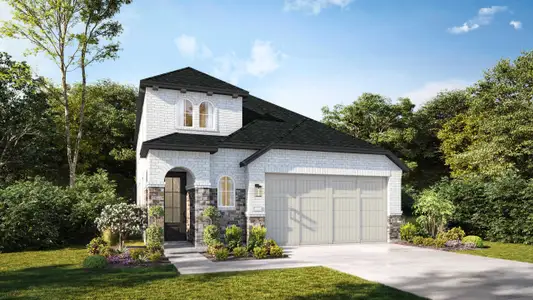
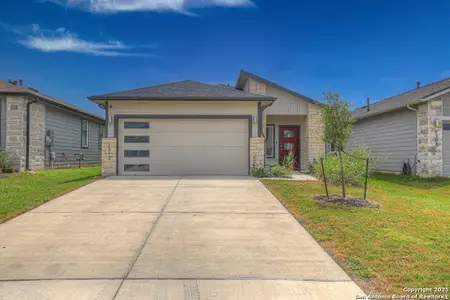
Recently published floor plans

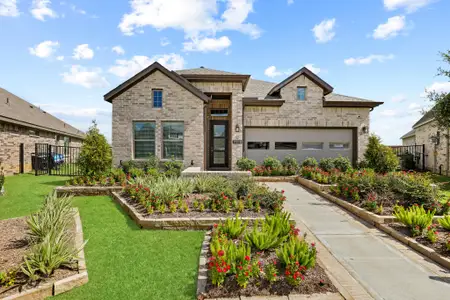
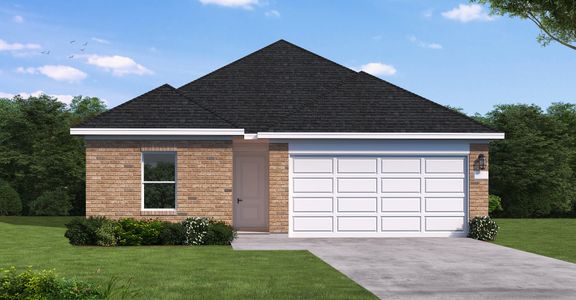
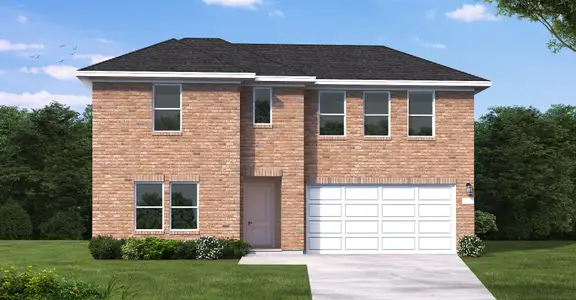
The most popular new construction builders in Greater Austin Area










How does Austin, TX compare to other real estate markets in Texas?



Read about new construction on Jome blog
Frequently asked questions
What is the current median sale price for a property in Greater Austin Area?
Prospective buyers in Greater Austin Area, as of December 2025, will find the median sale price for properties to be $449,000. This market snapshot includes 9674 homes recently constructed by 123 developers, offering a wide range of housing options.
Who are the major developers of new construction homes in Greater Austin Area?
For those interested in new construction homes in Greater Austin Area, the work of Perry Homes, Lennar, D.R. Horton, Highland Homes and Pulte Homes stands out. These developers have established themselves as trusted names in new home construction.
йф
шггрио