
Dallas–Fort Worth Area new construction market: prices, trends, guides & homes as of December 2025
About Dallas–Fort Worth Area
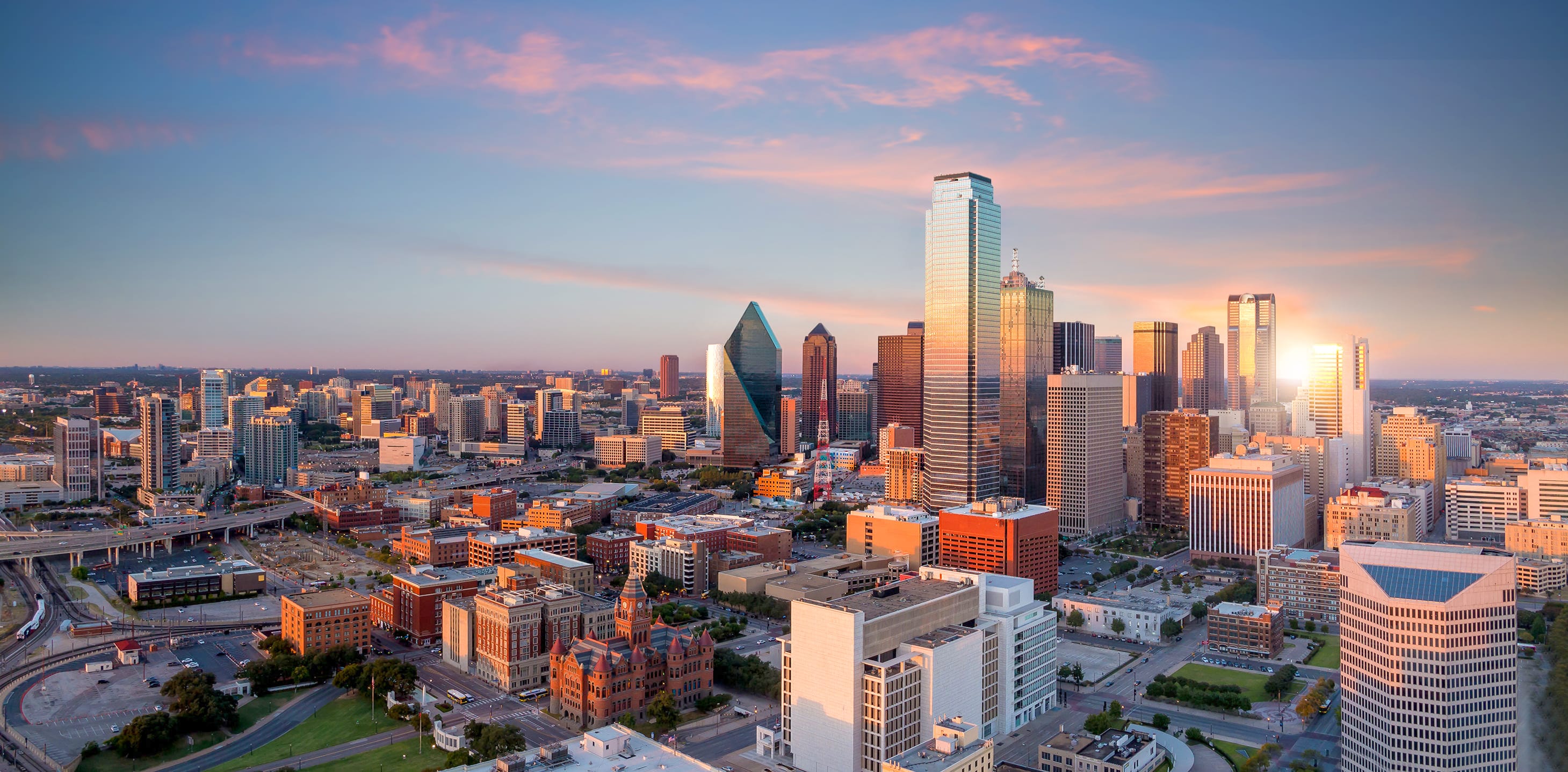
They say everything is bigger in Texas, and you'll have no doubt about it when you get to Dallas-Fort Worth, or DFW for short. Once two separate cities, Dallas and Fort Worth have been joined to form the largest metropolitan area in the southern United States. With cultural and recreation activities to suit all interests, a family-friendly environment, and great weather, you can be sure you'll find the lifestyle you're looking for here in DFW. With 7.8 million residents, the Dallas Fort Worth Metroplex includes 12 counties. Some of the major cities that comprise the DFW area include Dallas, Fort Worth, Southlake, and Keller. Once dominated by the oil and gas industry, DFW has become a diverse economy over the last several decades with excellent opportunities for job seekers and business owners alike. Its highly skilled workforce, combined with a low cost of operations, has turned DFW into an attractive place for large employers to set up headquarters and regional offices. There are 23 Fortune 500 companies headquartered in DFW, the second highest number in the United States. If you're looking for a job, you'll find career opportunities in various industries, including technology, financial services, telecommunications, healthcare, energy, manufacturing, transportation, and defense.
How are new home prices changing in Dallas - Fort Worth, TX?
Home price data reflects current listings in Dallas–Fort Worth Area, Texas, sourced from Jome and updated regularly
*Based on Jome markets

Get free consultation with Dallas–Fort Worth Area expert
Get a free, no-pressure consultation with our top Dallas–Fort Worth Area new-construction expert. They know every major builder, the best deals and incentives, and exactly what's happening in the local new-construction market.
Dallas–Fort Worth Area market overview
- Overall inventory25,954
- Single-family inventory24,937
- Townhouse inventory875
- Condo inventory99
- Multi-family inventory0
- Penthouse inventory0
- 1 bed inventory16
- 2 beds inventory385
- 3 beds inventory7,986
- 4+ beds inventory17,529
- Median home price$449,990
- Median sqft price$194.3
- Median 1 bed price$332,200
- Median 2 beds price$419,900
- Median 3 beds price$349,890
- Median 4+ beds price$514,990
- Min listing price$100,000
- Max listing price$24,999,900
- Min community price$100,000
- Max community price$17,500,000
Dallas–Fort Worth Area median price change
| Month | Median price | Change |
|---|---|---|
| March 2025 | $463,123.5 | - |
| April 2025 | $462,185 | -0.20% |
| May 2025 | $463,329.5 | +0.25% |
| June 2025 | $467,995 | +1.01% |
| July 2025 | $466,000 | -0.43% |
| August 2025 | $467,556.5 | +0.33% |
What are the most popular buyers' searches?
What it's like to live in Dallas–Fort Worth Area?
The Dallas-Fort Worth metroplex operates as two distinct cities that happen to share an airport and a massive suburban sprawl connecting them across 9,000 square miles of North Texas prairie. Dallas functions as a corporate headquarters center and financial services hub, with glass towers in the Arts District housing companies including AT&T, American Airlines, and dozens of others that relocated here for business-friendly policies and reasonable costs. Fort Worth maintains its western heritage identity while quietly hosting major defense operations at the Naval Air Station and Air Guard Station, serving as a manufacturing center, and offering a slower pace than its flashier neighbor 30 miles east. Between and around them, dozens of suburban cities from Frisco to Arlington to Southlake have emerged as destinations themselves, each with distinct identities and price points. The common thread is DFW's position as corporate America's preferred relocation destination, where zero state income tax combines with genuinely lower costs than coastal alternatives, creating a metro that has sustained population growth for three decades while absorbing waves of transplants who find themselves defending their decision to live in "Dallas" to skeptical friends in Brooklyn or San Francisco.
Why DFW became corporate America's relocation destination of choice
The corporate relocation story defines modern DFW more than any other factor. AT&T's presence in downtown Dallas creates not just direct employment but an ecosystem of telecommunications companies, suppliers, and professional services firms supporting the industry. American Airlines' headquarters and massive hub operation at DFW Airport employs over 30,000 people directly in the metro, from pilots and flight attendants to corporate executives and maintenance crews, while generating additional employment across hospitality, ground transportation, and services supporting the world's fourth-busiest airport. The pattern repeats across industries: ExxonMobil anchors energy sector employment in Irving, Toyota relocated its North American headquarters to Plano bringing thousands of jobs, Charles Schwab moved significant operations from San Francisco seeking lower costs, and the list extends across finance, technology, healthcare, and manufacturing sectors.
Las Colinas represents this transformation physically, functioning as an upscale Dallas-Fort Worth campus hub minutes from DFW Airport, with canals, offices, and greenways creating a master-planned business environment that companies find attractive for operations requiring airport proximity and quality office space. The area concentrates corporate operations that need both Dallas's urban resources and convenient air travel access for executives and clients flying in from other markets.
The defense and military infrastructure provides employment stability that purely corporate markets lack. Fort Worth Naval Air Station and Dallas Air Guard Station create concentrated military and civilian contractor employment, with the Air Guard facility located in Oak Cliff offering proximity to I-35 and work opportunities that draw military families seeking suburban access near the base. These installations represent sustained federal employment immune to private sector volatility.
The logistics and distribution sector has made DFW a gateway for goods moving across the country. The metro's central location, extensive highway network, rail infrastructure, and air cargo capacity through DFW Airport create an ideal distribution hub. Amazon operates multiple massive fulfillment centers. Major retailers and manufacturers maintain regional distribution operations. This creates constant demand for warehouse managers, logistics coordinators, truck drivers, and supply chain analysts.
The healthcare sector has expanded substantially, with major hospital systems including Baylor Scott & White, Methodist, Texas Health Resources, and UT Southwestern creating dense medical employment across physicians, nurses, researchers, and administrators. Medical City Dallas and other facilities serve as regional referral centers, attracting patients and medical talent from across Texas and neighboring states.
The tax structure delivers the advantage that draws many relocators. Texas collects zero state income tax, meaning a household earning $140,000 annually saves $6,000 to $10,500 compared to California, New York, or Illinois. Property taxes fund local services, with rates typically between 1.8% and 2.3% of assessed value depending on county and municipality, higher than many states but offset by the income tax savings that benefit high earners particularly.
The cost of living remains genuinely lower than Austin and dramatically below coastal alternatives, despite recent appreciation in prime suburbs. Quality new construction in solid Dallas suburbs ranges from $380,000 to $550,000, with Fort Worth generally offering better value at $350,000 to $480,000 for comparable properties. Premium suburbs including Frisco, Prosper, and Southlake command higher prices from $550,000 to $850,000-plus in top school districts, but even these represent substantial savings compared to Silicon Valley or New York suburbs. The breadth of options across the sprawling metro means buyers can find their price point, though it may involve commutes exceeding an hour during rush periods.
The climate delivers hot, humid summers where temperatures regularly exceed 95 degrees from late June through August, with occasional stretches above 100 degrees during extreme heat waves. Air conditioning runs continuously for four to five months. Winters remain mild with occasional freezes and rare ice storms that paralyze infrastructure when they occur, as February 2021 demonstrated when the entire state grid collapsed during sustained freezing temperatures. Spring brings severe weather including tornadoes, with the metro sitting in an active zone requiring weather awareness from March through May. Fall provides genuinely pleasant conditions. Year-round outdoor living remains possible for those willing to endure summer heat.
Understanding the DFW market by buyer type
The metroplex's massive scale and diverse economy create buyer profiles concentrated in specific submarkets, with new construction responding to corporate relocations that continue despite recent economic uncertainty and the reality that DFW continues absorbing thousands of new residents monthly.
For Corporate Executives and White-Collar Professionals Across Industries: DFW's corporate headquarters concentration creates enormous demand from executives, managers, analysts, and professional services workers across multiple sectors. AT&T employees concentrate in areas offering reasonable commutes to downtown Dallas and Richardson operations. American Airlines workers scatter throughout the metro but cluster in areas near DFW Airport including Grapevine, Coppell, and Irving. Toyota's Plano headquarters draws employees to North Dallas suburbs including Frisco, McKinney, and Allen where commutes remain manageable despite growth. ExxonMobil's Las Colinas presence creates demand in Irving and surrounding areas. Beyond these anchors, dozens of smaller corporate operations, consulting firms, law practices, and professional services companies create white-collar employment density matched by few metros outside New York and Chicago. New construction in Collin County cities serves this demographic heavily, with price points ranging from $450,000 to $800,000 for properties balancing commute times with space and school quality. Many relocate from expensive markets including California, the Northeast, and Chicago, taking lateral moves or modest increases for DFW's lower costs while finding housing affordable despite local complaints about appreciation. These professionals often bring housing budgets calibrated to their departure markets, making $600,000 homes feel accessible when they sold California properties for $1,200,000. They seek modern floor plans with home offices for hybrid work schedules, strong internet infrastructure, and neighborhoods with other educated transplants and good schools rather than multi-generational Texas families.
For Telecommunications and Technology Workers: DFW's telecommunications sector, anchored by AT&T but extending to numerous tech companies and data centers, attracts network engineers, software developers, data analysts, and IT professionals working across corporate technology infrastructure and emerging tech companies. The Telecom Corridor in Richardson and Plano concentrates these workers, creating housing demand in surrounding suburbs. New construction in Plano, Frisco, Allen, and McKinney serves this market at price points from $420,000 to $680,000. Many work hybrid schedules combining office attendance with remote days, making home offices valuable. These professionals often relocate from other tech hubs including Austin, the Bay Area, or Seattle, finding DFW's tech sector less visible but substantial, with enterprise technology and telecommunications offering stability that consumer tech startups lack. They seek floor plans accommodating multiple monitors and equipment, strong internet connectivity, and proximity to the Telecom Corridor or specific employer campuses. The work often involves on-call rotations for network operations, making reasonable commute times valuable when 3 AM data center emergencies require immediate presence.
For Aviation Industry Workers Across Specializations: American Airlines' massive presence creates unique buyer patterns distinct from typical corporate relocations. Pilots, flight attendants, mechanics, dispatchers, and corporate employees working at the headquarters all concentrate housing decisions around airport proximity and flight schedule realities. Pilots and flight attendants often seek homes offering quick commutes to DFW Airport for early morning report times and late-night arrivals, creating demand in Grapevine, Coppell, Irving, and Grand Prairie where 20-minute drives to terminals remain achievable. Corporate employees at headquarters follow more traditional patterns seeking school districts and space. Maintenance and operations workers concentrate near the massive maintenance base. These buyers show wide income variation from flight attendants earning $50,000 to $80,000 annually to senior captains exceeding $300,000, creating demand across price ranges from $320,000 townhomes to $650,000-plus single-family homes. Aviation work schedules create unique considerations, with buyers needing neighborhoods tolerant of irregular coming-and-going patterns, quiet spaces for daytime sleep after red-eye flights, and proximity to airport facilities when called for schedule changes. Employee benefits often include flight privileges making airport proximity less critical for personal travel than for work access.
For Military Personnel and Defense Contractors: Fort Worth Naval Air Station and Dallas Air Guard Station create military housing demand distinct from purely corporate markets. Active-duty personnel, military retirees, and defense contractors supporting installations prioritize locations offering reasonable commutes for early morning formations and shift work. Areas near the bases including Grand Prairie, Oak Cliff, and specific Fort Worth suburbs serve this demographic, with new construction from $300,000 to $480,000 depending on rank and dual-income household status. VA loan usage with zero down payment makes new construction attractive when builders offer incentives. Military buyers understand PCS cycles mean likely relocation within a few years, making resale potential important beyond personal use. The installations also employ civilian contractors in defense technology and support roles, creating a professional military-adjacent demographic earning higher salaries and purchasing in the $450,000 to $620,000 range seeking neighborhoods with other professionals rather than traditional military communities.
For Healthcare Professionals Across Specializations: DFW's extensive hospital networks create demand from physicians, nurses, medical technicians, healthcare administrators, and pharmaceutical sales representatives throughout the metro. UT Southwestern's medical complex and affiliated hospitals in Dallas create concentrated demand in North Dallas and suburbs offering reasonable commutes to the medical district. Baylor Scott & White facilities scattered throughout the metro create multiple demand centers. Fort Worth's medical corridors serve that side of the metroplex. These professionals show wide income variation from nurses earning $70,000 to $90,000 to established physicians exceeding $350,000, creating demand across price ranges. Many relocate from other metros for positions at specific hospitals or practices, finding DFW's housing costs allow better lifestyle than expensive medical markets like Boston or Los Angeles. Shift work and on-call schedules make short commutes valuable, with healthcare workers often prioritizing proximity to specific facilities over neighborhood character or school district quality. New construction serving this market ranges from $360,000 to $700,000 depending on income level and location preferences.
For Logistics and Distribution Professionals: DFW's position as a distribution hub creates demand from warehouse managers, transportation coordinators, supply chain analysts, and logistics specialists working at facilities throughout the metro. Amazon's multiple fulfillment centers, traditional retailers' distribution operations, and manufacturers' regional warehouses employ thousands. These workers prioritize proximity to facilities often located in areas including southern Dallas, Grand Prairie, and communities along I-35 and I-20 corridors. New construction serving this market emphasizes value, with buyers seeking maximum square footage per dollar, practical layouts with garage space for vehicles and tools, and minimal HOA restrictions. Price points typically range from $290,000 to $430,000, with the best value found in areas farther from Dallas's core where land costs remain manageable. These buyers often work non-traditional hours including night shifts at 24/7 operations, making neighborhoods accommodating irregular schedules important considerations.
For Growing Families Prioritizing Education and Safety: School district quality drives decisions for families throughout the metroplex, with dramatic variation between and within districts requiring careful research. Frisco ISD consistently ranks among Texas's top performers, creating intense demand and corresponding price premiums. Plano ISD maintains strong reputations despite size and diversity creating variation between specific schools. Southlake Carroll ISD commands extreme premiums for its consistently top-tier performance. Highland Park ISD in inner Dallas serves affluent areas with excellent schools but at pricing that eliminates most buyers. Grapevine-Colleyville ISD, Coppell ISD, and Prosper ISD each attract families seeking quality education. Fort Worth ISD and Dallas ISD face challenges despite pockets of excellence in magnet schools and specific attendance zones. Families research individual schools rather than trusting district-wide reputations. These buyers prioritize location over square footage, accepting 2,500 square foot homes in Frisco ISD over 3,500 square foot alternatives in weaker districts. Price points range from $480,000 in solid but not premium zones to $750,000-plus in top elementary school areas where specific attendance boundaries command maximum premiums. Many families relocate to DFW specifically for corporate positions but choose housing primarily based on school ratings, creating submarkets where education quality drives all other decisions.
For First-Time Buyers and Value Seekers in Outer Suburbs: DFW's sprawling geography and continued outward growth create affordability opportunities that Austin has largely lost. First-time buyers find entry points in communities 35 to 50 miles from Dallas or Fort Worth including areas like Wylie, Forney, Waxahachie, Burleson, and Denton where new construction starts around $280,000 to $360,000 for basic single-family homes. These buyers maximize square footage over location, often purchasing 2,000 to 2,600 square foot homes that would cost $140,000 more in Frisco or Plano. Commutes represent genuine trade-offs, with rush-hour drives sometimes exceeding 90 minutes each way, but buyers accept this for ownership versus renting closer in. Some work at employers including the Gigafactory or distribution facilities located in these outer areas where commutes remain reasonable. Many are relocating from even higher-cost markets, making distant DFW suburbs feel accessible compared to alternatives in California or the Northeast where homeownership would require another decade of saving.
For Retirees Seeking Suburban Lifestyle and Lower Costs: DFW attracts retirees from cold-weather states and higher-cost regions seeking mild winters, lower living costs, and suburban lifestyle. The zero income tax becomes particularly attractive for retirees living on Social Security, pensions, and investment distributions, creating thousands in annual savings. Retirees concentrate in specific communities including areas around lakes north of Dallas, Fort Worth suburbs offering western heritage culture, and master-planned communities designed for active adults. They seek single-story layouts, master-on-main configurations, communities with lawn maintenance services, and proximity to quality healthcare facilities. Price points range from $320,000 in modest communities to $580,000 in premium locations near amenities. Access to major hospital systems matters increasingly with age, with both Dallas and Fort Worth offering comprehensive medical facilities serving regional populations beyond just the immediate metro.
The real cost structure beyond mortgage payments
Your actual monthly housing expense in DFW extends beyond principal and interest, with Texas's tax structure and the metroplex's infrastructure realities creating costs that require evaluation before accepting that corporate relocation package.
- Property taxes represent Texas's method of funding local services without income tax, resulting in rates that surprise relocators from most states. Collin County serving Frisco, Plano, and McKinney typically carries combined rates around 2.05% to 2.25% of assessed value when city, county, school district, and other entities combine. Dallas County rates vary substantially by municipality, ranging from 2.10% to 2.40%. Tarrant County serving Fort Worth runs 2.00% to 2.20%. Denton County sits around 2.10% to 2.30%. On a $500,000 home, annual tax bills range from roughly $10,000 to $12,000. Texas assesses properties annually at full market value, meaning your tax bill rises as your home appreciates, unlike states with capped assessment increases. The homestead exemption provides partial relief, exempting $100,000 from school district taxes for primary residences, but doesn't eliminate the fundamental reality that Texas property taxes exceed most states substantially. Senior citizens over 65 qualify for additional exemptions and can freeze school district taxes at current levels, providing significant relief for retirees.
- Sales tax across the metroplex ranges from 6.25% to 8.25%, with Texas collecting 6.25% and cities adding local portions. Dallas proper carries 8.25% combined rate. Fort Worth charges 8.25%. Many suburbs impose 8.25% as well, though some unincorporated areas remain at the state minimum 6.25%. This affects major purchases including vehicles, where a $50,000 truck carries $3,125 to $4,125 in sales tax. Furniture, appliances, and building materials all include this premium, adding substantially to the cost of furnishing a new home.
- Homeowner's insurance costs have risen following recent severe weather events and the February 2021 winter storm that created billions in claims statewide. Annual premiums typically range from $2,000 to $3,400 for standard single-family homes depending on coverage levels, home value, and specific location. DFW properties face tornado risk, severe hail that damages roofs and vehicles, and occasional winter storm damage. The area experiences some of the nation's most frequent hail events, with suburbs north of Dallas including Frisco and McKinney particularly affected by hail corridors that generate insurance claims annually. New construction with impact-resistant roofing earns better rates, often qualifying for 20% to 30% premium discounts that compound over years of ownership. Even with these discounts, Texas insurance costs exceed most states, and some national carriers have reduced exposure or tightened underwriting following recent loss years.
- Utility costs favor new construction given DFW's climate requiring both substantial cooling and heating. Summer electric bills represent significant expenses, with air conditioning running continuously from May through September. Older homes with outdated HVAC systems and poor insulation can see summer electric bills exceeding $320 monthly for 3,000 square foot homes. Winter heating costs vary by severity, with natural gas bills reaching $180 to $280 during January and February cold snaps. New construction with modern insulation, efficient HVAC systems, and better window technology typically runs 30% to 40% lower than comparable older homes for both cooling and heating. The deregulated Texas electricity market means rates vary by provider and plan type, with consumers needing to shop actively for competitive rates rather than accepting default pricing. Natural gas for heating remains relatively inexpensive compared to electric resistance heating.
- HOA fees appear nearly universal in newer DFW communities, with most single-family developments charging $55 to $160 monthly for basic services including lawn maintenance, common area upkeep, and amenity access. Master-planned communities with extensive facilities including pools, fitness centers, parks, and events can reach $200 to $400 monthly. Some premium communities in Southlake, Frisco, and similar areas charge even higher fees funding enhanced amenities and services. These represent permanent fixed costs that increase 3% to 6% annually as maintenance expenses, insurance for common areas, and contractor rates rise.
- Commute costs don't appear on mortgage applications but affect budgets measurably in DFW's sprawling geography. The metroplex spans over 9,000 square miles, creating commutes that can exceed 90 minutes each way from outer suburbs during rush hours. Many residents spend $250 to $400 monthly on fuel for these commutes, plus vehicle wear and tolls on increasingly common tollways that charge $7 to $14 daily for reasonable travel speeds. The North Texas Tollway Authority, Dallas North Tollway, and various private toll roads create a patchwork where avoiding tolls often doubles commute times. The cumulative cost of DFW's sprawl adds $3,000 to $5,500 annually to living expenses for families in outer suburbs, though these costs vary dramatically based on employment location and housing choices. Housing costs vary significantly by proximity to employment centers and school district quality. Collin County's premium suburbs command top prices. Certain Dallas and Fort Worth areas near downtown or specific employment nodes carry premiums. Outer suburbs and areas with weaker schools offer the best value but with corresponding trade-offs in commute times and resale potential.
What new construction delivers in North Texas conditions
Choosing new construction in DFW provides advantages shaped by the region's climate extremes, tornado and hail risk, and the practical needs of the corporate professional workforce driving much of the metroplex's sustained growth.
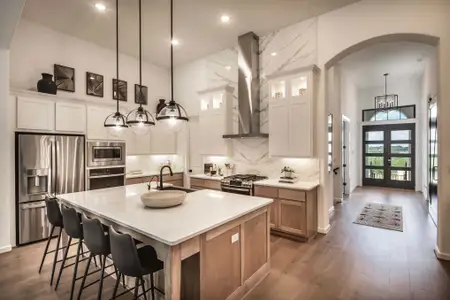
- Modern Floor Plans Matching Corporate Professional Lifestyles: DFW's concentration of white-collar professionals creates specific expectations about residential spaces that builders have incorporated into current designs. Floor plans increasingly include dedicated home offices with French doors, recognizing that corporate relocators often maintain hybrid schedules combining Dallas office attendance with remote work days. Many professionals conduct video calls with colleagues at other company locations, requiring spaces with professional backgrounds and door closure capabilities. Open-concept designs connecting kitchens to living areas have become standard, with large islands functioning as work surfaces, casual dining areas, and social centers for families with dual-career parents maintaining demanding schedules. Primary suites now include spa-style bathrooms providing retreat spaces after long work days and commutes, with separate soaking tubs, walk-in showers with multiple heads, dual vanities, and walk-in closets accommodating the wardrobes that corporate professionals maintain. Mudrooms with built-in storage appear routinely, providing organization for families managing sports equipment, work materials, and daily life logistics. Three-car garages have become increasingly common, recognizing that dual-career couples both need vehicles and that the sprawling metro makes two-car households nearly universal.
- Severe Weather Protection That Older Homes Lack: DFW's location in Tornado Alley and one of the nation's most active hail corridors requires construction features that moderate-climate homes don't need. New construction increasingly includes impact-resistant roofing materials rated Class 4 by insurance industry standards, providing meaningful protection against the golf ball to baseball-sized hail that damages tens of thousands of roofs annually in North Texas. These roofs qualify for substantial insurance discounts of 20% to 35% on premiums, creating payback within several years while protecting against the $18,000 to $28,000 roof replacement costs that frequently follow major hail events. Impact-resistant garage doors prevent wind damage during severe thunderstorms and provide additional security. Safe rooms or reinforced interior spaces appear in some new homes, particularly in tornado-prone areas, providing protection during the severe weather events that occur with sufficient frequency to warrant consideration. Modern construction uses hurricane straps and improved roof attachment methods even though DFW sits far inland, as straight-line winds during thunderstorms and occasional tornadoes create similar stress on roof systems.
- Climate-Appropriate Energy Efficiency: North Texas's temperature extremes from summer heat exceeding 100 degrees to occasional winter freezes require homes that handle both effectively. New construction incorporates insulation standards addressing both heating and cooling, with higher R-values than older homes built before recent energy code updates. HVAC systems are sized correctly for Texas's extended cooling season while maintaining adequate heating capacity for winter cold snaps. Modern homes include programmable thermostats allowing multiple daily adjustments, recognizing that empty homes during work hours don't require the same temperature control as occupied evening periods. Radiant barriers in attics reflect summer heat before it enters living spaces. Low-E windows with appropriate solar heat gain coefficients block summer heat while allowing winter solar gain. The cumulative effect delivers utility savings that compound over ownership. A new home using $205 monthly in combined heating and cooling versus an older home requiring $310 saves $1,260 annually, totaling $37,800 over 30 years when accounting for likely rate increases.
- Technology Infrastructure for Corporate America: DFW's corporate professional concentration makes technology infrastructure essential rather than optional. New construction includes structured wiring providing reliable high-speed internet throughout homes, with many builders installing commercial-grade fiber during construction where available. Electrical capacity accommodates multiple computers, monitors, printers, docking stations, and office equipment running simultaneously when both spouses work from home. Smart home systems integrate seamlessly when infrastructure is planned during construction. Home security systems, which corporate relocators from urban areas often expect as standard, can be pre-wired rather than retrofitted at significantly lower cost. Garage electrical increasingly includes 240-volt circuits supporting electric vehicle charging, relevant as corporate employee vehicle choices shift toward EVs. Whole-home network infrastructure with multiple ethernet connections and centralized equipment locations supports the technology demands of modern professional households.
- Comprehensive Warranty Protection for Busy Professionals: Corporate professionals working long hours and managing demanding travel schedules often lack time or inclination for home maintenance and repairs. Builder warranties covering structural issues for 10 years, major systems including HVAC for 2 to 5 years, and workmanship for the first year eliminate repair risks that affect older home buyers. Given DFW's potential for HVAC failures during brutal summer heat or winter cold when replacement costs surge due to high demand, foundation movement on the expansive clay soils common in North Texas, and the general unfamiliarity many corporate relocators have with Texas-specific construction issues, warranty coverage provides peace of mind particularly valuable for transplants without established local contractor networks or construction knowledge to evaluate quality problems independently.
Understanding construction timelines across the massive metroplex
The timeline from contract signing to receiving keys in DFW involves phases affected by the region's weather patterns, permitting processes across multiple counties and dozens of municipalities, and construction practices that create considerations for buyers coordinating corporate relocation timelines with housing availability.
For inventory homes where construction has progressed to finishing stages, closings typically happen within 45 to 85 days depending on remaining work and loan processing. DFW's permitting spans multiple jurisdictions with varying efficiency. Collin County municipalities including Frisco, Plano, and McKinney generally process permits efficiently given their experience with high construction volumes. Dallas County permitting varies significantly by municipality, with some suburbs moving quickly while Dallas proper faces backlogs. Tarrant County and Fort Worth maintain reasonable timelines. Final inspections must occur before closing, with scheduling sometimes creating delays during peak building seasons when inspection departments across the metroplex face workload challenges.
For to-be-built homes where you're selecting lots before site work begins, realistic expectations run 7 to 11 months in most DFW markets. The construction sequence breaks into phases that weather affects predictably. Site preparation including lot clearing and excavation takes 2 to 4 weeks. Foundation work on North Texas clay soils requires engineered solutions, typically post-tension slabs that take 2 to 3 weeks. Framing and roof installation consume 5 to 9 weeks. Rough-in work for plumbing, electrical, and HVAC takes 3 to 4 weeks. Insulation, drywall, and interior finishing require 7 to 12 weeks. Final landscaping and punch list items add 2 to 3 weeks.
Spring weather creates the most significant construction disruptions. March through May brings severe thunderstorms, heavy rain, and tornado warnings that halt exterior work frequently. The storms often arrive with little warning during afternoon hours, forcing crews to secure job sites and cease work until systems pass. Saturated job sites from heavy rain create mud conditions preventing equipment operation and requiring cleanup before work resumes. This season also brings the highest tornado risk, with Dallas-Fort Worth sitting in an active zone where tornadoes occasionally damage construction in progress, requiring repairs before completion. Summer heat from June through August doesn't stop construction but reduces productivity during afternoon peaks when temperatures exceed 100 degrees. Winter generally provides decent construction weather, though occasional ice storms can halt work for days at a time, and the February 2021 winter storm demonstrated that extreme events can occur, shutting down construction across the entire region for weeks.
Supply chain issues have largely resolved following pandemic-era disruptions, but DFW's construction volume sometimes creates local material shortages. Popular floor plans and finish options can deplete inventories, forcing buyers to accept substitutions or delays. Impact-resistant roofing materials sometimes face extended lead times during periods following major hail events when thousands of damaged roofs create sudden demand spikes. Custom windows, specialized appliances, and certain tile selections can add 3 to 5 weeks to construction schedules.
DFW contracts should address weather delays while protecting against indefinite extensions. Reasonable contracts might allow 25-day extensions for documented severe weather including tornado warnings that require site evacuation, major thunderstorms preventing safe work, or occasional winter ice events, while capping total weather-related delays at 60 days. Negotiate specific builder notification requirements when delays occur and consider requesting remedies including daily penalties or cancellation rights if delays exceed caps. In hot suburbs like Frisco or Prosper where inventory moves quickly, builders have less incentive to negotiate favorable terms. In slower markets or during economic downturns, leverage exists for negotiating buyer-favorable provisions.
The pre-closing walkthrough scheduled 3 to 5 days before closing represents your final opportunity to document issues before taking ownership. Test both heating and cooling HVAC functions thoroughly, as North Texas requires both to work properly. Set heat several degrees above current temperature and verify all rooms warm adequately, then test cooling by dropping temperature substantially and ensuring all spaces cool properly including upstairs rooms that sometimes struggle. Examine the roof carefully for any hail damage that may have occurred during construction, as spring and summer storms can damage materials before completion. Check all windows and doors for proper sealing and operation. Verify garage door operation and that weather stripping seals properly. Run water in all fixtures checking drainage and hot water delivery. Look for any foundation cracks or signs of settling that might indicate soil issues. Test all appliances. Document any issues with photos and detailed written descriptions. Problems identified during walkthrough become the builder's responsibility to address before closing or through a detailed punch list with specific completion dates you approve before signing closing documents.
Financing considerations in DFW's competitive market
New construction financing in DFW requires understanding how the metroplex's property tax structure affects qualification, managing interest rate protection across construction timelines, and recognizing that corporate relocators often bring different financial profiles than local buyers.
Most production builders maintain preferred lender relationships with regional banks, credit unions, and national mortgage companies understanding DFW construction. Using preferred lenders typically unlocks incentives including closing cost credits ranging from $6,000 to $14,000, appraisal fee waivers, and occasionally rate concessions of 0.125% to 0.25%. These combined benefits can total $11,000 to $18,000 in real savings. However, compare at least three lenders including one outside the builder's network to ensure competitive terms, particularly if you're bringing substantial down payment from selling property in expensive markets where shopping multiple lenders often yields better results than accepting the first offer.
Texas's zero income tax creates qualification advantages, as take-home pay remains higher improving debt-to-income ratios. However, DFW's elevated property taxes partially offset this benefit. On a $520,000 home with approximately $975 monthly property tax, your total housing payment including principal, interest, taxes, and insurance might reach $3,750 monthly. This positions DFW competitively against higher-tax states while recognizing that property taxes create ongoing costs that corporate relocators sometimes underestimate. Some lenders underestimate property taxes during pre-qualification using Texas state averages rather than DFW-specific rates, leading to qualification challenges when actual numbers appear during underwriting. Verify that your lender uses accurate property tax estimates for the specific county and municipality where you're purchasing.
Rate locks matter when construction timelines extend 7 to 11 months. Some builders offer extended lock programs holding your rate through construction, typically adding 0.25% to 0.375% to your rate as insurance. Other lenders provide float-down options allowing you to capture lower rates if markets improve, usually for upfront fees of $850 to $1,400. The protection math remains significant. A 1% rate increase on a $420,000 loan adds approximately $252 monthly, or $3,024 annually. Over 30 years, that's $90,720 in additional interest. Paying 0.25% extra upfront for lock protection costs roughly $64 monthly on the same loan, totaling $768 annually. If rates increase even 0.5% during construction, the protection pays for itself multiple times over.
Most DFW lenders use single-close construction loans where financing converts automatically when construction completes. Verify your lender's structure and understand exactly when rate locks expire and how extensions work if construction delays occur. Some builders offer rate lock extension guarantees if delays result from severe weather, permitting issues, or material shortages documented beyond their control.
Down payment requirements range from 3% to 20% depending on loan type and financial profile. Many corporate relocators bring substantial down payments from selling properties in expensive markets, sometimes purchasing DFW homes with 25% to 35% down or paying cash entirely. California relocators often sell $800,000 homes to purchase $550,000 DFW properties, pocketing the difference while maintaining or improving their lifestyle. Northeast and Chicago relocators follow similar patterns. VA loans require zero down payment, making them attractive for military buyers near installations. Some builders offer down payment assistance in slower markets, though DFW's sustained demand makes these programs less common than in oversupplied markets.
Why specialized representation matters in DFW's sprawling market
DFW's massive geographic scale, multiple distinct submarkets, influx of corporate relocators unfamiliar with Texas practices, and dramatic variation in school quality and commute realities make specialized buyer representation valuable for navigating new construction effectively and avoiding expensive mistakes that transplants sometimes make.
Sales representatives at model homes work for builders with compensation tied to selling their inventory at maximum prices with minimal concessions. They know their communities thoroughly but provide no assistance comparing against competing builders or protecting your interests during negotiations. In competitive suburbs like Frisco, Prosper, or Southlake where inventory moves quickly, these representatives often employ pressure tactics including artificial deadlines and claims about other interested buyers. In slower markets or outer suburbs, they may negotiate more flexibly but still represent the builder exclusively.
Independent buyer's agents represent your interests throughout the process. These professionals help identify which communities offer best value relative to your priorities, evaluate realistic commute times accounting for DFW's severe traffic congestion and sprawling geography, compare school district quality and specific school ratings within districts where quality varies dramatically, assess builder reputations for quality and warranty responsiveness, and ensure contract terms protect you during construction and closing. DFW's market supports numerous agents specializing in new construction, with many maintaining expertise in specific counties or regions rather than attempting to cover the entire 9,000-square-mile metroplex uniformly.
Agent compensation comes from builders through co-op commission, typically 2.5% to 3% of purchase price, meaning representation doesn't increase your cost beyond what you'd pay buying directly. The value appears in better negotiated terms, avoided expensive mistakes, and informed decisions affecting your investment for years. In DFW particularly, agents familiar with the market can help corporate relocators understand that commute times during actual rush hours bear little resemblance to Sunday afternoon test drives, that Texas property taxes create ongoing costs many don't anticipate, that school assignment and quality varies dramatically requiring research beyond district-level reputations, and that the sprawling geography means location decisions affect lifestyle in ways that corporate relocation consultants don't convey. They recognize builders with strong reputations for properly engineering foundations on clay soils and standing behind warranties versus those with recurring quality complaints or financial challenges from overexpansion.
Regional expertise matters significantly in a metroplex spanning two major cities and dozens of suburban municipalities across multiple counties. A Collin County specialist understands Frisco ISD dynamics, Toyota employee commute patterns, and the specific community reputations north of Dallas but may have limited knowledge of Fort Worth's distinct culture, tarrant County school systems, or how American Airlines employment patterns affect housing preferences. An agent familiar with luxury markets in Southlake or Highland Park might not recognize value opportunities in outer suburbs or understand the logistics sector employment driving demand in southern Dallas areas. Ensure your representation has genuine expertise in the specific region, price point, and employment center relevant to your search rather than assuming DFW knowledge translates uniformly across the massive metroplex.
The contract review process represents where agent expertise delivers particular value for corporate relocators unfamiliar with Texas real estate practices that differ from other states. DFW purchase agreements for new homes often run 30 to 50 pages with builder-favorable terms. Experienced agents identify problematic clauses including vague completion timelines, broad force majeure provisions allowing indefinite weather delays, limited remedies for builder default, restrictive change order processes inflating upgrade costs, and warranty limitations excluding common Texas issues like foundation movement on expansive clay soils. They negotiate modifications protecting you or ensure you understand exactly what risks you're accepting in a market where rapid growth has strained some builders' capacity to maintain quality while scaling operations to meet demand from the sustained corporate relocations and population growth that continue making DFW one of America's fastest-growing metros despite periodic economic slowdowns and increasing recognition that the sprawling geography creates quality-of-life challenges that recruitment materials carefully avoid mentioning.
Where can I find new homes?
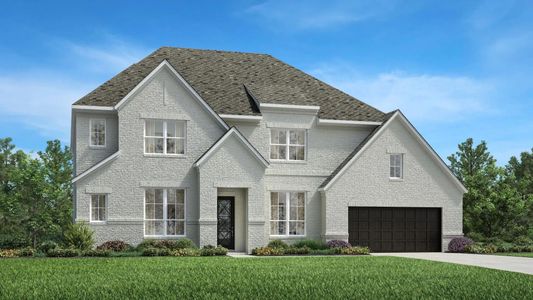
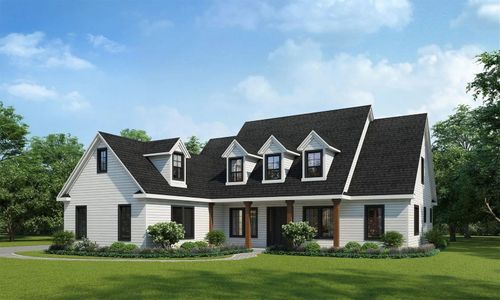
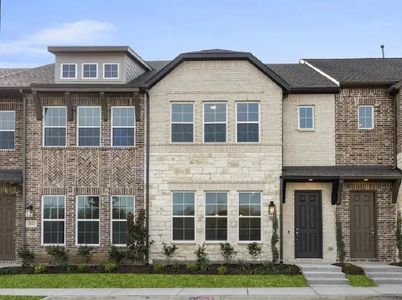
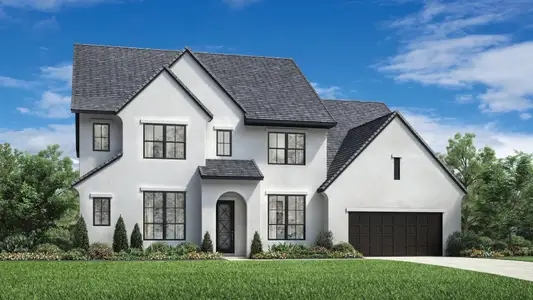
Browse currently available new construction homes, communities, and floor plans across the Dallas–Fort Worth Area. All listings are updated daily with the latest inventory from builders. Browse all communities & new homes in Dallas–Fort Worth Area
Top-rated new construction communities in Dallas–Fort Worth Area


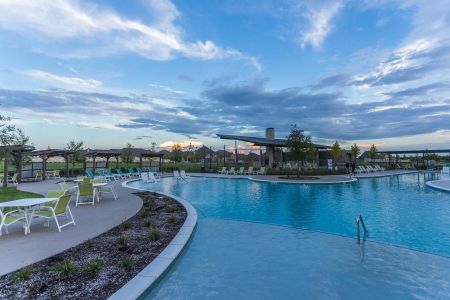
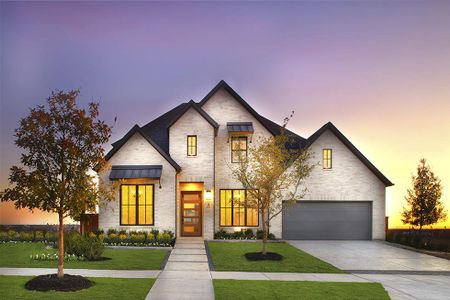
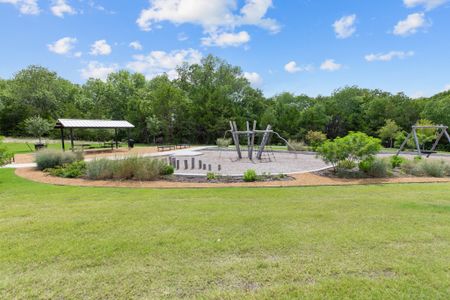

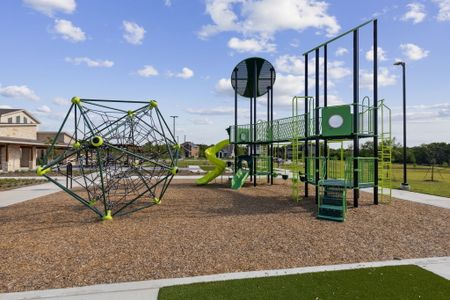
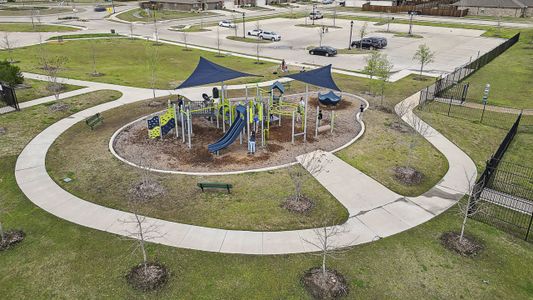
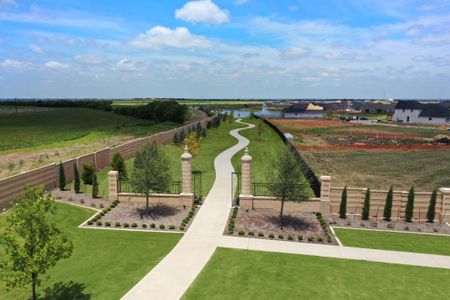
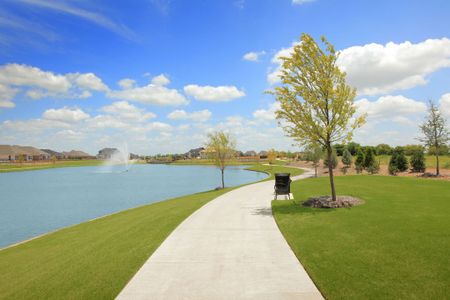
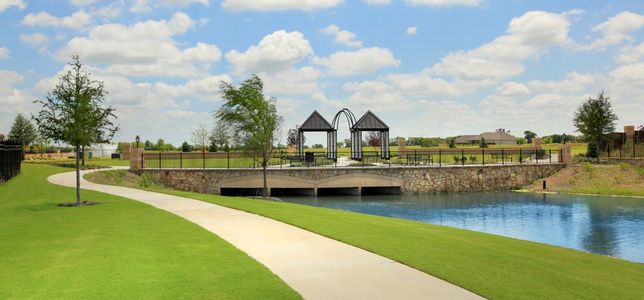
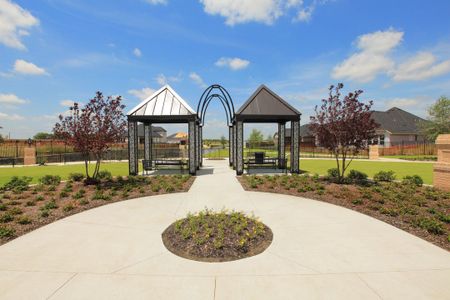
Master planned communities in Dallas–Fort Worth Area
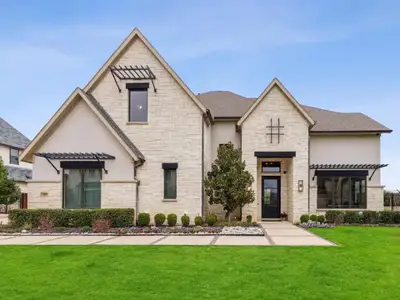



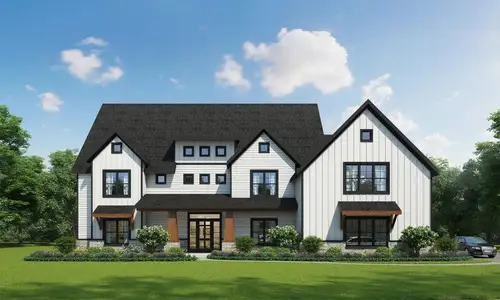
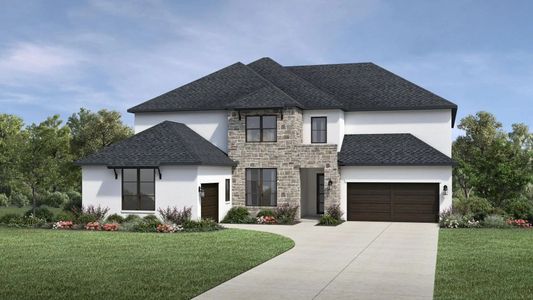
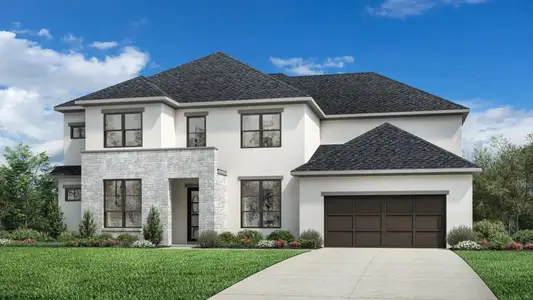
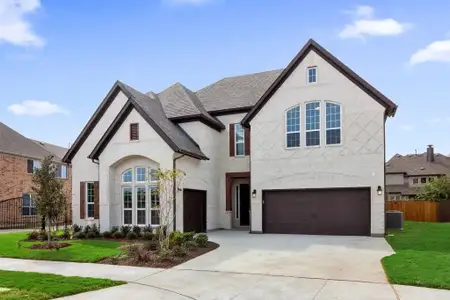
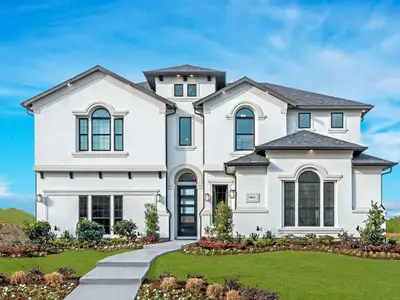
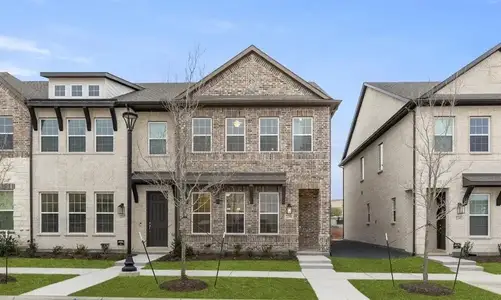
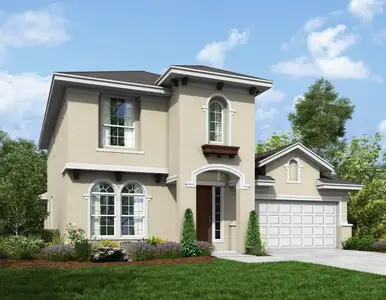
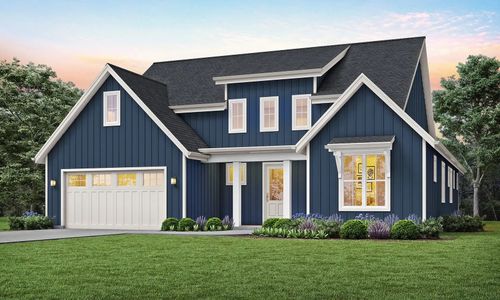
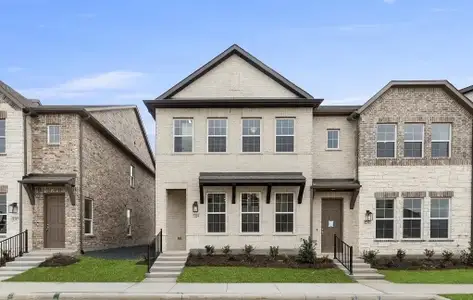
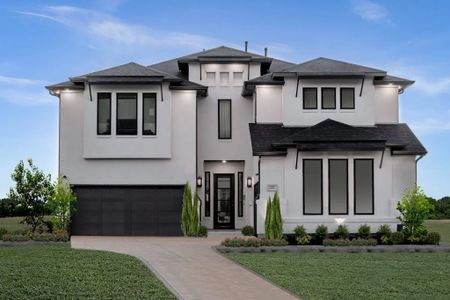
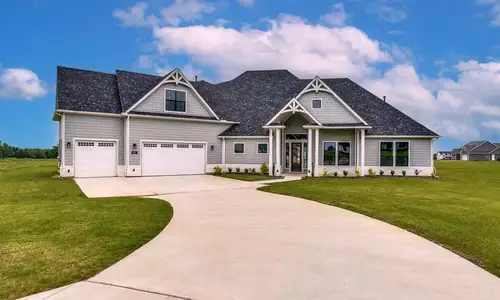
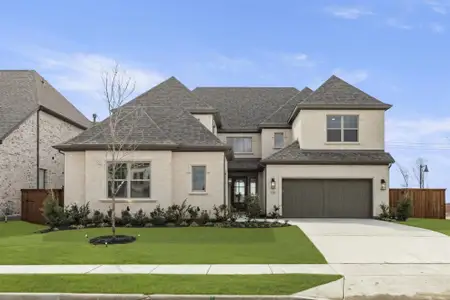
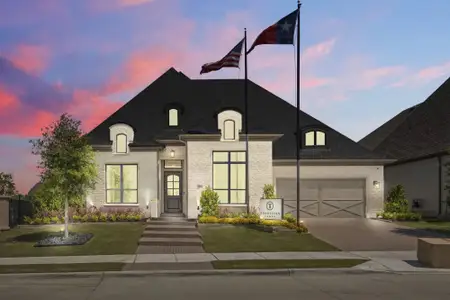
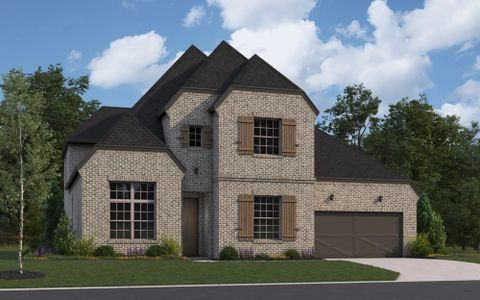
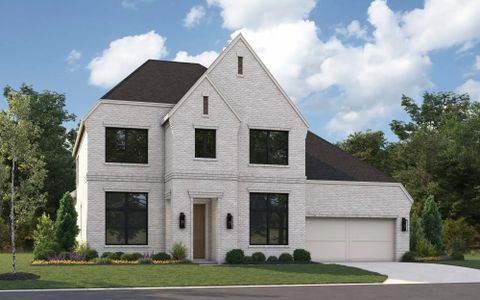
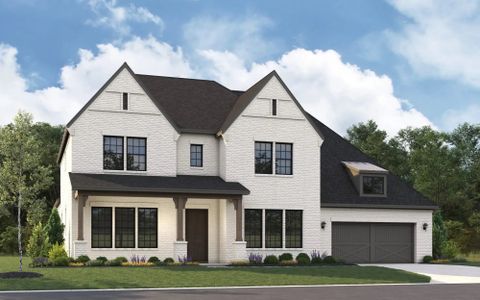
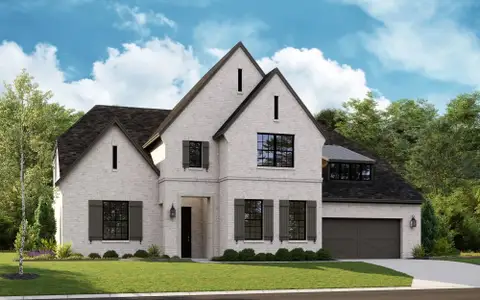
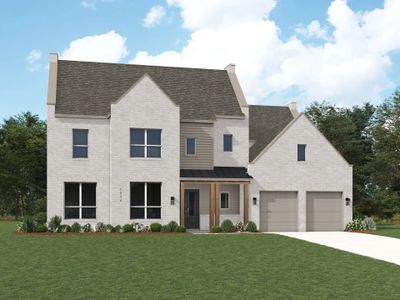
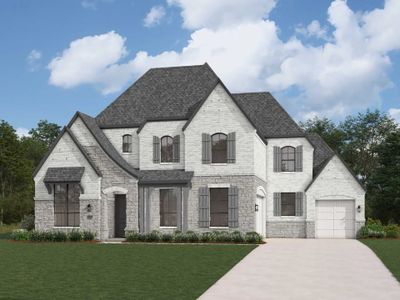






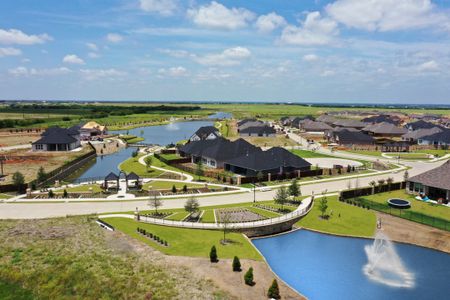
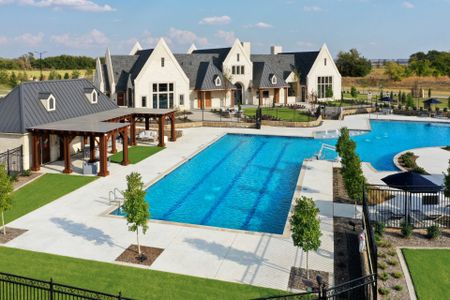
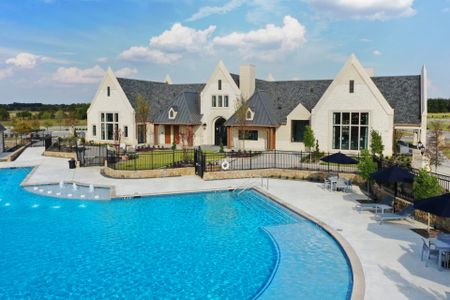






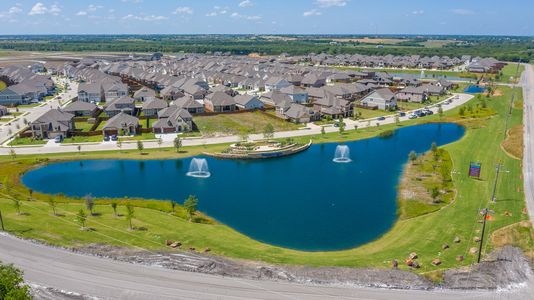
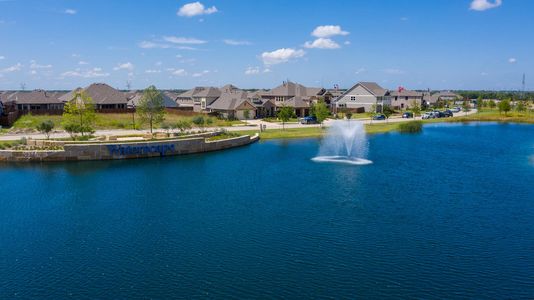
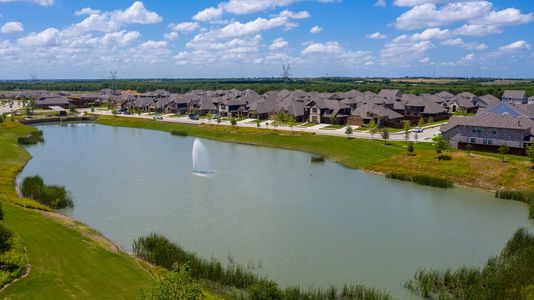
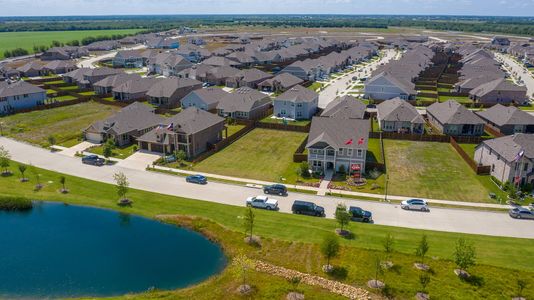
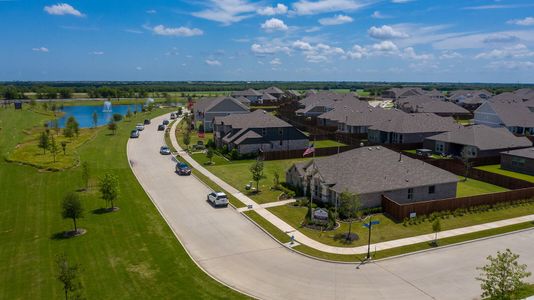
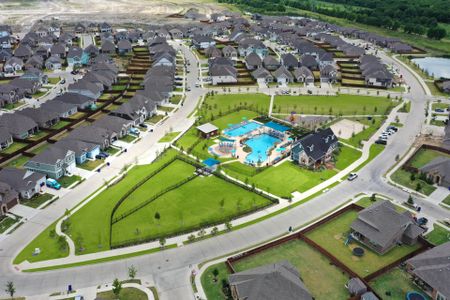




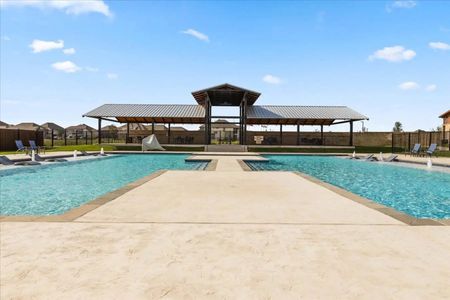
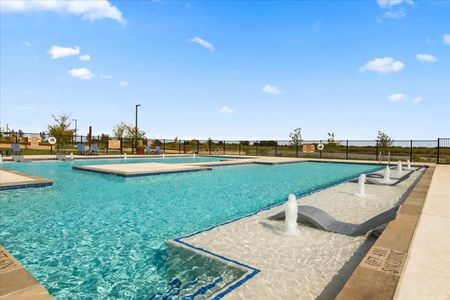
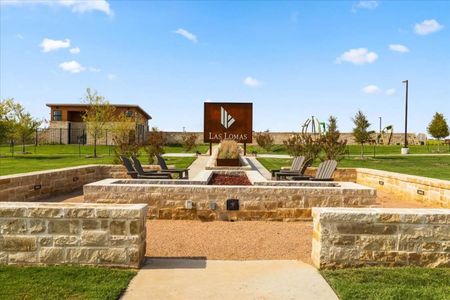
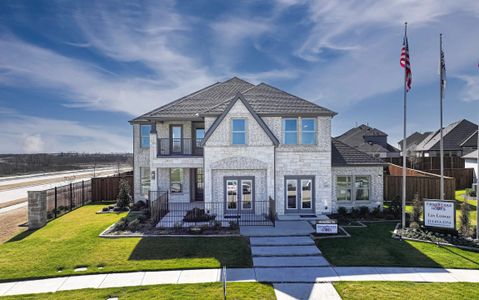
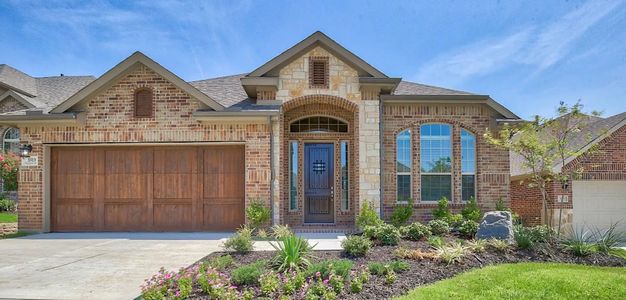
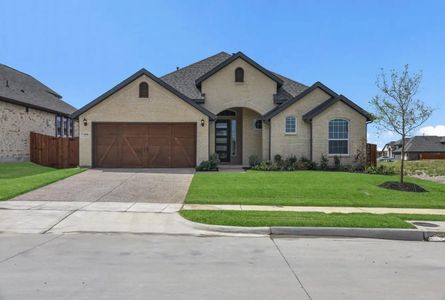
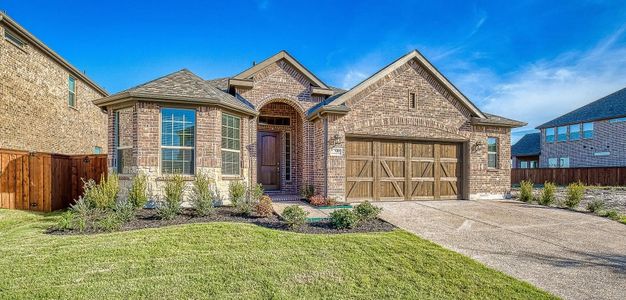
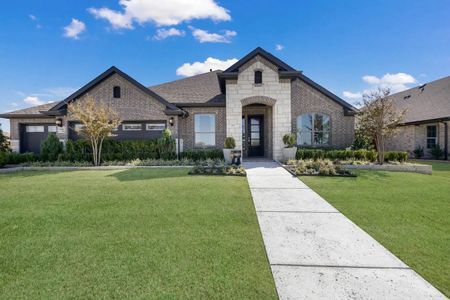
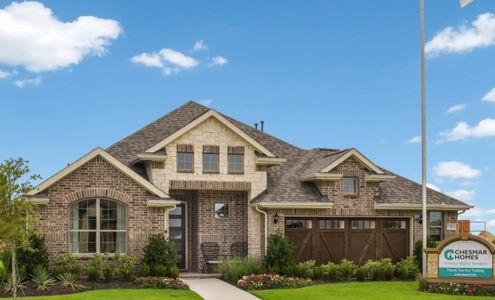
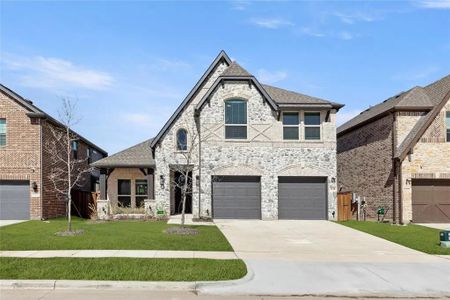
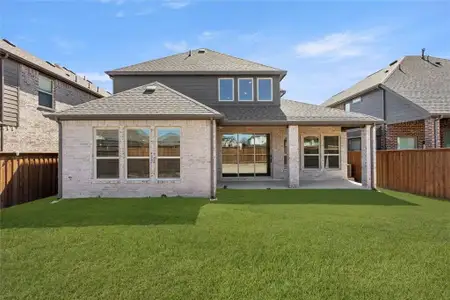



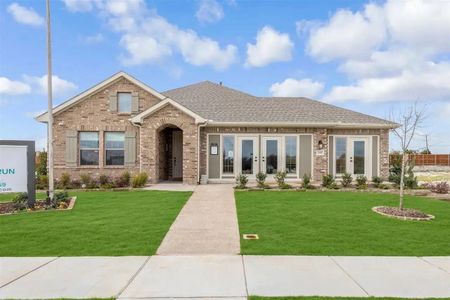
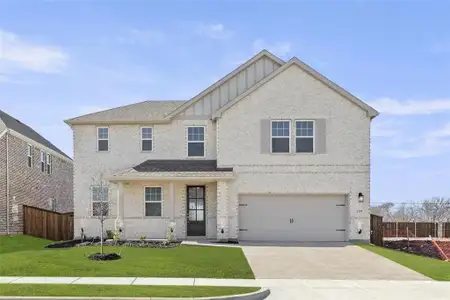


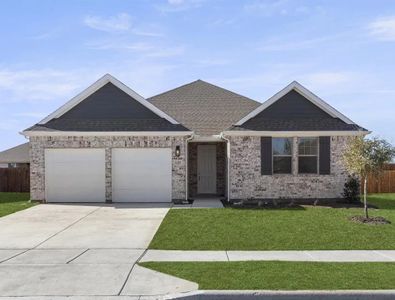

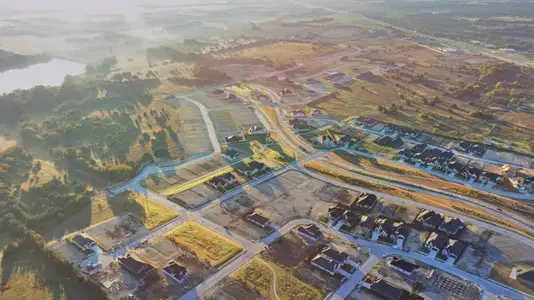
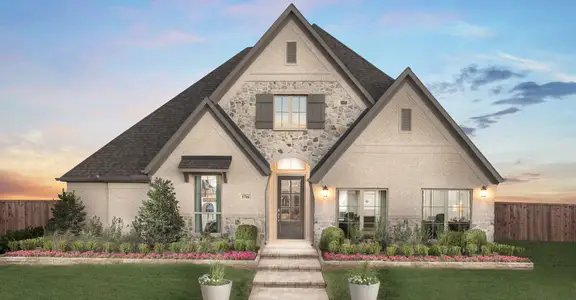
Browse communities & homes in Dallas–Fort Worth Area cities
Real estate in Dallas–Fort Worth Area
Home prices across Texas have risen significantly in recent years due to increased migration. Home prices in the DFW area skyrocketed in 2020-21, but the market is now experiencing a slowdown due to interest rate hikes and economic uncertainty. Despite this, the Dallas housing market remains strong. Home prices may not be rising as quickly as they did last year, but they are still following an upward trend. This is expected to continue during 2023 as the area's housing inventory will remain low, and its population growth will continue.
Newly released communities
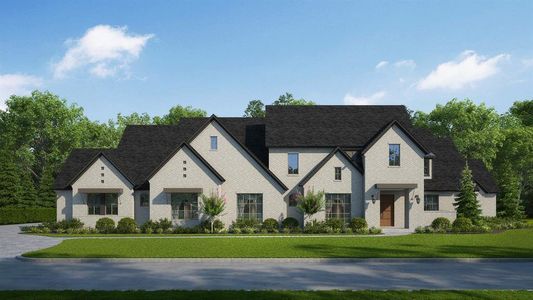


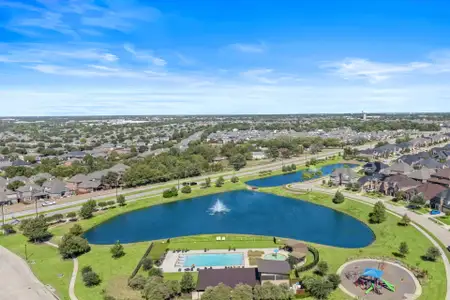
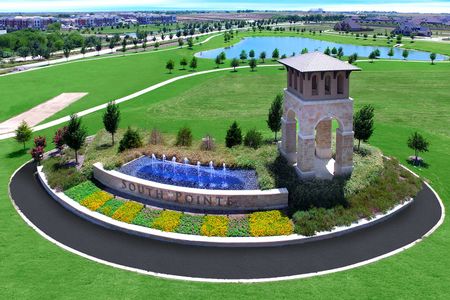
Recently listed homes
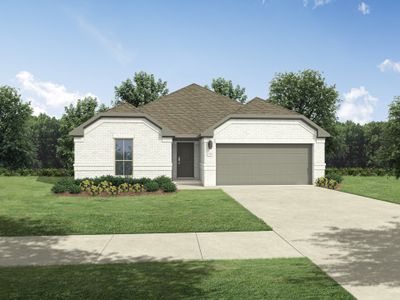
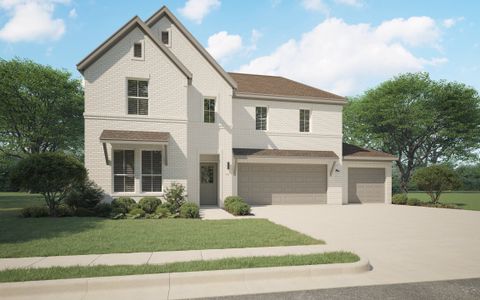

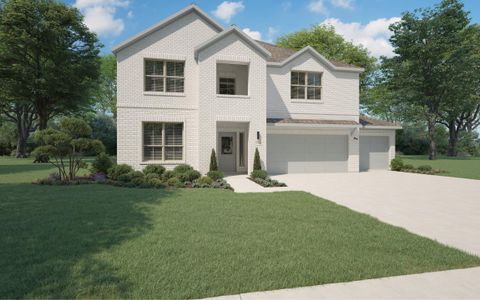
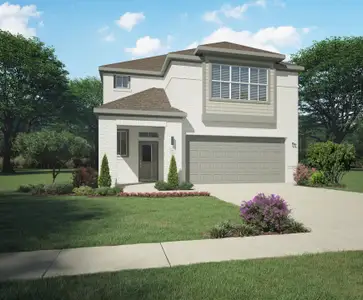
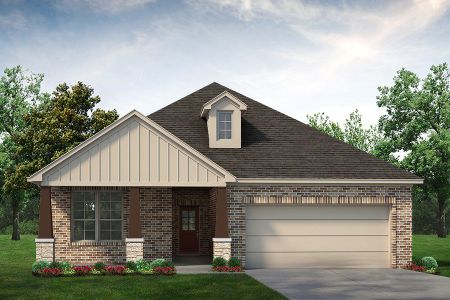
Recently published floor plans
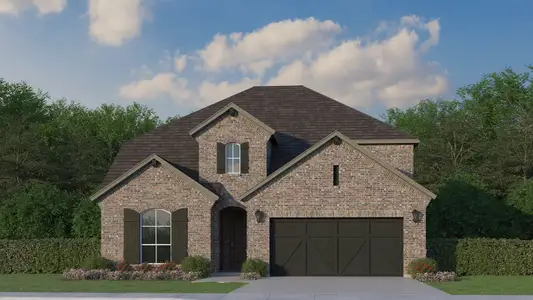
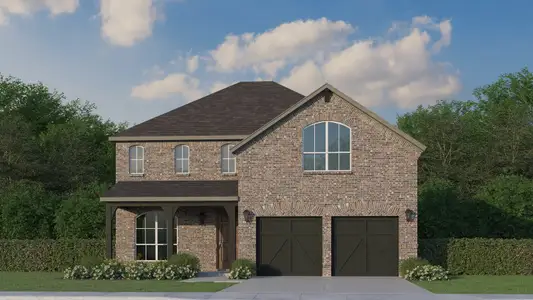
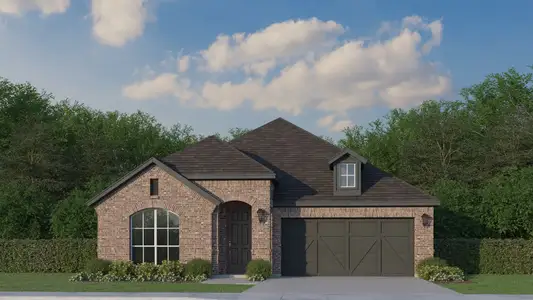
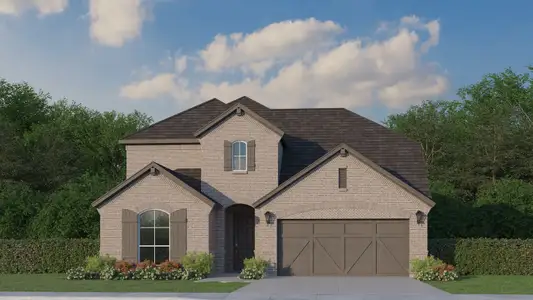
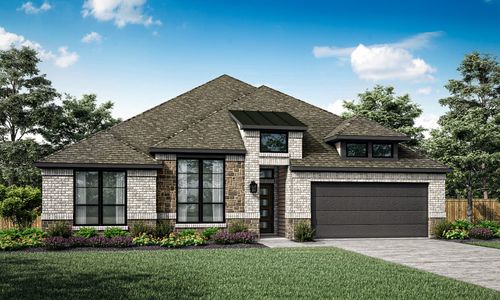
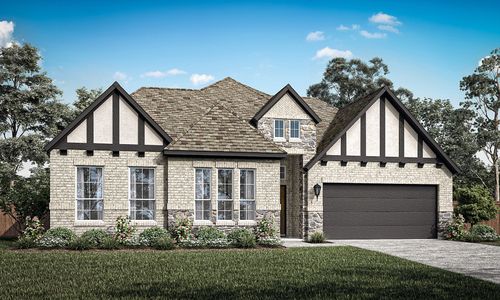
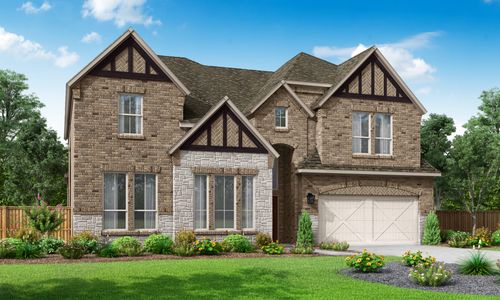
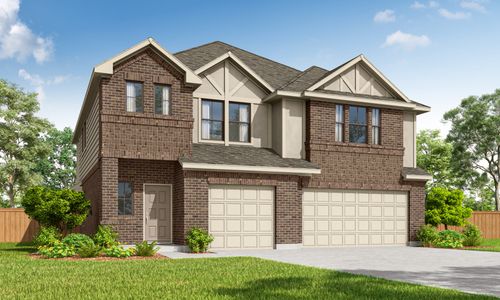
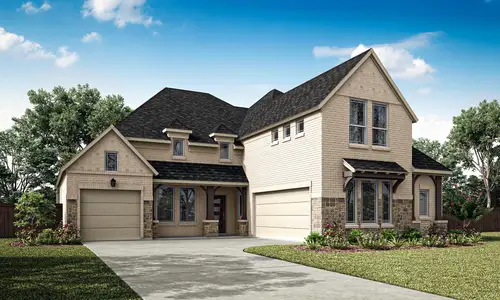
The most popular new construction builders in Dallas–Fort Worth Area










How does Dallas - Fort Worth, TX compare to other real estate markets in Texas?

Read about new construction on Jome blog



Frequently asked questions
What is the current median sale price for a property in Dallas–Fort Worth Area?
The Dallas–Fort Worth Area currently exhibits a median sale price of $452,476 for properties, based on data from December 2025. This figure is derived from an inventory of 26262 newly built homes, each representing the work of one of 192 established developers.
Who are the major developers of new construction homes in Dallas–Fort Worth Area?
When considering new construction homes in Dallas–Fort Worth Area, Bloomfield Homes, D.R. Horton, Highland Homes, Lennar and Perry Homes are the key builders to know. Their developments are known for quality construction in desirable locations.