
Greater Houston Area new construction market: prices, trends, guides & homes as of December 2025

About Greater Houston Area
Houston is a large and vibrant city that boasts outstanding economic opportunities, a low cost of living, and an excellent quality of life. As one of the most diverse cities in the United States, residents enjoy living in a place that celebrates many cultures and offers world-class dining, shopping, and entertainment. The Greater Houston area comprises nine counties and is home to about 7.2 million people, making it the second-most populous city in Texas. The area is one of the fastest-growing metropolitan areas in the United States, attracting people from across the country and the world. Once a small town focused on oil and gas production, Houston has grown into an economically powerful city with many thriving industries, including aerospace and aviation, technology, manufacturing, biotechnology, and transportation. Houston ranks third in the United States for the number of Fortune 500 companies headquartered in the city. Those looking for career opportunities find many options here in Houston. The city also offers strong prospects for entrepreneurs and business owners and has been recognized for its strong culture of innovation.
How are new home prices changing in Houston, TX?
Home price data reflects current listings in Greater Houston Area, Texas, sourced from Jome and updated regularly
*Based on Jome markets

Get free consultation with Greater Houston Area expert
Get a free, no-pressure consultation with our top Greater Houston Area new-construction expert. They know every major builder, the best deals and incentives, and exactly what's happening in the local new-construction market.
Greater Houston Area market overview
- Overall inventory22,003
- Single-family inventory21,646
- Townhouse inventory234
- Condo inventory79
- Multi-family inventory1
- Penthouse inventory1
- 1 bed inventory9
- 2 beds inventory250
- 3 beds inventory7,728
- 4+ beds inventory14,005
- Median home price$380,000
- Median sqft price$180.26
- Median 1 bed price$285,000
- Median 2 beds price$341,284
- Median 3 beds price$329,990
- Median 4+ beds price$434,802
- Min listing price$115,000
- Max listing price$25,500,000
- Min community price$139,890
- Max community price$5,300,000
Greater Houston Area median price change
| Month | Median price | Change |
|---|---|---|
| March 2025 | $385,000 | - |
| April 2025 | $387,540 | +0.66% |
| May 2025 | $386,070 | -0.38% |
| June 2025 | $385,710 | -0.09% |
| July 2025 | $384,990 | -0.19% |
| August 2025 | $385,000 | +0.00% |
What are the most popular buyers' searches?
What it's like to live in Greater Houston Area?
The Greater Houston Area operates as America's energy capital, global port gateway, and medical treatment destination, creating an economy that functions independently from coastal tech hubs and even other Texas metros. Houston's identity centers on the oil and gas industry that built the city, though the reality has diversified substantially beyond the boom-and-bust cycles that defined previous generations. The Energy Corridor west of downtown concentrates companies including Shell, BP, and dozens of energy giants in master-planned communities with greenbelt access and top schools. The Texas Medical Center represents the world's largest concentration of healthcare institutions, employing over 106,000 people across hospitals, research facilities, and medical schools in a single concentrated district. The Port of Houston moves more foreign tonnage than any other U.S. port, creating logistics employment that extends throughout the region. NASA's Johnson Space Center in Clear Lake anchors aerospace operations that have defined the area since the 1960s. The common thread is Houston's position as a genuine economic powerhouse operating on its own terms, where fortunes get made in energy trading and lost in the next downturn, where medical innovation happens daily, and where the humid subtropical climate and hurricane risk represent trade-offs that millions have decided favor Houston's opportunities over alternatives in prettier locations.
Why Houston sustains growth despite humidity and hurricanes
The energy sector defines modern Houston despite diversification efforts and the reality that the industry employs a smaller percentage of the workforce than decades past. The Energy Corridor's concentration of major oil and gas companies creates an ecosystem where petroleum engineers, geologists, traders, refinery operators, and energy executives cycle between companies but rarely leave the industry or the region. Shell, BP, ExxonMobil operations, and dozens of smaller firms maintain Houston presence because the talent, infrastructure, and industry knowledge concentrate here in ways that no other American city replicates. The cyclical nature of energy creates unique dynamics, with hiring surges during boom periods when oil prices exceed $80 per barrel, followed by layoffs during busts when prices crater. This volatility affects housing differently than stable corporate markets, with energy professionals often purchasing during flush periods using substantial bonuses and stock compensation, then facing underwater mortgages during downturns when job losses force sales.
The Texas Medical Center's scale exceeds what most people imagine when they hear "hospital district." The complex employs over 106,000 people directly across institutions including MD Anderson Cancer Center, Texas Children's Hospital, Memorial Hermann, Methodist Hospital, and Baylor College of Medicine, among others. This isn't just doctors and nurses but researchers conducting cutting-edge medical studies, pharmaceutical company representatives, medical device sales, healthcare administrators, and the entire ecosystem supporting advanced medical treatment. The Medical Center draws patients globally, creating international exposure and diversity unusual for a southern U.S. metro. Medical employment provides stability that energy sector volatility can't match, contributing to Houston's resilience during oil price downturns.
The Port of Houston's operations drive massive logistics and distribution employment throughout the region. As the nation's largest port by foreign tonnage, the complex processes imports from Asia, exports to Latin America, and petroleum products moving globally. This creates constant demand for port operations workers, logistics coordinators, warehouse managers, truck drivers, customs brokers, and the infrastructure supporting international trade. The petrochemical corridor along the Houston Ship Channel combines port access with refining capacity, creating industrial employment that pays well despite being less visible than white-collar energy jobs.
NASA's Johnson Space Center maintains Houston's aerospace heritage, employing engineers, scientists, astronauts, and support personnel working on human spaceflight programs. While the shuttle program's end reduced some employment, ISS operations, Artemis lunar program work, and commercial space company growth around the NASA complex continue generating high-paying technical positions. SpaceX, Boeing, and other contractors cluster near Johnson Space Center, creating an aerospace ecosystem that complements rather than competes with energy employment.
The tax structure delivers an advantage particularly valuable during energy booms when bonuses and stock compensation create high W-2 income. Texas collects zero state income tax, meaning a petroleum engineer earning $180,000 plus $70,000 in annual bonus saves $10,500 to $18,000 compared to California or New York. However, property taxes fund local services, with Houston-area rates typically between 1.9% and 2.5% of assessed value depending on county and municipality. On a $450,000 home, annual property taxes reach $8,550 to $11,250, shocking newcomers despite income tax savings.
The cost of living remains genuinely lower than coastal alternatives and even Austin, despite recent appreciation in desirable suburbs. Quality new construction in solid Houston suburbs ranges from $320,000 to $480,000, with premium areas including The Woodlands, Sugar Land, and Memorial commanding $550,000 to $850,000-plus. The sprawling geography allows continued suburban expansion, though this creates communities 45-plus miles from downtown where extreme commutes become the trade-off for affordability. Energy sector volatility affects pricing, with appreciation during boom periods followed by stagnation or declines during busts that other markets don't experience.
The climate represents Houston's most significant lifestyle challenge. Humidity defines daily life from March through November, with summer months feeling oppressive when morning dew points exceed 75 degrees before 8 AM and afternoon heat index values regularly surpass 105 degrees. Air conditioning isn't optional but essential for survival, running continuously from April through October. Hurricane season from June through November creates genuine risk, with Harvey's 2017 devastation demonstrating that catastrophic flooding can occur even without direct hurricane hits when tropical systems stall over the region. Occasional winter freezes occur, with February 2021's grid failure affecting Houston less severely than Dallas but still creating infrastructure problems. The weather represents a trade-off that energy professionals accept for six-figure incomes and medical workers endure for career opportunities unavailable elsewhere.
Understanding Greater Houston by buyer profile
Houston's unique combination of energy sector dominance, medical employment concentration, port operations, and sprawling geography creates buyer profiles distinct from other major Texas metros, with new construction responding to industry cycles and the reality that flooding risk affects every housing decision.
For Energy Sector Professionals Across Industry Segments: The Energy Corridor concentrations of upstream exploration companies, midstream pipeline operations, downstream refining, and energy trading firms create Houston's most distinctive buyer demographic. Petroleum engineers, geoscientists, drilling engineers, production specialists, and refinery operators working at Shell, ExxonMobil, and throughout the corridor earn $110,000 to $250,000-plus depending on seniority and boom-cycle bonuses that can match base salaries during peak periods. These professionals prioritize proximity to the Energy Corridor, creating concentrated demand in Katy, Cypress, Memorial, and communities along I-10 west where 20 to 35-minute commutes remain achievable despite traffic. New construction serves this demographic at price points from $420,000 to $750,000, with buyers often purchasing during industry upswings using substantial cash bonuses for down payments then struggling during downturns when layoffs force sales. Energy professionals understand industry volatility and often maintain conservative housing budgets relative to peak earning capacity, though younger workers and those new to the industry sometimes overextend during boom periods. They seek floor plans with home offices for technical work reviewing well logs and production data, multi-car garages for the trucks that remain popular among oil field workers despite executive positions, and neighborhoods with other energy professionals who understand irregular schedules when offshore rotations or international projects require extended absence.
For Healthcare Professionals at Texas Medical Center: The Medical Center's massive concentration creates unique housing patterns, with physicians, nurses, researchers, and administrators seeking reasonable commutes to the complex near downtown. Established physicians often purchase in Memorial, Bellaire, or West University near the Medical Center despite premium pricing, valuing the 15 to 20-minute commutes when on-call schedules require rapid hospital arrival. Residents, fellows, and early-career physicians concentrate in Montrose, Midtown, and closer-in areas accepting smaller spaces for proximity. Nurses and medical technicians earning $65,000 to $95,000 target suburbs including Pearland, Friendswood, and League City south of the Medical Center where homes start around $310,000 to $420,000. Medical professionals work irregular hours including overnight shifts, making short commutes particularly valuable. Many relocate from other major medical centers including Johns Hopkins, Mayo Clinic, or academic institutions nationwide, finding Houston's housing costs allow better lifestyles than expensive medical markets like Boston or New York. International physicians completing U.S. training frequently settle in Houston given the Medical Center's global reputation and substantial international community. New construction serving this market ranges from $360,000 to $720,000 depending on career stage and specialty, with particular concentration in areas offering Medical Center access via major highways including I-45, 288, and 59.
For Port Operations and Logistics Workers: The Port of Houston and surrounding petrochemical complex employ workers ranging from longshoremen and crane operators to logistics coordinators and port authority administrators. These buyers prioritize proximity to port facilities concentrated along the Houston Ship Channel in areas including Baytown, Pasadena, La Porte, and southeast Houston. New construction in these submarkets serves workers seeking value, with price points from $280,000 to $420,000 emphasizing practical layouts with garages for work vehicles and tools, larger lots, and minimal HOA restrictions. Port and petrochemical work often involves shift schedules and overtime opportunities that create income variability, with buyers seeking affordable base payments that don't require maximum earnings to sustain. These communities concentrate workers in similar industries, creating neighborhoods where 24/7 work schedules become normalized rather than unusual. Chemical plant operators and refinery workers at facilities throughout the ship channel earn solid middle-class incomes with strong benefits and union protections in some facilities, creating stable demand even during energy sector downturns that affect upstream and midstream operations more severely.
For Aerospace and NASA-Connected Professionals: Johnson Space Center in Clear Lake creates concentrated demand from NASA employees, contractor engineers working for Boeing and Lockheed Martin, and astronauts and support personnel working on human spaceflight programs. These professionals earn $90,000 to $170,000 for experienced engineers, with unique job stability compared to private sector energy employment. Clear Lake, League City, Friendswood, and Seabrook concentrate aerospace workers seeking short commutes to NASA facilities. New construction serves this demographic at price points from $350,000 to $580,000, with buyers valuing the area's strong school districts including Clear Creek ISD and the community identity around space exploration that creates shared culture unusual in other Houston submarkets. Aerospace professionals often relocate from other NASA centers including Kennedy Space Center in Florida or Johnson's predecessor facilities, finding Houston's costs reasonable compared to coastal alternatives. The work involves occasional irregular schedules during launches and missions but generally maintains more predictable hours than energy sector positions requiring offshore rotations or field work.
For Corporate Professionals Beyond Energy: Houston's diversification has attracted corporate headquarters and major operations beyond energy and healthcare. Technology companies, financial services firms, manufacturing operations, and various corporate roles create white-collar employment throughout the metro. These buyers seek different neighborhoods than traditional energy workers, often preferring inner-loop areas, The Woodlands' master-planned environment, or Sugar Land's diverse suburbia over Energy Corridor proximity. New construction serves this demographic at price points from $380,000 to $650,000, with buyers typically relocating from other corporate markets and finding Houston's costs reasonable despite complaints about humidity and flooding concerns. They research flood risk more carefully than energy workers whose industry connections often provide institutional knowledge about which areas flood and which don't, making agent expertise particularly valuable for corporate relocators without local networks.
For Growing Families Prioritizing Education: School district quality drives decisions for families throughout Houston's sprawling geography, with dramatic variation requiring careful research. Katy ISD consistently ranks among Texas's largest high-performing districts, creating intense demand in western suburbs. Clear Creek ISD near NASA serves families seeking quality education and space connections. Spring Branch ISD contains pockets of excellence. Fort Bend ISD south of the city maintains strong reputations in specific zones. Houston ISD, the state's largest district, faces significant challenges despite magnet schools and programs offering quality options requiring application processes. The Woodlands' schools attract families willing to accept 35 to 45-minute commutes to Energy Corridor or Medical Center jobs for top-rated education in master-planned community environments. Families research individual schools rather than trusting district-wide reputations, as quality varies substantially within large districts. These buyers prioritize school attendance zones over square footage, accepting 2,400 square foot homes in Katy ISD over 3,300 square foot alternatives in weaker districts. Price points range from $420,000 in solid but not premium zones to $700,000-plus in top areas of The Woodlands or specific Katy ISD zones where elementary school ratings command maximum premiums.
For First-Time Buyers in Outer Suburbs: Houston's sprawling geography and continued outward expansion create affordability opportunities throughout the metro's edges. First-time buyers find entry points in communities 35 to 50 miles from downtown including areas like Conroe north of The Woodlands, Katy's far west reaches, Pearland's southern extensions, and Baytown's outer suburbs where new construction starts around $260,000 to $340,000 for basic single-family homes. These buyers maximize square footage over location, often purchasing 2,000 to 2,500 square foot homes that would cost $130,000 more in closer-in suburbs. Commutes represent genuine quality of life considerations, with rush-hour drives sometimes exceeding 90 minutes each way when energy sector employment requires downtown or Energy Corridor access. However, buyers accept these trade-offs for ownership versus renting, and some work at facilities including chemical plants or distribution centers located in these outer areas where commutes remain reasonable. Many first-time buyers are young energy professionals during early industry boom periods or healthcare workers at suburban hospital facilities rather than the Medical Center complex.
For International Relocators and Expats: Houston's energy industry and Medical Center create substantial international buyer presence unusual for inland U.S. metros. European oil and gas companies transfer executives to Houston operations. Asian energy firms maintain Houston offices. Medical professionals arrive internationally for positions at Medical Center institutions. These buyers often receive corporate housing assistance and relocation support, sometimes purchasing with abbreviated timeline and limited local knowledge. They concentrate in specific areas including Memorial's international school zones, The Woodlands' master-planned environment familiar to expats from other planned communities globally, and communities near Energy Corridor facilities where international companies cluster. Price points range from $450,000 to $850,000, with corporate support often enabling larger purchases than local buyers at similar income levels. International buyers particularly value agent expertise on flood risk, school quality, and neighborhood selection, as they lack the local networks that domestic relocators use for informal research.
The real costs beyond your principal and interest
Your actual monthly housing expense in Houston extends beyond the mortgage payment, with the metro's flooding reality, hurricane risk, and humidity creating costs that fundamentally differ from other major markets.
- Property taxes fund local services throughout Texas, with Houston-area rates reflecting this structure. Harris County serving much of Houston proper carries combined rates around 2.10% to 2.35% of assessed value when city, county, school district, and numerous utility districts combine. Fort Bend County including Sugar Land runs 2.05% to 2.25%. Montgomery County serving The Woodlands sits around 2.20% to 2.40%. On a $420,000 home, annual property tax bills range from roughly $8,610 to $10,080. Texas assesses properties annually at full market value, meaning your tax bill rises as your home appreciates, unlike California's Proposition 13 or other states with capped increases. The homestead exemption provides partial relief, exempting $100,000 from school district taxes for primary residences, but doesn't eliminate the fundamental reality that Texas property taxes exceed most states substantially and that Houston's numerous utility districts add layers that other Texas cities sometimes don't impose.
- Sales tax across the metro ranges from 6.25% to 8.25%, with Texas collecting 6.25% and cities and transit authorities adding local portions. Houston proper carries 8.25% combined rate. Many suburbs charge 8.25% as well. This affects major purchases including vehicles, where a $48,000 SUV carries $3,000 to $3,960 in sales tax. The cumulative effect shows up quickly when furnishing a new home.
- Homeowner's insurance represents Houston's most dramatic cost challenge, with the combination of hurricane risk, flooding history, and claims from Harvey creating a crisis situation that makes Florida look manageable by comparison. Annual premiums typically range from $2,800 to $5,500 for standard single-family homes depending on coverage levels, home value, flood zone status, and specific location. Properties outside 100-year flood plains still face elevated premiums given Harvey's demonstration that catastrophic flooding can occur anywhere when 50 inches of rain falls in four days. Wind and hail coverage adds another layer, with hurricane deductibles often structured as percentage of dwelling value rather than flat amounts, meaning a $400,000 home might carry a $8,000 to $16,000 hurricane deductible that applies when named storms strike. Many national carriers have reduced Houston exposure or exited entirely, forcing buyers toward surplus lines carriers charging 40% to 80% higher premiums than standard market rates. Even new construction with improved building codes costs dramatically more to insure than comparable properties in non-hurricane regions.
- Flood insurance requirements affect a substantial percentage of Houston properties given the region's topography and Harvey's impact. Properties in FEMA-designated Special Flood Hazard Areas require separate flood policies when using mortgages, with costs ranging from $1,200 to $4,500 annually depending on elevation relative to base flood elevation and coverage limits. Harvey's flooding extended well beyond mapped flood zones, creating reality that prudent buyers purchase flood coverage even when not legally required, adding another $800 to $2,000 annually for properties outside designated zones. The National Flood Insurance Program caps coverage at $250,000 for structures, forcing buyers of higher-value homes into private flood market for additional coverage at premium costs. Flood insurance becomes part of escrow payment for most buyers, affecting qualification calculations and monthly housing costs in ways that markets without flooding concerns don't experience.
- Utility costs deserve particular attention given Houston's extreme humidity and heat. Air conditioning runs continuously from April through October, with July through September creating peak demand when systems operate 24 hours daily fighting humidity as much as temperature. Older homes with inadequate HVAC capacity and poor moisture barriers can see summer electric bills exceeding $380 monthly for 3,000 square foot homes. High humidity creates mold and moisture issues requiring constant dehumidification beyond just temperature control. New construction with modern insulation, properly sized HVAC systems, vapor barriers, and moisture management delivers utility savings, though bills still reach $240 to $320 during peak summer even in efficient homes. Natural gas for water heating and cooking remains relatively inexpensive. Water costs have risen as the city addresses infrastructure needs, though they remain moderate compared to drought-affected western markets.
- HOA fees vary dramatically by community type and flood mitigation infrastructure. Standard single-family communities charge $50 to $150 monthly for basic services. Master-planned communities including The Woodlands with extensive amenities can reach $200 to $450 monthly. Some communities in flood-prone areas maintain higher fees funding drainage improvements and detention pond maintenance that affect flood risk. Buyers should verify HOA financial stability and whether special assessments loom for flood mitigation work or repairs from previous storm damage, as some communities face deferred maintenance and underfunded reserves creating future cost risks.
- Flood mitigation costs don't appear on loan applications but affect some buyers measurably. Properties that flooded during Harvey or previous events sometimes require buyers to invest $15,000 to $40,000 in elevation, French drain installation, or other protective measures beyond just purchasing flood insurance. These costs create barriers for some buyers and affect resale values when flooding history becomes disclosed. Housing costs vary significantly by flooding risk, school district quality, and employment center proximity. Areas with lower flooding risk command premiums even controlling for other factors. Premium suburbs including The Woodlands and specific Sugar Land zones carry top prices. Areas with flooding history or high flood zone designations trade at discounts that appear attractive until insurance and risk costs get factored.
What new construction delivers in hurricane and flood territory
Choosing new construction in Houston provides advantages specifically relevant to the region's flooding reality, hurricane exposure, extreme humidity, and the practical needs of energy professionals and medical workers whose careers brought them to a metro that few choose purely for climate or geography.
- Hurricane-Resistant Construction Meeting Updated Standards: Hurricane Harvey's 2017 devastation and previous storms have driven progressive building code strengthening. New construction includes hurricane straps securing roof trusses to walls, impact-resistant garage doors preventing failure when wind pressure builds, and reinforced roof decking reducing blow-off risk during high winds. These features provide genuine protection during tropical systems while earning better insurance rates than older homes lacking modern storm provisions. Coastal construction particularly in Galveston and Clear Lake areas requires elevated foundations and additional wind resistance. New homes incorporate lessons from Harvey including electrical panels and HVAC equipment positioned above expected flood levels where possible, reducing the total loss risk that occurred when equipment located in garages or ground-level utility rooms got inundated.
- Flood Elevation and Drainage Engineering: Post-Harvey development faces stricter requirements regarding finished floor elevation relative to base flood elevation. Many builders now elevate homes two to three feet above minimum requirements, substantially reducing flood insurance costs while providing additional protection. Modern communities include sophisticated detention pond systems and drainage infrastructure managing water during extreme rain events. French drain systems around foundations, proper lot grading directing water away from structures, and improved materials resistant to moisture damage all appear standard in new construction. These features don't eliminate flooding risk in Houston's challenging topography and extreme rainfall potential, but they meaningfully reduce probability compared to older homes built before current understanding of the region's flood dynamics.
- Extreme Humidity and Moisture Management: Houston's humidity creates construction challenges that arid or moderate climates don't face. New homes incorporate modern moisture barriers preventing the mold growth that plagues older Houston construction, creating both health concerns and expensive remediation. HVAC systems are sized with dehumidification capacity as important as cooling tonnage, recognizing that removing moisture matters as much as temperature control. Vapor barriers, proper ventilation in attics and crawl spaces, and materials resistant to moisture damage all appear in modern construction. The difference shows up in both utility costs and long-term maintenance, as homes that don't manage moisture properly deteriorate faster and create ongoing problems that buyers of older homes frequently discover after purchase.
- Floor Plans Accommodating Energy Industry Schedules: Energy professionals working offshore rotations or international assignments for extended periods create unique housing needs. Floor plans increasingly include primary suites isolated from other bedrooms, allowing returning workers to sleep during daytime hours without disturbance after overnight flights. Home offices appear routinely for petroleum engineers and geoscientists reviewing technical data, with adequate space for the multiple monitors that reservoir modeling and geological software require. Multi-car garages accommodate the trucks popular among energy workers plus enclosed storage for equipment. These layouts recognize that Houston's buyer base includes substantial numbers of professionals maintaining irregular schedules and specific work-from-home requirements that differ from typical corporate employment patterns.
- Technology Infrastructure for Global Energy Operations: Houston's energy companies operate globally with 24-hour trading and operations, making reliable home technology infrastructure essential for professionals participating in international calls and monitoring overseas operations. New construction includes structured wiring providing strong internet throughout homes, electrical capacity for multiple computers and monitors, and spaces accommodating the technology demands of modern energy and medical professionals. Some energy workers maintain home setups allowing secure VPN connections to corporate systems for monitoring wells, trading positions, or refinery operations during off-hours, requiring better infrastructure than standard residential systems provide.
- Comprehensive Warranty Protection in Challenging Climate: Houston's humidity, flooding risk, and extreme weather stress homes in ways that moderate climates don't, making warranty coverage particularly valuable. Foundation movement on Houston's clay soils represents common issues. HVAC failures during brutal humid summers when systems run continuously create emergency replacement needs at premium costs. Moisture intrusion and related problems appear more frequently than in drier regions. Builder warranties covering structural issues for 10 years, major systems for 2 to 5 years, and workmanship for the first year eliminate risks that affect buyers of older homes without coverage. Given that many Houston buyers are energy professionals potentially facing industry layoffs during downturns or medical professionals working demanding schedules leaving little time for contractor management, warranty protection provides both financial security and practical convenience.
How construction timelines work in hurricane country
The timeline from contract signing to receiving keys in Houston involves unique considerations created by hurricane season, extreme summer heat and humidity, flooding potential, and permitting across multiple counties and dozens of independent municipalities.
For inventory homes where construction has progressed to finishing stages, closings typically happen within 50 to 95 days depending on remaining work and loan processing. Houston-area permitting spans multiple jurisdictions with varying efficiency and requirements. Harris County and City of Houston permitting face workload challenges given construction volume. Fort Bend County municipalities generally move efficiently. Montgomery County serving The Woodlands maintains reasonable timelines. However, flood zone determinations, drainage reviews, and utility district approvals can extend permitting beyond typical county approval processes, creating delays that buyers from other markets don't anticipate. Final inspections must occur before closing, with scheduling sometimes delayed by inspection department workloads or weather events disrupting schedules.
For to-be-built homes where you're selecting lots before site work begins, realistic expectations run 9 to 13 months in most Houston-area markets, longer than many metros due to weather disruptions and complex site preparation on challenging soils and topography. The construction sequence breaks into phases that Houston's climate affects dramatically. Site preparation requires particular attention to drainage and lot grading, taking 3 to 6 weeks depending on lot conditions. Foundation work on Houston's expansive clay soils requires engineered post-tension slabs, taking 3 to 4 weeks. Framing and roof installation consume 7 to 12 weeks. Rough-in work for plumbing, electrical, and HVAC takes 4 to 5 weeks. Insulation, drywall, and interior finishing require 9 to 14 weeks. Final landscaping gets delayed by weather, with the perpetually wet conditions making grading and seeding challenging.
Hurricane season from June through November creates the most significant construction uncertainty. When tropical systems develop in the Gulf, builders secure job sites and halt work even when storms ultimately track away from Houston. Direct hits or near-misses halt construction for weeks, not just during the storm but afterward when contractors prioritize emergency repairs and insurance work over continuing new construction. Harvey's 2017 impact shut down construction across the entire region for over a month, with some projects delayed six months or more as contractors addressed flood damage and material shortages developed. Buyers signing contracts during spring should understand that hurricane season may extend timelines regardless of builder performance.
Summer heat and humidity affect construction productivity from May through September, though not to the extent that stops work entirely as occurs in parts of Arizona and Nevada. Afternoon temperatures combined with oppressive humidity create heat stress for workers, requiring more frequent breaks and reducing productivity compared to cooler months. Heavy afternoon thunderstorms during summer months halt exterior work regularly, with localized flooding sometimes inundating job sites and requiring cleanup before work resumes.
Winter generally provides decent construction weather, though Houston's perpetually damp conditions mean mud and saturated lots create challenges even during typically drier months. February 2021's unprecedented freeze demonstrated that extreme cold events can occur, shutting down construction for weeks when Texas's construction industry proved unprepared for sustained freezing temperatures.
Supply chain issues specific to Houston occasionally emerge. Materials damaged by hurricanes, flooding at supplier warehouses, and regional shortages following major weather events create challenges that inland markets don't face. Impact-resistant materials and flood-rated equipment sometimes carry longer lead times than standard products.
Houston contracts must address weather delays while protecting buyers from indefinite extensions. Reasonable contracts might allow 45 to 60-day extensions for documented weather events including named tropical systems requiring site evacuation, flooding that inundates job sites preventing work, or extreme weather documented beyond builder control, while capping total weather-related delays at 90 to 120 days. Given Houston's weather realities, these allowances exceed what other markets require, but protect against builders using weather as indefinite excuse while recognizing genuine disruptions occur more frequently in Houston than most metros. Negotiate builder notification requirements when delays occur and consider requesting remedies including daily penalties or cancellation rights if delays exceed caps, though builders resist these provisions given weather unpredictability. Hurricane season timing particularly affects leverage, with buyers signing contracts in April having more negotiating power than those committing in September as storm season peaks.
The pre-closing walkthrough scheduled 4 to 6 days before closing represents your final opportunity to document issues before taking ownership. Pay particular attention to drainage and lot grading, verifying that water flows away from the foundation toward street or drainage swales rather than pooling near the home. Check all windows and doors for proper sealing, as moisture intrusion represents common problems in Houston's humid climate. Verify HVAC system performance thoroughly, testing both cooling and dehumidification capacity by dropping thermostat settings substantially and ensuring system removes humidity effectively, not just cools air. Examine all plumbing connections carefully, as flood-related construction delays sometimes lead to rushed work when schedules compress. Look for any signs of moisture intrusion, mold, or water damage that might indicate construction-phase flooding or leaks. Test sump pumps if installed. Verify that French drains and foundation drainage systems are complete and functional. Document any issues with photos and detailed written descriptions. Problems identified during walkthrough become the builder's responsibility to address before closing or through a detailed punch list with specific completion dates you approve before signing closing documents.
Financing in Houston's flood-affected market
New construction financing in Houston requires understanding how flooding risk affects every aspect of qualification, how energy sector volatility creates unique buyer profiles, and how the combination of elevated property taxes and mandatory flood insurance creates housing payment calculations that differ fundamentally from non-flood-risk markets.
Most production builders maintain preferred lender relationships with regional and national mortgage companies understanding Houston's specific challenges including flood zone determinations and insurance requirements. Using preferred lenders typically unlocks incentives including closing cost credits ranging from $6,000 to $15,000, appraisal fee waivers, and occasionally rate concessions. These combined benefits can total $11,000 to $19,000 in real savings. However, compare at least three lenders to ensure competitive terms, particularly because Houston's flood insurance requirements create complexity that some lenders handle more efficiently than others.
Texas's zero income tax creates qualification advantages for take-home pay calculations. However, Houston's property taxes and particularly flood insurance requirements partially offset this benefit in ways that catch relocators unprepared. On a $410,000 home in a flood zone with approximately $820 monthly property tax plus $310 monthly flood insurance, your total housing payment including principal, interest, taxes, and all required insurance might reach $3,650 monthly. This dramatically higher payment due to Houston-specific costs reduces the loan amount you qualify for compared to non-flood markets. Many lenders underestimate both property taxes and flood insurance during pre-qualification, using generic estimates rather than property-specific figures, leading to qualification challenges when actual numbers appear during underwriting. Get accurate property tax estimates and flood insurance quotes for the specific property address before making offers, not after signing contracts when you've committed.
Flood zone determination affects financing fundamentally. Properties in Special Flood Hazard Areas (Zones A, AE, AO, etc.) require flood insurance when using federally-backed mortgages, with lenders including this cost in debt-to-income calculations. Elevation certificates showing finished floor height relative to base flood elevation determine exact premiums, with properties elevated above base flood elevation qualifying for substantially lower rates. Some buyers discover during closing that flood insurance costs exceed estimates by $100 to $200 monthly, creating qualification issues or payment shock. This happens frequently enough that Houston-experienced agents emphasize early flood determination and insurance quotes before contract signing.
Rate locks matter when construction timelines extend 9 to 13 months with hurricane season creating particular uncertainty. Some builders offer extended lock programs holding rates through construction, typically adding 0.25% to 0.375% to your rate. Other lenders provide float-down options for upfront fees of $900 to $1,600. Given Houston's longer construction timelines and weather disruption probability, rate lock protection becomes even more valuable than in stable-weather markets. A 1% rate increase on a $350,000 loan adds approximately $210 monthly. If hurricane delays extend your construction by three months and rates rise during that period, the financial impact can eliminate the benefit you expected from new construction versus buying existing inventory at higher rates.
Most Houston lenders use single-close construction loans where financing converts automatically when construction completes. Verify your lender's structure and understand exactly when rate locks expire and how extensions work if hurricane delays push your closing date. Some builders offer rate lock extension guarantees if delays result from named tropical systems, documented flooding, or major weather events, protecting you from paying additional costs due to circumstances neither party controlled.
Down payment requirements range from 3% to 20% depending on loan type. Energy professionals during boom periods often bring substantial down payments using annual bonuses, sometimes purchasing with 25% to 35% down. During industry downturns, buyers stretch to meet minimum requirements. Medical professionals typically maintain more stable income allowing conventional down payments. VA loans require zero down payment, though Houston has relatively limited active-duty military buyers outside those near Ellington Field. Some builders offer down payment assistance during slow periods, though Houston's market cycles more with energy prices than general economic conditions.
Why specialized representation matters in Houston's complex market
Houston's unique combination of flooding risk, energy sector employment volatility, sprawling geography spanning multiple counties, and hurricane exposure make specialized buyer representation essential for navigating new construction effectively and avoiding expensive mistakes that relocators frequently make when they underestimate flooding realities.
Sales representatives at model homes work for builders with compensation tied to selling inventory at maximum prices with minimal concessions. They know their communities but provide no assistance comparing against competing builders, evaluating flood risk, or protecting your interests during negotiations. In hot submarkets like Katy or The Woodlands where inventory moves despite flooding concerns, these representatives employ pressure tactics. In areas with flooding history or high flood zone exposure, they may negotiate more flexibly but still represent the builder exclusively and won't volunteer information about previous flooding events or problematic drainage patterns that experienced local agents recognize.
Independent buyer's agents represent your interests throughout the process. These professionals help identify which communities offer best value relative to your priorities, evaluate flood risk through elevation certificates and flood zone analysis that most buyers can't interpret independently, compare school district quality and specific school ratings, assess realistic commute times to Energy Corridor or Medical Center accounting for Houston's severe traffic congestion, and ensure contract terms protect you during construction and closing. Houston's market requires agents with specific expertise in flood risk assessment, energy sector employment patterns affecting buyer qualification, and the particular challenges that hurricane season creates for construction timelines.
Agent compensation comes from builders through co-op commission, typically 2.5% to 3% of purchase price, meaning representation doesn't increase your cost. The value appears in avoided expensive mistakes that Houston's market creates with particular frequency. Agents familiar with Harvey's flooding patterns can identify properties that flooded even when not in mapped flood zones, steering buyers away from problematic areas that look identical to safer alternatives without local knowledge. They understand which builders properly address drainage and elevation versus those taking minimum-required approaches that leave buyers vulnerable. They recognize energy sector employment red flags including buyers overstretching on purchases using bonus income that may not sustain through inevitable industry downturns.
Houston's massive geographic scale spanning Harris, Fort Bend, Montgomery, and Brazoria Counties plus dozens of municipalities means regional expertise matters critically. An agent specializing in The Woodlands understands that market's unique character, school systems, and commute patterns but may have limited knowledge of Clear Lake's aerospace community dynamics or Sugar Land's diverse demographics. An Energy Corridor specialist understands petroleum industry employment patterns and which neighborhoods concentrate energy professionals but might not recognize Medical Center commute realities or understand port operations workers' housing preferences. Ensure your representation has genuine expertise in the specific region, flood risk assessment capabilities, and employment sector knowledge relevant to your situation rather than assuming Houston experience translates uniformly across the massive sprawling metroplex.
The contract review process represents where agent expertise delivers particular value for relocators unfamiliar with Texas real estate practices and Houston's specific flooding and hurricane considerations. Houston purchase agreements often run 35 to 55 pages with builder-favorable terms. Experienced agents identify problematic clauses including vague completion timelines allowing indefinite hurricane delays, broad force majeure provisions, limited remedies for builder default, warranty limitations excluding flood damage or foundation movement, and upgrade pricing structures that inflate costs. They negotiate modifications protecting you or ensure you understand exactly what risks you're accepting in a market where hurricanes regularly disrupt construction, where flooding affects property values and insurance costs perpetually, and where energy sector volatility creates boom-bust cycles that affect both employment and housing values in ways that stable corporate markets never experience, creating a unique risk profile that demands local expertise for successful navigation.
Where can I find new homes?
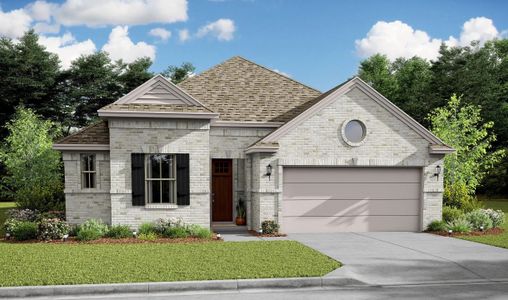
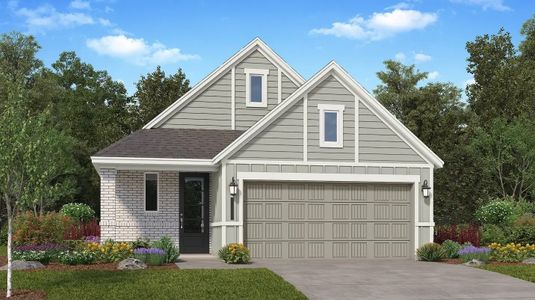
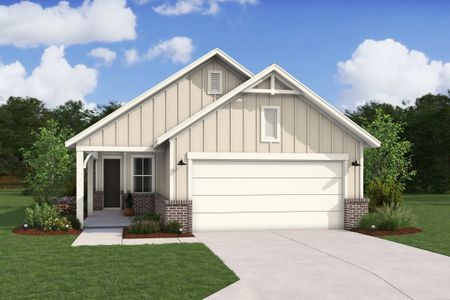
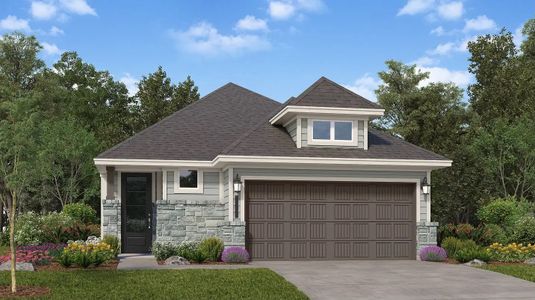
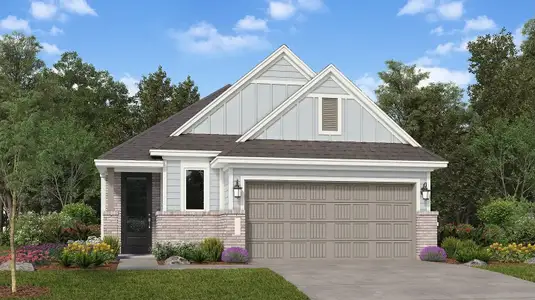
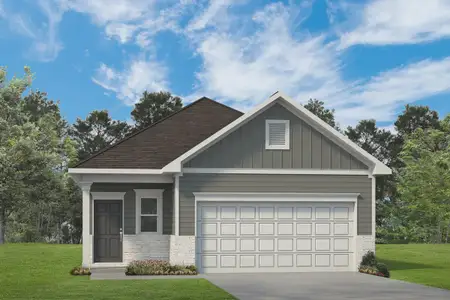
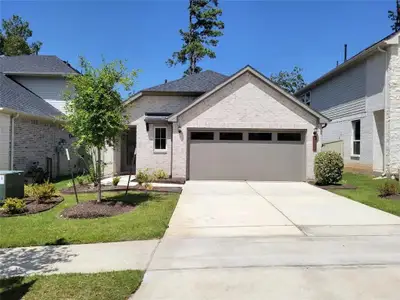
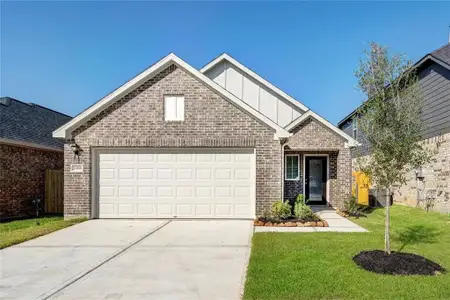
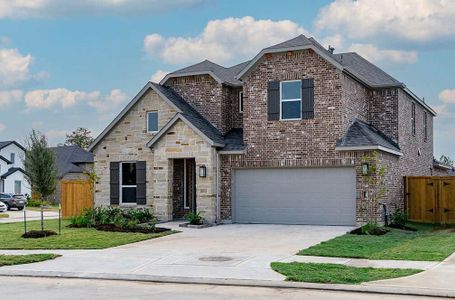
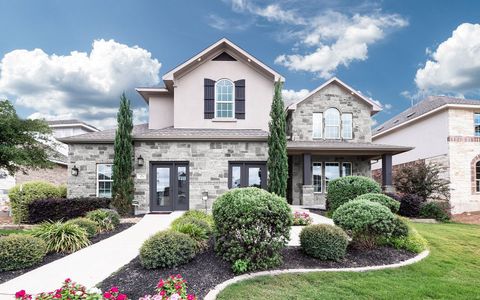
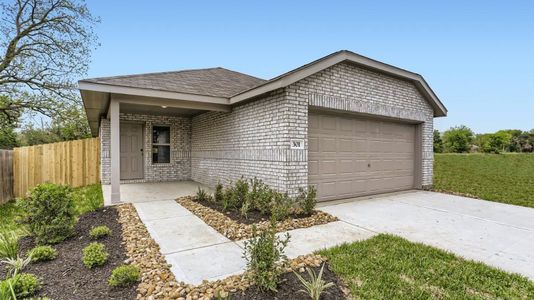
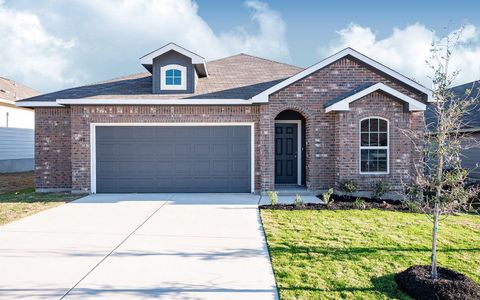
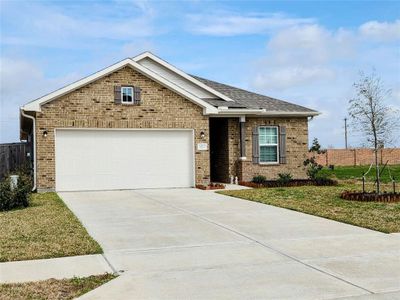
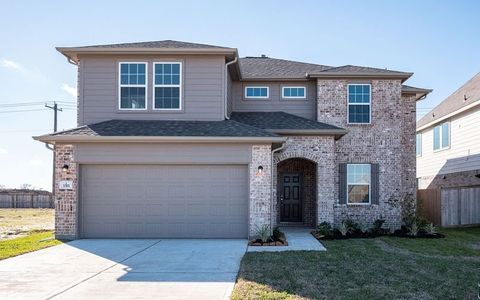
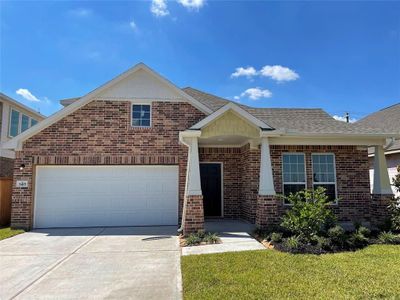
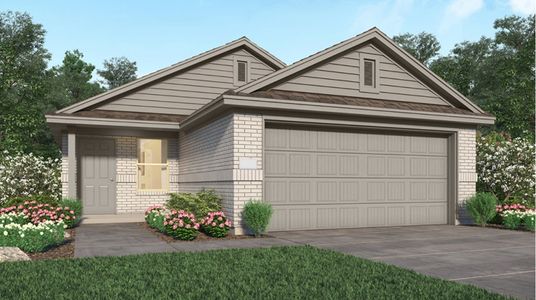
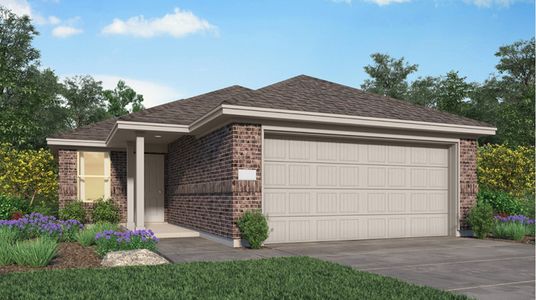
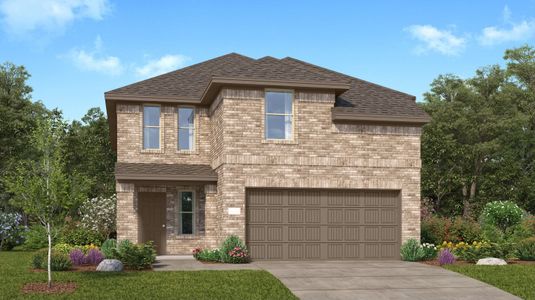
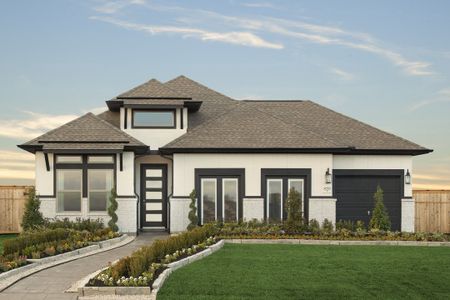
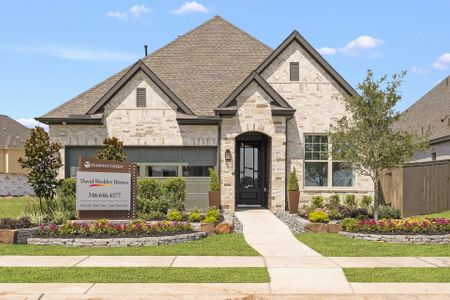
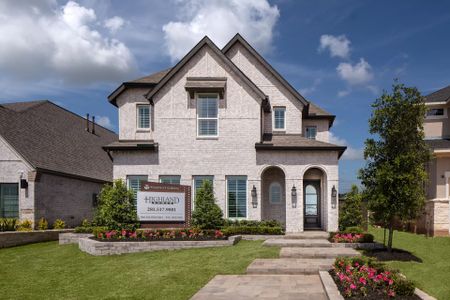
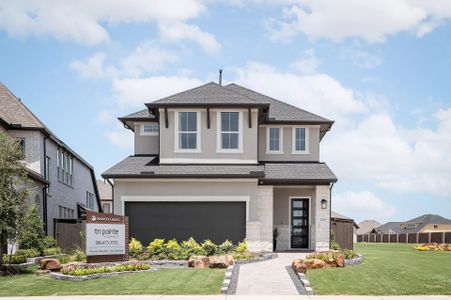
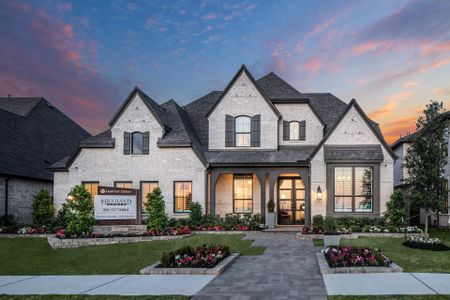
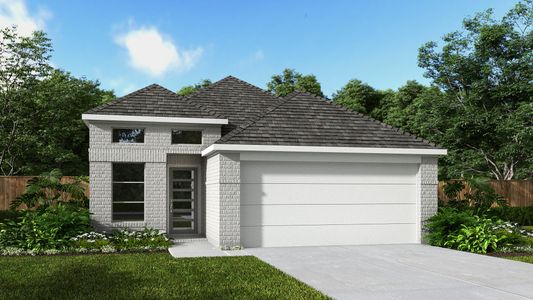
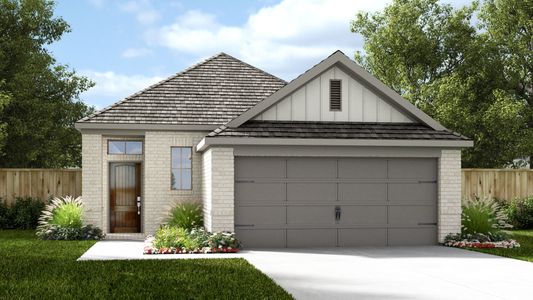
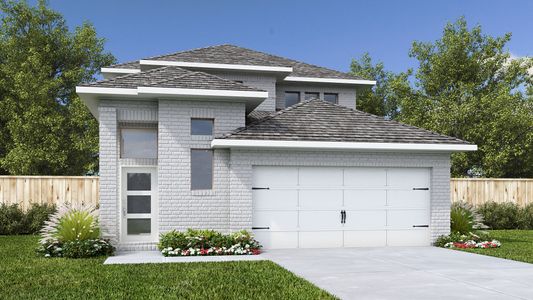
Browse currently available new construction homes, communities, and floor plans across the Greater Houston Area. All listings are updated daily with the latest inventory from builders. Browse all communities & new homes in Greater Houston Area
Top-rated new construction communities in Greater Houston Area
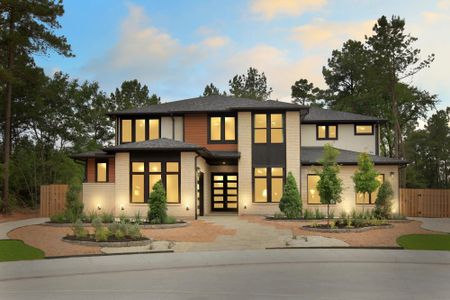

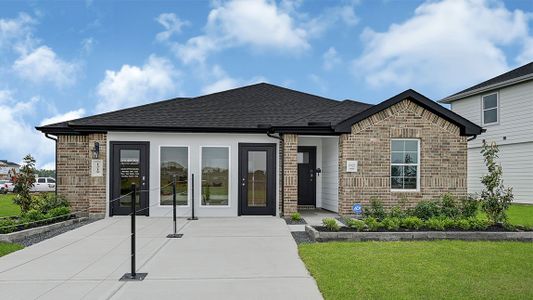


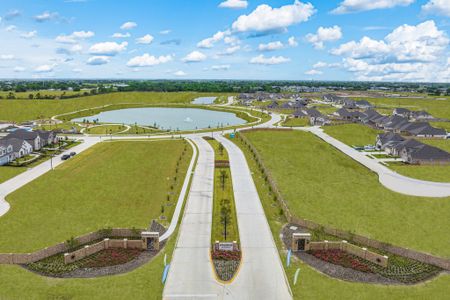
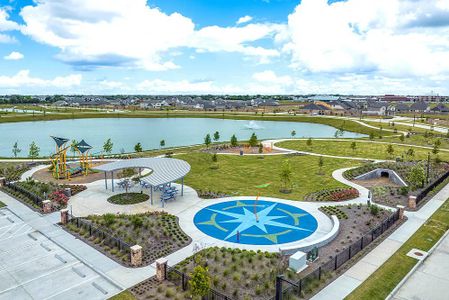
Master planned communities in Greater Houston Area



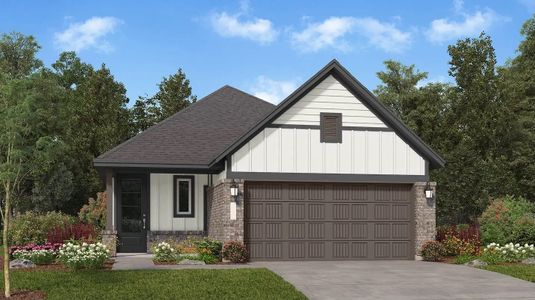
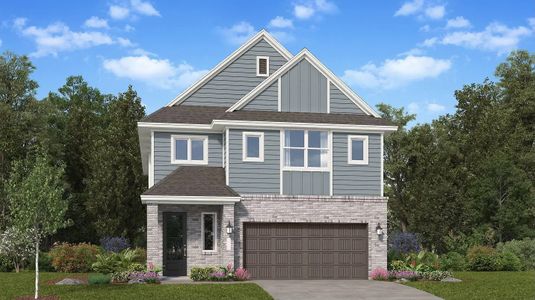
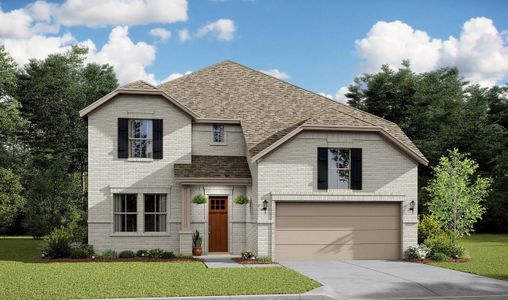
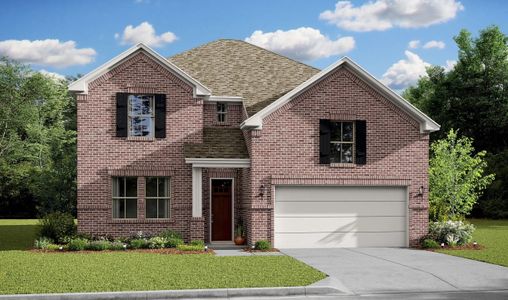
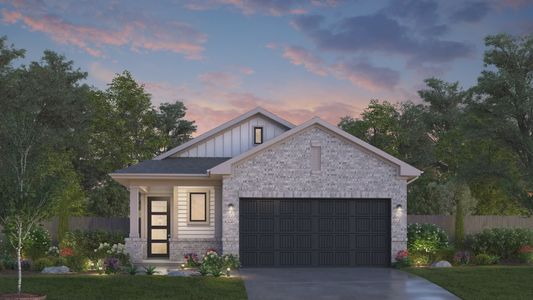
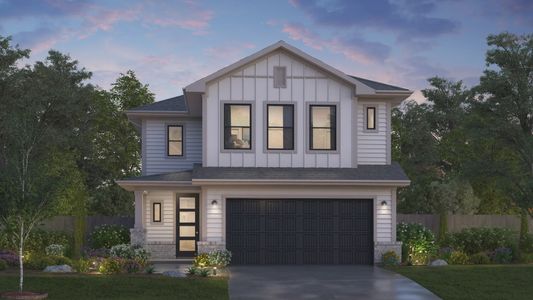


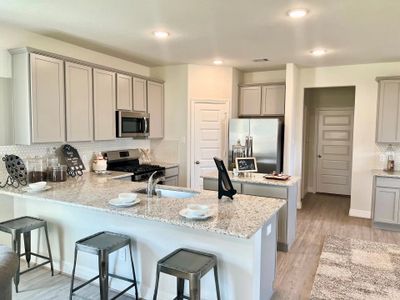



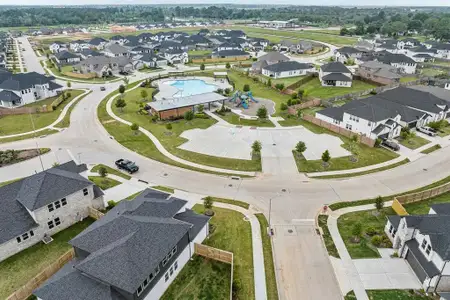









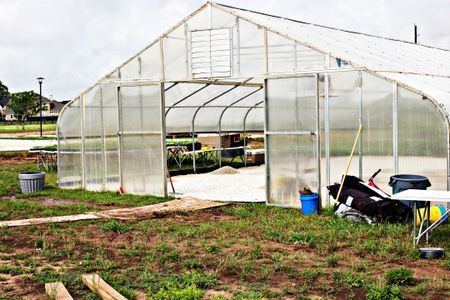



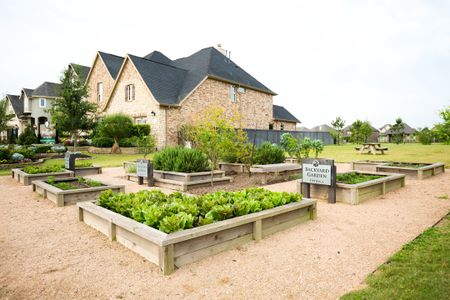
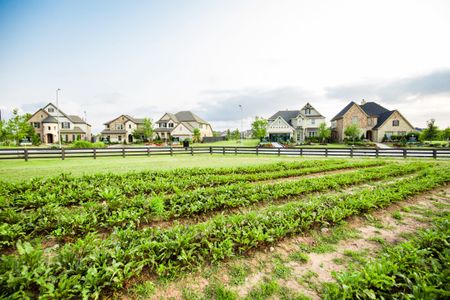
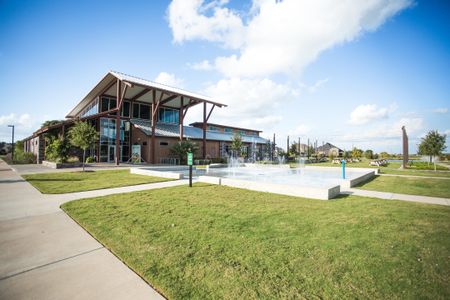









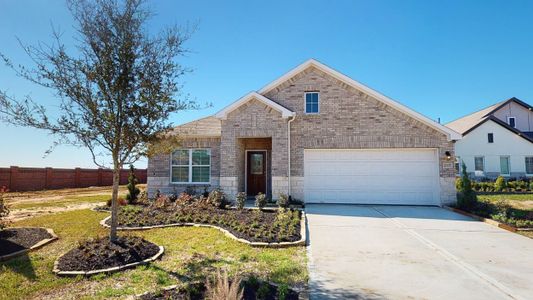
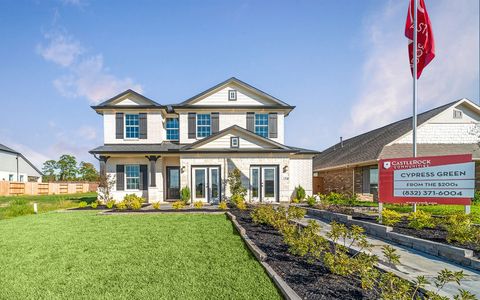
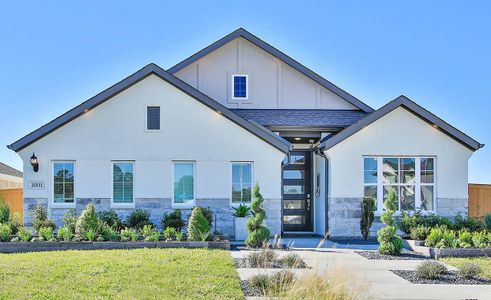
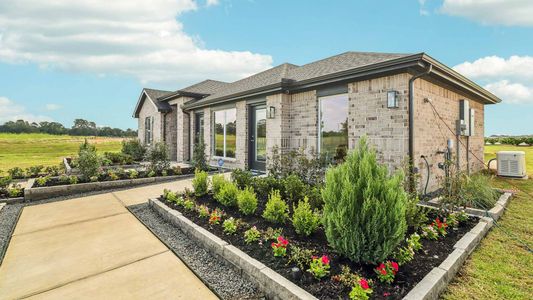

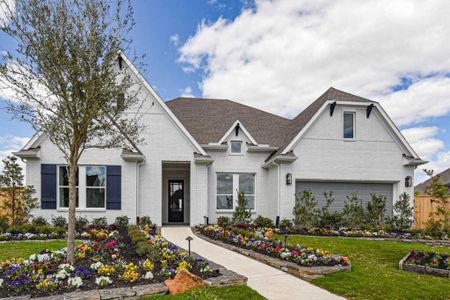
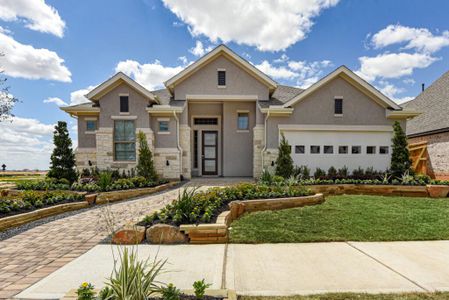
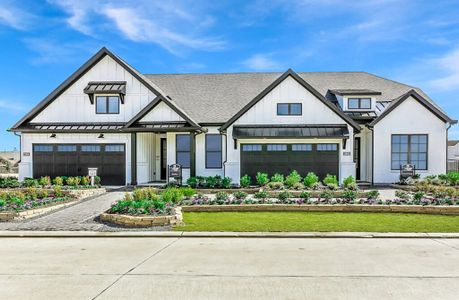



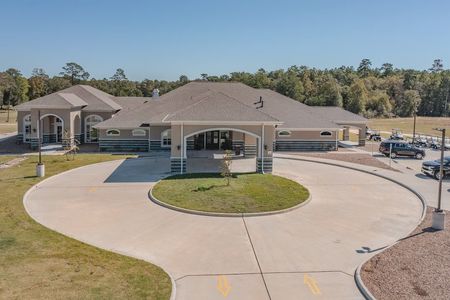


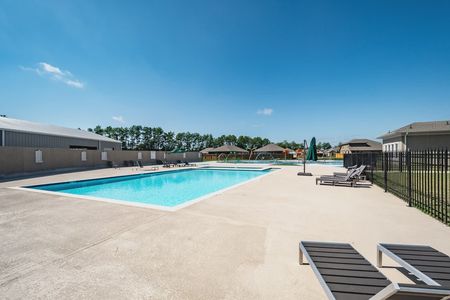
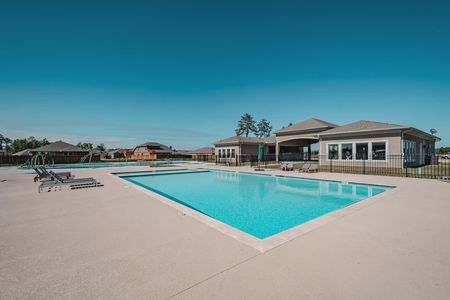
Browse communities & homes in Greater Houston Area cities
Real estate in Greater Houston Area
Houston's housing market appreciated considerably over the last few years; however it is now experiencing a slowdown due to increasing interest rates and greater economic uncertainty. While the rate of appreciation of home prices has fallen in recent months, they are still rising slightly and are expected to continue to do so in 2023.
Newly released communities
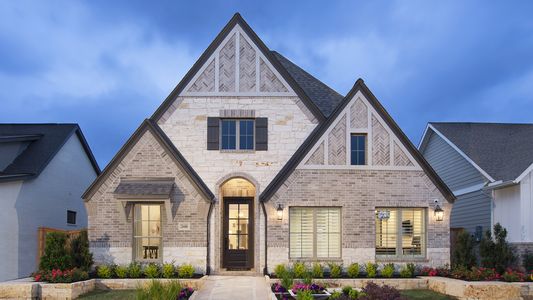

Recently listed homes

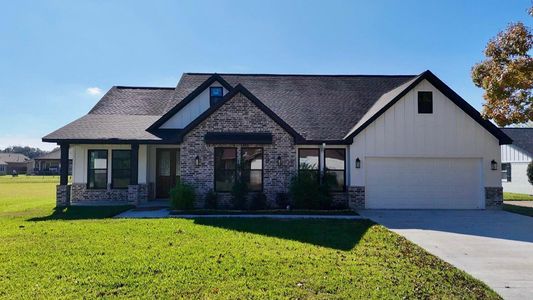
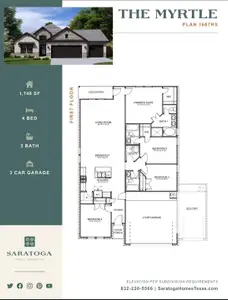
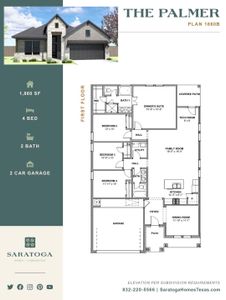
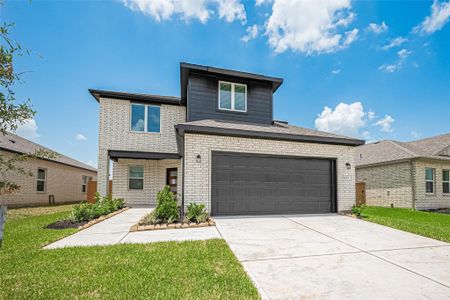

Recently published floor plans
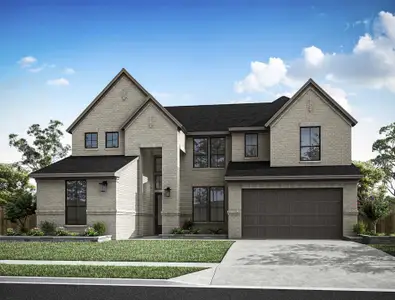


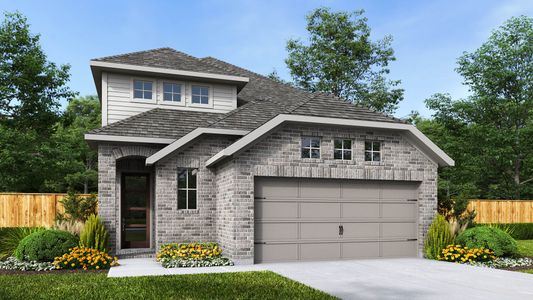

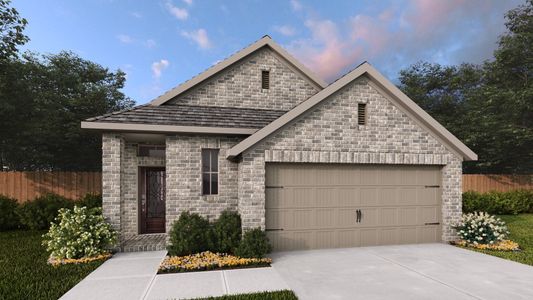
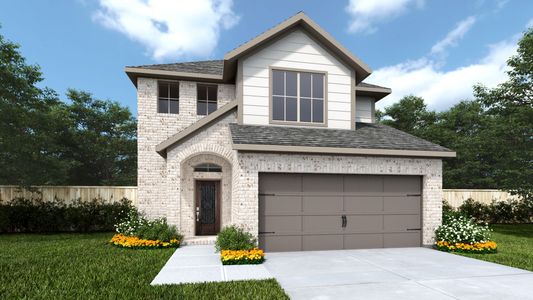
The most popular new construction builders in Greater Houston Area










How does Houston, TX compare to other real estate markets in Texas?

Read about new construction on Jome blog



Frequently asked questions
What is the current median sale price for a property in Greater Houston Area?
In the Greater Houston Area, prospective homeowners can expect a median sale price of $379,990, according to the latest data from December 2025. This price reflects a market of 21867 newly constructed homes, each brought to life by one of 172 skilled building teams.
Who are the major developers of new construction homes in Greater Houston Area?
Greater Houston Area has a strong new construction market, with Perry Homes, Lennar, D.R. Horton, Chesmar Homes and Highland Homes as the leading developers. These builders are known for their quality homes and innovative designs in various neighborhoods.