
New construction in Colorado: prices, trends, guides & homes as of December 2025
About Colorado
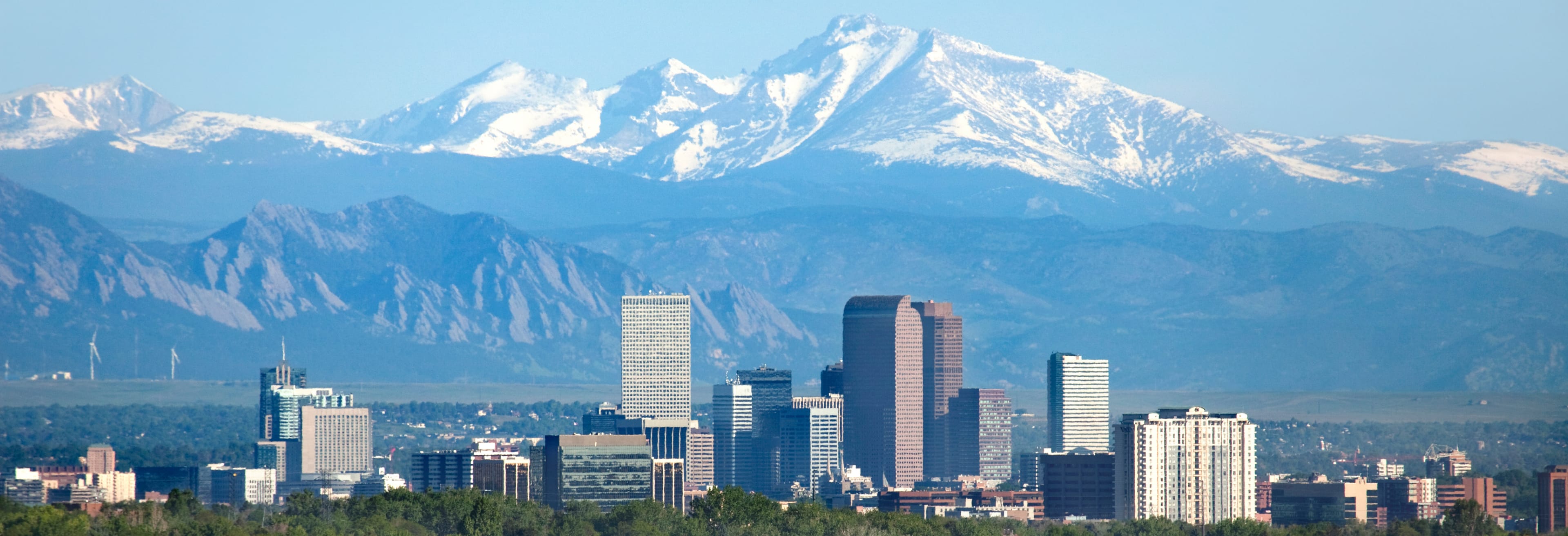
Colorado, often referred to as the Centennial State, graces the western part of the United States with its mountains, high plains, deserts, and deep canyons. Standing tall with an average elevation of 6,800 feet, the state's crown jewel is undoubtedly the Rocky Mountains, drawing tourists for skiing, hiking, and other outdoor adventures. Denver leads the list of major cities, followed closely by Colorado Springs, Fort Collins, and Boulder. As of July 2022, Colorado was the chosen home for close to 5.8 million people, many of whom enjoy the state's 300 sunny days, mild temperatures, and enough snowfall for winter sports.
How are new home prices changing in Colorado?
Home price data reflects current listings in Colorado, sourced from Jome and updated regularly
*Based on Jome markets

Chat with Colorado Expert
Get a free, no-pressure consultation with our top Colorado new-construction expert. They know every major builder, the best deals and incentives, and exactly what's happening in the local new-construction market.
Colorado market overview
- Overall inventory5,368
- Single-family inventory4,077
- Townhouse inventory678
- Condo inventory232
- Multi-family inventory84
- Penthouse inventory6
- 1 bed inventory84
- 2 beds inventory643
- 3 beds inventory2,542
- 4+ beds inventory2,091
- Median home price$599,950
- Median sqft price$300.92
- Median 1 bed price$375,000
- Median 2 beds price$484,900
- Median 3 beds price$555,000
- Median 4+ beds price$764,925
- Min listing price$105,000
- Max listing price$19,500,000
- Min community price$280,000
- Max community price$7,205,552
Colorado median price change
| Month | Median price | Change |
|---|---|---|
| December 2025 | $599,999 | - |
Colorado real estate markets
What it's like to live in Colorado?
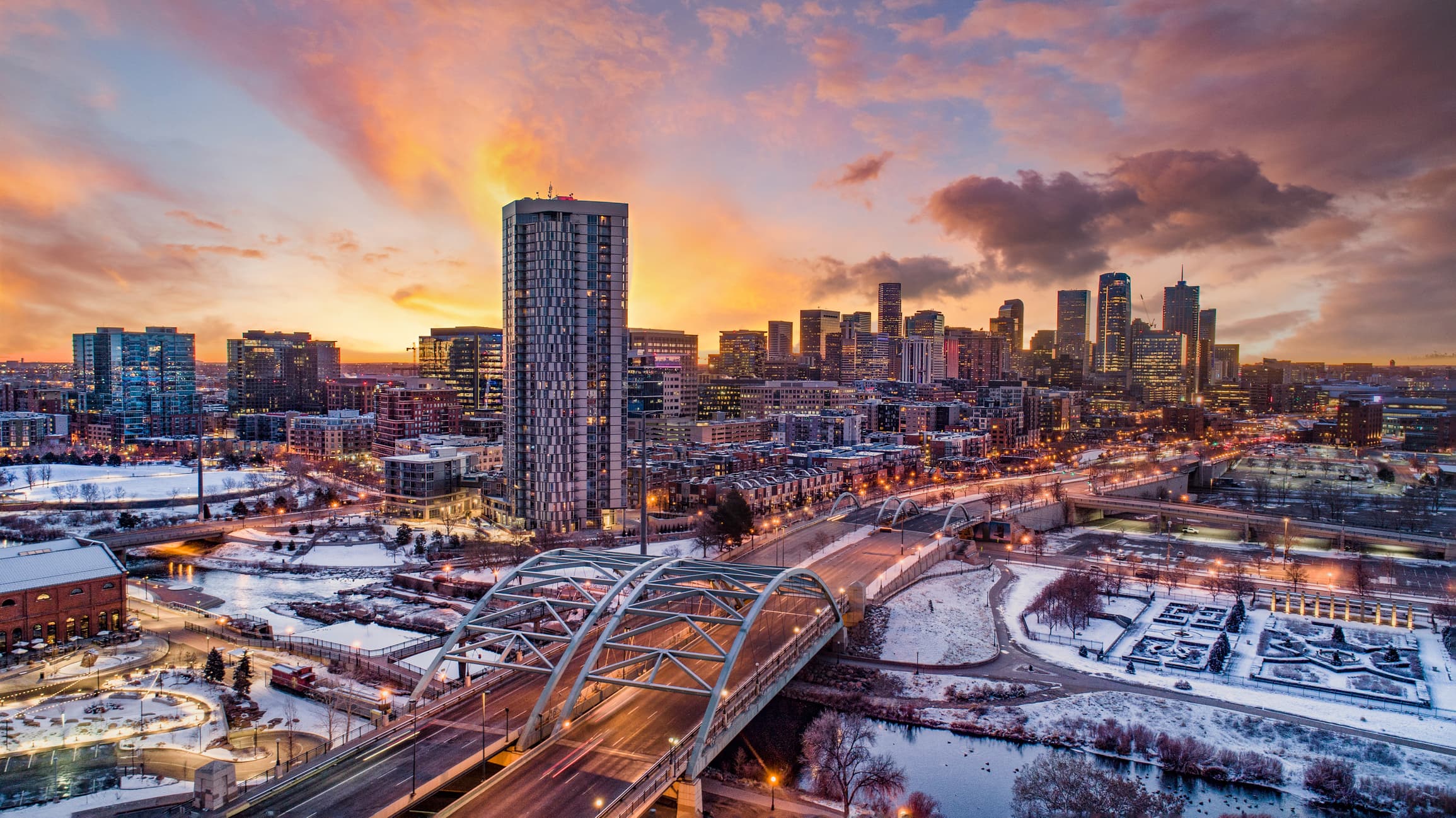
Colorado operates as multiple lifestyle zones contained within one state boundary, unified more by outdoor recreation culture than economic integration. The Denver metro sprawls across the Front Range, functioning as a corporate headquarters center, aerospace hub, and gateway to mountain recreation. Colorado Springs anchors military employment around multiple installations. Boulder serves as a tech and university enclave with housing costs rivaling coastal markets. Fort Collins provides college town culture with brewery tourism. Mountain communities from Vail to Aspen to Telluride exist primarily for tourism and second-home owners. The common thread is Colorado's identity as an outdoor lifestyle destination, where access to skiing, hiking, and mountain recreation justifies enduring thin air, volatile weather, and housing costs that have appreciated faster than wages for most residents. The reality of living here involves trade-offs around altitude adjustment, extreme weather swings, water supply concerns, and a cost of living that increasingly resembles the coastal markets people claim they're escaping.
Why Colorado attracts sustained migration despite rising costs
The lifestyle case dominates the financial calculation for many Colorado relocators. Access to world-class skiing within 90 minutes of Denver, hundreds of miles of hiking trails accessible year-round, mountain biking that ranges from beginner-friendly to expert-level technical terrain, rock climbing from gym training to alpine routes, and outdoor recreation as default weekend activity creates appeal that transcends pure economic calculation. This outdoor culture permeates daily life in ways that flat-terrain or humid-climate states can't replicate, with many residents organizing their entire schedules around powder days, trail conditions, and seasonal recreation patterns. For buyers relocating from California, the Northeast, or other high-cost regions, Colorado's outdoor access combined with somewhat lower housing costs than their departure markets creates compelling value despite prices that alarm longtime Colorado residents.
The economic case centers on aerospace, defense, technology, and corporate headquarters operations. Lockheed Martin's massive Space Systems campus in Littleton conducts satellite development, space exploration systems, and defense technology work employing thousands of engineers and technical specialists on projects that extend years into the future. Buckley Space Force Base in Aurora provides secure, family-friendly military employment with top-rated Aurora schools and easy access to Denver's amenities and the mountains beyond. The Denver Tech Center represents a walkable southeast Denver hub with high-rise offices, retail, hotels, and over 113,000 workers across technology, telecommunications, financial services, and corporate operations. Beyond these anchors, dozens of smaller aerospace contractors, cybersecurity firms, renewable energy companies, and tech startups create an ecosystem that feeds off the outdoor lifestyle attracting educated talent willing to accept somewhat lower salaries than coastal markets in exchange for mountain access and quality of life.
The corporate relocation trend continues despite recent slowdowns, with companies attracted by Colorado's educated workforce, central time zone positioning, and business-friendly environment. The state has captured headquarters and major operations from various sectors, though the pace has moderated from the explosive 2010s growth period. Remote work's normalization has actually accelerated Colorado migration, with workers in high-paying positions no longer requiring local employment to justify living here, creating housing demand disconnected from local wage scales.
The tax structure sits in moderate territory. Colorado charges flat state income tax at 4.40%, lower than California or northeastern states but higher than Texas, Florida, or Tennessee's zero. Property taxes remain relatively low compared to many states, with effective rates typically between 0.50% and 0.60% of assessed value, though the Taxpayer's Bill of Rights (TABOR) creates complexity around assessments and mill levies. The combined burden positions Colorado competitively for recruiting from higher-tax states while remaining livable for residents, though housing costs often overwhelm tax savings for middle-income workers.
The cost of living varies dramatically by proximity to Denver and mountain access. Denver's close-in suburbs and Boulder have experienced appreciation rivaling coastal markets, with quality new construction often exceeding $600,000 in desirable areas. Mountain communities command extreme premiums, with Vail, Aspen, and Telluride pricing out all but the wealthy and creating workforce housing crises. Outer Denver suburbs and Front Range cities like Fort Collins and Colorado Springs offer better value, with new construction from $420,000 to $550,000 in workable locations. Eastern plains communities provide genuine affordability but at the cost of mountain access and the outdoor lifestyle that defines Colorado's appeal for most migrants.
The climate delivers dramatic seasonal swings and daily temperature variations that newcomers find surprising. Winters bring substantial snow to the mountains and periodic blizzards to the Front Range, though Denver itself sees less snow than its reputation suggests due to chinook winds that melt accumulation rapidly. Spring arrives unpredictably, with May snowstorms following 70-degree March weeks. Summer provides spectacular weather with low humidity, though afternoon thunderstorms develop regularly and occasionally produce destructive hail. Fall delivers extended periods of perfect weather. The 300-plus days of sunshine create outdoor recreation conditions year-round, though wildfire smoke has become an increasing summer concern. Altitude affects everyone initially, with Denver's 5,280-foot elevation causing shortness of breath and dehydration that takes weeks or months to acclimate fully.
Understanding Colorado's markets by buyer profile
Colorado's unique combination of outdoor lifestyle culture, aerospace industry, remote work migration, and altitude considerations creates buyer profiles distinct from other western states, with new construction concentrating in areas serving these specific demographics and lifestyle priorities.
For Aerospace Engineers and Defense Technology Professionals: Lockheed Martin's Space Systems campus in Littleton dominates this segment, attracting aerospace engineers, satellite systems specialists, program managers, and technical staff working on classified space and defense projects. These professionals earn substantial salaries, typically $95,000 to $180,000 for experienced engineers, creating demand for quality housing within reasonable commutes to the facility. New construction in Highlands Ranch, Lone Tree, Parker, and Castle Rock serves this demographic, with price points ranging from $500,000 to $850,000 for properties balancing commute times with space and school quality. Many relocate from California's aerospace sector, Southern states with defense concentrations, or other Lockheed facilities nationwide. The work often requires security clearances and involves long-term projects providing employment stability. These buyers seek modern floor plans with dedicated offices for technical documentation work, strong internet infrastructure for secure VPN connections to classified systems, and proximity to both the facility and mountain recreation that drew them to Colorado. Weekend skiing and summer hiking represent lifestyle priorities, with many willing to pay premiums for locations offering quick mountain access after work.
For Outdoor Recreation Enthusiasts and Lifestyle Migrants: Colorado attracts a unique demographic that relocates specifically for mountain access and outdoor lifestyle, often accepting lower-paying positions or remote work arrangements in exchange for daily proximity to trails and slopes. Avid skiers, mountain bikers, climbers, trail runners, and outdoor professionals including guides and instructors have made Colorado a destination market. These buyers concentrate in specific submarkets offering optimal access to recreation. Boulder attracts climbers and mountain bikers willing to pay extreme premiums for trail access from their doorsteps. Golden and Evergreen serve Denver workers seeking shorter drives to mountains. Fort Collins appeals to outdoor enthusiasts preferring college town culture and reasonable costs. Colorado Springs provides mountain access at lower price points than Denver proper. New construction serving this demographic ranges from $420,000 in Colorado Springs to $750,000-plus in Boulder, with buyers often accepting smaller floor plans in exchange for location advantages. These purchasers prioritize garage space for bikes, skis, climbing gear, and kayaks over formal dining rooms, seek communities where neighbors share outdoor interests, and often structure their entire careers around maximizing recreation time rather than income maximization.
For Remote Workers Seeking Mountain Lifestyle: Colorado has captured massive remote worker migration from coastal markets, with tech workers, financial analysts, consultants, and various professionals who can work from anywhere choosing Colorado specifically for outdoor access while maintaining high salaries from expensive-market employers. These buyers need reliable internet infrastructure, dedicated home offices, and reasonable proximity to Denver International Airport for occasional work travel. Different submarkets serve this demographic's varied priorities. Denver's urban neighborhoods attract remote workers seeking walkability and restaurant culture. Suburbs like Centennial and Aurora offer family-friendly environments with good schools. Mountain communities including Silverthorne, Frisco, and even Breckenridge attract the most committed outdoor enthusiasts willing to endure tourist traffic and higher costs for daily mountain living. These buyers show enormous price variation from $450,000 to $900,000-plus depending on compensation levels and whether they're selling California properties to fund Colorado purchases. Many maintain housing budget expectations from departure markets, supporting Colorado's appreciation even as locals struggle with affordability. Remote workers often research Colorado-specific considerations including altitude effects on work productivity, wildfire smoke impacts on summer work-from-home conditions, and internet reliability during heavy snow events.
For Military Families and Defense Contractors: Buckley Space Force Base in Aurora creates concentrated demand from active-duty personnel, military retirees, and defense contractors supporting space operations and satellite communications. Multiple other installations including Peterson Space Force Base and Schriever Space Force Base near Colorado Springs, plus Fort Carson and the Air Force Academy, serve various military demographics. These buyers prioritize reasonable commutes for shift work and early morning formations, strong school districts providing stability during assignments, and communities with other military families who understand deployment and training cycle realities. New construction near Aurora and Colorado Springs ranges from $380,000 to $550,000, serving military families at various ranks. VA loan usage with zero down payment requirements makes new construction particularly attractive when builders offer incentives offsetting closing costs. Military buyers understand PCS cycles mean likely relocation within a few years, making resale potential and market stability important beyond just personal use. Many military families specifically request Colorado assignments for the outdoor recreation access, creating demand from personnel who view the assignment as opportunity to explore skiing, hiking, and mountain activities they couldn't access at previous duty stations.
For Technology Workers in Denver's Growing Tech Sector: The Denver Tech Center's concentration of over 113,000 workers creates substantial housing demand, though Colorado's tech sector remains smaller and less dominant than Austin or Seattle's concentrations. Software engineers, data analysts, cybersecurity specialists, and IT professionals working at established companies and startups throughout the metro seek housing balancing office proximity with outdoor access. Many work hybrid schedules combining DTC office days with remote work, making home offices valuable while maintaining reasonable commute capability. New construction in Greenwood Village, Centennial, Highlands Ranch, and Southeast Denver serves this market, with price points ranging from $480,000 to $720,000. These professionals often relocate from Bay Area or Seattle tech scenes, taking modest pay cuts for Colorado's lifestyle advantages while finding housing costs somewhat more manageable than their departure markets despite local sticker shock. They seek modern floor plans with dedicated offices, strong internet infrastructure, garage space for recreational equipment, and neighborhoods with other educated professionals and good schools.
For Growing Families Prioritizing Schools and Safety: School district quality drives decisions for families with children throughout the Denver metro. Douglas County consistently ranks among Colorado's top-performing districts, creating intense demand and price premiums in Castle Rock, Highlands Ranch, and Lone Tree. Cherry Creek School District serves affluent southeast Denver areas with strong reputations. Boulder Valley School District performs well but at corresponding extreme costs. Specific schools within Jefferson County and other districts show pockets of excellence requiring careful research. New construction communities position strategically within high-performing zones where possible, though Colorado's school choice system and charter school options create alternatives to traditional district assignment. These families prioritize location and school quality over square footage, accepting 2,500 square foot homes in Douglas County over 3,500 square foot alternatives in weaker districts. Price points range from $520,000 in decent but not premium zones to $750,000-plus in top Douglas County areas where elementary school ratings command maximum premiums. Many families relocating to Colorado specifically research altitude effects on children, athletic performance adjustments to thin air, and outdoor recreation opportunities that Colorado childhood offers compared to other regions.
For Retirees Seeking Active Outdoor Lifestyle: Colorado attracts a specific subset of retirees distinct from the typical Sunbelt retirement demographic. These buyers seek continued outdoor recreation and four-season variety rather than warmth and beach access. Active retirees from across the country purchase in Colorado specifically to spend retirement years skiing, hiking, and maintaining active lifestyles that mountain access enables. Fort Collins attracts retirees seeking college town culture and reasonable costs. Colorado Springs serves retirees wanting mountain views at lower prices than Denver. Some affluent retirees purchase in mountain communities for primary residence despite harsh winters and tourist congestion. These buyers typically range from 55 to 70 years old, still active enough to utilize the outdoor access that justifies Colorado's costs. They seek single-story ranch layouts where available, though Colorado's hilly terrain makes these less common than flat-terrain states. Master-on-main configurations accommodate aging without eliminating upper-level space. Communities with maintenance services eliminate snow shoveling and yard work at altitude. Price points range from $450,000 in modest Fort Collins communities to $800,000-plus in premium locations near mountains. Access to quality healthcare matters, with Denver's major hospital systems and Colorado Springs' regional facilities serving as considerations, particularly given altitude's effects on certain health conditions.
For Investment Property Buyers and Short-Term Rental Operators: Colorado's tourism economy creates substantial investment demand, particularly in mountain communities near ski resorts. Investors purchase condos and townhomes for short-term rental income through platforms like Airbnb and VRBO, though many mountain towns have implemented increasingly strict regulations limiting or prohibiting short-term rentals in response to workforce housing crises and complaints from permanent residents. Breckenridge, Vail, Steamboat Springs, and Telluride each have complex rules requiring licenses and limiting rental frequency. Some investors focus on Denver metro properties targeting business travelers or families visiting for sports tournaments and urban tourism. Investment purchases range from $350,000 for modest mountain condos to $900,000-plus for properties in prime ski-in/ski-out locations. Cash purchases remain common as rental income projections struggle to support conventional financing underwriting given seasonal occupancy patterns. Many California property owners use proceeds from sales in their home state to purchase Colorado mountain properties generating rental income while providing personal vacation use during select weeks.
The real costs beyond your principal and interest
Your actual monthly housing expense in Colorado extends beyond the mortgage payment, with the state's unique cost structure and altitude-related considerations creating expenses that require evaluation before committing to mountain state living.
Property taxes represent Colorado's most significant cost advantage over many competing states, though the system's complexity surprises newcomers. The average effective rate statewide runs approximately 0.50% to 0.60% of assessed value, well below national averages. However, Colorado's assessment system uses residential assessment rates (currently 6.765% of actual value for 2023-2024) with complex calculations involving mill levies and TABOR restrictions that make understanding your actual tax bill challenging. Denver County typically sees effective rates around 0.55% to 0.65% of market value. Douglas County runs similar. Boulder County carries somewhat higher rates. On a $550,000 home, expect annual tax bills ranging from roughly $3,025 to $3,575. The Taxpayer's Bill of Rights limits assessment increases and requires voter approval for tax increases, providing some protection against rapid tax growth. Senior citizens may qualify for property tax exemptions meeting specific criteria, though Colorado's system offers less generous relief than some states.
State income tax at 4.40% applies to all income including wages and investment earnings. While moderate compared to California or northeastern states, it reduces take-home pay compared to zero-tax states like Texas, Florida, and Tennessee. The flat rate structure means high earners pay the same percentage as middle-income workers, creating relative advantage for higher earners compared to progressive tax states.
Sales tax across the Front Range ranges from 2.9% to 11.2%, with the state collecting 2.9% and local jurisdictions adding substantial portions. Denver's combined rate reaches 8.81%. Boulder hits 8.985%. Mountain resort towns often carry the highest rates funding infrastructure and services demanded by tourist populations. This affects major purchases including vehicles, where a $54,000 truck carries $1,566 to $6,048 in sales tax depending on purchase location. The variation encourages buyers to shop strategically across jurisdictions, though vehicle registration ultimately occurs at residence location. Furniture, appliances, and building materials all include these premiums, showing up dramatically when furnishing a new home.
Homeowner's insurance costs run moderate compared to hurricane or wildfire-prone coastal states, though Colorado faces its own risks. Annual premiums typically range from $1,600 to $2,800 for standard single-family homes depending on coverage levels, home value, and specific location. Hail represents Colorado's most significant risk, with the Front Range experiencing severe hailstorms that cause billions in roof and siding damage annually. Properties in high-hail-risk corridors including parts of Douglas County and northeast Denver suburbs face higher premiums. Wildfire risk affects mountain and foothills properties, with some areas requiring specialized coverage or facing coverage limitations from major carriers. New construction earns somewhat better rates because modern impact-resistant roofing provides protection against hail damage that older roofs lack. Insurance companies increasingly use roof age and condition as major rating factors given hail claim frequency.
Utility costs deserve particular attention given Colorado's climate extremes and altitude effects. Winter heating bills represent significant expenses, with homes requiring heating from October through April and occasionally into May. Natural gas heating costs vary by winter severity, with homes using $150 to $320 monthly during January and February cold snaps. Electric bills remain moderate in summer given low humidity and mild temperatures reducing air conditioning demands, though afternoon thunderstorms and intense UV radiation at altitude create different cooling patterns than sea-level locations. New construction with modern insulation, efficient furnaces, and proper air sealing delivers utility savings particularly valuable during Colorado's long heating season. A new home using $185 monthly in combined heating and cooling versus an older home requiring $275 saves $1,080 annually. Water costs remain moderate currently, though conservation efforts and drought concerns create ongoing policy discussions about future rate structures.
HOA fees appear nearly universal in Colorado's newer communities, with most single-family developments charging $60 to $200 monthly for services including snow removal, landscaping maintenance, and common area upkeep. Snow removal represents a significant service many buyers from southern states don't initially appreciate, with HOAs plowing streets and sidewalks that would otherwise require homeowner responsibility. Master-planned communities with amenities including pools, fitness centers, and maintained trails can reach $250 to $450 monthly. Mountain communities often carry higher fees funding the additional snow removal, road maintenance, and infrastructure demands that altitude and weather create. These represent permanent fixed costs that increase 4% to 8% annually as maintenance expenses, fuel costs, and contractor rates rise.
Altitude-related costs don't appear on mortgage statements but affect budgets in measurable ways. Vehicles require more frequent maintenance at altitude, with oxygen sensors, catalytic converters, and emissions systems wearing faster in thin air. Gardening and landscaping costs exceed sea-level equivalents, as many plants struggle at altitude requiring specialized varieties and additional care. Skin care products and sunscreen become essential rather than optional, with intense UV radiation at 5,000-plus feet causing rapid sunburn and skin damage. Some residents require supplemental oxygen temporarily during initial altitude adjustment or during illness when thin air exacerbates respiratory issues. These costs individually seem minor but compound over years of mountain living.
Housing costs vary dramatically by location and mountain access. Boulder commands extreme premiums rivaling San Francisco or Seattle. Denver's prime suburbs and mountain foothills areas carry substantial costs. Outer Front Range cities including Fort Collins and Colorado Springs offer middle-ground pricing. Eastern plains communities provide affordability but sacrifice the mountain access that defines Colorado living for most transplants.
What new construction delivers in high-altitude conditions
Choosing new construction in Colorado provides advantages specifically relevant to altitude, extreme weather swings, hail risk, and the practical realities of living where temperature variations of 50 degrees within 24 hours occur regularly and snow can fall any month of the year.
- High-Altitude Construction Standards That Sea-Level Building Doesn't Address: Colorado's altitude creates unique engineering requirements that coastal state codes don't consider. HVAC systems must account for reduced air density affecting heating and cooling efficiency, requiring larger equipment capacity than sea-level homes of comparable square footage. Furnaces and water heaters need proper altitude adjustment or high-altitude rated models preventing incomplete combustion and carbon monoxide risks that improperly configured equipment creates. Modern construction includes these specifications automatically, while older homes sometimes have sea-level-rated equipment operating inefficiently and potentially dangerously. Insulation standards have increased substantially to address Colorado's dramatic temperature swings, with modern homes including higher R-values in walls and attics than older construction. Windows must handle both intense UV radiation and winter cold, with Low-E coatings and proper sealing reducing energy transfer. Foundation systems account for freeze-thaw cycles that can shift and crack foundations over time, using techniques including deeper footings and proper drainage preventing moisture accumulation and freeze damage.
- Impact-Resistant Roofing Addressing Colorado's Hail Reality: Colorado's Front Range experiences some of the nation's most severe hail, with storms producing golf ball to baseball-sized hail that destroys roofs, siding, and vehicles. New construction increasingly includes Class 4 impact-resistant roofing materials providing meaningful protection against hail damage that older composition shingles can't withstand. These roofs carry higher upfront costs but often qualify for insurance discounts of 20% to 35% on premiums, creating payback within a few years while providing protection against the roof replacement costs that frequently exceed $15,000 to $25,000 after major hail events. Impact-resistant windows protect against both hail and the intense UV radiation that deteriorates standard windows and interiors rapidly at altitude. Garage door reinforcement prevents the wind pressure damage that occurs during severe thunderstorms.
- Energy Efficiency Addressing Extreme Temperature Swings: Colorado's climate creates unique heating and cooling patterns, with winter morning temperatures below zero followed by afternoon chinook winds pushing readings into the 50s or 60s, then dropping back below freezing overnight. New construction with modern insulation, efficient furnaces, programmable thermostats allowing multiple daily adjustments, and proper air sealing handles these swings better than older homes. The difference in utility costs compounds over Colorado's long heating season, which extends roughly seven months annually. A new home using $165 monthly in winter heating versus an older home requiring $265 saves $700 during heating season, totaling $21,000 over 30 years. Solar panel systems work exceptionally well in Colorado's 300 days of sunshine, with many builders offering installation as standard or reasonably priced upgrades. At altitude, panels generate substantial electricity even during winter given the intense solar radiation.
- Garage and Storage Configurations for Mountain Lifestyle: Colorado living requires equipment storage that temperate-climate homes don't accommodate. New construction increasingly includes three-car garages or oversized two-car garages with extra depth and height accommodating ski racks, bike storage systems, kayak hoists, and climbing gear organization. Many floor plans include mudrooms with built-in benches and storage for boots, coats, and outdoor gear that accumulates in households maintaining year-round recreation habits. Heated garages appear more commonly as buyers recognize that working on frozen vehicles or accessing gear in unheated spaces creates genuine hardship during winter months. Some builders include outdoor gear wash stations for cleaning muddy bikes and gear before tracking dirt through homes.
- Modern Technology Infrastructure for Remote Work at Altitude: Colorado's influx of remote workers has made technology infrastructure critical. New construction includes structured wiring providing reliable internet throughout homes, addressing the reality that weather events can disrupt service and backup systems become valuable. Electrical capacity accommodates multiple computers, monitors, printers, and office equipment running simultaneously. Dedicated home offices with French doors appear standard in most floor plans, recognizing that remote work has become permanent for many Colorado residents. Some builders include commercial-grade internet service installation negotiating bulk rates with providers. Cell phone signal boosters appear in some mountain and foothills homes where terrain creates reception challenges affecting both personal communication and work-from-home reliability.
- Comprehensive Warranty Protection in Harsh Climate: Colorado's extreme weather stresses homes in ways that moderate climates don't, making warranty coverage particularly valuable. Furnaces work harder than in mild-winter states, creating more wear and earlier failure potential. Freeze-thaw cycles stress foundations and exterior materials. Hail damage can create issues beyond immediate visible damage including compromised roof integrity that manifests over time. Builder warranties covering structural issues for 10 years, major systems including furnaces for 2 to 5 years, and workmanship for the first year eliminate repair risks that frequently affect older home buyers. Given Colorado's potential for furnace failures during subzero cold snaps when replacement costs surge due to high demand, this warranty coverage provides both peace of mind and financial protection.
How construction schedules work in volatile mountain weather
The timeline from contract signing to receiving keys in Colorado involves unique challenges created by altitude, dramatic weather volatility, and construction practices adapted to conditions that create specific planning considerations buyers from temperate climates often underestimate.
For inventory homes where construction has progressed to interior finishing, closings typically happen within 50 to 90 days depending on remaining work and loan processing. Denver metro's permitting processes have improved following growth-driven backlogs, though volume still creates delays during peak building seasons. Mountain county permitting can move slower due to limited staff and more complex environmental reviews. Final inspections must occur before closing, with scheduling sometimes delayed when inspectors cover large geographic areas or when weather prevents travel to mountain job sites.
For to-be-built homes where you're selecting lots before site work begins, realistic expectations run 9 to 14 months in most Colorado markets, longer than many states due to weather disruptions and limited construction seasons at altitude. The construction sequence breaks into phases that Colorado's climate affects dramatically. Site preparation including excavation takes 2 to 5 weeks, though frozen ground during winter months can extend this phase or make it impossible altogether. Foundation work requires temperatures above freezing for concrete curing, limiting winter progress. Many builders in mountain areas simply don't pour foundations from November through March, creating natural construction season limitations. Framing and roof installation consume 6 to 11 weeks, with weather creating frequent disruptions. Rough-in work for plumbing, electrical, and HVAC takes 3 to 5 weeks. Insulation, drywall, and interior finishing require 9 to 14 weeks. Final landscaping gets delayed by weather, with high-altitude properties sometimes waiting until the following spring to complete landscaping when fall closing occurs.
Winter weather creates the most significant construction challenges. November through March brings snow events that halt exterior work for days at a time. Temperature swings make scheduling unpredictable, with morning job site frozen solid followed by afternoon thaw creating mud conditions, then refreezing overnight. Mountain communities face even more dramatic limitations, with some elevation construction essentially shutting down from late October through April. Denver metro construction continues through winter but at reduced pace and with frequent weather delays that compound over the season. Spring brings its own challenges, with March and April snowstorms sometimes more severe than mid-winter events, and May weather remaining highly unpredictable with potential for heavy wet snow.
Summer provides the best construction weather, though afternoon thunderstorms create daily disruptions from June through August. Lightning risks halt work when storms approach, which occurs nearly daily during peak monsoon season. Hail events can damage work in progress, requiring repairs before construction continues. The reliable summer construction window runs roughly May through early October, meaning builders try concentrating weather-sensitive work during these months.
Supply chain issues specific to mountain construction occasionally emerge. Impact-resistant roofing materials, high-altitude HVAC equipment, and specialized windows may carry longer lead times than standard products. Winter transportation challenges sometimes delay material deliveries to mountain job sites when road conditions become hazardous.
Colorado contracts must address weather delays while protecting against indefinite extensions that leave buyers in limbo. Unlike some states where weather delays represent rare exceptions, Colorado construction faces weather disruptions as routine reality. Reasonable contracts might allow 45 to 60-day extensions for documented weather events preventing safe work, while capping total weather-related delays at 90 to 120 days depending on construction start timing and elevation. Contracts starting construction in June have better weather probability than October starts facing immediate winter disruption. Negotiate builder notification requirements when delays occur and consider requesting remedies including daily penalties or cancellation rights if delays exceed negotiated caps, though builders resist these clauses given Colorado's weather unpredictability. Mountain construction carries inherently longer and less predictable timelines than Front Range development, a reality buyers must accept when choosing high-altitude locations.
The pre-closing walkthrough scheduled 4 to 6 days before closing represents your final opportunity to document issues before taking ownership. Pay particular attention to heating system performance, as this represents the most critical system in Colorado homes. Test the furnace by setting temperature substantially above current level and verifying all rooms warm adequately, with attention to basement spaces that sometimes struggle reaching comfortable temperatures. Verify attic insulation meets or exceeds specifications, as proper insulation dramatically affects heating costs over Colorado's long winter. Check all windows and doors for proper sealing, testing weather stripping and examining caulking carefully. Inspect roof and siding for any hail damage that may have occurred during construction, as summer hailstorms can damage materials before completion. Verify garage door operation and insulation. Test hot water delivery throughout the house, as altitude affects water heater performance. Run all plumbing fixtures checking for leaks and proper drainage. Document any issues with photos and detailed written descriptions. Problems identified during walkthrough become the builder's responsibility to address before closing or through a detailed punch list with specific completion dates you approve before signing closing documents.
Financing considerations in Colorado's moderate-tax environment
New construction financing in Colorado requires understanding how the state's tax structure affects qualification, managing interest rate protection across construction timelines that weather regularly extends, and recognizing altitude-related considerations that don't appear in standard financing calculations.
Most production builders maintain preferred lender relationships with regional banks, credit unions, and national mortgage companies understanding Colorado construction challenges. Using preferred lenders typically unlocks incentives including closing cost credits ranging from $6,000 to $14,000, appraisal fee waivers, and occasionally rate concessions of 0.125% to 0.25%. These combined benefits can total $11,000 to $18,000 in real savings. However, compare at least three lenders including one outside the builder's network to ensure competitive terms. Request detailed loan estimates showing all fees and effective APR rather than just headline interest rates.
Colorado's 4.40% income tax creates moderate impact on qualification, reducing take-home pay compared to zero-tax states but landing well below California or northeastern alternatives. Combined with relatively low property taxes, Colorado buyers often qualify for reasonable loan amounts relative to income. On a $520,000 home with approximately $290 monthly property tax, your total housing payment including principal, interest, taxes, and insurance might reach $3,650 monthly. This positions Colorado competitively against higher-tax states while recognizing that housing costs often overwhelm tax savings for middle-income earners.
Altitude affects home values and insurance costs in ways that indirectly impact financing. Properties above certain elevations sometimes face appraisal challenges when comparable sales become limited, particularly in mountain communities with unique characteristics. Lenders may require additional documentation for high-altitude properties, and insurance requirements for wildfire-prone areas can affect qualification calculations when premiums reach levels that significantly increase housing payment ratios.
Rate locks matter critically when construction timelines extend 9 to 14 months with weather creating regular disruptions. Some builders offer extended lock programs holding your rate through construction, typically adding 0.25% to 0.375% to your rate as insurance. Other lenders provide float-down options allowing you to capture lower rates if markets improve, usually for upfront fees of $900 to $1,500. The protection math becomes even more significant with longer construction timelines. A 1% rate increase on a $450,000 loan adds approximately $270 monthly, or $3,240 annually. Over 30 years, that's $97,200 in additional interest. Paying 0.25% extra upfront for lock protection costs roughly $68 monthly on the same loan, totaling $816 annually. With Colorado's weather-extended timelines, the probability of rate changes during construction increases, making protection even more valuable.
Most Colorado lenders use single-close construction loans where financing converts automatically when construction completes. Verify your lender's structure and understand exactly when rate locks expire and how extensions work if weather delays push your closing date. Given Colorado's routine weather delays, ensure your contract and rate lock include provisions addressing these inevitable disruptions. Some builders offer rate lock extension guarantees if delays result from documented weather events or site conditions beyond their control, protecting you from paying additional costs due to circumstances neither party could prevent.
Down payment requirements range from 3% to 20% depending on loan type and financial profile. Many California and coastal market relocators bring substantial down payments from selling expensive properties, sometimes purchasing Colorado homes with 30% to 40% down or paying cash entirely. VA loans require zero down payment, making them attractive for military buyers near Buckley Space Force Base and other installations. Some builders offer down payment assistance in slower markets, sometimes reducing requirements to 1% or providing credits effectively lowering cash needed at closing.
Why specialized representation matters in Colorado's unique market
Colorado's altitude considerations, extreme weather, outdoor lifestyle priorities, and influx of coastal relocators unfamiliar with mountain living make specialized buyer representation valuable for navigating new construction effectively and avoiding expensive mistakes that sea-level residents sometimes make.
Sales representatives at model homes work for builders with compensation tied to selling their inventory at maximum prices with minimal concessions. They know their communities thoroughly but provide no assistance comparing against competing builders or protecting your interests during negotiations. In hot submarkets like Douglas County or Boulder County where inventory moves quickly, these representatives often employ pressure tactics including artificial deadlines. In slower markets or during winter's traditionally quieter period, they may negotiate more flexibly but still represent the builder exclusively.
Independent buyer's agents represent your interests throughout the process. These professionals help identify which communities offer best value relative to your priorities, evaluate commute times accounting for weather-related traffic disruptions and seasonal road closures, assess altitude considerations including water pressure issues and HVAC sizing for specific elevations, compare builder reputations for warranty responsiveness when heating systems fail during subzero cold, and ensure contract terms protect you during construction and closing. Colorado's market supports numerous agents specializing in new construction, with many maintaining expertise in specific regions given dramatic differences between Front Range, mountain, and plains communities.
Agent compensation comes from builders through co-op commission, typically 2.5% to 3% of purchase price, meaning representation doesn't increase your cost beyond what you'd pay buying directly. The value appears in better negotiated terms, avoided expensive mistakes, and informed decisions affecting your investment for years. In Colorado particularly, agents familiar with altitude issues can identify properties with concerning water supply situations, questionable well depths, or HOAs struggling with snow removal funding. They recognize builders who properly size HVAC systems for altitude versus those using sea-level calculations leading to homes that never heat adequately. They understand which areas experience worst wildfire smoke during summer, which routes become impassable during winter storms, and which communities have functional HOAs versus those struggling with deferred maintenance and financial problems.
Regional expertise matters significantly given Colorado's dramatic geographic and climate variation. A Denver suburbs specialist understands Front Range commute patterns and school districts but may have limited knowledge of mountain community dynamics, HOA complexities in resort areas, or short-term rental restrictions affecting mountain properties. A mountain real estate agent familiar with Summit County or Vail Valley might not recognize Denver Tech Center employment patterns or understand aerospace industry shift schedules affecting housing preferences. Ensure your representation has genuine expertise in the specific region and elevation band where you're searching rather than assuming Colorado knowledge translates uniformly across the state's dramatic elevation range from 3,300 feet on eastern plains to 14,000-foot mountain peaks.
The contract review process represents where agent expertise delivers particular value for buyers unfamiliar with Colorado's construction realities. Purchase agreements often run 35 to 55 pages with builder-favorable terms. Experienced agents identify problematic clauses including vague completion timelines allowing indefinite winter weather delays, broad force majeure provisions, warranty limitations excluding common altitude-related issues like HVAC failures or freeze-thaw foundation movement, and upgrade pricing structures that inflate costs. They negotiate modifications protecting you or ensure you understand exactly what risks you're accepting in a state where home systems face stress that moderate climates don't create, where construction delays during winter months become routine rather than exceptional, and where altitude affects everything from appliance performance to landscaping success in ways that require local knowledge to navigate successfully.
Where can I find new homes?
Browse currently available new construction homes, communities, and floor plans across the Colorado. All listings are updated daily with the latest inventory from builders. Browse all communities & new homes in Colorado
Explore other states in the Region

Top-rated new construction communities in Colorado
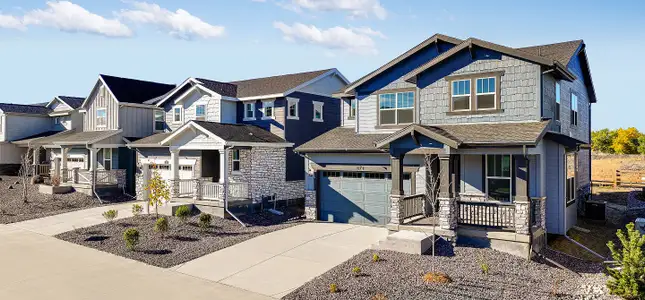


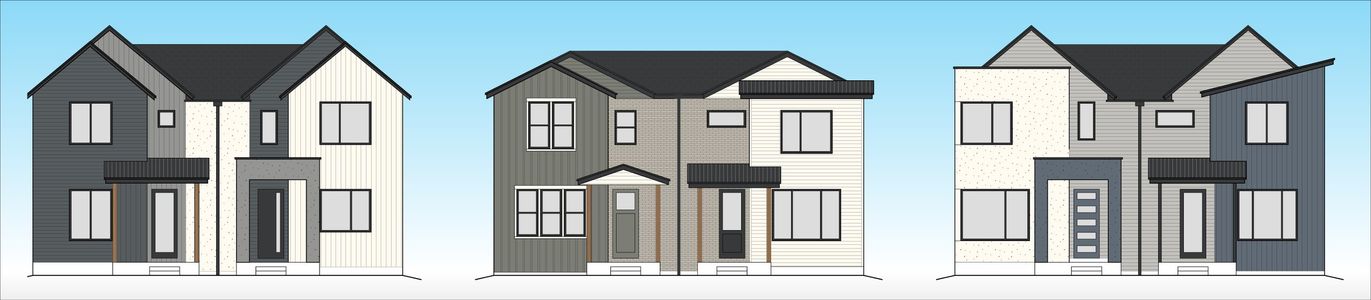
 Images coming soon
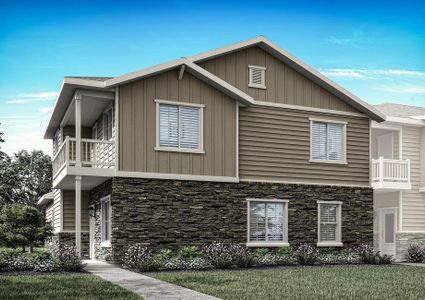
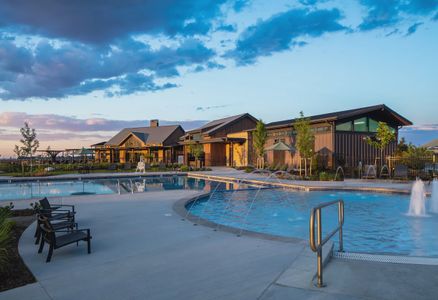
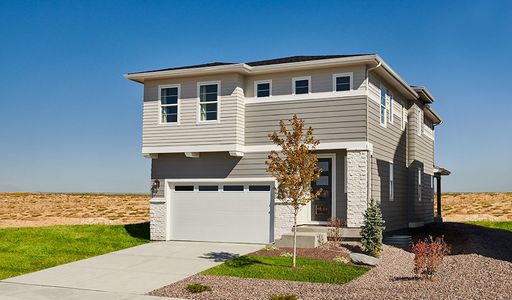
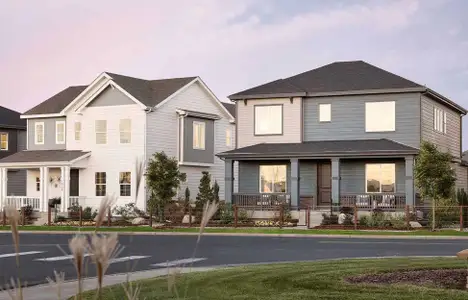
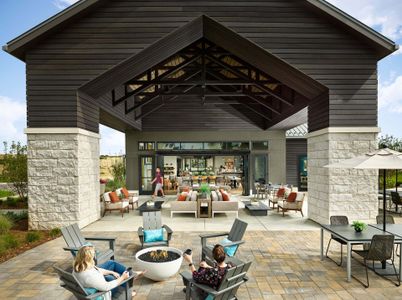
Tanterra
by Richmond American Homes, Parker, CO
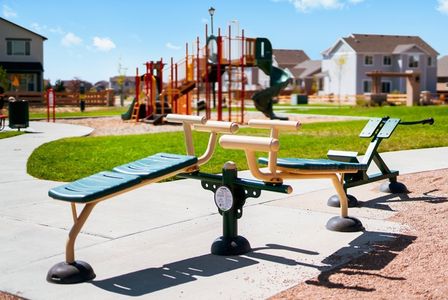
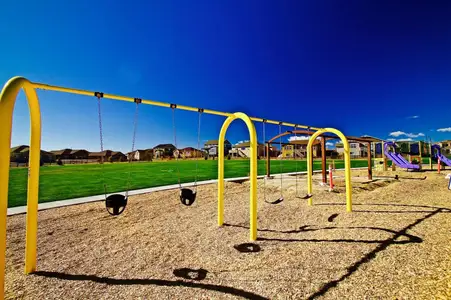
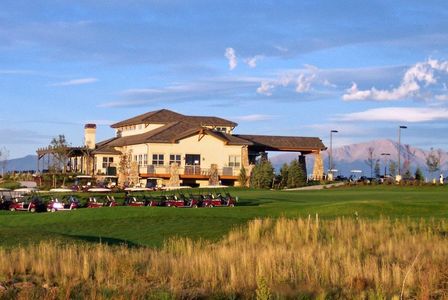
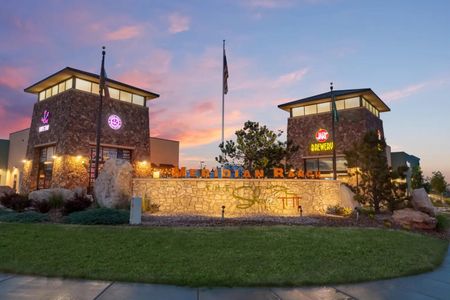
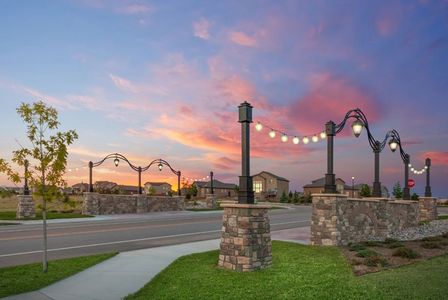
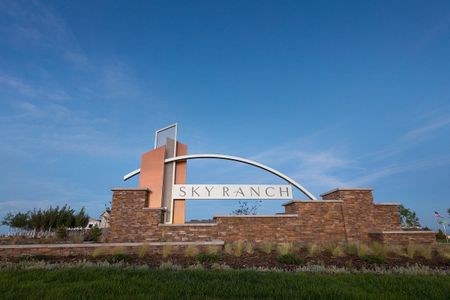
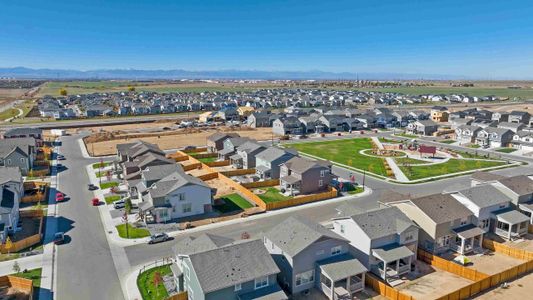
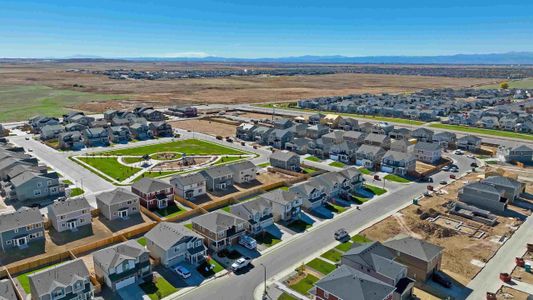
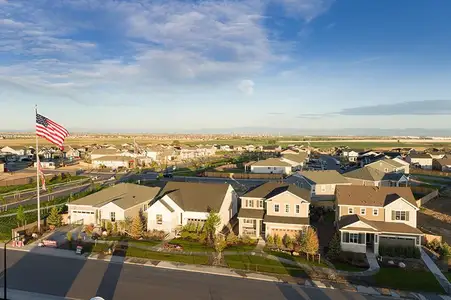
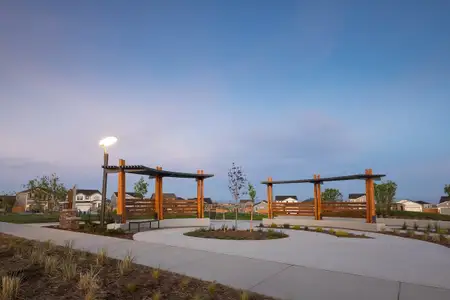
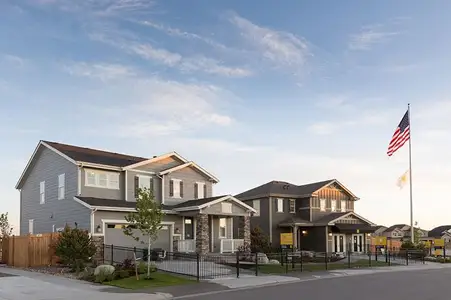
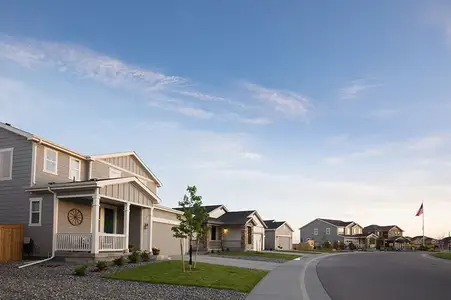
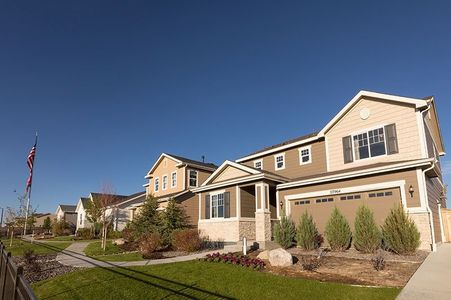
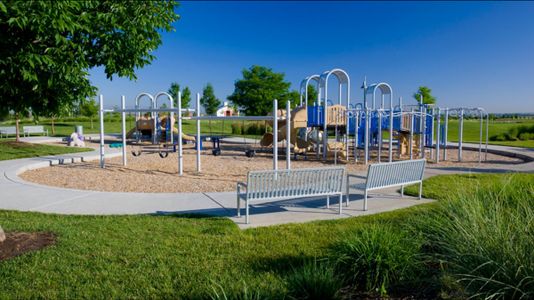
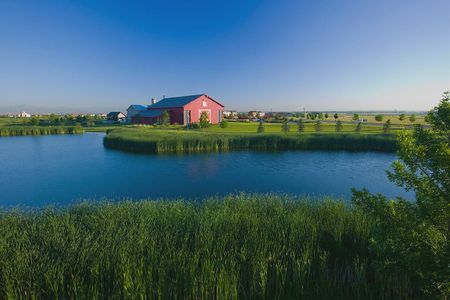
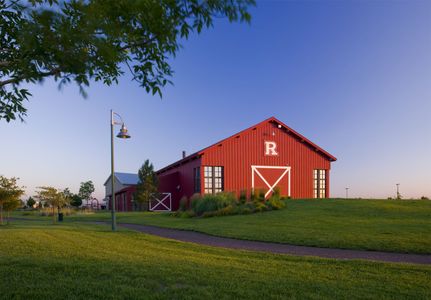
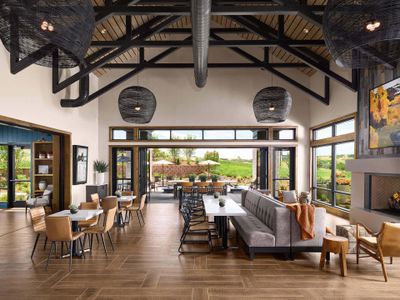
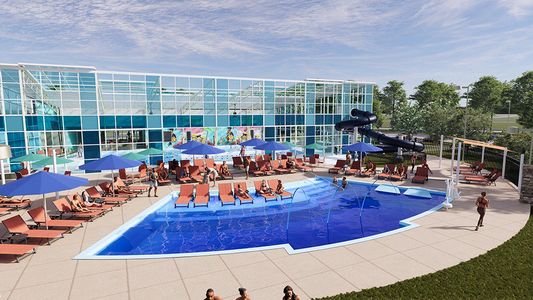
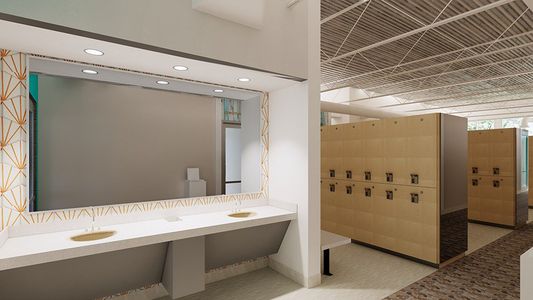
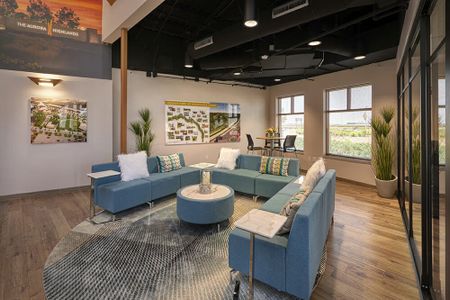
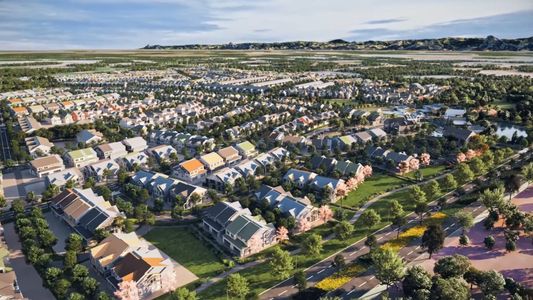
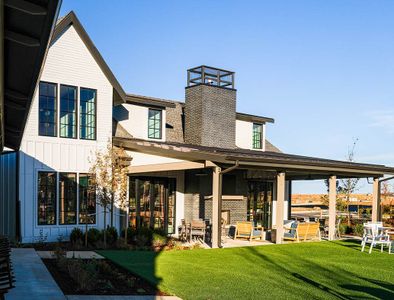
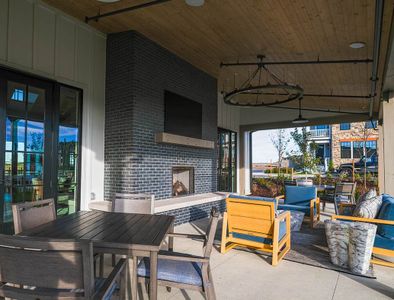
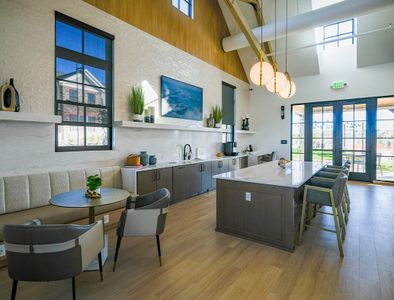
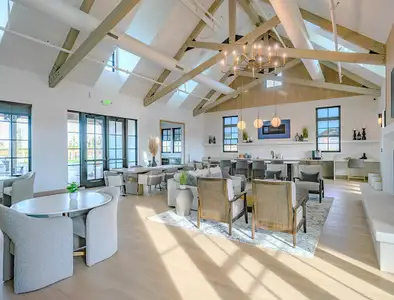
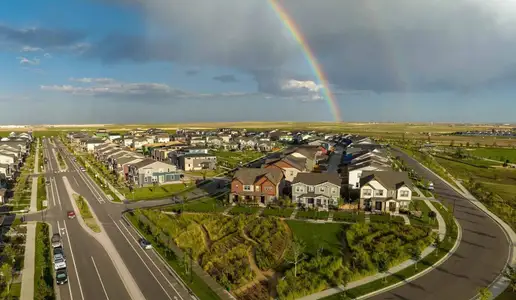
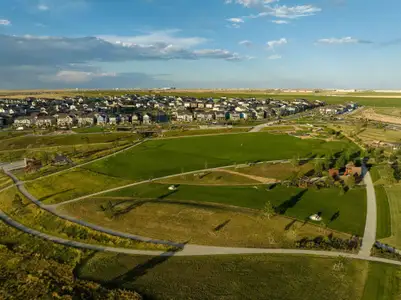
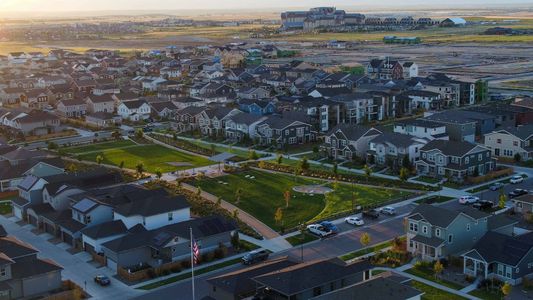
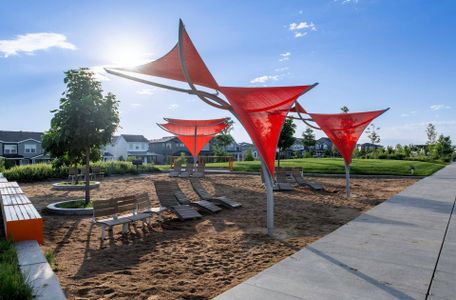
Master planned communities in Colorado





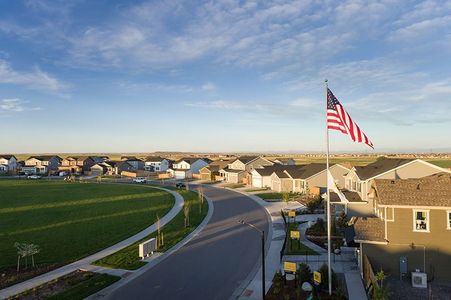
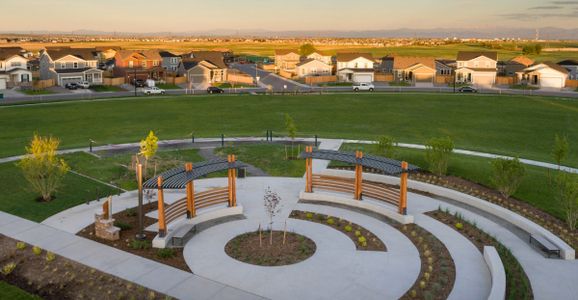
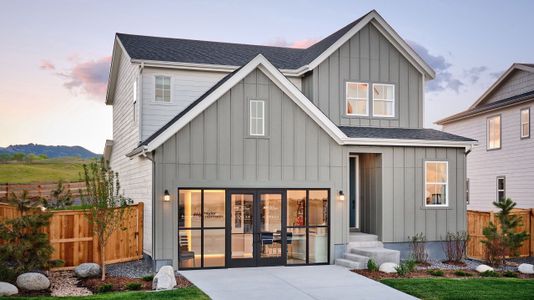
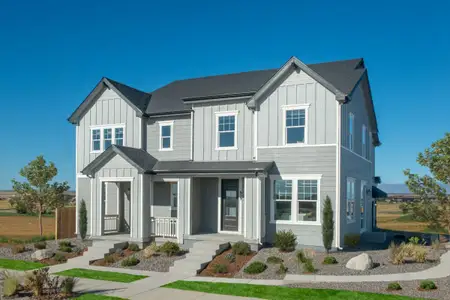
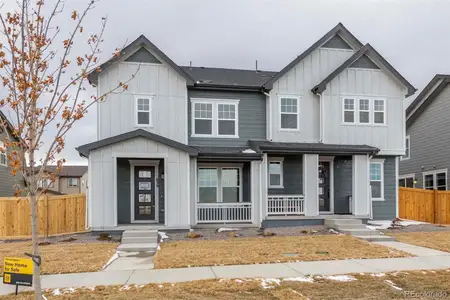
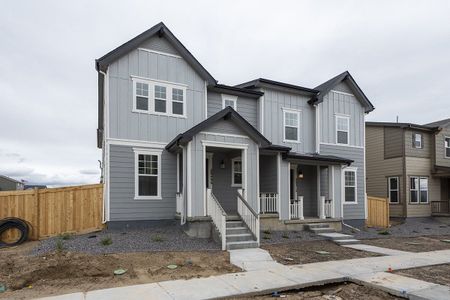
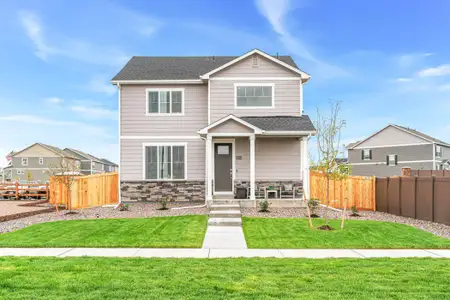
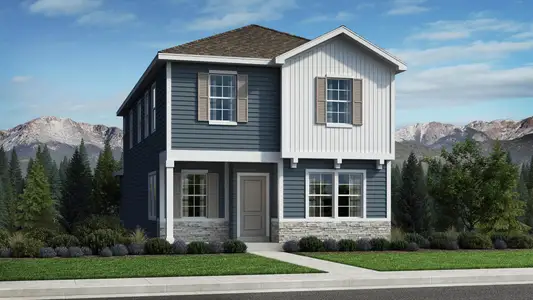
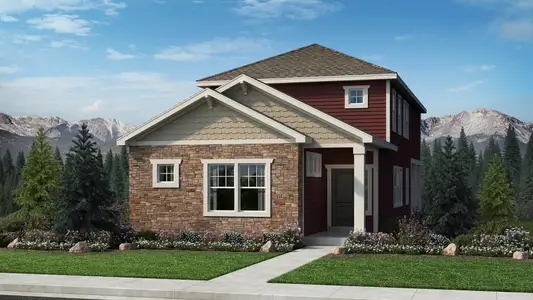
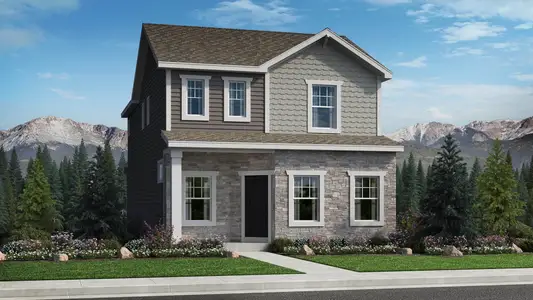


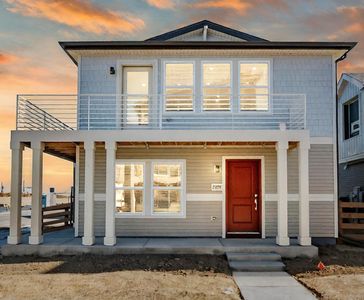
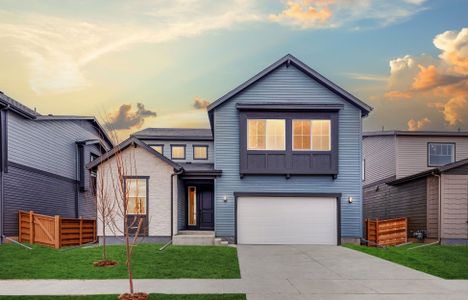
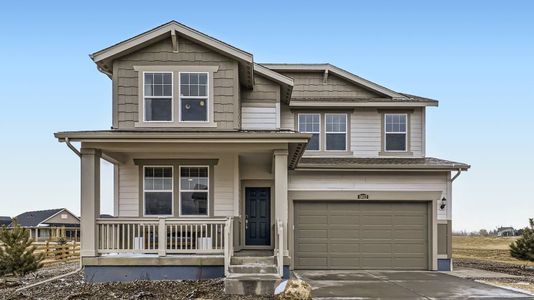
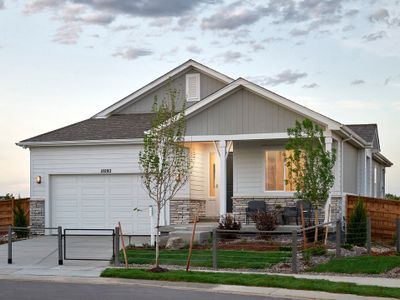
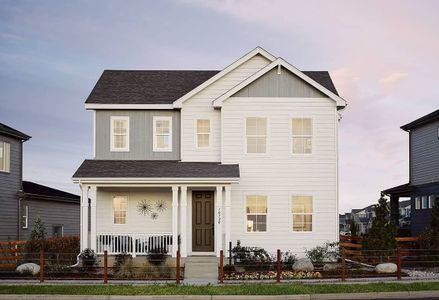
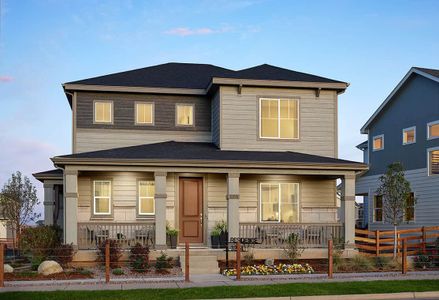
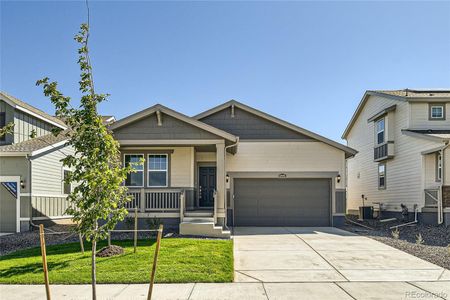
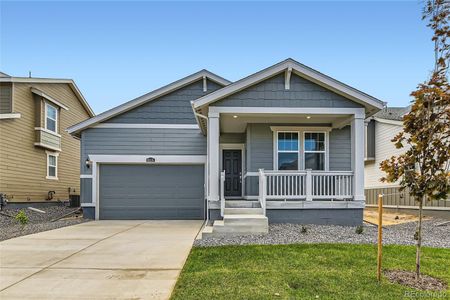

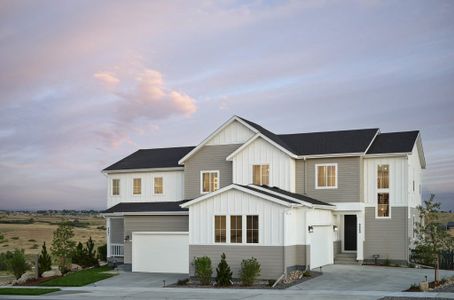
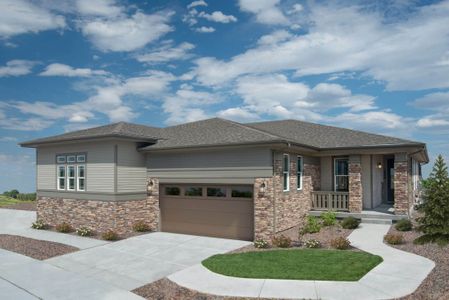
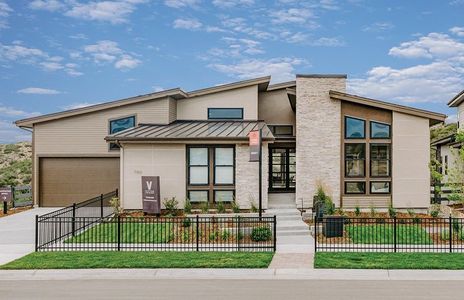
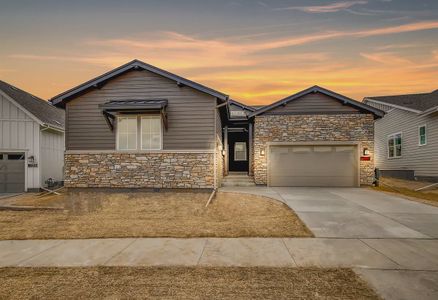
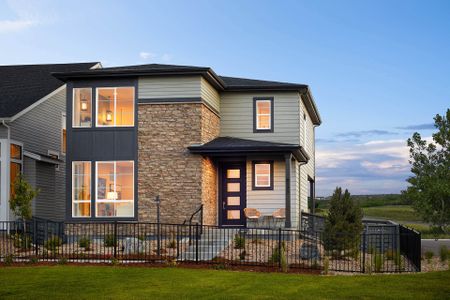
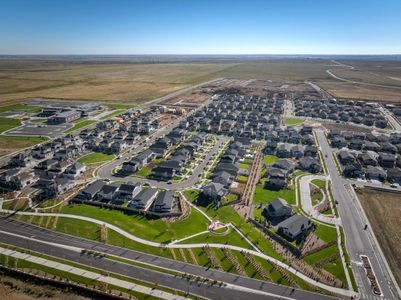
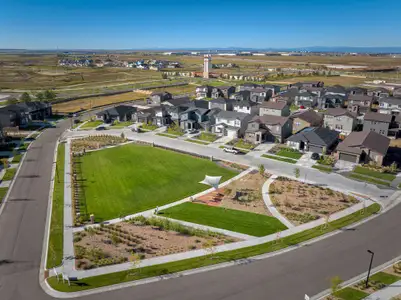
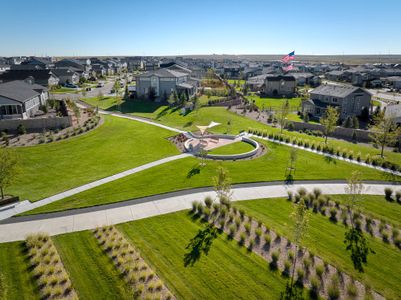
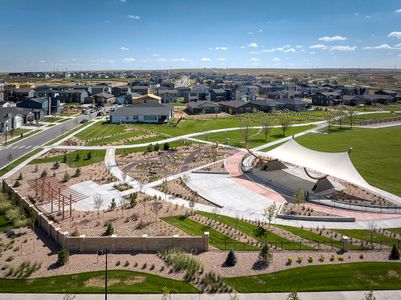
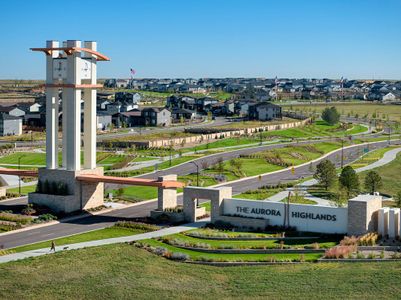
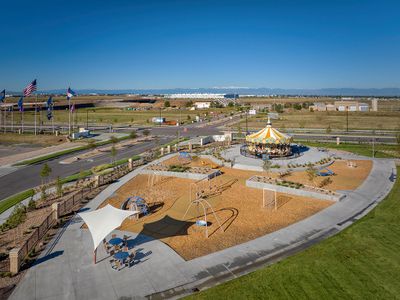



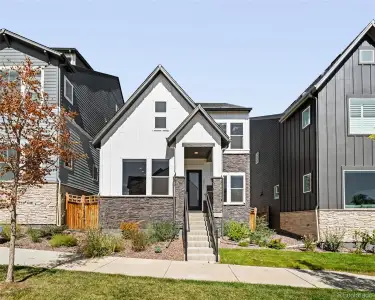
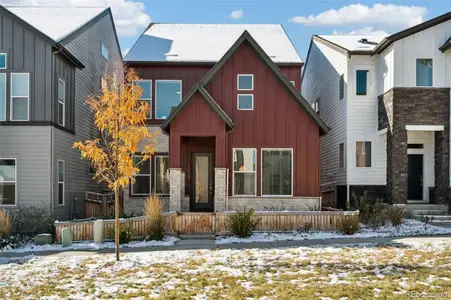
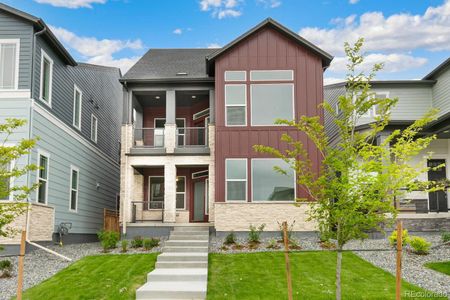
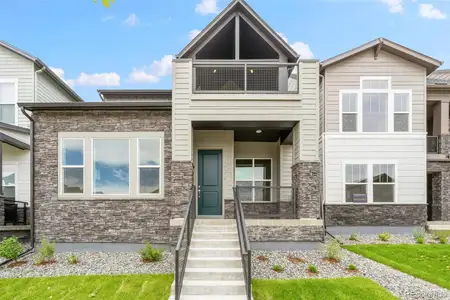
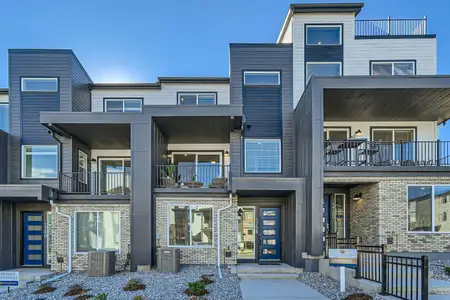
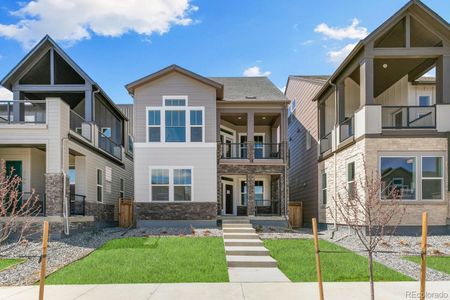
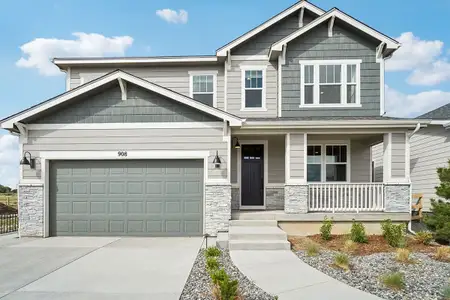
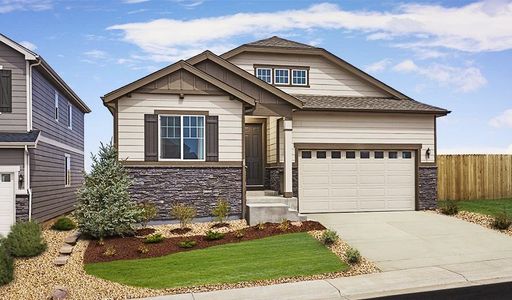
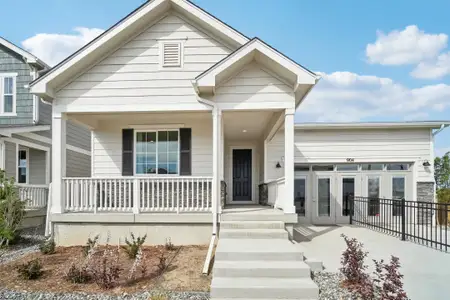
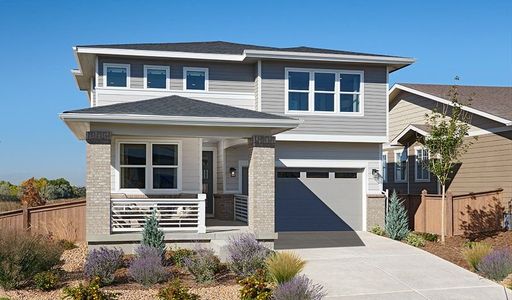
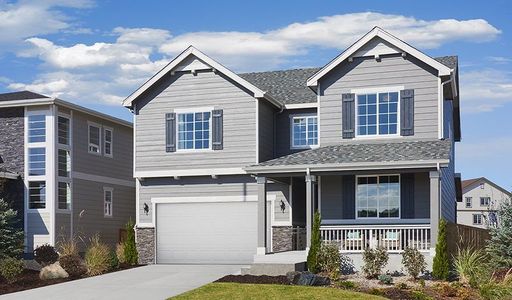
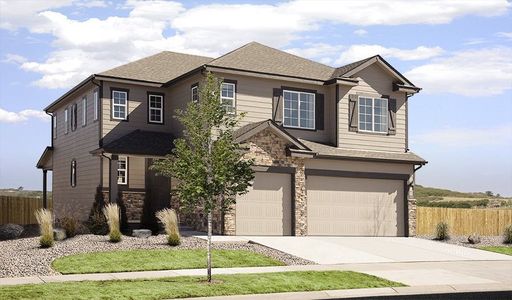
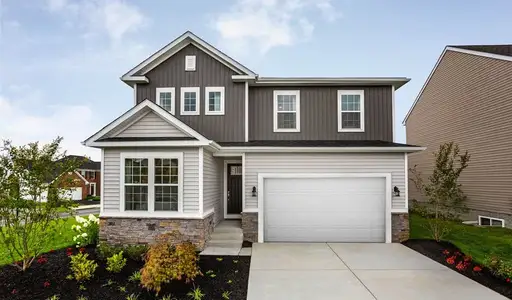
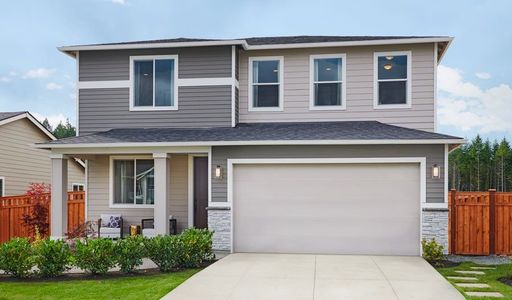
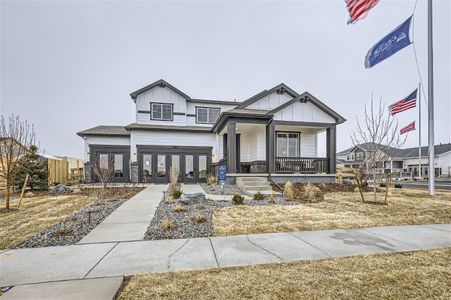



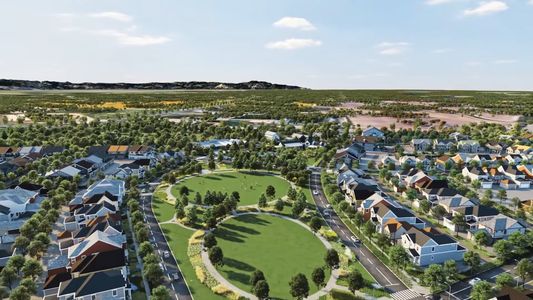
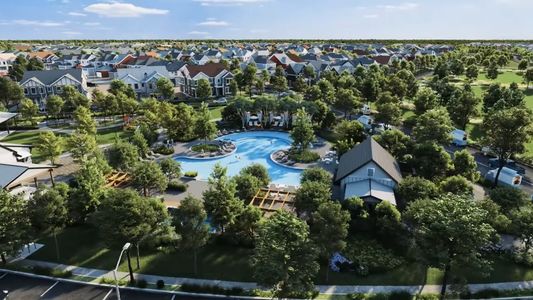



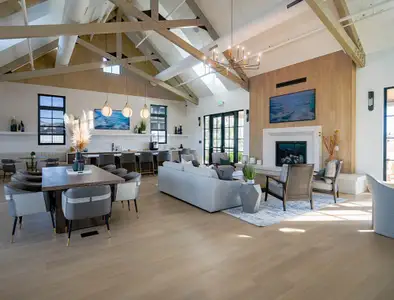
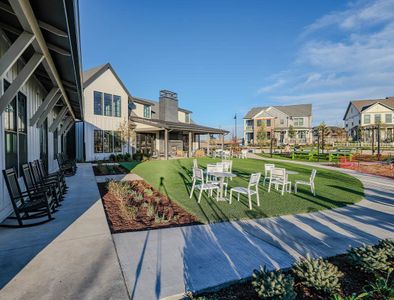
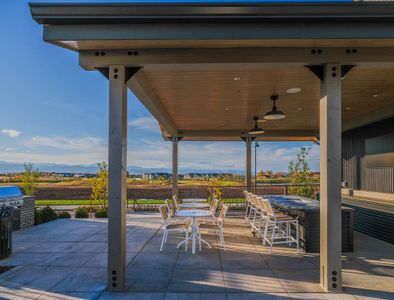
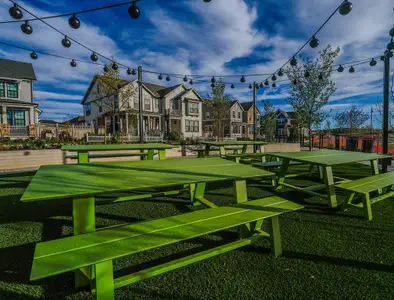
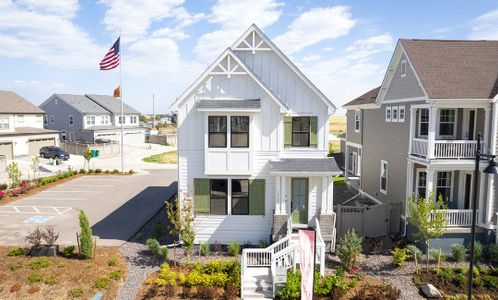
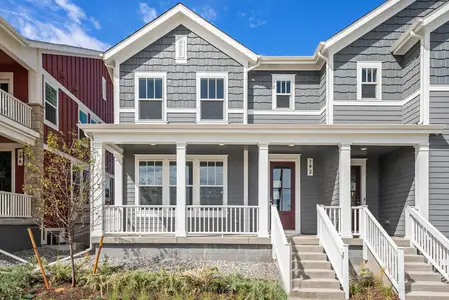
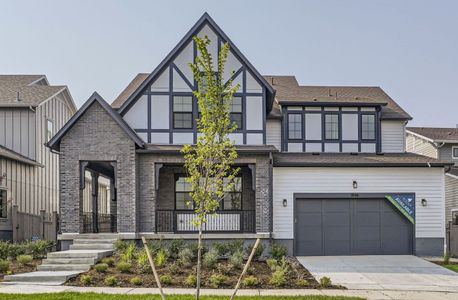
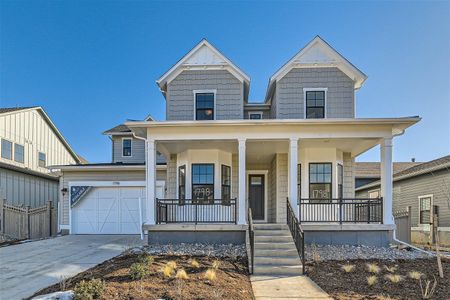
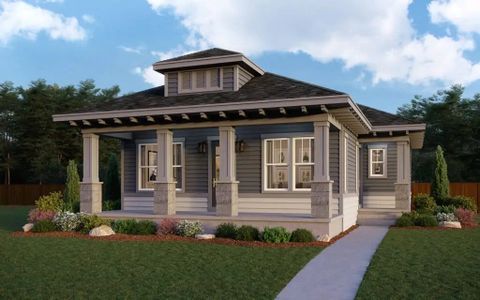
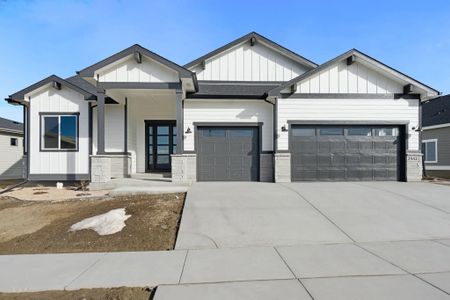
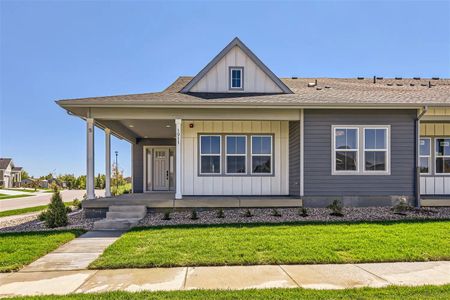
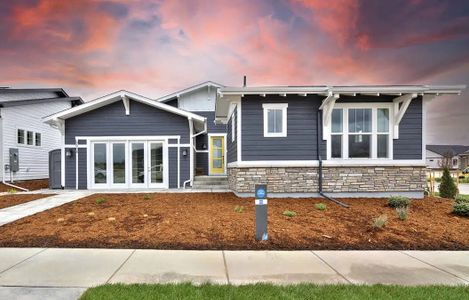
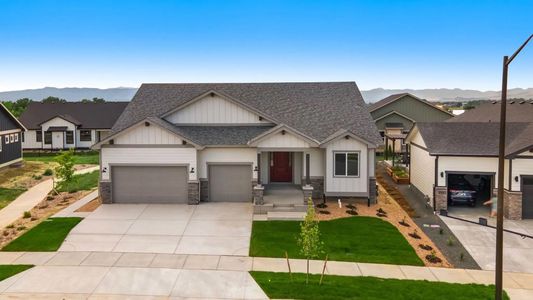
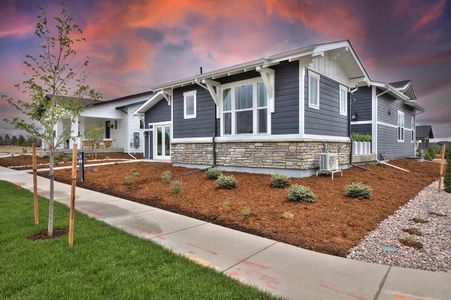
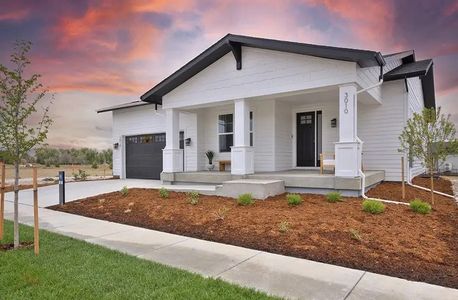
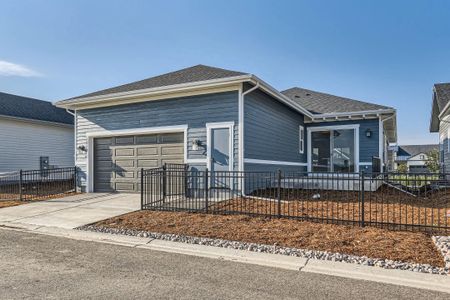




Real estate in Colorado
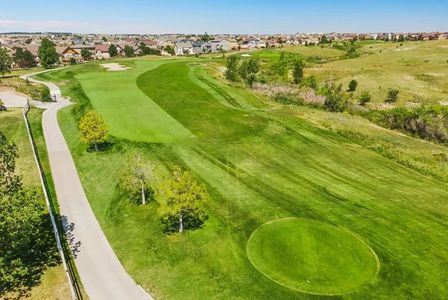
Colorado's real estate market is heating up, with the current median home price standing at $575,000, marking a 2.2% growth from last year. Potential homeowners have many options, ranging from single-family homes and condos to townhomes, apartments, mobile homes, and farms. The Colorado Housing and Finance Authority (CHFA) is stepping in to make homeownership more accessible through programs like: Down Payment Assistance Grant: Offering up to 3% of the home's buying price or a maximum of $25,000. Mortgage Credit Certificate (MCC): A tax credit that can be applied to federal income taxes, accounting for up to 20% of mortgage interest paid, with an annual limit of $2,000. Homebuyer Tax Credit: Tailored for first-time buyers, this tax credit can provide up to $8,000, contingent on specific income and purchase price guidelines.
Newly released communities
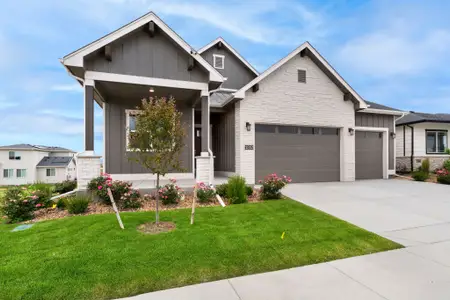

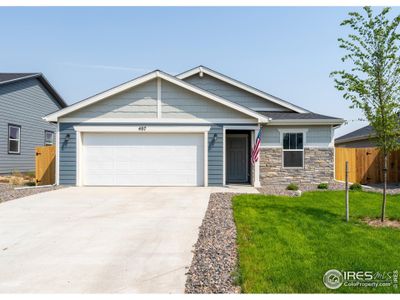
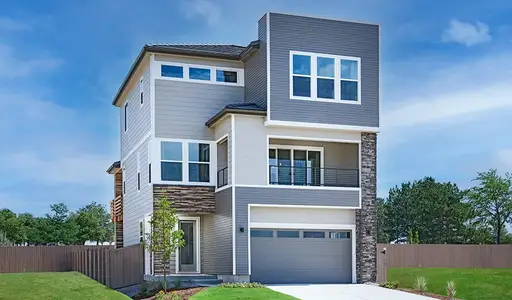



Recently listed homes

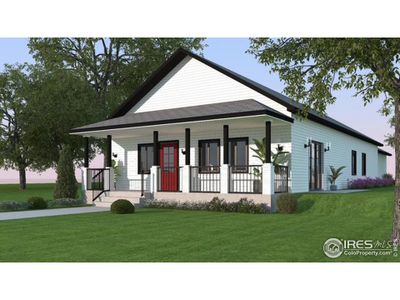
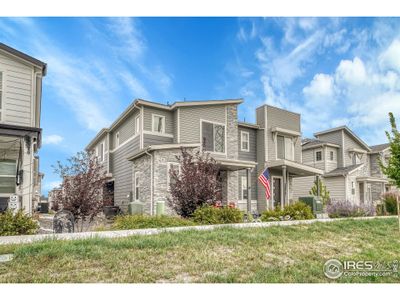
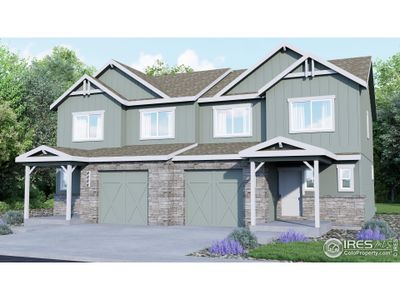
Recently published floor plans
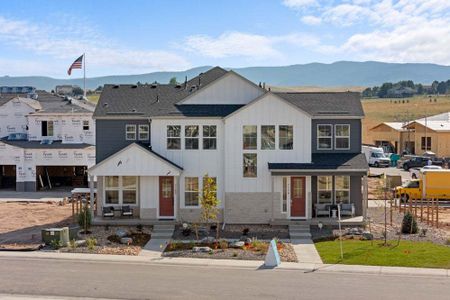
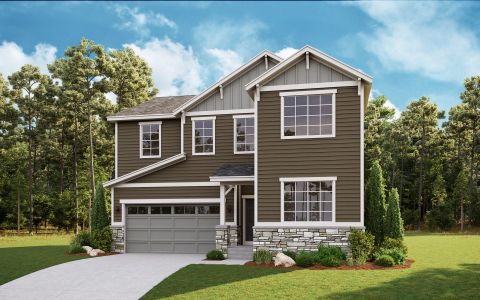
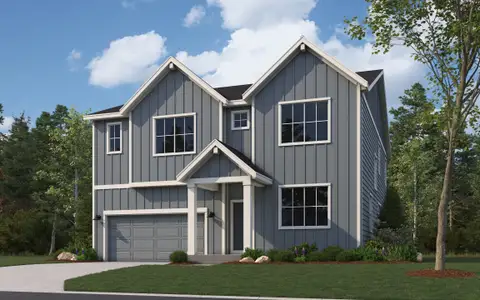
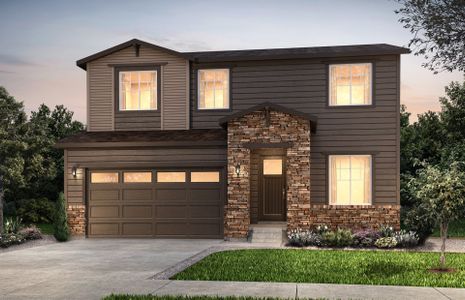
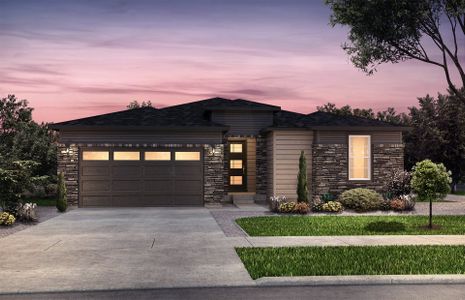
The most popular new construction builders in Colorado










Want to learn more about new construction?


Frequently asked questions
What is the current median sale price for a property in Colorado?
As of December 2025, the property market in Colorado, showcases a median sale price of $664,990. This market analysis includes a portfolio of 5435 newly built homes, each crafted by one of the 99 innovative developers in the area, highlighting a diverse range of residential options.
Who are the major developers of new construction homes in Colorado?
Colorado's real estate market offers many new construction options, with Richmond American Homes, Lennar, D.R. Horton, Taylor Morrison and Century Communities as the main developers. These builders create communities suited to modern living.