
New construction in Arizona: prices, trends, guides & homes as of December 2025
About Arizona
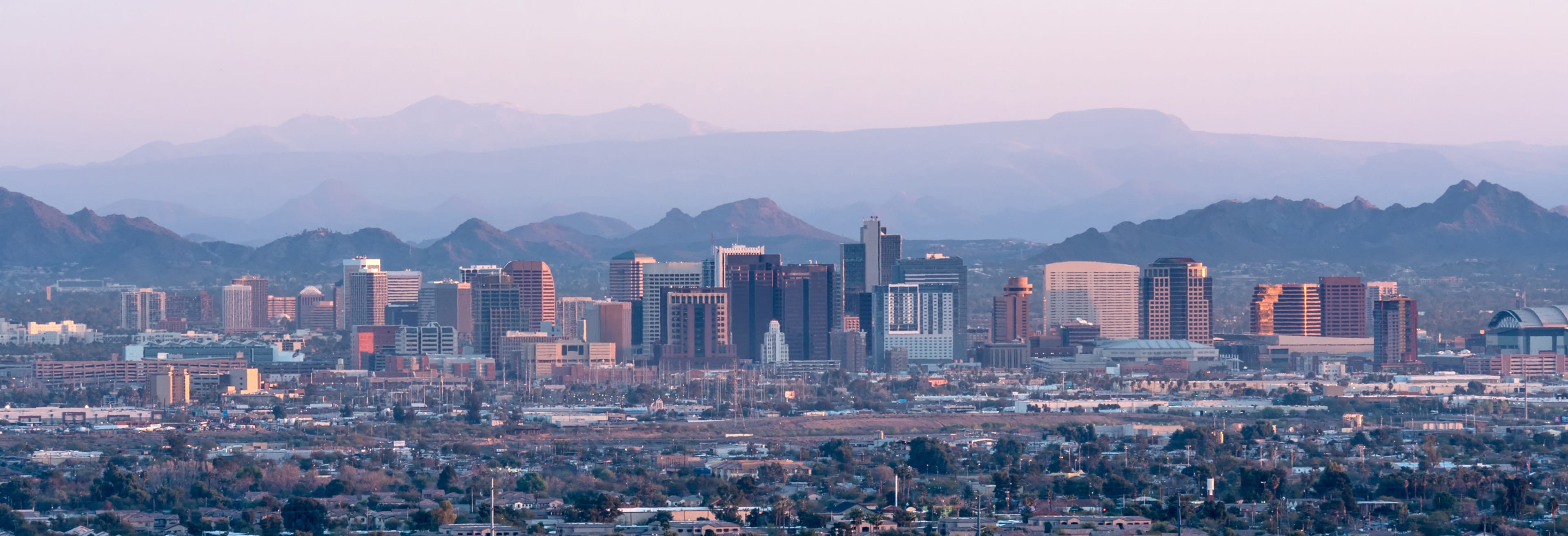
Arizona is a beautiful state located in the southwestern region of the United States. It is home to the breathtaking Grand Canyon, panoramic desert landscapes, and a variety of outdoor activities. The air in Arizona is substantially cleaner, with lower levels of pollution than in most other areas of the United States, making it a great place to live for those with lung, joint, or other chronic health conditions. Additionally, the arid climate means less mold and allergens. Arizona has a lot to offer in terms of quality of life. The state has a thriving job market, affordable cost of living, and a variety of housing options. The weather is mild and sunny, with winter highs typically getting into the 70s and snow seen only on the higher mountains in the northern part of the state. The state also has a variety of beautiful landscapes that make you feel like you're living in a painting. According to SafeWise, San Luis, Oro Valley, and Sahuarita are among the top 10 safest cities in Arizona. Arizona is also home to some of the nation's most populous and safest cities, such as Chandler, Gilbert, and Surprise. Overall, Arizona is a great place to live for those who love warm weather, breathtaking desert landscapes, and a variety of outdoor activities.
How are new home prices changing in Arizona?
Home price data reflects current listings in Arizona, sourced from Jome and updated regularly
*Based on Jome markets

Chat with Arizona Expert
Get a free, no-pressure consultation with our top Arizona new-construction expert. They know every major builder, the best deals and incentives, and exactly what's happening in the local new-construction market.
Arizona market overview
- Overall inventory8,192
- Single-family inventory7,923
- Townhouse inventory98
- Condo inventory123
- Multi-family inventory1
- Penthouse inventory0
- 1 bed inventory25
- 2 beds inventory550
- 3 beds inventory3,413
- 4+ beds inventory4,198
- Median home price$500,806
- Median sqft price$244.76
- Median 1 bed price$700,000
- Median 2 beds price$490,000
- Median 3 beds price$444,162.5
- Median 4+ beds price$536,500
- Min listing price$165,000
- Max listing price$50,000,000
- Min community price$184,990
- Max community price$22,500,000
Arizona median price change
| Month | Median price | Change |
|---|---|---|
| December 2025 | $499,992.5 | - |
Arizona real estate markets
What it's like to live in Arizona?
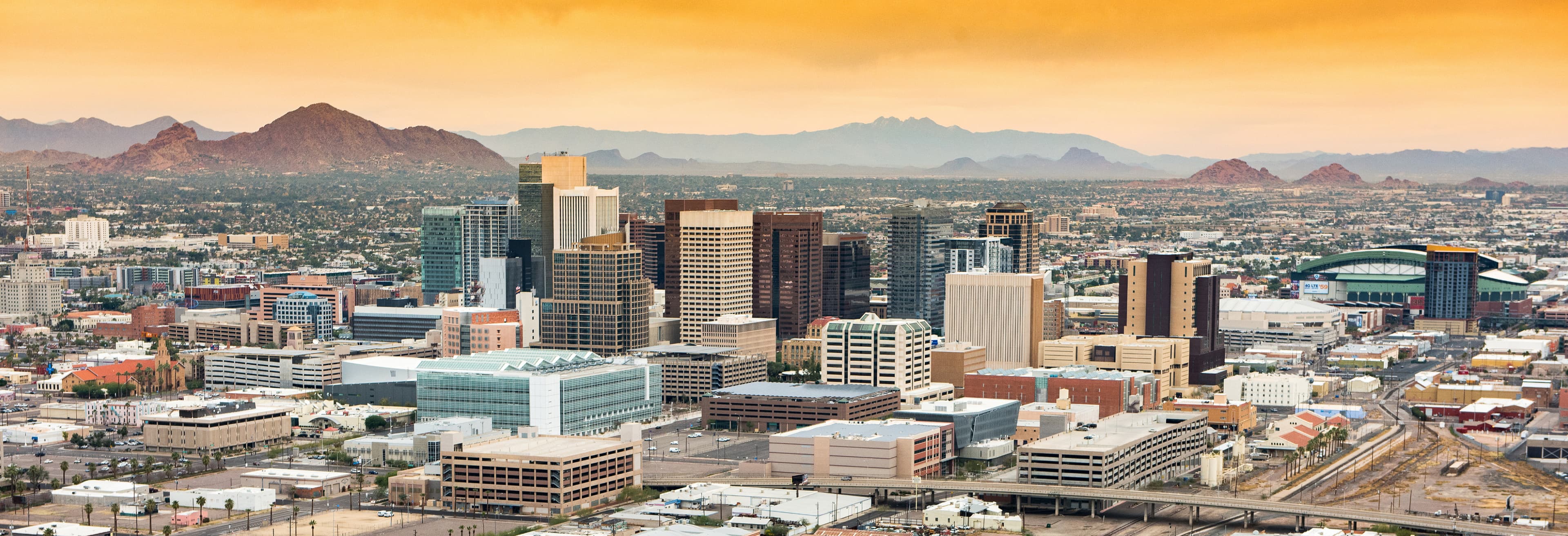
Arizona operates as three distinct climate zones contained within one state boundary. The Phoenix metro dominates population and economic activity, sprawling across the Valley of the Sun with summer temperatures regularly exceeding 110 degrees. Tucson anchors Southern Arizona with similar heat but somewhat higher elevation and a more university-centered economy. Flagstaff and the high country provide genuine four-season mountain living at 7,000 feet elevation with winter snow and pine forests that surprise visitors expecting universal desert. The common thread is Arizona's zero state income tax, business-friendly environment, and sustained population growth driven by retirees, semiconductor manufacturing, aerospace operations, and Californians seeking lower costs and less regulation. The reality of living here involves trade-offs around extreme heat, water supply concerns, and a political culture that differs dramatically from coastal states, though millions have decided these trade-offs favor Arizona over alternatives.
Why Arizona continues drawing sustained migration despite the heat
The financial case starts with taxes. Arizona collects no state income tax, putting more money in your pocket compared to most states. For a household earning $135,000 annually, that translates to $5,500 to $9,800 in annual savings versus states like California, Oregon, or Minnesota. Over a decade of residency, that's $55,000 to $98,000 in retained income that can fund home equity, retirement accounts, or children's education expenses. Property taxes remain moderate, with effective rates typically between 0.50% and 0.75% of assessed value, well below Texas, Illinois, or New Jersey. The combined tax advantage becomes particularly significant for retirees living on fixed incomes, as Social Security, pensions, and investment distributions all avoid state taxation.
The semiconductor industry has made Arizona a manufacturing powerhouse rivaling any location globally. Intel's massive Ocotillo Campus in Chandler operates multiple fabrication facilities producing advanced chips, with the company investing billions in additional capacity that will employ thousands more engineers and technicians over the coming decade. TSMC is constructing major facilities bringing leading-edge chip production to Arizona. These operations create direct employment plus an extensive supplier ecosystem of specialty chemical companies, equipment manufacturers, and engineering firms supporting semiconductor production. The work pays exceptionally well, with experienced process engineers earning $120,000 to $180,000 plus substantial bonuses, creating housing demand that sustains Phoenix's northern and eastern suburbs.
Aerospace operations provide another high-wage employment pillar. Honeywell Aerospace's Phoenix headquarters conducts major R&D work on aircraft engines and avionics systems, employing engineers and technical staff working on next-generation aviation technology. Multiple defense contractors maintain significant Arizona operations. Luke Air Force Base in Glendale serves as a major fighter pilot training installation, employing thousands of active-duty Air Force personnel plus civilian contractors and support staff. These aerospace operations create stable, well-compensated employment less susceptible to economic downturns than consumer-focused industries.
The retirement and seasonal resident population provides economic stability through sustained housing demand and service sector employment. Retirees from cold-weather states purchase homes outright using proceeds from selling properties in higher-cost markets, creating cash buyer demand that supports pricing even during economic slowdowns. Snowbirds maintain second homes, spending winters in Arizona and summers elsewhere, creating a dual market for both permanent residences and seasonal properties. This demographic drives healthcare sector employment, as hospitals and medical facilities serve an aging population requiring more services than younger demographics.
The cost of living remains competitive despite recent appreciation. Phoenix's median home prices have risen substantially but still land below California, Washington, or Northeast alternatives. Tucson provides even better value, with quality new construction from $310,000 to $450,000 in decent locations. The Valley's sprawling geography allows builders to continue developing at the urban fringe where land costs remain manageable, though this creates communities 40-plus miles from downtown Phoenix where extreme commutes become the trade-off for affordability.
The climate defines daily life in ways that moderate-weather states can't replicate. Summer heat from June through September regularly exceeds 110 degrees, with overnight lows sometimes staying above 90 degrees during peak heat waves. Outdoor activities shift to early morning or evening hours during these months, as midday exposure becomes genuinely dangerous. Winter provides spectacular weather with daytime temperatures in the 60s and 70s, clear skies, and comfortable conditions that justify enduring summer extremes for many residents. Monsoon season from July through September brings dramatic thunderstorms with heavy rain, dust storms, and occasional flash flooding that newcomers find surprising in a desert environment.
Understanding Arizona's markets by buyer type
Arizona's unique combination of extreme climate, semiconductor manufacturing, retirement appeal, and California exodus creates buyer profiles distinct from other southwestern markets, with new construction concentrating in areas serving these specific demographics.
For Semiconductor and Advanced Manufacturing Professionals: Intel's Chandler campus and expanding operations throughout the Valley dominate this segment, attracting process engineers, electrical engineers, equipment technicians, and manufacturing specialists from across the country and internationally. TSMC's Arizona expansion brings additional workers, many relocating from Taiwan or other international locations. These professionals earn substantial salaries, typically $100,000 to $200,000 for experienced engineers, creating demand for quality housing within reasonable commutes to fabrication facilities that operate 24/7. New construction in Chandler, Gilbert, Queen Creek, and Mesa serves this demographic, with price points ranging from $420,000 to $750,000 for properties balancing commute times with space and school quality. Semiconductor work involves shift schedules and on-call rotations, making short commutes valuable when 2 AM emergency calls require rapid facility arrival. These buyers seek modern floor plans with home offices for technical documentation work, strong internet infrastructure for remote collaboration with other Intel sites globally, and neighborhoods with other technical professionals who understand irregular work schedules. Many relocate from California's Silicon Valley or other tech hubs, finding Arizona's prices accessible despite local complaints about appreciation.
For Aerospace Engineers and Defense Contractors: Honeywell Aerospace's Phoenix headquarters and surrounding defense contractor operations create demand from aeronautical engineers, avionics specialists, program managers, and technical staff working on classified and commercial aviation projects. Luke Air Force Base's training mission employs active-duty Air Force personnel, civilian contractors, and aerospace workers supporting F-35 and F-16 operations. These professionals prioritize proximity to specific facilities, with Honeywell workers concentrating in central Phoenix areas and Luke personnel seeking west Valley locations near Glendale, Surprise, and Goodyear. New construction serving this market ranges from $380,000 to $620,000 depending on location and property size. Aerospace work often requires security clearances and involves projects with long timelines providing employment stability that manufacturing sectors sometimes lack. These buyers seek practical floor plans with dedicated office space for technical work, garages accommodating workshop equipment for engineers who maintain hands-on skills, and communities offering reasonable property values that don't require stretching budgets to unsafe levels.
For Retirees Seeking Year-Round Warmth and Tax Advantages: Arizona's zero income tax on retirement distributions makes it exceptionally attractive to retirees compared to states taxing Social Security, pensions, and investment withdrawals. Retirees from Minnesota, Wisconsin, Illinois, and other cold-weather states drive sustained demand, seeking relief from snow shoveling, winter heating costs, and harsh weather that becomes increasingly burdensome with age. This segment splits by budget and lifestyle priorities. Affluent retirees purchase in Scottsdale, Paradise Valley, and north Phoenix communities offering golf course access, resort-style amenities, and luxury finishes, with new construction from $550,000 to $1,500,000-plus. Middle-income retirees target communities in Surprise, Goodyear, Buckeye, and Casa Grande offering active adult living with maintenance-free yards and age-restricted neighborhoods, with prices from $290,000 to $450,000. Budget-conscious retirees consider manufactured home communities and modest properties in areas farther from Phoenix's core. These buyers universally seek single-story layouts eliminating stairs that become problematic with mobility limitations, master-on-main configurations, and communities with lawn maintenance services. Access to quality healthcare matters increasingly with age, making proximity to Mayo Clinic, Banner Health, and other major systems a consideration. Many retirees purchase homes outright using proceeds from selling properties in higher-cost states, becoming cash buyers who close quickly and don't depend on mortgage approval.
For Snowbirds Maintaining Seasonal Residences: Arizona's snowbird population creates unique housing dynamics distinct from year-round residents. These buyers maintain primary residences elsewhere, typically in cold-weather states, and spend November through March in Arizona before returning north for summer. Snowbirds concentrate in specific communities designed for seasonal living, with services and amenities operating at full capacity during winter months and scaling back during summer. New construction serving this market includes both traditional single-family homes and condos in age-restricted communities, with prices from $280,000 to $600,000 depending on location and finish level. These buyers often prefer turnkey properties requiring minimal maintenance during their absence, with HOAs handling landscaping and exterior upkeep. Some snowbirds eventually transition to full-time Arizona residence upon deeper retirement, making resale potential an important consideration. The seasonal nature creates interesting market dynamics, with buying activity concentrated in spring and fall as snowbirds prepare for seasonal transitions.
For Remote Workers Escaping California's Costs and Regulations: Arizona has captured massive inbound migration from California remote workers seeking lower costs, less regulation, and more political alignment with their values. Tech workers, digital marketers, financial analysts, and various white-collar professionals who can work from anywhere have made Arizona a primary destination. These buyers need reliable internet infrastructure, dedicated home office spaces with doors separating work from living areas, and proximity to Phoenix Sky Harbor International Airport for occasional work travel. Scottsdale attracts remote workers seeking urban energy and restaurant culture despite higher costs. Gilbert and Chandler appeal to families seeking strong schools and master-planned communities. Surprise and Goodyear serve budget-conscious remote workers accepting west Valley locations for better housing value. These buyers show enormous price variation from $360,000 to $700,000-plus depending on their compensation levels and whether they're selling California properties to fund Arizona purchases. Many maintain the housing budget expectations from their departure markets, supporting Arizona's appreciation even as locals struggle with affordability. Remote workers often research Arizona-specific employment laws, as the state's at-will employment doctrine and business-friendly regulations differ from California's extensive worker protections.
For Growing Families Prioritizing Space and Schools: School district quality drives decisions for families with children throughout metro Phoenix. Chandler Unified School District consistently ranks among Arizona's top performers, creating concentrated demand and price premiums. Gilbert Public Schools maintains strong reputations. Specific schools within Scottsdale Unified perform well despite broader district variation. Paradise Valley Unified serves affluent north Phoenix areas. Cave Creek Unified offers quality in northeast suburbs. New construction communities have positioned strategically within these districts where land availability permits, though competition for properties in top zones remains intense. These families prioritize location and school attendance boundaries over square footage, sometimes accepting 2,800 square foot homes in prime districts over 3,500 square foot alternatives in weaker zones. Price points range from $450,000 in decent Chandler zones to $650,000-plus in premium Scottsdale areas where top elementary schools command maximum premiums. Arizona's school choice and charter school system provides alternatives to traditional district schools, with many families researching specific charter school locations and proximity when evaluating neighborhoods.
For First-Time Buyers and Value Seekers in Outer Suburbs: Phoenix's rapid appreciation has pushed first-time buyers to far suburbs where commutes stretch beyond 45 minutes but prices remain accessible. Buckeye west of Phoenix, Queen Creek in the southeast Valley, and Casa Grande south toward Tucson offer new construction from $290,000 to $360,000 for basic single-family homes. These buyers maximize square footage over location, often purchasing 2,200 to 2,800 square foot homes that would cost $150,000 more in Gilbert or Chandler. Commutes during Phoenix's brutal summer heat in vehicles without covered parking become a genuine quality of life consideration, with 90-minute daily round trips in 115-degree weather testing commitment. However, buyers accept these trade-offs for ownership over renting, and many work early or late shifts at semiconductor facilities or distribution centers where commute timing avoids worst traffic. Some first-time buyers are relocating from even higher-cost markets like California, making distant Phoenix suburbs feel accessible compared to alternative possibilities in their departure states.
For Investors and Short-Term Rental Operators: Arizona's tourism economy and seasonal resident patterns create investment property demand, particularly in areas near Scottsdale's entertainment districts, Tempe's Arizona State University campus, and communities with resort amenities. Investors purchase condos and townhomes specifically for short-term rental income through platforms like Airbnb and VRBO, though many HOAs have implemented restrictions limiting or prohibiting short-term rentals in response to complaints from permanent residents. Scottsdale allows short-term rentals with proper licensing, creating opportunities for investors willing to navigate regulatory requirements. Properties near spring training facilities attract seasonal renters during baseball's Cactus League season. Investment purchases range from $260,000 for modest Tempe condos near ASU to $500,000-plus for properties in resort-adjacent Scottsdale locations. Cash purchases remain common in this segment, as rental income projections don't always support conventional financing underwriting, and many investors use proceeds from California property sales to purchase Arizona investments outright.
The real costs beyond your principal and interest payment
Your actual monthly housing expense in Arizona extends beyond the mortgage payment, with the desert climate and state's cost structure creating specific expenses that require careful evaluation before committing to purchase.
Property taxes represent Arizona's most significant cost advantage over many competing states. The average effective rate statewide runs approximately 0.50% to 0.75% of assessed value, well below national averages and dramatically lower than Texas, Illinois, or New Jersey. However, Arizona's system uses limited property value for tax purposes, capping assessed value increases at 5% annually for existing homeowners. New buyers pay taxes based on full purchase price, creating higher initial tax bills than established neighbors with capped assessments on the same properties. Maricopa County, encompassing Phoenix and surrounding areas, typically carries effective rates around 0.60% to 0.70%. Pinal County rates run similar. On a $450,000 home, expect annual tax bills ranging from roughly $2,700 to $3,375. Senior citizens over 65 with limited incomes may qualify for property tax freezes, providing protection against increases.
Sales tax across the Valley ranges from 5.6% to 11.2%, with the state collecting 5.6% and cities adding their own portions. Some cities including Scottsdale, Tempe, and Phoenix carry higher combined rates exceeding 8%, while others remain closer to 7%. This affects major purchases including vehicles, where a $52,000 truck carries $2,912 to $5,824 in sales tax depending on purchase location. Furniture, appliances, and building materials all include this premium, showing up quickly when furnishing a new home where $32,000 in purchases becomes $33,792 to $35,584 after tax.
Homeowner's insurance costs run moderate compared to hurricane-prone coastal states but include considerations specific to Arizona's climate. Annual premiums typically range from $1,100 to $2,000 for standard single-family homes depending on coverage levels, home value, and specific location. Monsoon season brings risks including roof damage from severe thunderstorms, though these events remain far less frequent than hurricane damage in Florida or hail damage in Texas. Dust storms occasionally cause property damage. New construction earns better rates because modern building codes and materials reduce claim probability compared to older homes. The state hasn't experienced insurance market crisis conditions affecting other regions, meaning coverage remains available from major carriers at stable, competitive rates.
Utility costs deserve particular attention given Arizona's extreme heat. Summer electricity bills represent the single largest variable cost difference versus moderate-climate states. Air conditioning runs continuously from May through September, with peak summer months creating brutal utility expenses. Older homes with outdated HVAC systems, poor insulation, and single-pane windows can see monthly electric bills exceeding $400 to $500 during July and August for 2,800 square foot homes. New construction with modern insulation standards, efficient HVAC systems, radiant barriers in attics, Low-E windows blocking solar heat gain, and proper orientation minimizing afternoon sun exposure typically runs 35% to 45% lower for comparable square footage, though bills still reach $250 to $320 during peak months. Annual cooling costs dwarf heating expenses, as winter requires minimal heating compared to the relentless summer cooling demands. Water costs remain moderate despite drought concerns, with most Valley cities charging reasonable rates, though xeriscape landscaping and efficient fixtures help control expenses.
HOA fees appear nearly universal in Arizona's newer communities, with most single-family developments charging $60 to $180 monthly for basic services including landscaping maintenance, community pool access, and common area upkeep. Master-planned communities with extensive amenities including multiple pools, fitness centers, parks, and maintained trails can reach $200 to $400 monthly. Age-restricted active adult communities often carry higher fees funding enhanced amenities and activities targeting retiree populations, sometimes reaching $250 to $350 monthly for single-family homes. Golf course communities add another premium layer. These represent permanent fixed costs that typically increase 4% to 7% annually as maintenance expenses and water costs rise. HOAs in Arizona wield significant power over property aesthetics, often enforcing strict rules about paint colors, landscaping choices, and exterior modifications that some buyers from less regulated states find surprisingly restrictive.
Water and drought concerns deserve mention despite not directly affecting most homeowners' monthly costs currently. Arizona's long-term water supply relies on Colorado River allocations, groundwater pumping, and Central Arizona Project deliveries, all facing pressure from prolonged drought and population growth. Most Valley municipalities have secure water supplies for existing development, and new construction requires proof of adequate 100-year water supply before permitting approval. However, some outer areas including parts of Pinal County face future restrictions. New buyers should verify water supply sources and adequacy for properties in areas beyond established municipal boundaries, as wells and private water companies sometimes serve developments in these zones.
Housing costs vary significantly by location within metro Phoenix. Scottsdale and Paradise Valley command premium prices. Gilbert, Chandler, and north Phoenix offer middle-ground pricing with quality neighborhoods. West Valley cities including Surprise, Goodyear, and Buckeye provide the best affordability. Outer areas like Queen Creek and Casa Grande stretch budgets furthest but with corresponding commute trade-offs.
What new construction delivers in extreme desert conditions
Choosing new construction in Arizona provides advantages specifically relevant to the state's climate extremes, water conservation requirements, and the practical realities of living in temperatures exceeding 110 degrees for extended periods.
- Desert-Climate Engineering That Older Homes Lack: Arizona building codes and construction practices have evolved to address extreme heat challenges that moderate-climate standards don't consider. New construction includes radiant barriers in attics reflecting heat before it enters living spaces, a feature older homes built before the 1990s typically lack. HVAC systems are sized specifically for Arizona's cooling loads, which differ dramatically from heating-focused systems in northern states or balanced systems in moderate climates. Many builders now include dual-zone or multi-zone HVAC allowing different temperature settings for different areas, addressing the reality that two-story homes in Arizona often experience dramatic temperature differences between floors. Insulation standards have increased substantially, with modern homes including higher R-values in attics and walls than older construction. Low-E windows with solar heat gain coefficients specifically selected for Arizona's intense sun exposure block heat transfer that older single-pane or even older dual-pane windows allow. Home orientation on lots increasingly considers solar exposure, with builders positioning homes to minimize afternoon sun hitting primary living spaces and maximizing north-south exposure over east-west.
- Water Conservation Features Meeting Current Requirements: Arizona's water concerns have driven regulatory requirements and market expectations around conservation features. New construction includes low-flow fixtures throughout, dual-flush toilets, and efficient irrigation systems where landscaping requires water. Many communities now require desert-adapted landscaping in front yards, limiting water-intensive grass and plants not suited to arid conditions. Drip irrigation systems target water directly to plant roots rather than broadcast spraying that loses water to evaporation. Some builders offer greywater systems as upgrades, allowing shower and washing machine water to irrigate landscaping rather than entering sewer systems. Synthetic turf has become increasingly common in backyards, providing green space aesthetics without the water consumption and maintenance that natural grass demands in desert heat. These features not only reduce environmental impact but also lower monthly water bills and yard maintenance time.
- Energy Efficiency That Compounds in Extreme Climate: Arizona's extended cooling season makes energy efficiency more valuable than in moderate climates. The difference between a new home's utility costs and an older home's expenses becomes dramatic when air conditioning runs eight to nine months annually. Modern construction with sealed ductwork prevents cooled air from escaping into attics before reaching living spaces, a problem that plagues older homes and wastes thousands of dollars annually. Programmable thermostats now come standard, allowing temperature adjustments during work hours when homes sit empty. Ceiling fans throughout create air movement reducing perceived temperature and allowing slightly higher thermostat settings. Some builders include solar panel systems or at minimum provide solar-ready infrastructure including conduit runs and electrical panel capacity, making future installation straightforward. In Arizona's intense sun, solar panels generate substantial electricity, sometimes covering entire summer cooling costs and creating negative electric bills when production exceeds consumption.
- Outdoor Living Spaces Designed for Desert Life: Arizona's lifestyle centers on outdoor living during comfortable months, with new construction reflecting this reality. Covered patios with ceiling fans, electrical outlets, and sometimes outdoor kitchens appear standard in most floor plans above 2,200 square feet rather than as luxury upgrades. These spaces provide genuinely usable areas from October through April when weather encourages outdoor living. Extended patio depths create shade penetration into adjacent interior rooms, reducing cooling loads. Some builders include misting systems cooling patios during shoulder season months when temperatures reach the 90s but haven't yet hit the extreme levels that drive everyone indoors. Pool plumbing rough-ins appear increasingly common, allowing future pool installation without excavating through completed landscaping. These outdoor features recognize that Arizona living depends on maximizing comfort during pleasant months to justify enduring the brutal summer period.
- Modern Technology Infrastructure for Remote Work: Arizona's influx of remote workers has made technology infrastructure a priority. New construction includes structured wiring providing reliable internet throughout homes, with builders increasingly including WiFi access points or mesh network infrastructure as standard. Dedicated home offices with French doors separating work from living areas appear in most floor plans, recognizing that remote work has become permanent rather than temporary for many workers. Electrical capacity accommodates multiple computers, monitors, printers, and other office equipment without circuit overload. Some builders include upgraded internet service installation as part of construction, negotiating bulk rates with providers that benefit buyers.
- Comprehensive Warranty Protection in Harsh Climate: Arizona's extreme heat stresses homes in ways that moderate climates don't, making warranty coverage particularly valuable. HVAC systems work harder than anywhere outside similar desert climates, creating more wear and earlier failure potential. Roof surfaces exposed to UV radiation and extreme temperature swings deteriorate faster than in cloudy or moderate regions. Builder warranties covering structural issues for 10 years, major systems including HVAC for 2 to 5 years, and workmanship for the first year eliminate repair risks that frequently affect older home buyers. Given Arizona's potential for HVAC failures during brutal summer heat when replacement costs surge due to high demand, this warranty coverage provides peace of mind and financial protection.
How construction schedules work in 115-degree heat
The timeline from contract signing to receiving keys in Arizona involves specific challenges created by extreme summer temperatures, monsoon season disruptions, and construction practices adapted to desert conditions that affect planning and expectations.
For inventory homes where construction has progressed to interior finishing stages, closings typically happen within 45 to 80 days depending on remaining work and loan processing. Maricopa County's permitting processes have improved following backlogs that plagued the rapid growth period, though volume still creates delays during peak building seasons. Final inspections must occur before closing, with county inspection departments sometimes facing scheduling delays during high-volume periods. Phoenix-area municipalities process permits independently, creating variation in timelines depending on specific city jurisdictions.
For to-be-built homes where you're selecting lots before site work begins, realistic expectations run 7 to 11 months in most Arizona markets, with timing varying substantially based on when construction begins relative to summer heat. The construction sequence breaks into phases that Arizona's climate affects in unique ways. Site preparation including lot clearing and foundation excavation takes 2 to 4 weeks. Arizona's caliche layer, a concrete-hard calcium carbonate deposit common in Valley soils, sometimes requires specialized excavation equipment, extending site work when encountered. Foundation work takes 2 to 3 weeks. Framing and roof installation consume 5 to 9 weeks. Rough-in work for plumbing, electrical, and HVAC takes 3 to 4 weeks. Insulation, drywall, and interior finishing require 7 to 12 weeks. Final landscaping and punch list items add 2 to 3 weeks.
Summer heat creates the most significant construction challenges. June through August temperatures regularly exceed 110 degrees, with afternoon highs sometimes reaching 118 degrees or higher during extreme heat waves. Construction crews work modified schedules starting at 5 AM or 6 AM to complete exterior work before temperatures become dangerous, then shift to interior work during afternoon hours. Productivity drops during extreme heat periods despite these adjustments. Roofing work becomes particularly challenging, as black asphalt shingles can reach surface temperatures exceeding 170 degrees, creating burn risks and making quality installation difficult. Concrete curing requires special attention in extreme heat, with crews sometimes pouring slabs during overnight hours to avoid daytime temperature extremes that can cause improper curing. The cumulative effect of heat-related work restrictions adds weeks to construction schedules for homes under construction during peak summer compared to those built during cooler months.
Monsoon season from July through September brings different disruptions. Intense thunderstorms develop rapidly during afternoons, creating dangerous lightning conditions that halt exterior work. Flash flooding occurs when storms dump inches of rain in short periods, inundating job sites and making work impossible until drainage occurs. Dust storms preceding monsoon thunderstorms reduce visibility to near zero and create unsafe conditions. While individual weather events rarely last more than a few hours, the cumulative effect of regular disruptions during three-month monsoon season adds time to construction schedules. Builders account for these patterns in planning, but buyers from non-monsoon climates often underestimate the frequency and severity of these weather events.
Winter provides the best construction weather, with moderate temperatures, clear skies, and minimal precipitation. October through April represents optimal building season, with crews working full days at maximum productivity. However, this also creates the busiest period for construction activity, sometimes leading to subcontractor scheduling challenges as multiple projects compete for limited crews.
Supply chain issues have largely resolved following pandemic-era disruptions, but specific materials suited to Arizona's climate sometimes carry lead times. Energy-efficient windows with appropriate solar heat gain coefficients, specialized HVAC equipment sized for extreme cooling loads, and desert-adapted landscaping materials may require longer procurement times than standard products. Choosing readily available options from builder standard selections reduces completion timelines compared to special orders.
Arizona contracts should address weather delays while protecting against indefinite extensions. Reasonable contracts might allow 20-day extensions for extreme heat events where temperatures exceed 115 degrees for extended periods making safe work impossible, plus 15-day allowances for monsoon disruptions. Cap total weather-related delays at 45 to 60 days. Negotiate builder notification requirements when delays occur and consider requesting remedies including daily penalties or cancellation rights if delays exceed caps. In competitive markets like Gilbert or Chandler where inventory moves quickly, builders have less incentive to negotiate favorable terms. In slower outer suburbs or during economic slowdowns, leverage exists for negotiating buyer-favorable provisions.
The pre-closing walkthrough scheduled 3 to 5 days before closing represents your final opportunity to document issues before taking ownership. Pay particular attention to HVAC system performance, as this represents the most critical system in Arizona homes. Set the thermostat several degrees below current temperature and verify all rooms cool properly, with special attention to upstairs spaces that sometimes struggle reaching comfortable temperatures. Test all windows and doors for proper sealing, as even small gaps allow hot air infiltration and drive up cooling costs substantially. Check that attic access panels seal tightly. Verify all ceiling fans operate correctly at all speeds. Examine caulking around windows and doors. Test the garage door opener and verify weather stripping seals properly. Run water in all fixtures checking for proper drainage and hot water delivery. Look for any signs of moisture intrusion or monsoon-related leaks. Document any issues with photos and written descriptions. Problems identified during walkthrough become the builder's responsibility to address before closing or through a detailed punch list with specific completion dates you approve before signing closing documents.
Financing considerations in Arizona's moderate-tax environment
New construction financing in Arizona requires understanding how the state's tax structure affects qualification calculations and managing interest rate protection across construction timelines that extreme heat can extend during summer building periods.
Most production builders maintain preferred lender relationships with regional banks, credit unions, and national mortgage companies understanding their construction processes. Using preferred lenders typically unlocks incentives including closing cost credits ranging from $5,500 to $14,000, appraisal fee waivers, and occasionally rate concessions of 0.125% to 0.25%. These combined benefits can total $10,000 to $17,000 in real savings. However, compare at least three lenders including one outside the builder's network to ensure competitive terms. Request detailed loan estimates showing all fees and effective APR rather than just headline interest rates.
Arizona's zero income tax creates a qualification advantage compared to states with income taxes, as your take-home pay remains higher, improving debt-to-income ratios that lenders use for approval decisions. Combined with moderate property taxes, Arizona buyers often qualify for higher loan amounts than they could in states like California or Oregon with similar gross incomes. On a $460,000 home with approximately $275 monthly property tax, your total housing payment including principal, interest, taxes, and insurance might reach $3,200 monthly. This compares favorably to higher-tax states where the same home might carry $650 monthly in property taxes.
However, Arizona's extreme summer utility costs should factor into your personal budget even though lenders don't include utilities in qualification calculations. A home with $2,800 monthly mortgage payment but $350 summer electric bills creates $3,150 actual housing expense during peak months. New construction with efficient HVAC and proper insulation reduces this burden, but budget for utility costs that exceed moderate-climate states substantially.
Rate locks matter when construction timelines extend 7 to 11 months. Some builders offer extended lock programs holding your rate through construction, typically adding 0.25% to 0.375% to your rate as insurance premium. Other lenders provide float-down options allowing you to capture lower rates if markets improve, usually for upfront fees of $850 to $1,400. The protection math remains significant. A 1% rate increase on a $400,000 loan adds approximately $240 monthly, or $2,880 annually. Over 30 years, that's $86,400 in additional interest. Paying 0.25% extra upfront for lock protection costs roughly $60 monthly on the same loan, totaling $720 annually. If rates increase even 0.5% during construction, the protection pays for itself multiple times over.
Most Arizona lenders use single-close construction loans where financing converts automatically when construction completes. Verify your lender's structure and understand exactly when rate locks expire and how extensions work if heat-related construction delays push your closing date. Some builders offer rate lock extension guarantees if delays result from extreme heat events or monsoon disruptions documented beyond their control, protecting you from paying additional lock costs due to weather conditions that prevented safe construction work.
Down payment requirements range from 3% to 20% depending on loan type and financial profile. Conventional loans with 20% down avoid private mortgage insurance, reducing monthly payments. Many California relocators have substantial down payments from selling expensive properties, sometimes purchasing Arizona homes with 40% to 50% down or paying cash entirely. VA loans require zero down payment, though Arizona has relatively few active-duty military buyers outside Luke Air Force Base areas. Some builders offer down payment assistance in slower markets or on inventory that has sat unsold, sometimes reducing requirements to 1% to 3% or providing credits effectively lowering cash needed at closing.
Why specialized representation matters in Arizona's unique market
Arizona's extreme climate, sprawling geography, and influx of out-of-state buyers unfamiliar with desert living make specialized buyer representation valuable for navigating new construction effectively and avoiding expensive mistakes that non-desert residents sometimes make.
Sales representatives at model homes work for builders with compensation tied to selling their inventory at maximum prices with minimal concessions. They know their communities and floor plans thoroughly but provide no assistance comparing against competing builders or protecting your interests during negotiations. In hot submarkets like Gilbert or Chandler's prime zones where inventory moves quickly, these representatives often employ pressure tactics including artificial deadlines and claims that other buyers are interested. In slower outer suburbs or during summer's traditionally slower period, they may negotiate more flexibly but still represent the builder exclusively.
Independent buyer's agents represent your interests throughout the process. These professionals help identify which communities offer best value relative to your priorities, evaluate commute times accounting for Arizona's spread-out geography and traffic patterns, assess HVAC sizing and energy efficiency features critical in extreme heat, compare builder reputations for warranty responsiveness when cooling systems fail during brutal summers, and ensure contract terms protect you during construction and closing. Phoenix's market supports numerous agents specializing in new construction, with many maintaining expertise in specific regions given the Valley's vast 60-mile east-west sprawl.
Agent compensation comes from builders through co-op commission, typically 2.5% to 3% of purchase price, meaning representation doesn't increase your cost beyond what you'd pay buying directly. The value appears in better negotiated terms, avoided expensive mistakes, and informed decisions affecting your investment for years. In Arizona particularly, agents familiar with water supply issues can verify that properties have adequate long-term water sources, steering you away from areas with concerning supply situations that will create future problems. They recognize builders with strong reputations for properly sizing HVAC systems versus those who undersize equipment to save costs, leading to homes that never cool properly during peak summer heat. They understand which areas experience worst traffic congestion and can help you realistically evaluate commute times accounting for Arizona's sprawl.
Regional expertise matters significantly in a market spanning from Buckeye 40 miles west to Queen Creek 40 miles southeast. A Gilbert specialist understands the school districts, Intel commute patterns, and master-planned community dynamics in that specific area but may have limited knowledge of west Valley retirement communities near Surprise or aerospace employment patterns near Luke Air Force Base. An agent familiar with Scottsdale's luxury market and resort living might not recognize value opportunities in Casa Grande or understand semiconductor industry shift schedules affecting housing preferences. Ensure your representation has genuine expertise in the specific region where you're searching rather than assuming Phoenix knowledge translates uniformly across the entire sprawling metro.
The contract review process represents where agent expertise delivers particular value for buyers unfamiliar with Arizona's construction realities. Purchase agreements often run 30 to 50 pages with builder-favorable terms. Experienced agents identify problematic clauses including vague completion timelines allowing indefinite summer heat delays, broad force majeure provisions, warranty limitations excluding common desert climate issues like HVAC failures or monsoon damage, and upgrade pricing structures that inflate costs. They negotiate modifications protecting you or ensure you understand exactly what risks you're accepting in a climate where home systems face stress that moderate-weather states don't experience and where construction delays during summer heat become inevitable rather than exceptional circumstances.
Where can I find new homes?
Browse currently available new construction homes, communities, and floor plans across the Arizona. All listings are updated daily with the latest inventory from builders. Browse all communities & new homes in Arizona
Explore other states in the Southwest

Top-rated new construction communities in Arizona

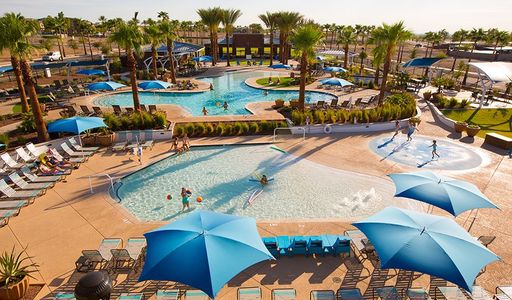
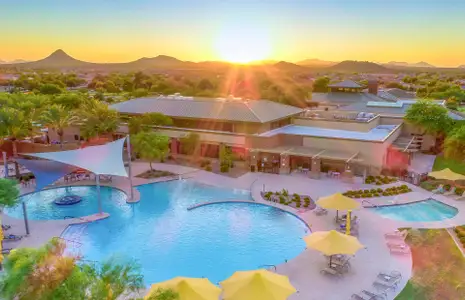

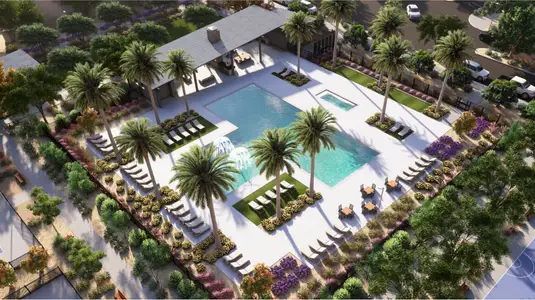
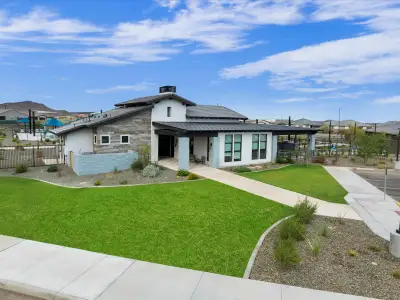

Master planned communities in Arizona
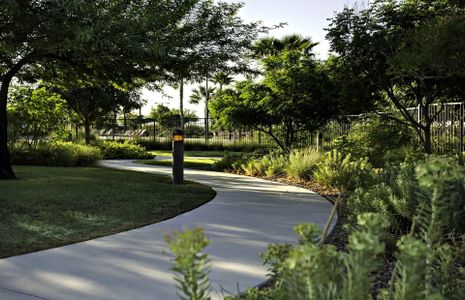
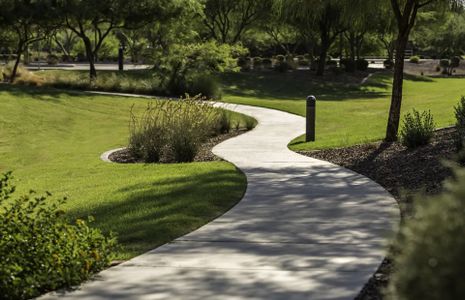
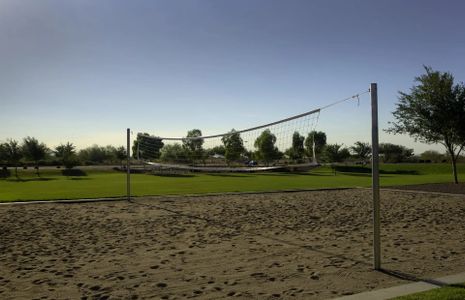
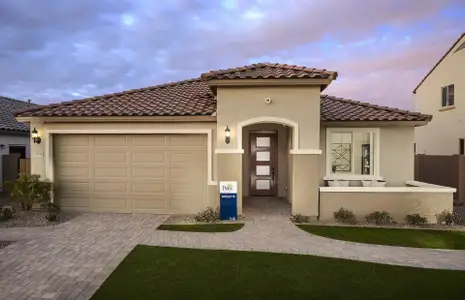
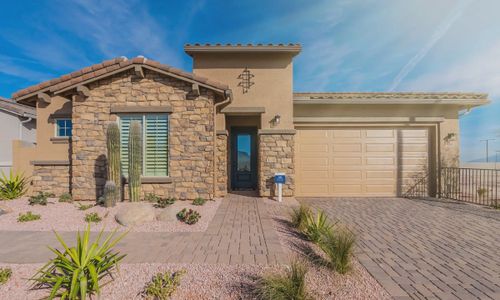
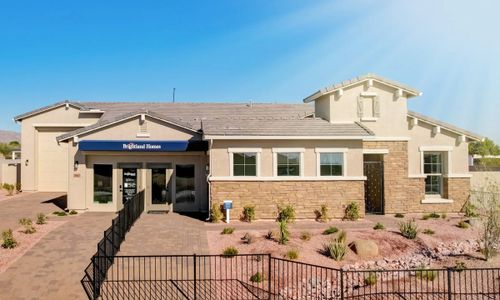
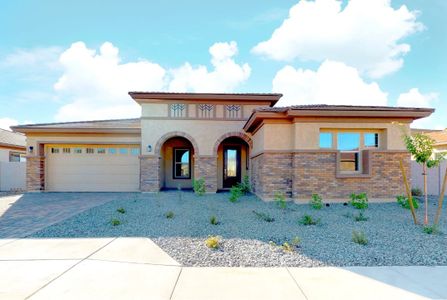
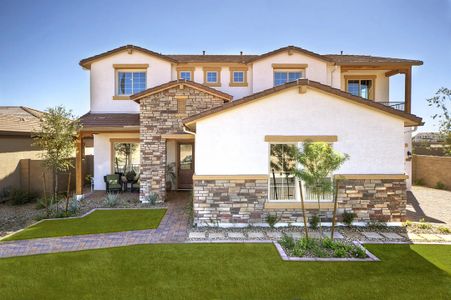
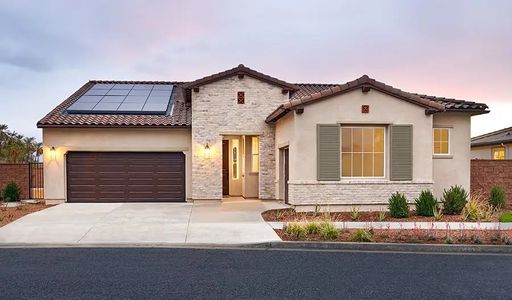
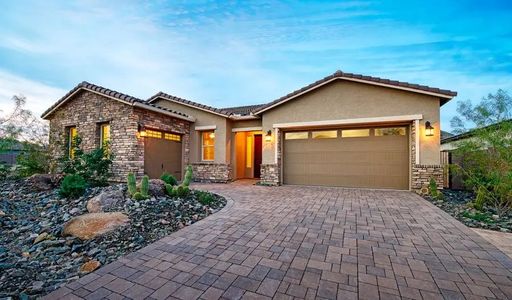
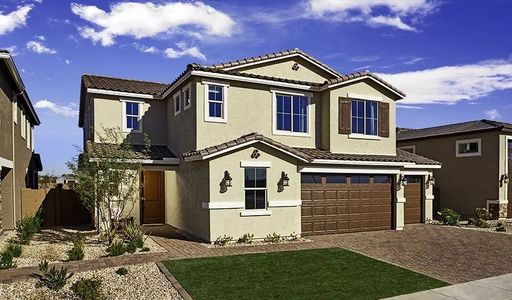
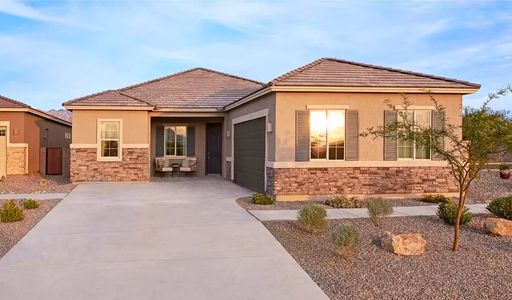
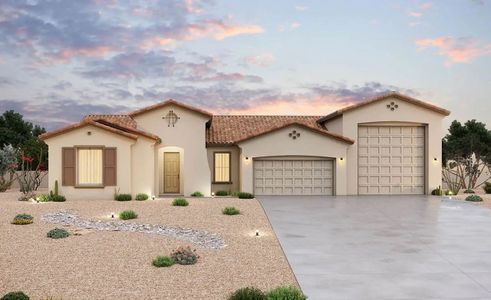
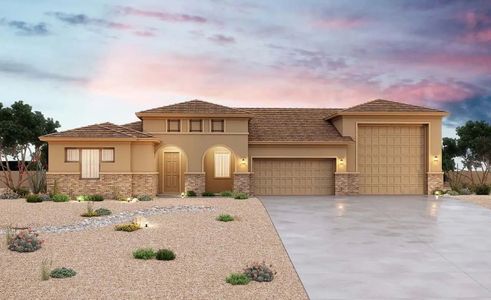
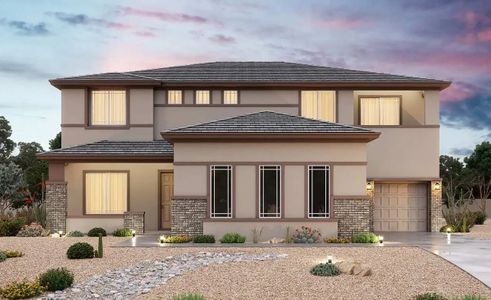
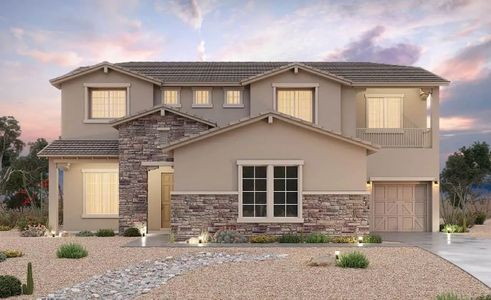
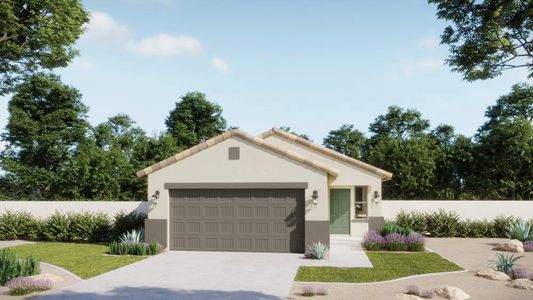
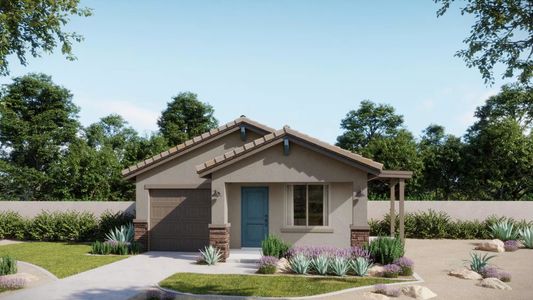
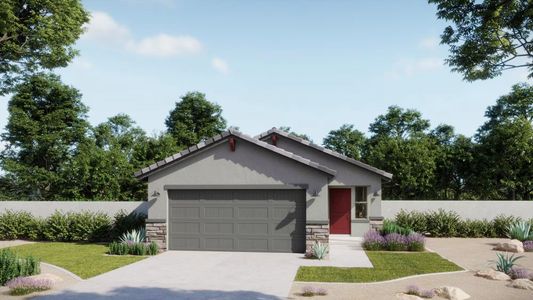
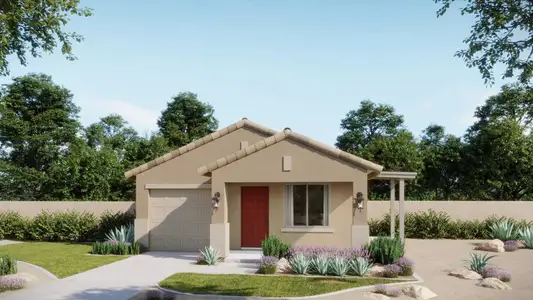
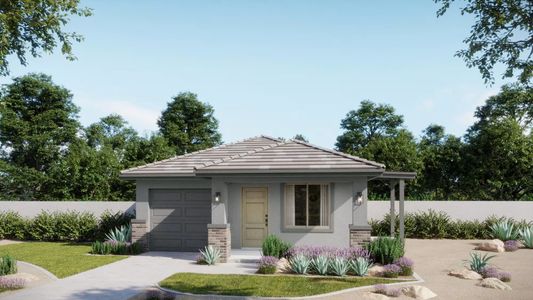
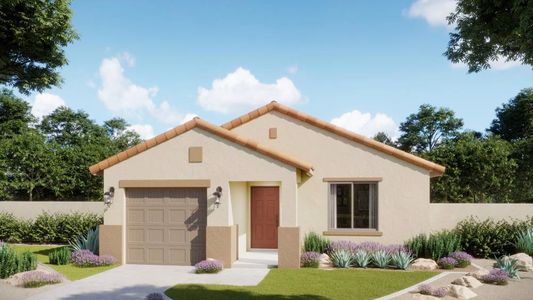
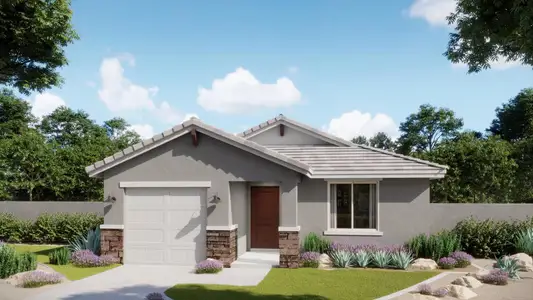
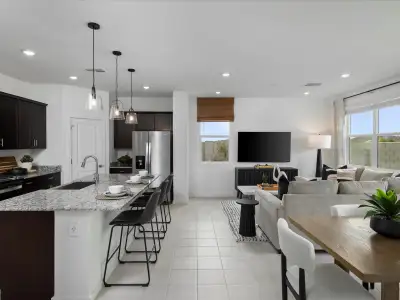
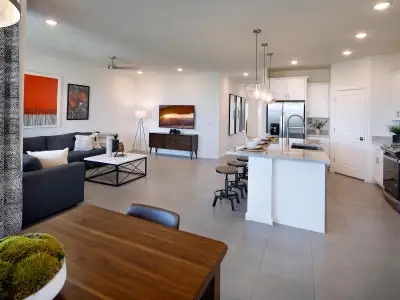
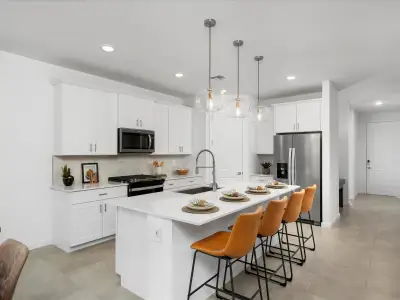
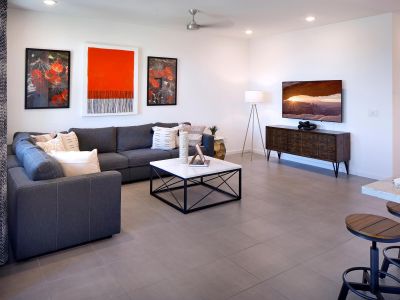
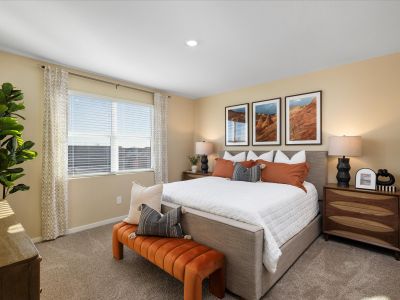
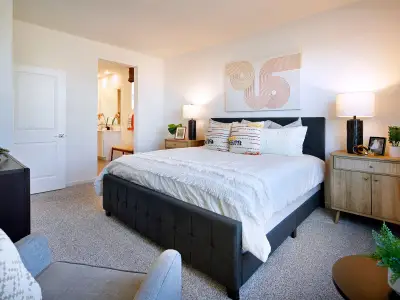
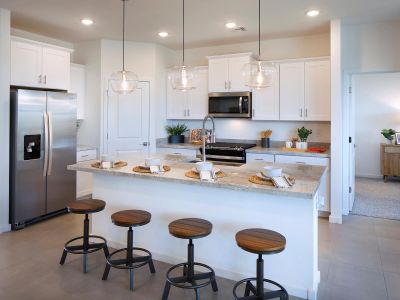
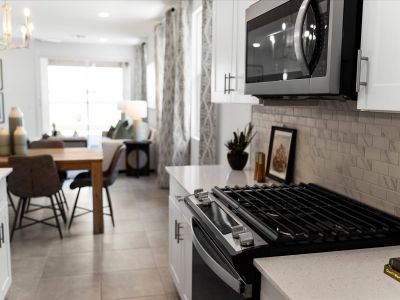
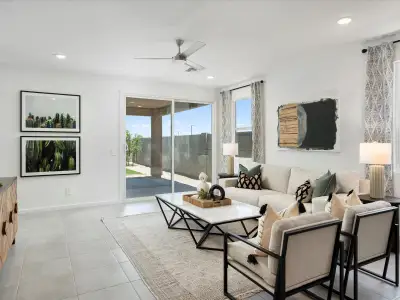
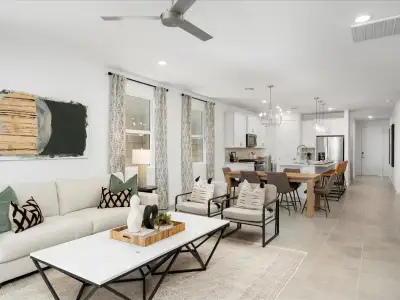
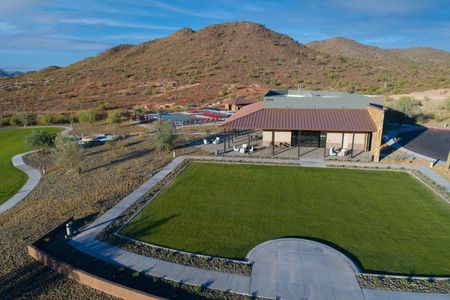
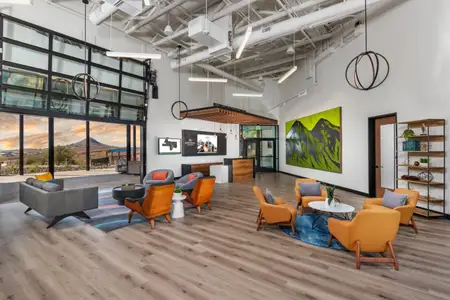
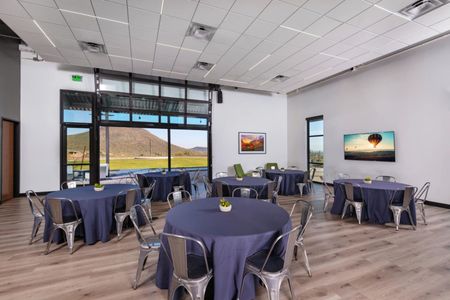

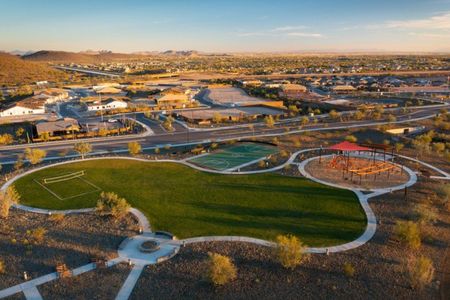
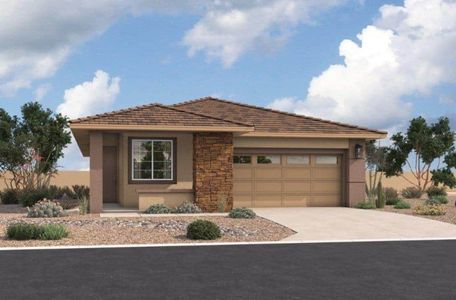
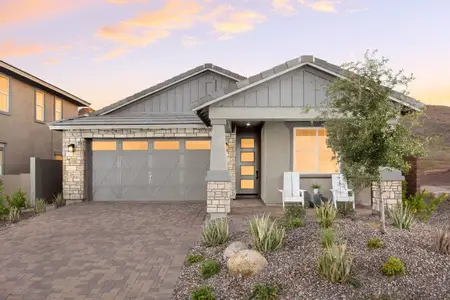
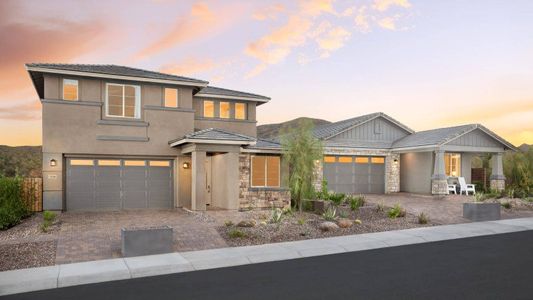

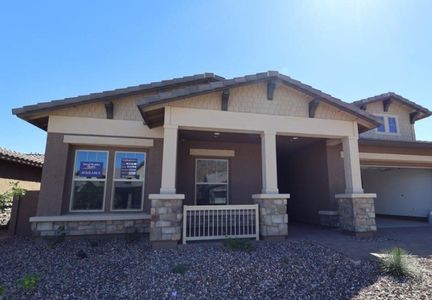
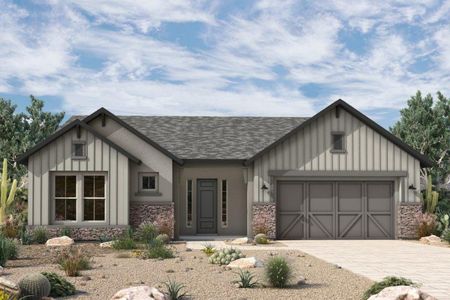
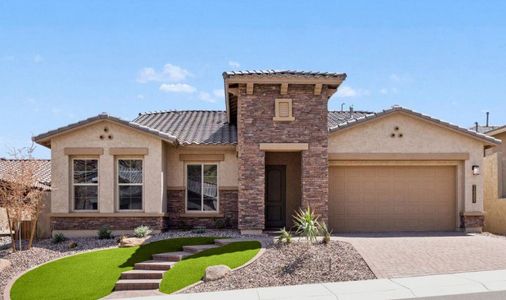
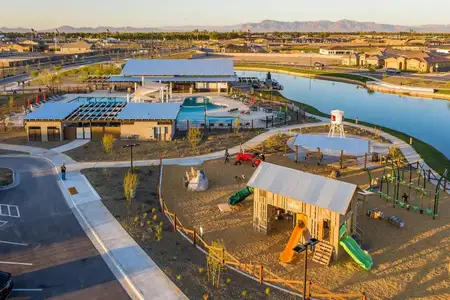
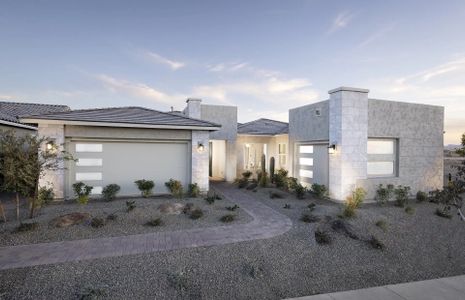
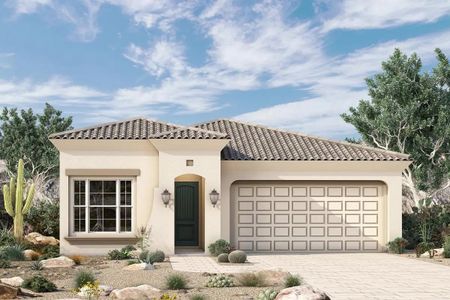
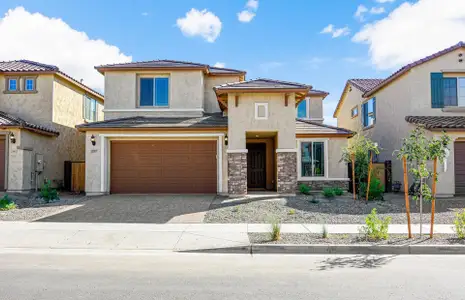
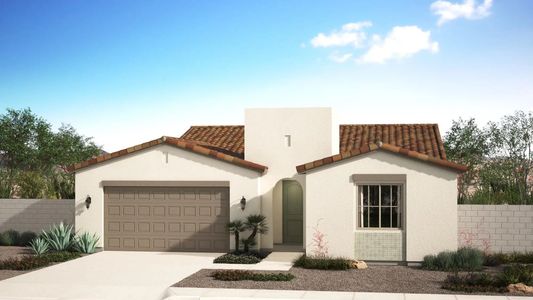
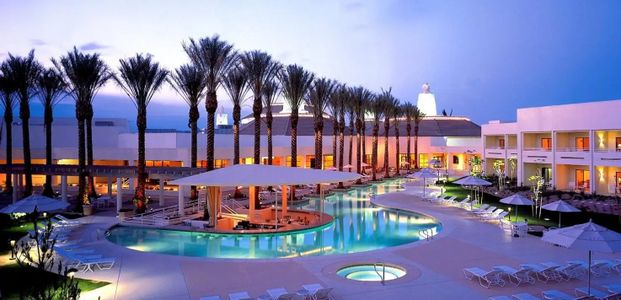
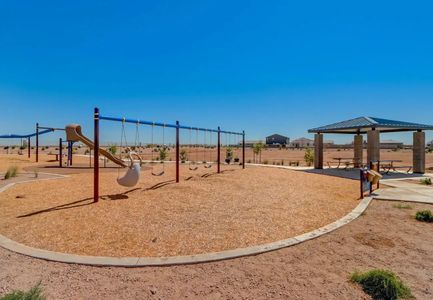
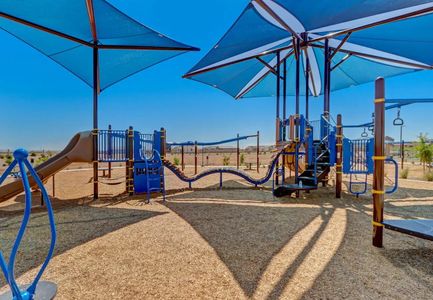
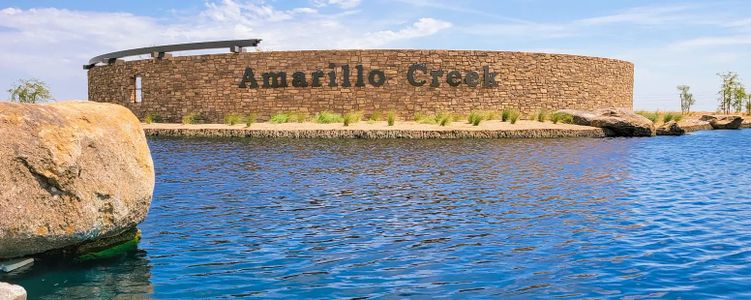
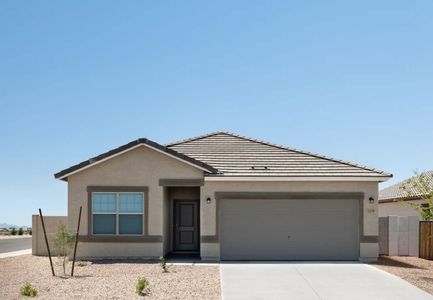
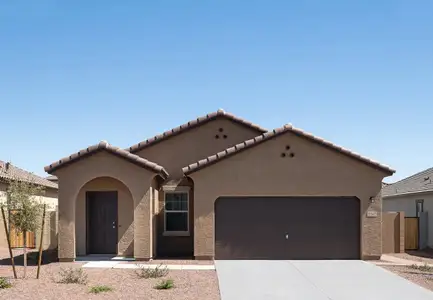
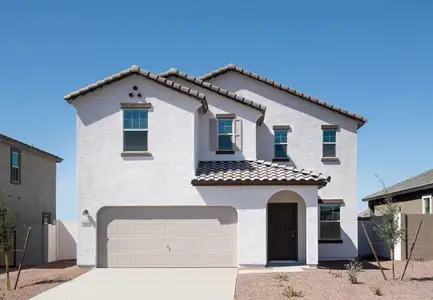
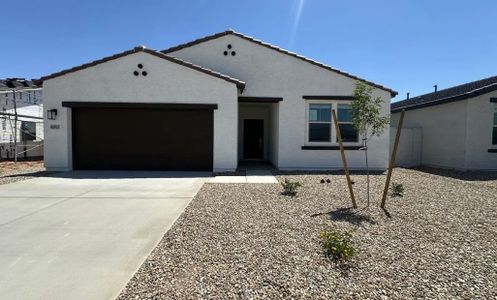
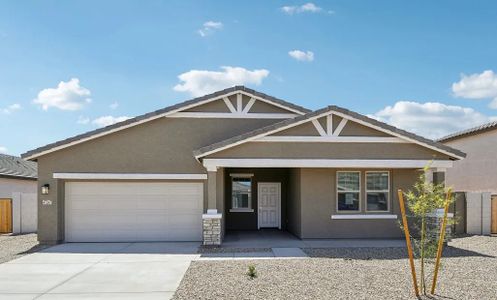
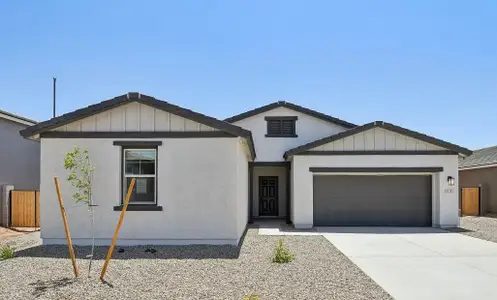
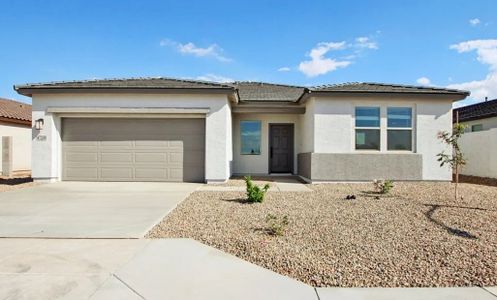
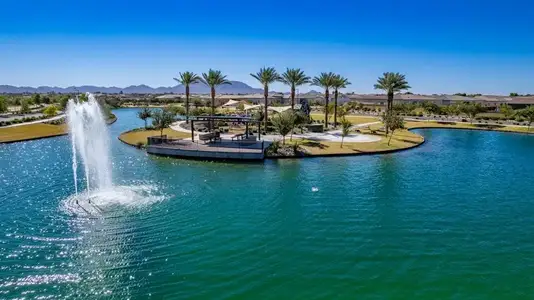
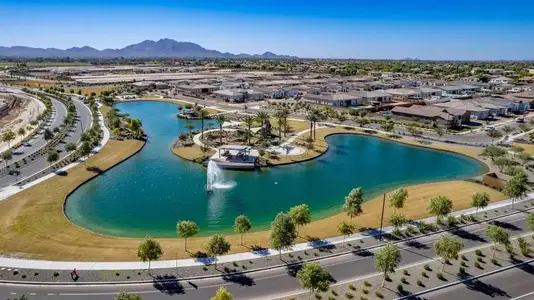
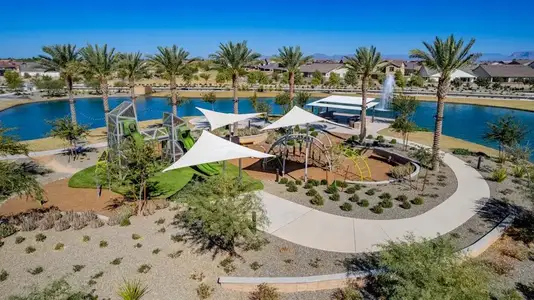
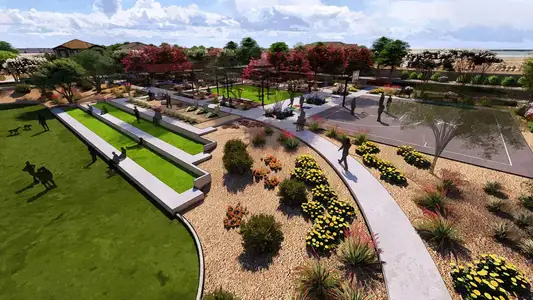
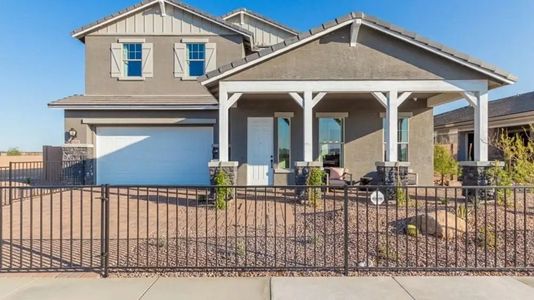
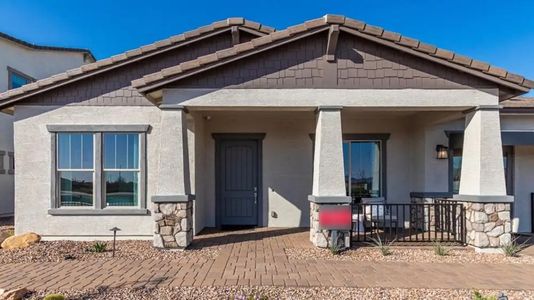
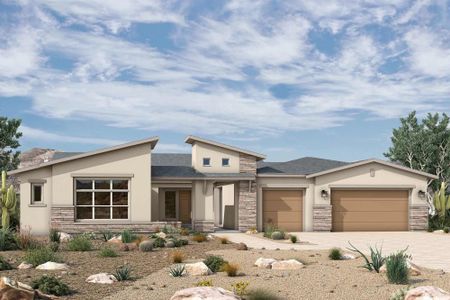
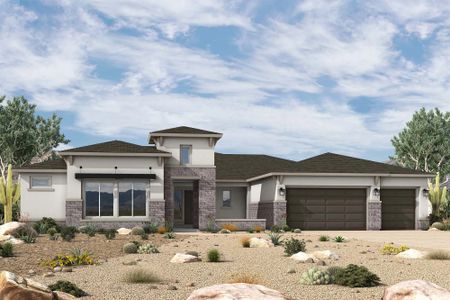
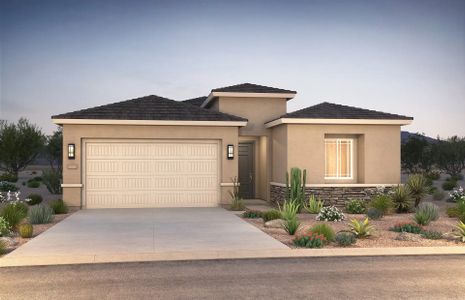
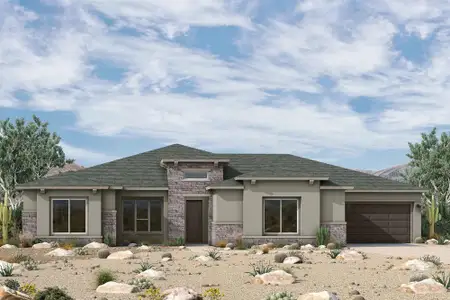
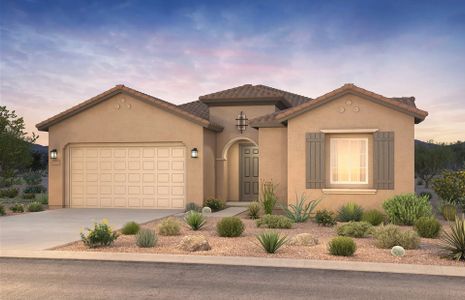
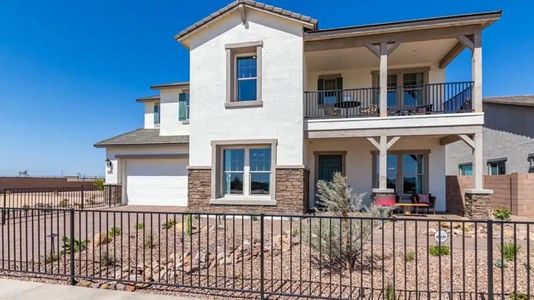
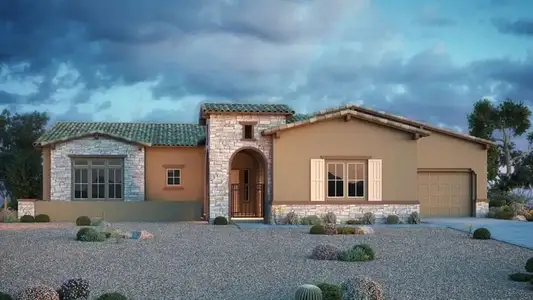
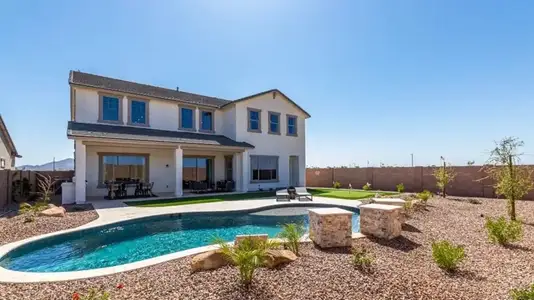
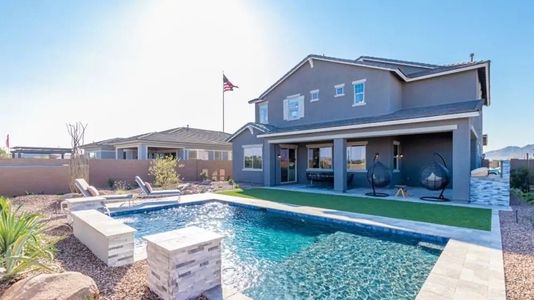
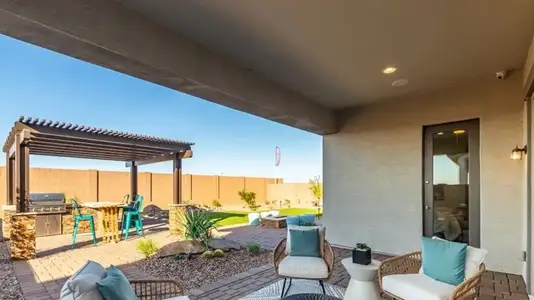

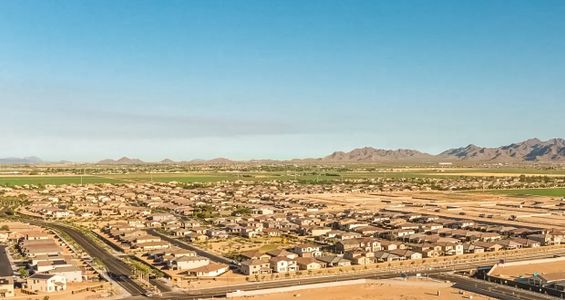




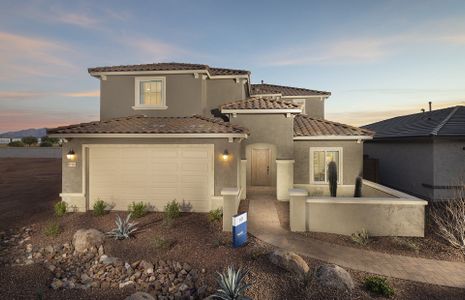
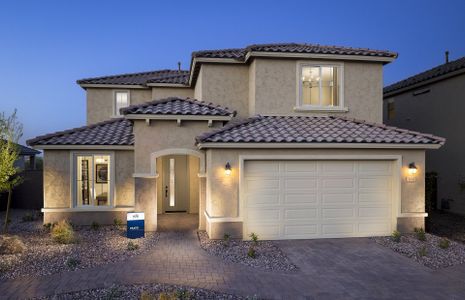

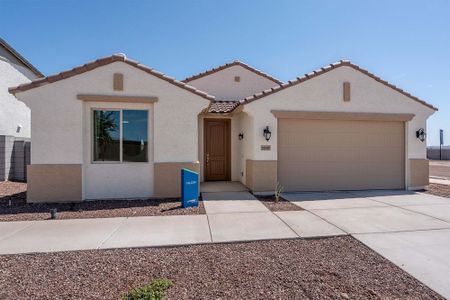
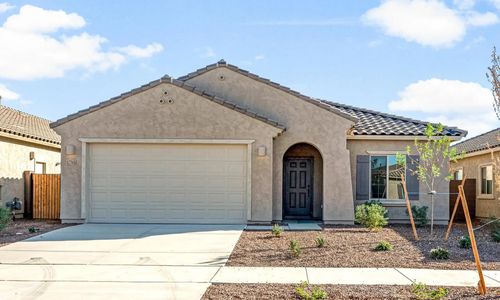
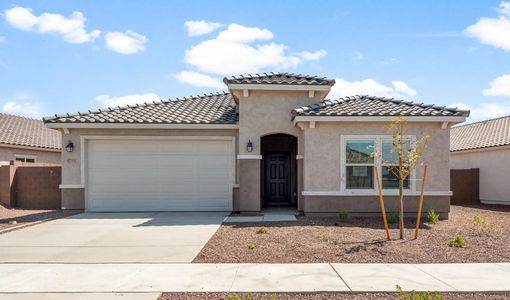


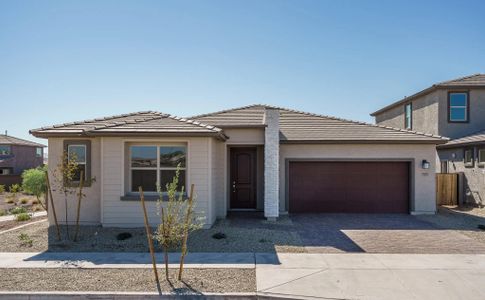

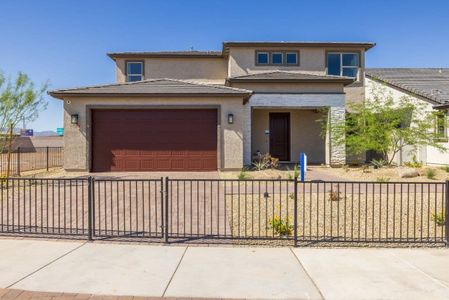


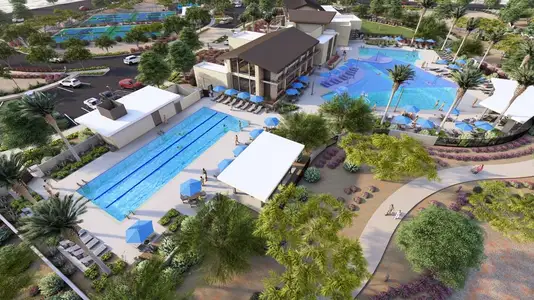
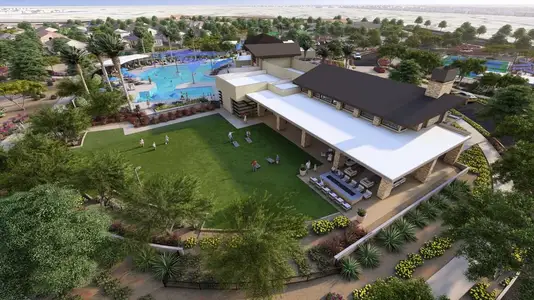
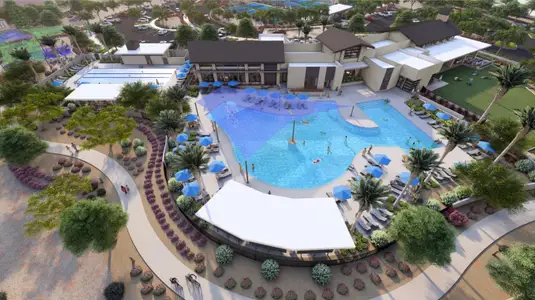
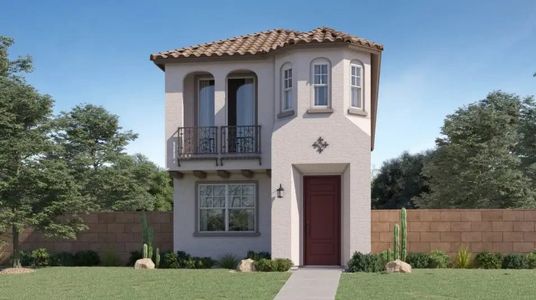
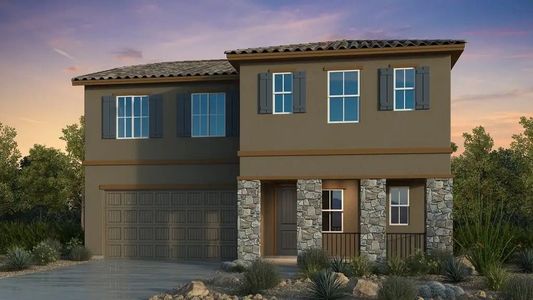
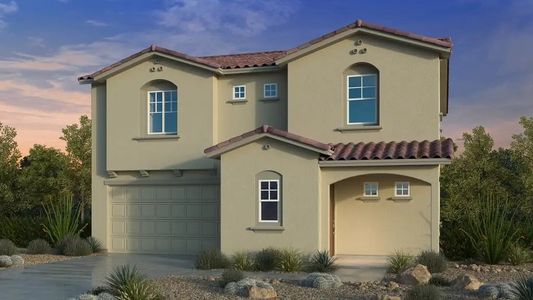
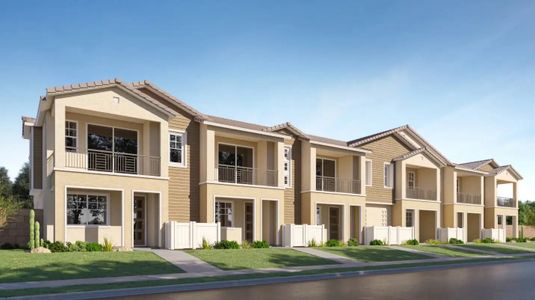
Real estate in Arizona
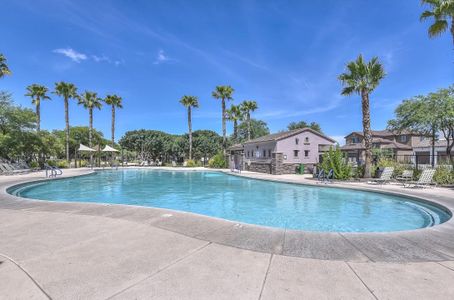
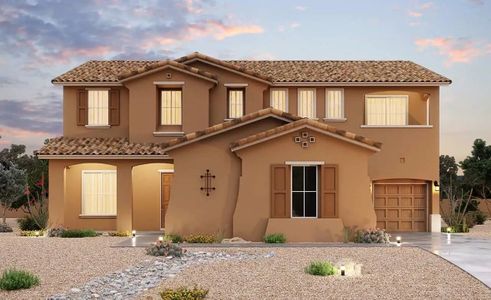
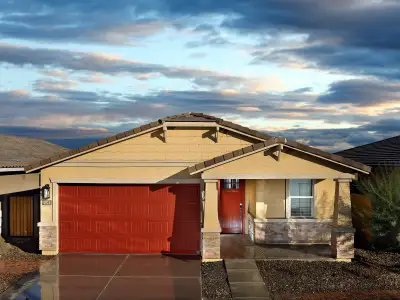
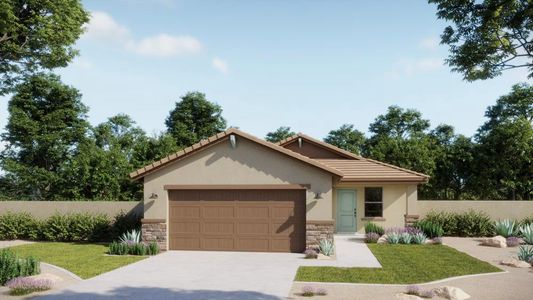
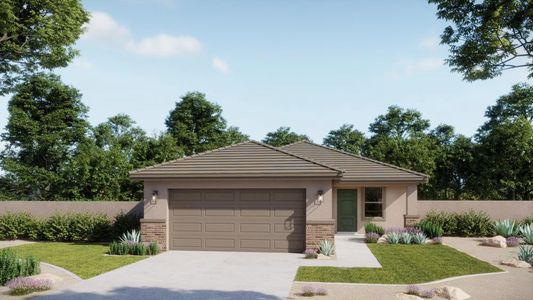
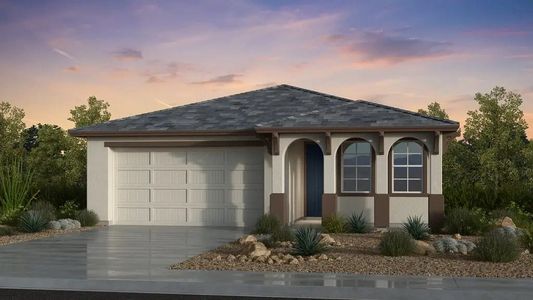
According to experts, the median home value in Arizona is $423,436. This value has decreased by 6.1% over the past year. As of June 2023, the median home price in the United States was $410,200. Here are the median home prices for some other states: - California: $799,000 - Colorado: $582,000 - Florida: $409,000 - New York: $531,000 - Texas: $362,000 The average number of days a property stays on the market is around 19 days. As of September 30, 2023, the median sale-to-list ratio is 0.997, indicating a strong real estate market. Additionally, 23.1% of sales in August 2023 were above list price, while 51.0% were below list price, indicating a variety of prices on the market. According to Forbes, home sales in Arizona decreased by 12%, and the number of available listings on the market decreased by 5.5% in May 2023 compared to the previous year. According to Arizona PBS, the real estate market has grown by almost 33% over the past year. However, due to several factors such as a decrease in the median home sale price and the impact of mortgage interest rates on people's ability to purchase homes, the real estate market is beginning to cool off. Overall, the real estate market in Arizona is dynamic and variable. To make informed decisions about real estate, it's important to keep up with the latest data and market forecasts.
Newly released communities

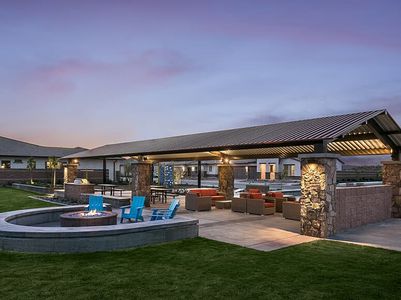

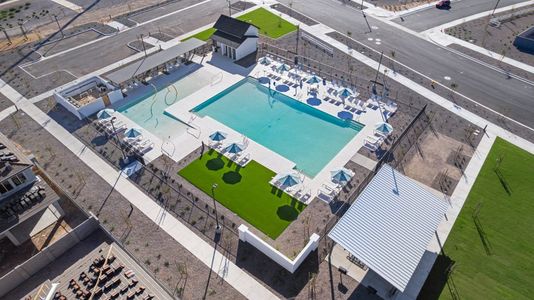


Recently listed homes
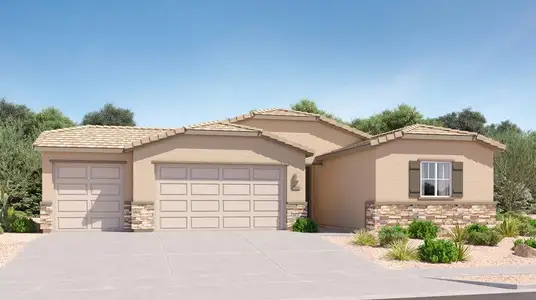
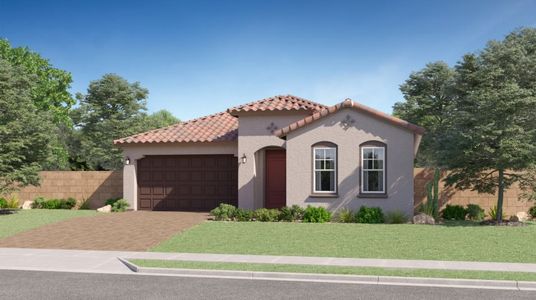
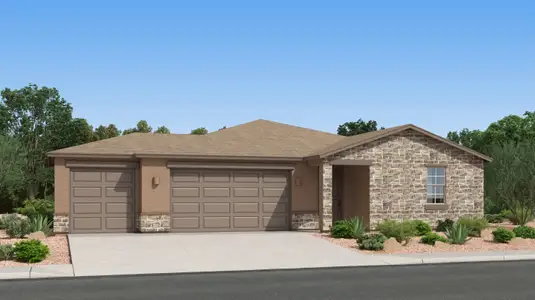
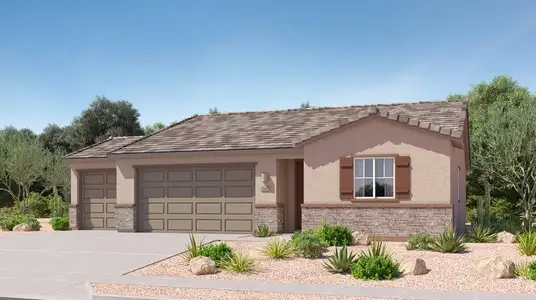
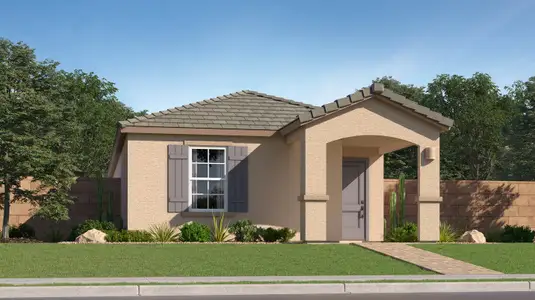
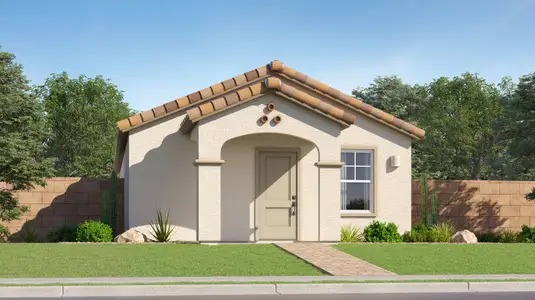
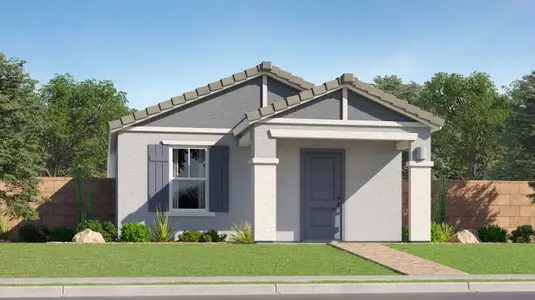
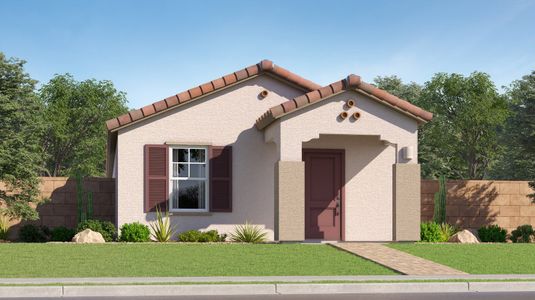
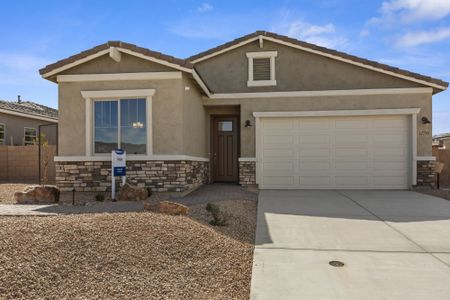
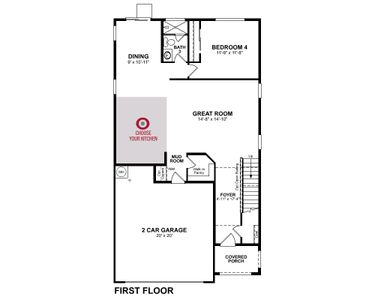
Recently published floor plans

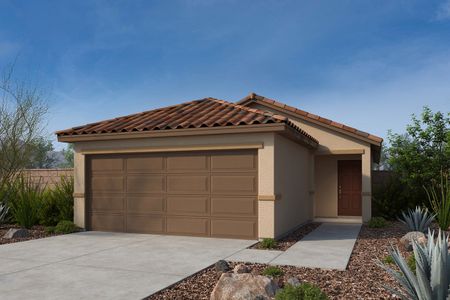
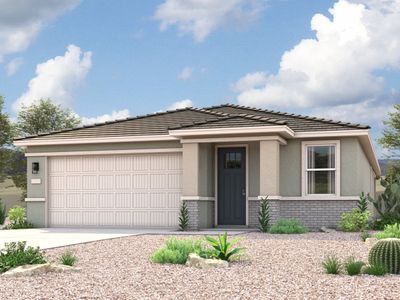
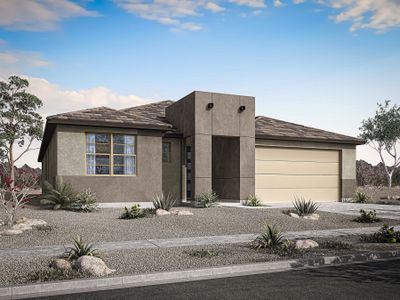
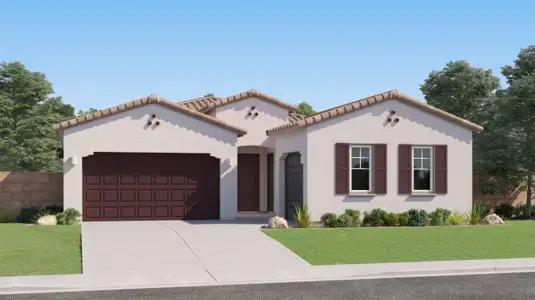
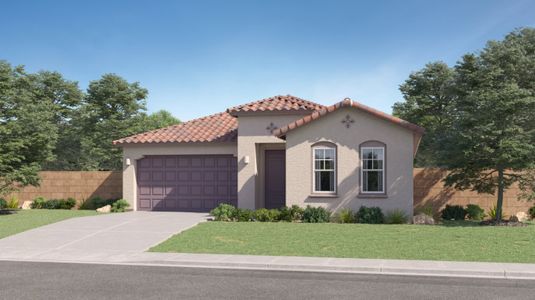
The most popular new construction builders in Arizona










Want to learn more about new construction?

Frequently asked questions
Who are the major developers of new construction homes in Arizona?
Homebuyers looking for new construction in Arizona often choose homes built by Lennar, D.R. Horton, Taylor Morrison, Richmond American Homes and Meritage Homes. These developers are known for delivering quality new homes across various price ranges.
What is the current median sale price for a property in Arizona?
Property values in the Arizona are currently represented by a median sale price of $501,290, as recorded in December 2025. This figure is based on 8152 newly constructed homes, showcasing the expertise of 92 builders in the area.