
Charleston Metropolitan Area new construction market: prices, trends, guides & homes as of December 2025

About Charleston Metropolitan Area
Delivering a fantastic world of cultural refinement, fiscal bloom, and Dixie charm, Charleston, South Carolina, emerges as an unsurpassed destination for the foundation of a new construction home. Discovered in 1970, where the Ashley and Cooper Rivers meet, Charleston is the oldest and largest city in South Carolina. Its rich history continues to shine through to the present day with many mesmerizing pre-Civil War architecture and historic sites. Charleston has a lot going on for itself, and it's no wonder more people are drawn to this growing city. It's home to dozens of highly-rated schools, including the College of Charleston, top-quality healthcare with over 75% of a healthy population, and is ranked safer than 14% of other U.S. metros. These factors, combined with the fact that over 400,000 people chose to make Charleston their home, paint a picture of a city on the rise. Let's explore why Charleston, SC, has become such a popular place to live.
How are new home prices changing in Charleston, SC?
Home price data reflects current listings in Charleston Metropolitan Area, South Carolina, sourced from Jome and updated regularly
*Based on Jome markets

Get free consultation with Charleston Metropolitan Area expert
Get a free, no-pressure consultation with our top Charleston Metropolitan Area new-construction expert. They know every major builder, the best deals and incentives, and exactly what's happening in the local new-construction market.
Charleston Metropolitan Area market overview
- Overall inventory2,102
- Single-family inventory1,731
- Townhouse inventory295
- Condo inventory24
- Multi-family inventory11
- Penthouse inventory0
- 1 bed inventory4
- 2 beds inventory152
- 3 beds inventory968
- 4+ beds inventory977
- Median home price$449,322.5
- Median sqft price$217.68
- Median 1 bed price$287,400
- Median 2 beds price$352,900
- Median 3 beds price$386,900
- Median 4+ beds price$539,990
- Min listing price$190,000
- Max listing price$15,795,000
- Min community price$224,990
- Max community price$1,975,000
Charleston Metropolitan Area median price change
| Month | Median price | Change |
|---|---|---|
| March 2025 | $447,158.5 | - |
| April 2025 | $448,990 | +0.41% |
| May 2025 | $449,640 | +0.14% |
| June 2025 | $459,000 | +2.08% |
| July 2025 | $454,090 | -1.07% |
| August 2025 | $450,130 | -0.87% |
What are the most popular buyers' searches?
What it's like to live in Charleston Metropolitan Area?
The Charleston metro operates as South Carolina's coastal jewel and fastest-growing major market, where the tri-county region spanning Charleston, Berkeley, and Dorchester Counties with 850,000 residents has absorbed explosive growth adding over 200,000 people since 2010 as workers discovered the combination of historic charm, beach access, thriving job market, and moderate costs relative to expensive coastal alternatives, where the Port of Charleston—America's ninth-busiest container port and East Coast's second-largest—generates over $60 billion annual economic impact and employs tens of thousands directly and indirectly in logistics, warehousing, and trade-related industries, where Boeing South Carolina's 787 Dreamliner manufacturing facility employs 7,000 in high-wage aerospace jobs paying $65,000 to $120,000, where Joint Base Charleston combining Air Force and Navy operations employs over 60,000 military and civilian personnel creating stable defense employment, where healthcare systems including MUSC Health (Medical University of South Carolina) and Trident Health employ tens of thousands serving regional needs while MUSC functions as academic medical center unusual for metro Charleston's size, where tourism serving 7.5 million annual visitors to historic downtown, barrier island beaches including Isle of Palms and Sullivan's Island, and Lowcountry attractions employs tens of thousands in hospitality, where tech sector growth in emerging "Silicon Harbor" has attracted companies including Google, Blackbaud, and numerous startups discovering Charleston's educated workforce and quality of life, and where this economic diversity creates opportunities beyond single-industry dependence characterizing many Southern metros. However, this explosive growth has transformed Charleston from affordable Southern coastal city into an increasingly expensive market where quality new construction ranges from $420,000 to $680,000 in desirable suburban locations, where downtown Charleston historic homes command $1.2 million to $5 million-plus, where barrier island properties exceed $850,000 for modest homes to $3 million-plus for beachfront, where property insurance costs have surged to $3,500 to $8,000 annually for standard homes plus $2,000 to $7,000 for mandatory flood insurance in coastal zones as insurers reassess hurricane exposure following recent storms, where traffic congestion on I-26, US-17, and peninsula approaches has reached crisis levels as infrastructure struggles to accommodate growth, where flooding affects substantial portions of the metro given low-lying coastal terrain, tidal influence, and inadequate drainage creating regular "nuisance flooding" during high tides and heavy rain independent of hurricanes, and where the trade-offs involve accepting hurricane risk that Hurricane Hugo's 1989 devastation proved catastrophically real, dealing with summer heat and humidity that rivals anywhere in the Deep South, navigating rapid growth that has strained infrastructure and transformed neighborhood characters through gentrification, and recognizing that Charleston's charm and opportunity come paired with costs, congestion, and growing pains that the explosive population growth inevitably creates.
Why economic diversity, port operations, and Boeing create employment strength unusual for coastal South Carolina
Charleston's economic foundation distinguishes it from single-industry Southern metros through genuine diversity spanning port operations, aerospace manufacturing, military, healthcare, tourism, and emerging technology—creating resilience when individual sectors face challenges and opportunities for workers across skill levels from blue-collar port operations to white-collar engineering.
- The Port of Charleston represents the region's economic anchor and competitive advantage. As America's ninth-busiest container port handling 2.9 million TEUs (twenty-foot equivalent units) annually and the East Coast's deepest harbor allowing the largest container ships to call without tide restrictions, the port generates over $60 billion annual economic impact through direct port operations, warehousing, distribution centers, logistics companies, customs brokers, freight forwarders, trucking operations, and supply chain management. The South Carolina Ports Authority employs approximately 1,500 directly, while port-dependent employment totals 85,000-plus across the region in positions paying $45,000 to $105,000 depending on specializations. Longshoremen and crane operators earn $65,000 to $95,000, logistics coordinators and supply chain managers earn $58,000 to $115,000, and warehouse operations provide working-class employment at $38,000 to $68,000. The port's strategic position serving Southeast manufacturing (BMW in Upstate SC, Mercedes and Hyundai in Alabama, automotive suppliers throughout region) plus agricultural exports (soybeans, corn) and imported consumer goods creates trade volumes supporting massive employment ecosystem. Port expansion projects including deepening the harbor to 52 feet and developing inland port in Greer near Greenville-Spartanburg ensure continued competitiveness and growth.
- Boeing South Carolina operates the 787 Dreamliner final assembly facility in North Charleston, employing approximately 7,000 in aerospace manufacturing, engineering, and technical positions paying $55,000 to $120,000 depending on experience and specialization. The facility represents Boeing's only commercial aircraft final assembly location outside Seattle, producing 787-8, 787-9, and 787-10 variants for airlines worldwide. Aerospace engineers earn $85,000 to $140,000, manufacturing engineers and production specialists earn $70,000 to $105,000, aircraft mechanics and assemblers earn $55,000 to $85,000, and quality assurance specialists earn $65,000 to $95,000. The Boeing presence attracts aerospace suppliers and creates an industrial cluster unusual for coastal metros typically dominated by tourism and retail. However, Boeing employment has fluctuated—the facility employed 8,000-plus at peak before COVID-related production slowdowns and 737 MAX crisis impacts, with current levels recovering but below historical highs, creating some employment uncertainty though the long-term commitment to Charleston remains strong.
- Joint Base Charleston combines Charleston Air Force Base and Naval Support Activity Charleston, employing approximately 20,000 active-duty military personnel plus 10,000 DoD civilians and 30,000-plus contractors and indirect employees—totaling over 60,000 when fully accounting for defense-related employment. The Air Force base hosts the 437th Airlift Wing operating C-17 Globemaster III strategic airlift aircraft supporting worldwide military operations, while the Naval base supports submarine and surface vessel operations. Military personnel range from junior enlisted earning $28,000 to $48,000 in base pay plus housing allowances to senior officers earning $95,000 to $130,000. Defense contractors supporting base operations and programs employ engineers, technical staff, and support personnel earning $65,000 to $125,000. The military presence generates economic activity beyond direct employment, with defense spending creating multiplier effects throughout the regional economy. Unlike training bases with constant turnover, Charleston's operational mission creates relatively stable populations though military families still face reassignments every 3 to 5 years.
- Healthcare employment through MUSC Health (Medical University of South Carolina—state's only comprehensive academic medical center), Trident Health System, Roper St. Francis Healthcare, and Ralph H. Johnson VA Medical Center employs approximately 25,000-plus across the region including physicians, nurses, medical technicians, researchers, and administrators. MUSC operates as academic medical center providing Level I trauma care, complex specialty services, medical education, and research programs unusual for metros Charleston's size, attracting patients regionally and nationally for specialized care. Nurses earn $62,000 to $88,000, medical technicians earn $48,000 to $72,000, and physicians earn $180,000 to $420,000 depending on specialty. Healthcare employment provides stable jobs continuing through economic cycles, creating reliable buyer demand. However, healthcare workers face affordability challenges as housing costs appreciated faster than medical wages.
- Tourism employment serves 7.5 million annual visitors exploring historic downtown Charleston, plantations including Boone Hall and Magnolia, barrier island beaches, Fort Sumter National Monument, and Lowcountry attractions. Hotels including The Spectator Hotel, Charleston Place, The Vendue, and countless other properties employ thousands in hospitality positions paying $32,000 to $65,000. Restaurants serve both tourists and affluent residents—Charleston's culinary scene ranks among America's best with James Beard Award-winning chefs and restaurants including Husk, FIG, and The Ordinary alongside countless casual options. Servers at upscale restaurants earn $45,000 to $75,000 with tips during peak seasons (spring and fall when weather proves ideal), though summer humidity reduces tourism and earnings. Historic home tours, carriage rides, harbor cruises, and cultural attractions employ thousands more. Tourism shows seasonality—peak spring (March-May) and fall (September-November) when weather proves pleasant, moderate winter tourism despite occasional cold snaps, and slower summer months when oppressive heat and humidity deter visits though beach tourism continues.
- The technology sector has emerged as "Silicon Harbor" pursuing Austin or Research Triangle-style growth. Companies including Google (Charleston engineering office), Blackbaud (cloud software for nonprofits, Charleston-founded Fortune 1000 company employing 1,000-plus locally), Booz Allen Hamilton (technology consulting), PeopleMatter (acquired by Snagajob), and numerous startups have established operations. Software engineers, developers, and IT professionals earn $75,000 to $150,000, creating white-collar professional employment beyond traditional Southern coastal industries. However, Charleston's tech sector remains far smaller than actual technology hubs—meaningful for economic diversification but not transformational employment yet. The sector faces challenges attracting talent given competition from larger tech markets offering higher compensation, though quality of life and lower costs (relative to San Francisco or New York) create some appeal.
- Higher education through College of Charleston (10,000 students, comprehensive public liberal arts college in downtown), The Citadel (military college, 3,600 students), MUSC (medical/health sciences university), and various other institutions employ several thousand faculty and staff in positions paying $48,000 to $130,000, adding stable education sector employment. The tax structure differs fundamentally from Florida's zero income tax—South Carolina levies state income tax ranging from 0% on first $3,200 (single filers) to 6.5% on income over $16,040, creating tax liability of $3,000 to $8,000 annually for households earning $75,000 to $150,000. Property taxes in Charleston County run approximately 0.55% to 0.70% of assessed value (applied to 4% of market value for owner-occupied residential creating effective rates around 0.024% to 0.028% of actual value), Berkeley County approximately 0.50% to 0.65%, Dorchester County approximately 0.55% to 0.70%. South Carolina's complex assessment system where residential property taxed at 4% of appraised value while assessment ratio and millage rates vary by jurisdiction creates confusion, though absolute tax bills on $450,000 home typically range $2,700 to $4,200 annually—moderate by national standards. Homestead exemption provides $50,000 reduction in assessed value for owner-occupants over age 65 or disabled.
The cost of living has increased dramatically over the past decade as explosive growth overwhelmed supply. Quality new construction ranges $420,000 to $680,000 in desirable suburban locations including Mount Pleasant (east of Cooper River, closest to beaches, excellent schools, affluent), Summerville (northwest, more affordable, growing rapidly), West Ashley (west of peninsula, diverse, gentrifying), James Island (south, moderate costs, beach access), Daniel Island (master-planned community, affluent, excellent schools), and North Charleston suburbs. Downtown Charleston historic homes command $1.2 million to $5 million-plus depending on size, condition, and location within peninsula. Barrier island properties including Isle of Palms and Sullivan's Island exceed $850,000 for modest homes to $3 million-plus for beachfront. The appreciation has been explosive—50% to 70% from 2015 to 2024 in many submarkets—creating wealth for existing owners while pricing out working-class and many middle-class buyers. A median Charleston household income of $68,000 cannot afford median home price approaching $480,000—the disconnect only makes sense recognizing wealthy in-migrants bring capital from expensive markets making Charleston feel affordable by comparison.
The climate delivers hot humid Southern coastal conditions with genuine seasonality. Winters remain mild with temperatures typically 45°F to 65°F, occasional cold snaps bringing freezing but snow extremely rare. Spring and fall provide beautiful weather with temperatures 65°F to 80°F—the seasons when tourism peaks and outdoor activities prove ideal. Summer heat and humidity from June through September create oppressive conditions with temperatures 85°F to 95°F and humidity making heat index values exceed 100°F regularly, afternoon thunderstorms providing brief relief. Hurricane season creates serious risk—Hurricane Hugo's 1989 landfall as Category 4 devastated the region killing 35 in South Carolina, causing $10 billion damage (inflation-adjusted), and remaining seared in regional memory as defining event. More recent storms including Matthew (2016) and Irma (2017) caused substantial flooding and damage though less catastrophically than Hugo. The hurricane risk plus regular flooding from heavy rain, storm surge, and tidal influences create genuine ongoing threats that insurance markets price increasingly severely.
Understanding Charleston by buyer profile and rapid growth dynamics
Charleston's explosive growth, economic diversity, affordability crisis, and Southern coastal character create buyer profiles where corporate relocators from expensive markets, military families, healthcare workers, and young professionals navigate an increasingly competitive and expensive market where local wages struggle to support housing costs driven by wealthy in-migration.
For Corporate Relocators and Professional In-Migrants: Charleston attracts substantial in-migration from expensive markets including New York, Boston, Washington DC, California, and Chicago as professionals discover economic opportunities combined with Southern coastal lifestyle at costs running 30% to 50% below departure cities. These buyers—typically ages 28 to 55—work in technology (Google engineers, tech startup employees), aerospace (Boeing relocations), healthcare (MUSC recruitments), finance (BB&T, Wells Fargo operations), or remote positions maintaining expensive-market salaries earning $90,000 to $200,000-plus creating demand for quality homes. They purchase properties from $480,000 to $850,000 in desirable locations including Mount Pleasant (closest to beaches, excellent schools, affluent character appeals to professionals with families), Daniel Island (master-planned, newer development, waterfront access), downtown Charleston condos and townhomes (young professionals seeking urban walkability), James Island (moderate pricing, beach access), and West Ashley neighborhoods (more affordable, convenient downtown access). Corporate relocators often bring housing budgets calibrated to expensive departure markets, making Charleston's $650,000 new construction feel accessible despite representing double what locals paid five years earlier. They prioritize access to employment clusters (Boeing in North Charleston, tech companies downtown and Mount Pleasant, MUSC in downtown), strong schools for families with children (Charleston County School District shows dramatic quality variation from top-rated schools in Mount Pleasant and James Island to struggling schools elsewhere requiring careful research), proximity to beaches and recreational amenities (major quality of life factor), and neighborhoods with other educated professionals rather than purely local populations. New construction serves this demographic from $450,000 in West Ashley or Summerville to $750,000-plus in premium Mount Pleasant or Daniel Island locations. However, even high-earning relocators face sticker shock at property insurance costs approaching $4,500 to $8,000 annually combined with flood insurance of $2,500 to $6,500 for coastal properties, creating total housing costs approaching what they expected to escape despite Charleston's reputation as affordable alternative.
For Military Families at Joint Base Charleston: Joint Base Charleston creates concentrated demand from Air Force and Navy personnel, defense contractors, and DoD civilians. The buyer profile spans junior enlisted (E-1 to E-4) earning $28,000 to $48,000 base pay plus housing allowances typically purchasing $260,000 to $340,000 starter homes or townhomes in North Charleston, Summerville, or Goose Creek using VA loans' zero down payment advantage, to NCOs and junior officers (E-5 to O-3) earning $50,000 to $95,000 representing the largest military buyer segment purchasing $320,000 to $480,000 throughout the tri-county area, to senior enlisted and field-grade officers (E-7 to O-5) earning $75,000 to $125,000 purchasing $450,000 to $650,000 in premium locations including Mount Pleasant, Summerville's better areas, or even modest downtown properties. Military families prioritize reasonable commutes to base gates (traffic considerations matter given Charleston's worsening congestion), strong schools (though military families often accept weaker schools knowing assignments are temporary), neighborhoods with other military families creating support networks during deployments, and resale considerations given most will PCS (permanent change of station) within 3 to 5 years requiring ability to sell in market where military buyers dominate certain price points. New construction appeals offering VA zero down, builder incentives, modern layouts with home offices, and elimination of maintenance emergencies during deployments when spouses must handle everything alone. Defense contractors earning $65,000 to $125,000 establish more permanent roots than active-duty families, purchasing homes in similar price ranges anticipating longer ownership. Military retirees often remain after 20-year careers, purchasing homes using retirement income plus civilian employment or contractor positions while maintaining base access for healthcare and commissary privileges. The large military presence creates cultural familiarity—neighborhoods understanding deployment realities, veteran populations, conservative values that military culture often embodies.
For Healthcare Professionals Serving Regional Demand: MUSC Health, Trident Health, Roper St. Francis, and various healthcare facilities employ nurses, physicians, medical technicians, therapists, and administrators. Nurses earning $62,000 to $88,000 struggle with Charleston's current pricing, with single-income nurse households finding homes starting at $380,000 in affordable areas creating qualification challenges. Dual-nurse households earning combined $125,000 to $175,000 can purchase homes from $420,000 to $600,000 in solid suburban locations including Summerville, West Ashley, North Charleston, or James Island, though premium Mount Pleasant or downtown proximity remains difficult. A registered nurse earning $70,000 finds Charleston's costs have eliminated the Southern affordability that once existed—that same salary would purchase comfortably in Birmingham or Memphis but strains in Charleston's appreciated market. Physicians earning $180,000 to $420,000 purchase homes from $550,000 to $1.2 million-plus in Mount Pleasant, Daniel Island, downtown Charleston, or Isle of Palms/Sullivan's Island, finding that even high medical incomes face challenges when desirable locations command $800,000-plus and insurance costs add $6,000 to $12,000 annually. Healthcare professionals often relocate to Charleston for positions at MUSC's academic medical center or regional facilities, finding the combination of career opportunities, coastal lifestyle, and moderate costs (relative to expensive medical markets) appealing despite the reality that Charleston's appreciation has reduced affordability advantages substantially.
For Boeing Aerospace Workers and Industrial Employees: Boeing's 7,000 employees create concentrated demand from aerospace professionals. Engineers earning $85,000 to $140,000 purchase homes from $380,000 to $600,000 in various locations, with many choosing North Charleston proximity to Boeing facility despite area challenges, while others accept longer commutes from Summerville, Goose Creek, or other areas offering better school quality or lower costs. Aircraft mechanics and manufacturing workers earning $55,000 to $85,000 find Charleston increasingly unaffordable, with homes starting at $340,000 in working-class areas creating challenges for single-income households. Dual-income Boeing households where both spouses work at the facility or elsewhere creating combined $110,000 to $200,000 purchase comfortably in $420,000 to $680,000 range. However, Boeing workers face unique concerns given employment volatility—production slowdowns, corporate crises affecting the broader company, and uncertainty about facility's long-term role create job security concerns that workers in more stable industries don't face, making some Boeing employees conservative in housing budgets anticipating potential future layoffs or need to relocate if Charleston operations contract.
For Port and Logistics Workers: Port operations, warehousing, trucking, and logistics employ tens of thousands in positions paying $45,000 to $105,000 creating working-class to middle-class buyer demand. Longshoremen and crane operators earning $65,000 to $95,000 purchase homes from $320,000 to $450,000 in North Charleston, Summerville, Goose Creek, or western Berkeley County areas offering reasonable commutes to port facilities. Logistics coordinators and supply chain managers earning $70,000 to $115,000 access better options from $400,000 to $580,000. However, these working-class wages that once afforded comfortable Charleston homeownership now strain with homes that cost $240,000 in 2015 requiring $380,000-plus in 2024. Many port workers commute from increasingly distant locations as appreciation pushed affordable housing farther from employment centers.
For Young Professionals and Tech Workers: Charleston's growing tech sector and general economic growth attract young professionals ages 25 to 40 discovering Southern coastal lifestyle. Tech workers at Google, Blackbaud, startups, or remote positions earning $75,000 to $150,000 purchase homes from $400,000 to $650,000 or downtown condos from $350,000 to $750,000. Young professionals in finance, corporate roles, healthcare, or various fields create demand for urban living in downtown Charleston where walkability, restaurant scene, and nightlife provide amenities suburban locations lack. However, Charleston's explosive growth has created housing competition where young professionals earning solid salaries struggle against wealthier relocators and investors driving prices beyond what local wages easily support.
For Retirees Seeking Southern Coastal Living: Charleston attracts substantial retiree settlement from across the country, particularly from Northeast and Midwest states, seeking Southern coastal lifestyle combining historic charm, beach access, mild winters, and cultural amenities at costs below true resort destinations. Retirees typically bring $400,000 to $1.2 million in assets from selling homes in expensive markets, purchasing properties from $480,000 to $1.5 million-plus in locations including Mount Pleasant, Isle of Palms/Sullivan's Island, James Island, or downtown Charleston. They seek single-story layouts, low-maintenance communities, proximity to healthcare given MUSC's capabilities, cultural amenities Charleston provides through Spoleto Festival, concerts, theater, and art scene, and access to beaches and golf. However, Charleston's appreciation has made retirement here less accessible than a decade ago, with retirees discovering property insurance costs approaching $5,000 to $10,000 annually plus flood insurance consuming portions of fixed retirement incomes.
For Working-Class Families and Service Industry Workers: The tens of thousands of restaurant workers, hotel employees, retail staff, construction workers, and service industry employees earning $32,000 to $65,000 annually face increasing exclusion from homeownership anywhere in the tri-county area. Even dual-income service households earning combined $65,000 to $100,000 struggle to qualify for homes starting at $340,000 in most affordable areas when insurance and taxes included in debt-to-income calculations. Many service workers commute from Summerville's far reaches, Moncks Corner in Berkeley County, or even Walterboro 50 miles west, accepting 60 to 90-minute commutes because living closer remains financially impossible. This creates Charleston's workforce housing crisis—the people who staff acclaimed restaurants, clean hotels, and serve tourists cannot afford to live in the city they serve.
For First-Time Buyers Facing Severe Challenges: Charleston's appreciation has devastated first-time buyer accessibility. Townhomes start around $290,000 in North Charleston or Summerville requiring $10,150 down with FHA loans. Starter single-family homes begin at $340,000 in similar locations requiring $11,900 down. Young professionals, healthcare workers, military personnel (using VA loans), and working families earning $65,000 to $105,000 combined income struggle to qualify for homes that appreciated 55% to 70% over eight years while incomes rose only 20% to 25%. Many first-time buyers have delayed purchases indefinitely, relocated to more affordable Southeastern markets, or accepted that Charleston homeownership remains unattainable without family assistance or dual six-figure incomes.
The substantial costs beyond mortgage payments in hurricane-exposed coastal market
Your actual monthly housing expense in Charleston extends beyond principal and interest, with insurance costs increasing substantially as carriers reassess hurricane exposure and flooding risks.
- Property taxes use South Carolina's complex system where residential property assessed at 4% of appraised value, then millage rates applied to assessed value. Charleston County effective rates run approximately 0.55% to 0.70% of assessed value (roughly 0.024% to 0.028% of actual market value). On a $480,000 home, annual property tax bills range from approximately $2,640 to $3,360. Berkeley County runs slightly lower at $2,400 to $3,120 on same value. Dorchester County similar at $2,640 to $3,360. South Carolina caps assessment increases at 15% over five years for owner-occupied residential, providing some protection though less than Florida's aggressive Save Our Homes 3% annual cap. Homestead exemption provides $50,000 reduction in assessed value for owner-occupants over age 65 or disabled.
- Sales tax in Charleston area runs 8.5% to 9.0%, with South Carolina collecting 6%, counties adding 1% to 2%, and some municipalities adding additional 1%, creating combined rates among the highest in the nation.
- Homeowner's insurance represents Charleston's fastest-growing housing cost as carriers reassess hurricane exposure following recent storms and Hugo's historical devastation. Annual premiums range from $3,500 for inland properties in Berkeley or Dorchester Counties with newer construction and full protective features to $6,000 to $10,000 for properties in Charleston County coastal areas to $8,000 to $14,000-plus for barrier island properties on Isle of Palms or Sullivan's Island. Hurricane deductibles typically apply as 2% to 5% of dwelling value, meaning a $480,000 home carries $9,600 to $24,000 hurricane deductible applying when named storms strike. While South Carolina hasn't experienced Florida's complete insurance market collapse with major carriers exiting entirely, availability has tightened and premiums increased 40% to 80% over the past five years. Roof age drives availability—insurers refuse coverage or demand replacement for roofs over 15 years old. Coastal properties face particular challenges obtaining coverage at reasonable rates. New construction with impact-resistant features, reinforced systems, and proper elevation earns discounts, though premiums still typically run $4,200 to $6,500 annually for well-protected properties.
- Flood insurance affects massive percentages of Charleston properties given low-lying coastal terrain, tidal creek influence, and inadequate drainage creating flooding risk far beyond FEMA-mapped zones. Properties in Special Flood Hazard Areas require flood insurance when using mortgages, with costs ranging from $2,000 to $7,000 annually depending on elevation relative to base flood elevation and coverage limits. However, Charleston's persistent "nuisance flooding" problem—where high tides combined with heavy rain flood streets and properties even absent hurricanes—means many properties outside FEMA zones still face genuine flooding risk. Hurricane Matthew (2016) flooded thousands of properties never previously considered at risk, demonstrating FEMA maps understate actual vulnerability. Prudent buyers purchase flood coverage even outside designated zones, adding $1,400 to $3,800 annually. The National Flood Insurance Program caps structure coverage at $250,000, forcing buyers of higher-value homes into private flood market at premium costs. The combined wind and flood insurance burden—often $5,500 to $13,000 annually for coastal properties—creates substantial housing costs.
- Utility costs favor new construction. Dominion Energy serves most of the area. Air conditioning runs approximately 6 to 7 months May through October. Older homes see bills of $220 to $300 monthly during peak summer. New construction runs 30% to 35% lower through better insulation and efficient systems.
- HOA fees vary from $50 to $180 monthly in standard suburban communities to $280 to $600 monthly in communities with extensive amenities, waterfront access, or downtown Charleston condos with full-service buildings. The combined cost structure—property taxes around $250 monthly, insurance $400 to $750 monthly, potential flood insurance $200 to $500 monthly, HOA fees $80 to $220 monthly—creates $930 to $1,720 monthly in expenses beyond principal and interest, requiring careful budgeting and creating challenges for working-class and many middle-class buyers earning Charleston wages.
What new construction delivers in rapidly growing coastal market
Choosing new construction in Charleston provides advantages addressing hurricane exposure, flooding risks, modern living expectations, and South Carolina's humid coastal climate.
- Hurricane and Wind Protection: South Carolina building codes require substantial wind protection given hurricane exposure. New construction includes reinforced roof systems with enhanced attachment, impact-resistant windows and doors, wind-resistant garage doors, and construction techniques providing protection against 140+ mph winds that Hugo-scale events generate.
- Flood Elevation Critical: New construction in flood zones must elevate above base flood elevation, with many builders exceeding minimums by 2 to 4 feet following Matthew's demonstrated flooding extents. Proper elevation dramatically reduces flood insurance costs—a home elevated 3 feet above base flood elevation might pay $1,800 annually versus $5,500 for home at minimum elevation.
- Advanced Drainage and Site Engineering: Given Charleston's chronic flooding problems, new communities incorporate sophisticated stormwater management, retention ponds, drainage infrastructure, and lot grading addressing the region's inadequate natural drainage and tidal influences.
- Modern Floor Plans for Professional Lifestyles: Corporate relocators and professionals expect home offices for remote work, open-concept designs connecting living spaces, primary suites with spa-style bathrooms, and outdoor living areas with covered porches extending usable square footage.
- Energy Efficiency for Humid Climate: Charleston's hot humid summers and mild winters requiring both cooling and heating make energy efficiency valuable. New construction with modern insulation, efficient HVAC with dehumidification capacity, Low-E windows, and proper air sealing reduces utility costs while managing moisture that older Charleston homes struggle with.
- Smart Home Technology: Corporate relocators and professionals expect structured wiring, electrical capacity for home offices, smart home integration, and security systems that new construction includes at costs dramatically lower than retrofitting.
- Warranty Protection: Builder warranties covering structural issues for 10 years, major systems for 2 to 5 years, and workmanship for the first year provide protection particularly valuable for relocators without established contractor networks.
Understanding construction timelines in booming market
For inventory homes where construction has progressed substantially, closings typically happen within 50 to 100 days depending on remaining work and loan processing. Permitting across the tri-county area varies by jurisdiction—Charleston County and City of Charleston maintain more complex processes given historic preservation requirements and development pressures, while Berkeley and Dorchester Counties move somewhat faster.
For to-be-built homes where you're selecting lots before site work begins, realistic expectations run 10 to 14 months in Charleston's hot market where builder capacity constraints, permitting delays, and material availability create longer timelines than slower-growth markets. Site preparation takes 3 to 6 weeks. Foundation work takes 2 to 4 weeks. Framing and construction consume 8 to 12 weeks. Rough-in work takes 4 to 6 weeks. Interior finishing requires 10 to 16 weeks. Landscaping adds 2 to 4 weeks.
Hurricane season from June through November creates construction uncertainty. When tropical systems develop in Atlantic or Caribbean, builders secure sites and halt work even when storms ultimately track away. Summer heat and humidity from June through September affect productivity though don't stop work entirely. Afternoon thunderstorms briefly halt exterior work regularly. Winter provides good construction weather with mild temperatures.
Charleston contracts should address hurricane delays while protecting buyers from indefinite extensions. Reasonable contracts might allow 45 to 60-day extensions for documented hurricane-related delays while capping total weather-related delays at 90 to 120 days.
Financing in rapidly appreciating market
Most builders maintain preferred lender relationships offering incentives from $7,000 to $15,000 in closing cost credits, appraisal fee waivers, and occasionally rate concessions.
South Carolina's income tax affects qualification calculations differently than Florida's zero-tax environment. On a $480,000 home with approximately $250 monthly property tax, $550 monthly property insurance, and potential $350 monthly flood insurance for properties in zones, total housing payment including principal, interest, taxes, and insurance reaches approximately $4,000 monthly. This requires household income exceeding $140,000 to qualify comfortably—explaining why local workers earning Charleston wages struggle while wealthy relocators from expensive markets access market easily.
Get accurate insurance quotes including both property and flood coverage for the specific property address before making offers. Insurance costs vary dramatically by location, elevation, construction type, and proximity to water—generalizations create dangerous assumptions in Charleston's complex risk environment.
Rate locks over 10 to 14 month construction periods matter, with extended lock programs adding 0.25% to 0.375% to rates. Given Charleston's longer construction timelines and hurricane uncertainties, rate lock protection becomes valuable.
Down payment requirements range from 3.5% for FHA to zero for VA loans (military buyers) to 5% to 20% for conventional. Many corporate relocators bring substantial down payments from selling expensive properties in departure markets.
Why Charleston-specialist representation matters critically
Charleston's explosive growth, complex flooding dynamics, insurance challenges, and rapidly changing neighborhood characters make specialized representation essential for navigating new construction while understanding genuine opportunities and significant risks.
Independent buyer's agents help identify which submarkets offer best value as growth patterns shift, evaluate realistic commute times accounting for Charleston's worsening traffic congestion on I-26 and US-17, assess school district quality (Charleston County Schools shows dramatic variation requiring individual school research, while Berkeley and Dorchester County Schools show different patterns), understand flooding risks using actual flood history rather than outdated FEMA maps that Matthew demonstrated understate vulnerability, evaluate true insurance costs before purchase, identify builder reputations in hot market where quality control sometimes suffers, and ensure contracts protect buyers when conditions change.
For corporate relocators from other states, agents provide critical perspective on Charleston's realities versus marketing narratives, helping newcomers understand that while Charleston delivers lower housing costs than departure cities, the combination of income taxes (versus Florida's zero), insurance crisis affecting coastal areas, flooding affecting daily life through nuisance flooding even absent hurricanes, traffic that has transformed from small-city ease to metro-level congestion, and rapid gentrification changing neighborhood characters create complexities that require informed navigation rather than assumptions that Charleston equals simple Southern affordability, while recognizing that Charleston offers genuine employment opportunities, Southern coastal charm, historic character, cultural amenities, beach access, and quality of life that attract hundreds of thousands seeking alternatives to expensive coastal markets, creating a booming metro where explosive growth brings both opportunities and challenges in South Carolina's crown jewel balancing preservation of historic character with accommodation of growth that fundamentally transforms the region.
Where can I find new homes?
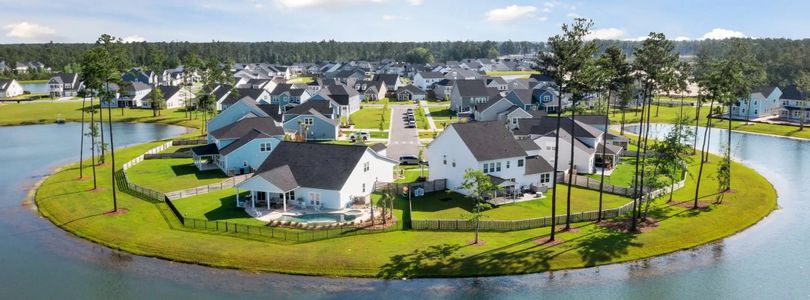
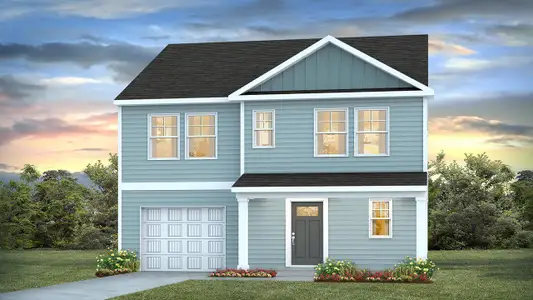
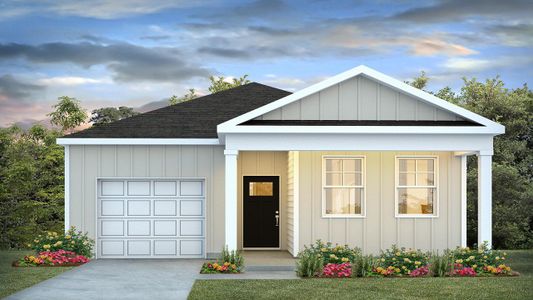
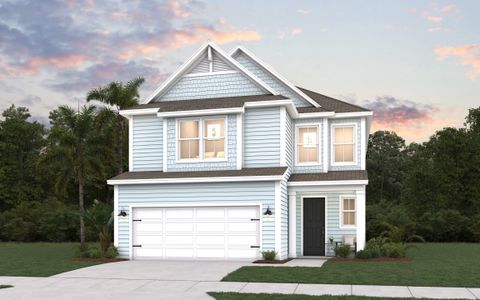
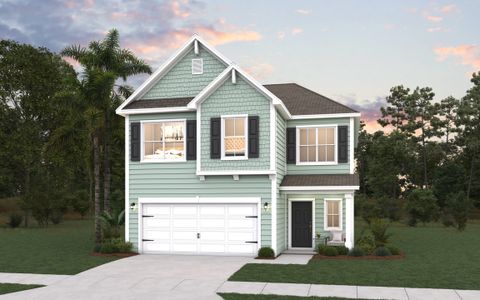
Browse currently available new construction homes, communities, and floor plans across the Charleston Metropolitan Area. All listings are updated daily with the latest inventory from builders. Browse all communities & new homes in Charleston Metropolitan Area
Top-rated new construction communities in Charleston Metropolitan Area
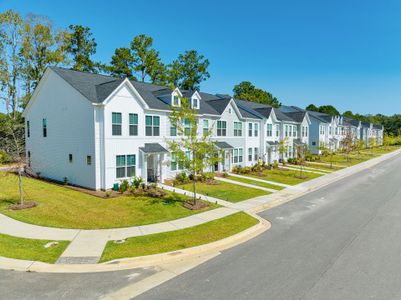
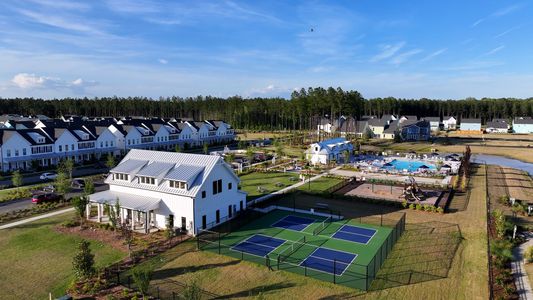

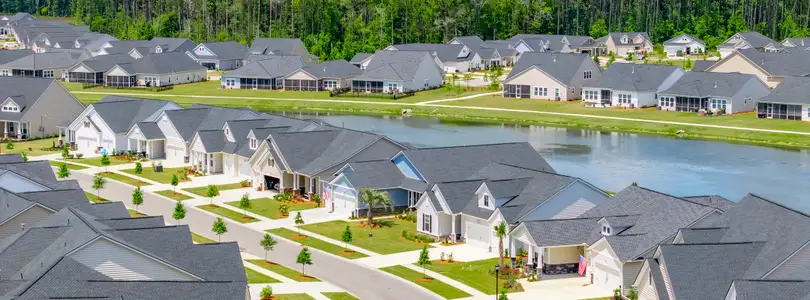

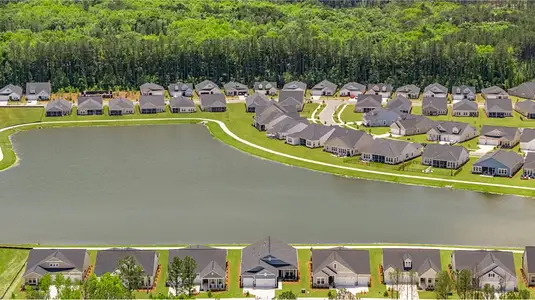


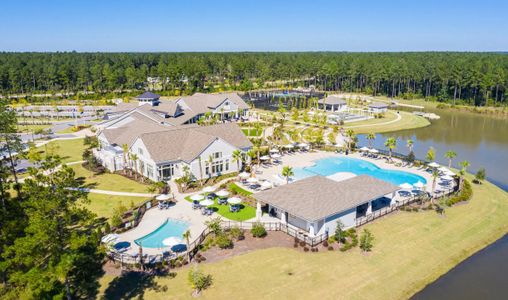
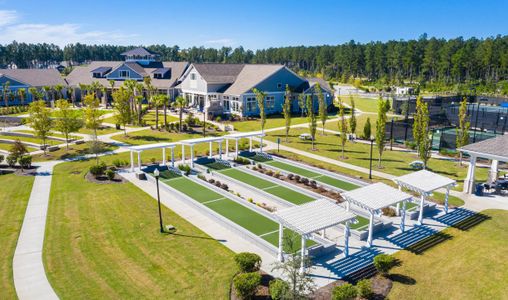
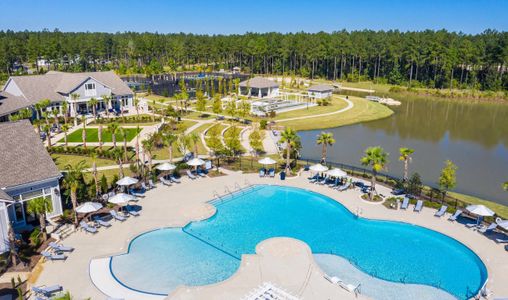
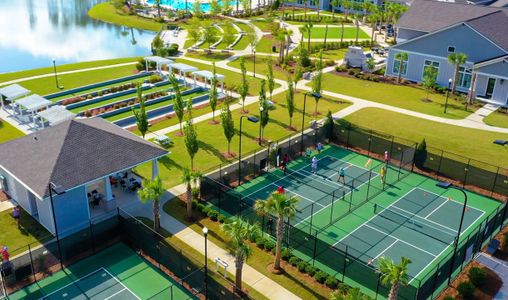
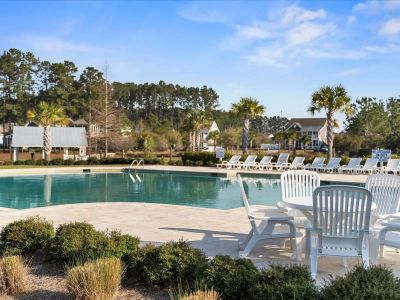
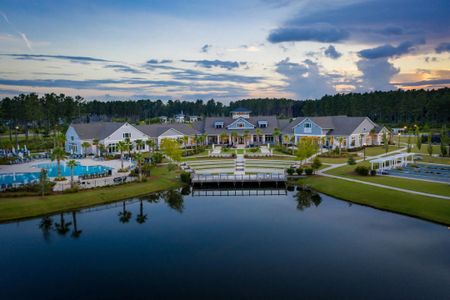
Master planned communities in Charleston Metropolitan Area
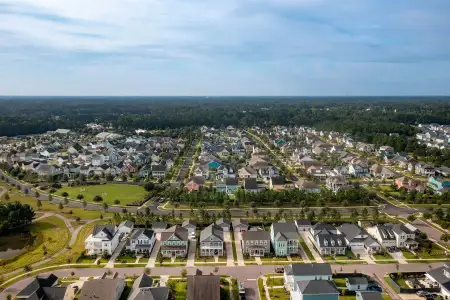
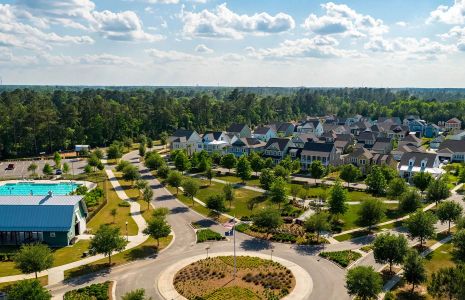










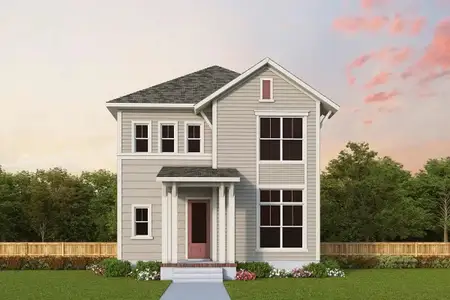
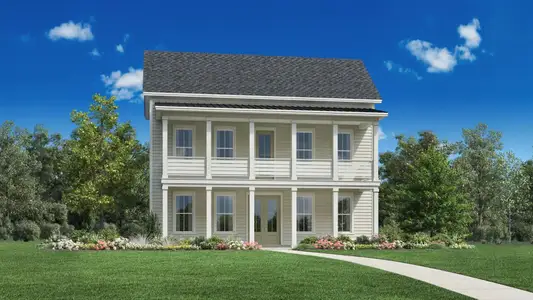
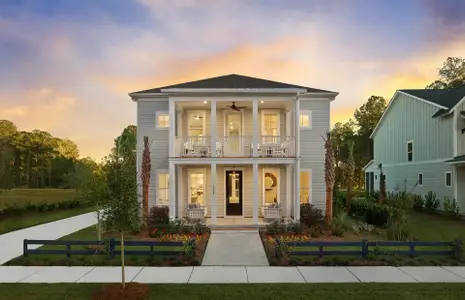
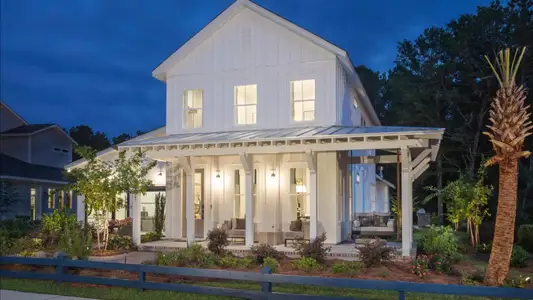
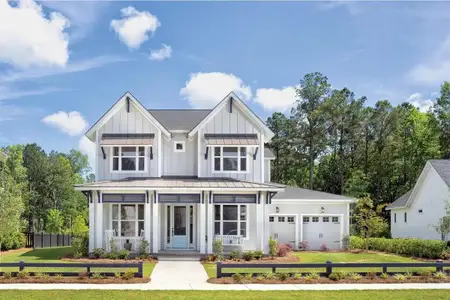
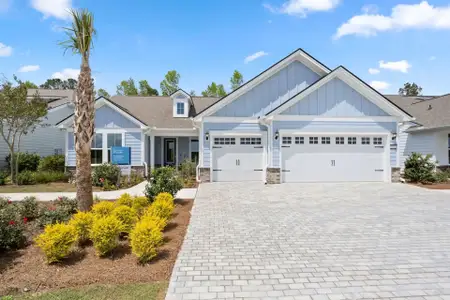
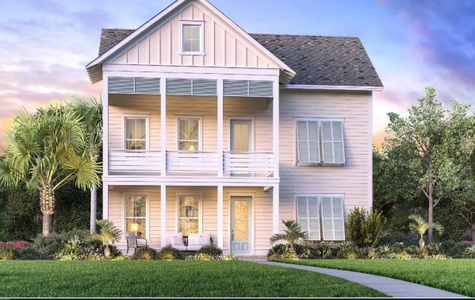
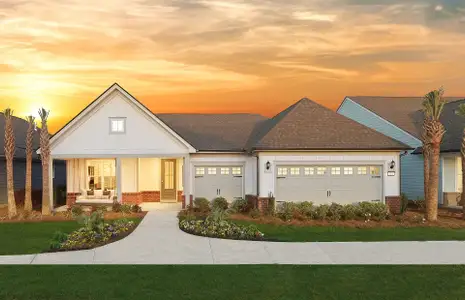
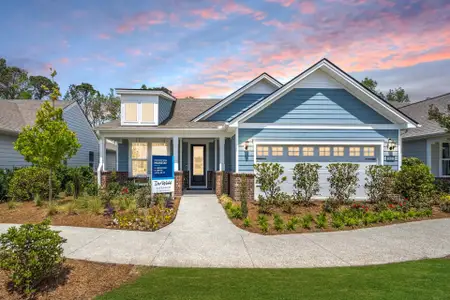
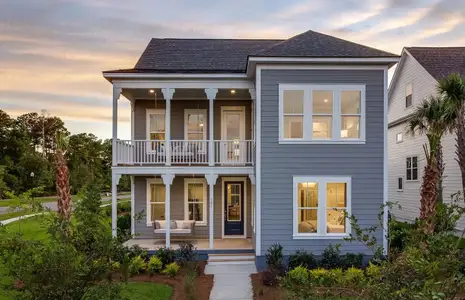

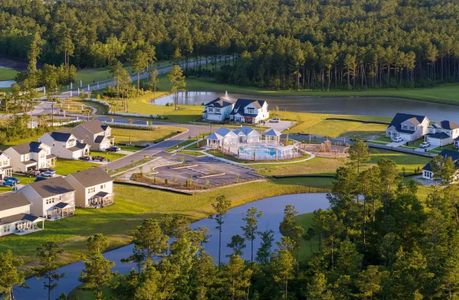
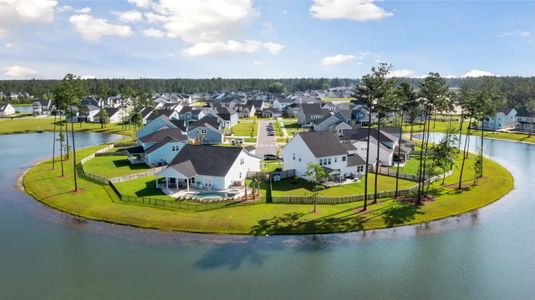
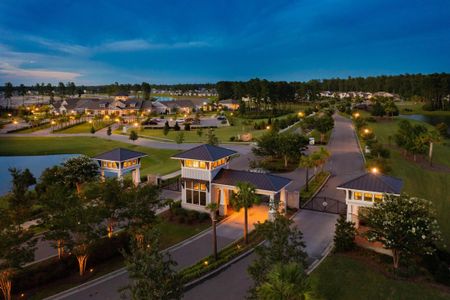
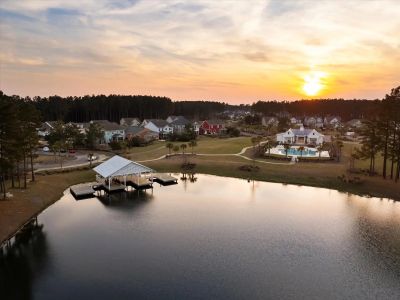
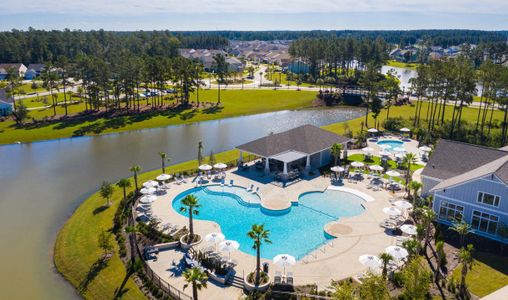
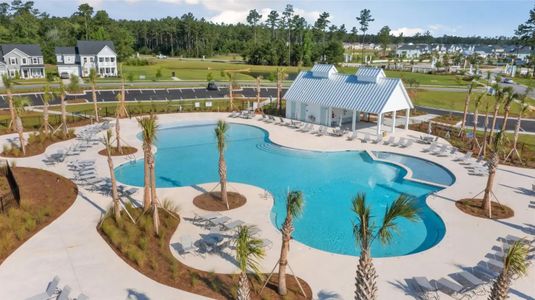
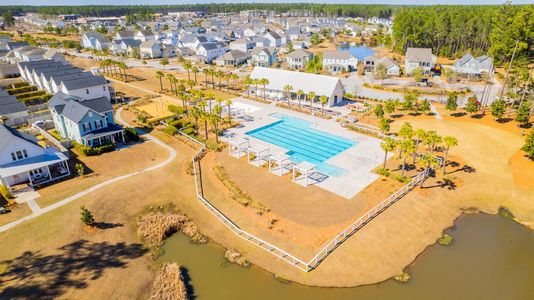



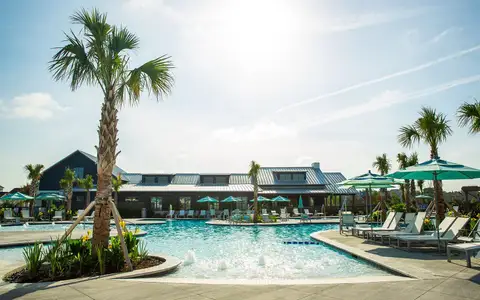
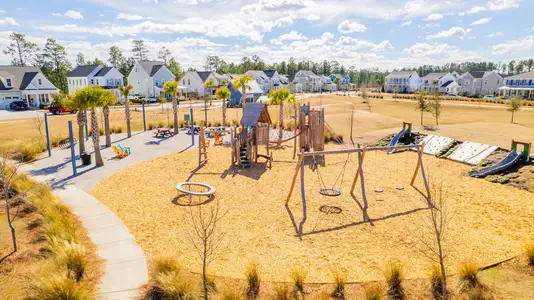
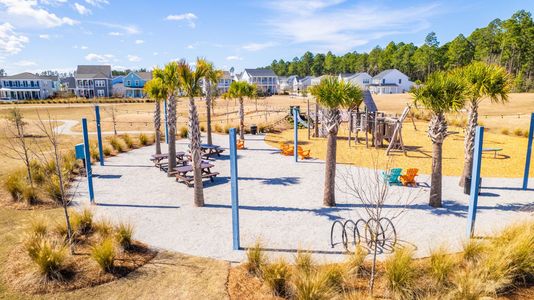




Browse communities & homes in Charleston Metropolitan Area cities
Real estate in Charleston Metropolitan Area
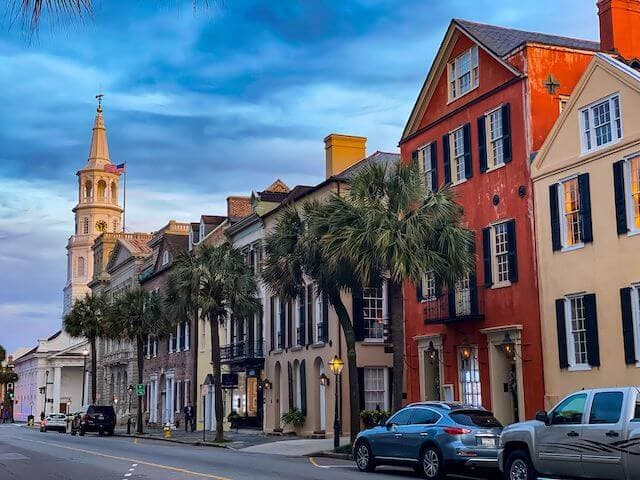
During May 2023, Charleston witnessed the median listing price of homes rise significantly to $690k, marking a 27.8% upswing from last year. Much of this growth can be attributed to the flourishing economy and the high quality of life residents benefit from living here. If we focus on the architectural style of buildings, we'll notice something fascinating. The charming, historic Antebellum houses in the Southern Broad district tend to sell for over a million dollars. This isn't surprising considering their extraordinary architectural nuances and prime spot in the heart of the community. You'd often see these remarkable properties changing hands for prices well into the millions, especially for those in high demand.
Newly released communities



Recently listed homes


Recently published floor plans
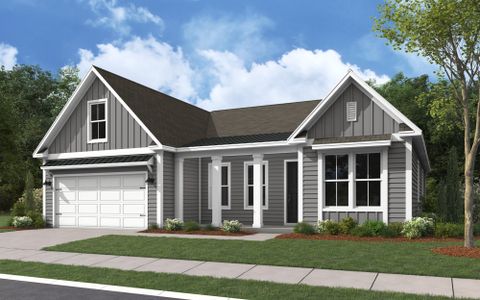
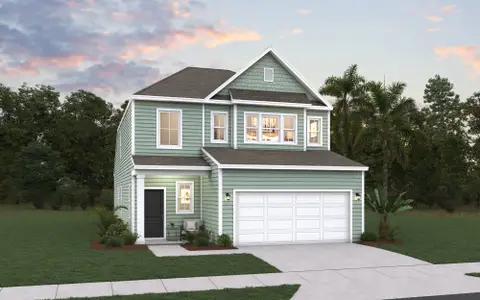
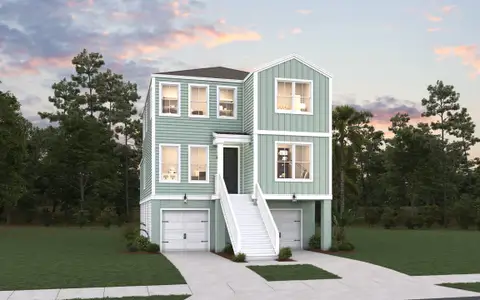
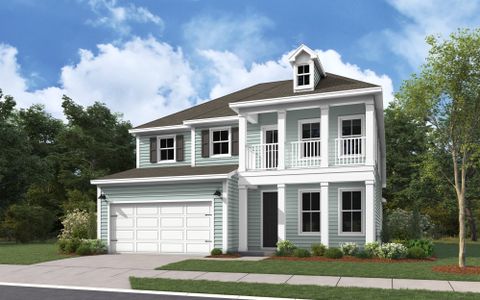
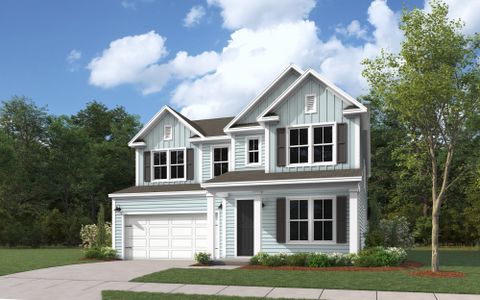
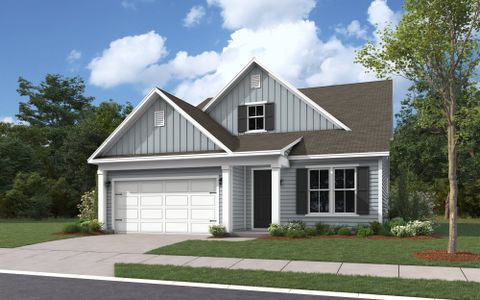
The most popular new construction builders in Charleston Metropolitan Area









Read about new construction on Jome blog


Frequently asked questions
What is the current median sale price for a property in Charleston Metropolitan Area?
December 2025 data indicates that the median sale price of properties in Charleston Metropolitan Area, is $450,000. Buyers have a wide choice among 2105 new construction homes from 34 builders, each offering distinct features and designs.
Who are the major developers of new construction homes in Charleston Metropolitan Area?
The landscape of new construction homes in Charleston Metropolitan Area, is shaped by major developers like Lennar, D.R. Horton, Dream Finders Homes, Hunter Quinn Homes and Mungo Homes. They are known for their contributions to the city’s residential growth and diverse architectural styles.